If I may- in my estimation- #WidowsBay may very well be the best streaming series in a long time… and hands down one of the most mesmerizing acts of narrative prestidigitation in Horror.
WHAT I'VE ENJOYED THIS WEEK...
📺 CRIMINAL RECORD (Season 1)
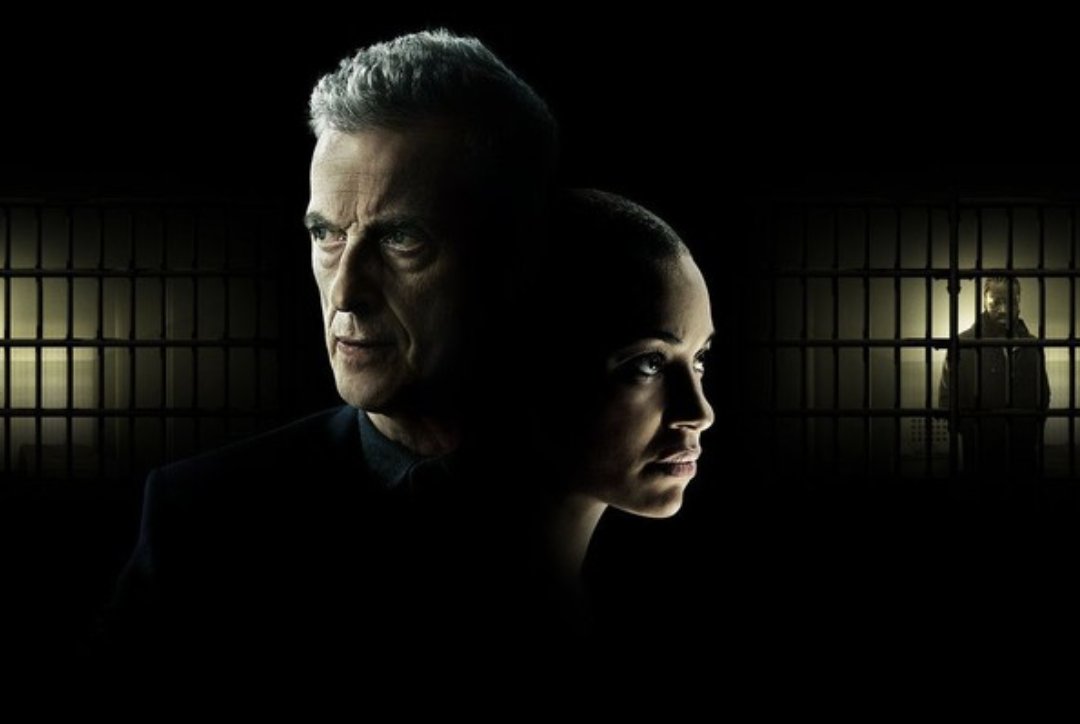
I thought CRIMINAL RECORD was excellent.
It’s one of those shows that doesn’t need to shout to hold your attention. The tension comes from character, atmosphere, and the slow uncovering of old mistakes rather than constant twists or manufactured jeopardy.
Peter Capaldi is superb in it. He brings a kind of exhausted authority to the role that makes every scene feel slightly unpredictable. Cush Jumbo is equally good, and the dynamic between them carries the series.
What I liked most was the restraint. The show trusts the audience to keep up and doesn’t overexplain itself. It feels grounded, procedural in the best sense, and interested in the moral complexity of policing rather than just using crime as decoration.
There’s also a very recognisable London running through it — not the glossy television version, but something colder, greyer, and more believable. I lived in the East End and I recognise plenty of the locations. Indeed, THE CLEANER is similar in the way it treats that part of the city.
It reminded me a little of the kind of crime dramas we used to get more often: patient, intelligent, and confident enough to let the performances do the heavy lifting.
Definitely worth your time if you enjoy slower-burn crime stories.
WHAT I'VE ENJOYED THIS WEEK...
📺 DAREDEVIL: BORN AGAIN (Season 2)
I’ve really enjoyed DAREDEVIL: BORN AGAIN. Superhero fatigue is definitely a real thing these days, but this manages to avoid most of the problems that have started creeping into the genre.
What helps is that it still feels relatively grounded. Yes, there are masks and fights and comic-book elements, but at its core it’s a crime story about damaged people trying to hold onto their principles in a city that constantly pushes against them.
Charlie Cox is excellent again as Matt Murdock, and the series works best when it leans into the tension between his public life and the darker impulses that sit underneath it. There’s a weariness to the character now that really suits the tone.
The action is sharp, brutal, and refreshingly physical. You can actually follow what’s happening, which shouldn’t feel like such a rare compliment these days.
Most importantly, the show trusts the audience enough to slow down occasionally. It gives scenes room to breathe instead of sprinting from one explosion to the next.
I’ve found myself looking forward to each episode, which is probably the best compliment I can give anything at the moment.
THE FOREST is the sixth Atticus Priest book. DOPE will be the twenty-sixth John Milton.
Here is what I have learned: Atticus is much harder to write than Milton.
Milton benefits from momentum. He’s moving and the books have a natural propulsion because of that. If something isn’t quite working in a Milton novel, pace can sometimes carry me through until I reach the next draft and fix it properly.
Atticus is different.
With detective fiction, readers are actively participating in the story. They’re listening carefully, looking for inconsistencies, testing theories against the evidence. That means the book must be fair. I’ve read books where the ending feels like it could’ve come from another book, and the path from start to finish doesn’t work. That’s not a good reading experience.
Atticus himself also creates a different challenge because he notices things most people miss. Writing someone convincingly intelligent without making him feel artificial or superhuman is a delicate balancing act. His deductions need to feel surprising, but once he explains them, the reader should think: yes, of course.
He’s smarter than the author, and that brings its own challenges…
THE FOREST probably gave me more trouble than any previous Atticus book because there came a point where I realised the emotional logic and the investigative logic weren’t fully aligned. Once I fixed that, everything started breathing properly again.
Alcohol might have been involved along the way.
THE FOREST is now moving through the editing process and should be ready for you around the middle of June. You can preorder it now — just click through to Amazon if you’d prefer the Kindle edition or choose the paperback from my store if you’d like a signed and dedicated copy:
https://t.co/BZMDGfydsr
One of the things I discovered in writing THE FOREST is just how unsettling the New Forest itself can be.
I was going to lean into a pagan plot, but that was one of the elements that got the chop in the rewrite. There was no need to exaggerate the weirdness too much (and it had started to feel a little off-brand).
The New Forest is ideal for the purposes of this story because it comes with its own kind of atmosphere regardless of what you put into it. There’s history and folklore. There’s solitude.
It’s also a great place to leave a body ;-)
And so I found myself focusing less on "locations" and more on mood. The forest stopped being a background and slowly evolved into an integral part of the story's mechanics.
Crime fiction thrives when the setting helps generate the emotional experience of the book rather than simply serve as its backdrop.
And the atmosphere affected nearly every element of this story.
THE FOREST is now with my editor and, assuming I haven’t broken anything too badly during the rewrite, it should be ready in the middle of June. Preorders are open now. If you’d like the Kindle version, you can click through to Amazon. If you’d prefer a paperback, signed and dedicated by me, those are available through my website. Everything is available here:
https://t.co/BZMDGfydsr
WHAT I'VE BEEN ENJOYING THIS WEEK...
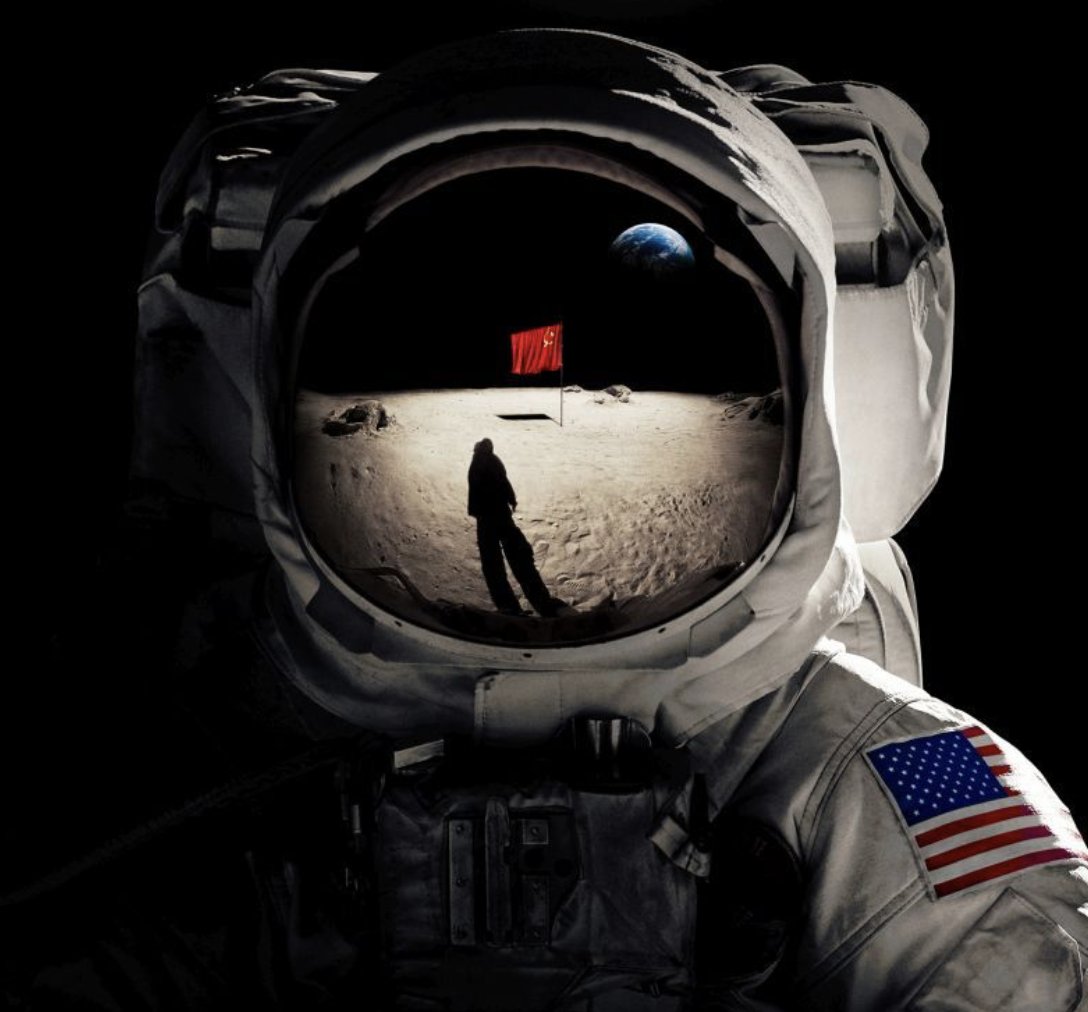
📺 FOR ALL MANKIND (Season 5)
I came late to FOR ALL MANKIND but I’ve absolutely devoured it. The basic premise — the space race never ended because the Soviets reached the moon first — is brilliant enough on its own, but what really makes the show work is the sense of momentum. Every season jumps forward in time and asks what the world might look like if space exploration had remained a genuine global obsession.
By the time you get to season five, the alternate history has become huge in scale, but it still manages to feel grounded because the characters remain front and centre. It’s rare for a show to balance spectacle and humanity this well.
There’s also something refreshing about science fiction that isn’t relentlessly bleak. The series has plenty of darkness and conflict, but underneath it all is an optimism about human ambition and ingenuity that feels increasingly unusual.
Visually, it’s fantastic, but the thing I’ve enjoyed most is how confident the storytelling feels. It knows exactly what kind of show it wants to be.
Very easy to recommend if you enjoy intelligent sci-fi with strong character work.
It's underway! I've got an excellent idea for the new Milton and I'm 1000 words in. Lots more in due course, but, for now, you can preorder DOPE here: https://t.co/9pVwhI12hL
I know... I've been very quiet recently.
But I have been busy...
I’ve been wrestling with the new Atticus Priest book, and I think I’ve finally worked out why it was giving me such a hard time.
The central mystery was always strong — in fact, it’s one of my favourites in the series — but somewhere around the halfway point I realised that although all the individual parts were working, they weren’t working together.
I’ve been doing this for years now and one of the uncomfortable truths about writing is that you can spend months moving confidently in the wrong direction before suddenly realising something fundamental has to change.
The encouraging thing is that the work has paid off. The book is alive now in the way I hoped it would be from the beginning, and although writers are usually terrible judges of their own work, I think this might be the strongest Atticus book so far.
It’s now with my copy editor and will head to my advance readers after that, so I should have it ready for you in June.
One other thing changed during the rewrite: the title. The book was going to be called THE HORNED MAN. It’s now called THE FOREST.
You can preorder it for Kindle and paperback here: https://t.co/BZMDGfydsr
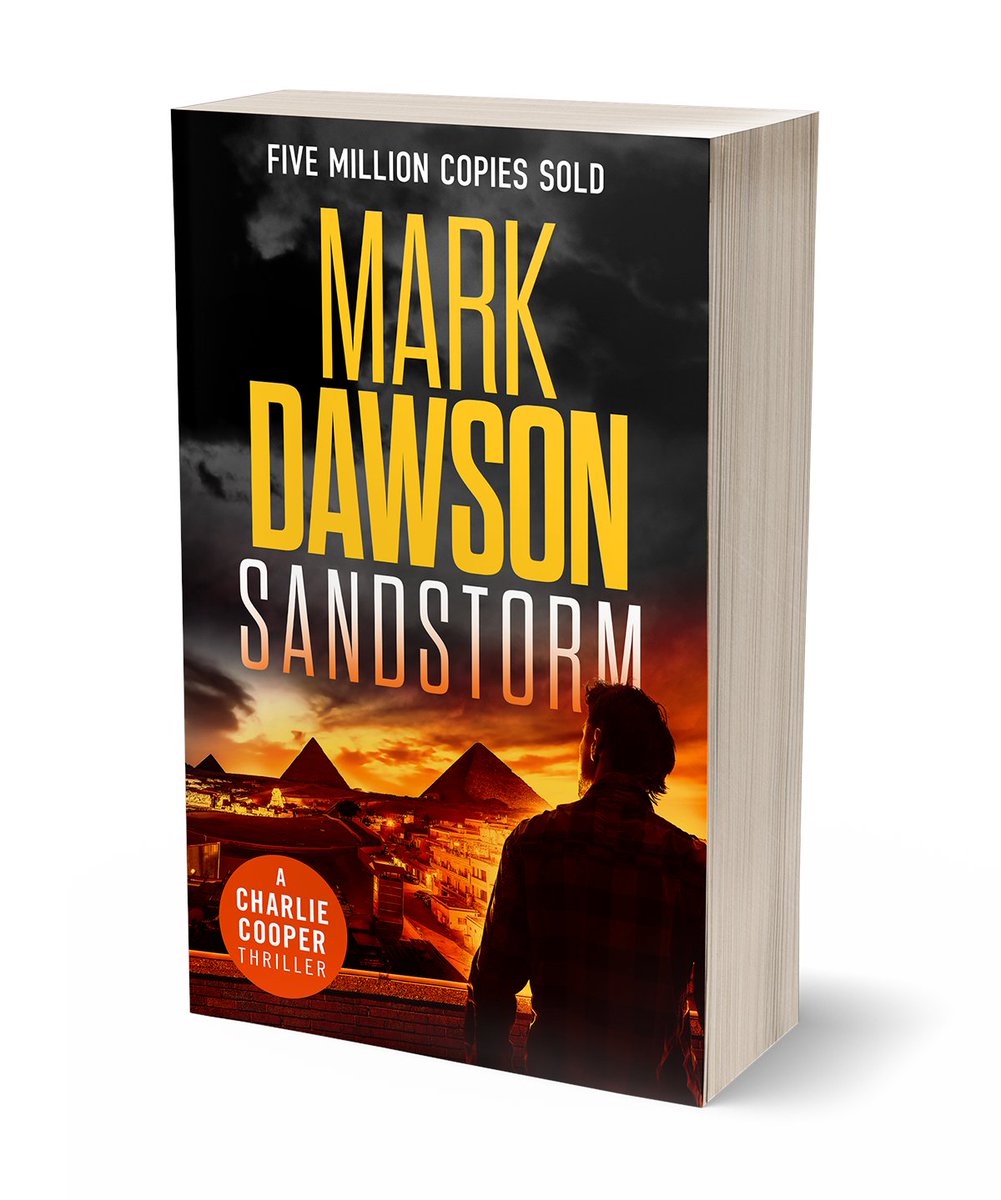
Charlie Cooper has quietly become one of my favourite characters to write. The books move at a relentless pace and there’s very little fat on them. They’re leaner, sharper, and generally less forgiving than the Milton novels, which makes them enormous fun to work on.
The next novella in the series is called TERMINAL, and it should be out in the next couple of weeks... and it very much continues in that tradition.
And in anticipation of the new release, I’ve made the first Cooper novella, SANDSTORM, free until Tuesday.
So if you’ve been curious about the series but haven’t tried it yet, this is probably the best moment to jump in. It’ll cost you absolutely nothing apart from a few hours and perhaps a slightly later night than you intended.
Grab it here: https://t.co/IMSXorC8iE
@SiClancy 1. Format it as an epub 2. Get a cover 3. Create Amazon KDP account. 4. Upload. (Formatting probably trickiest, but I might be able to help - DM me)
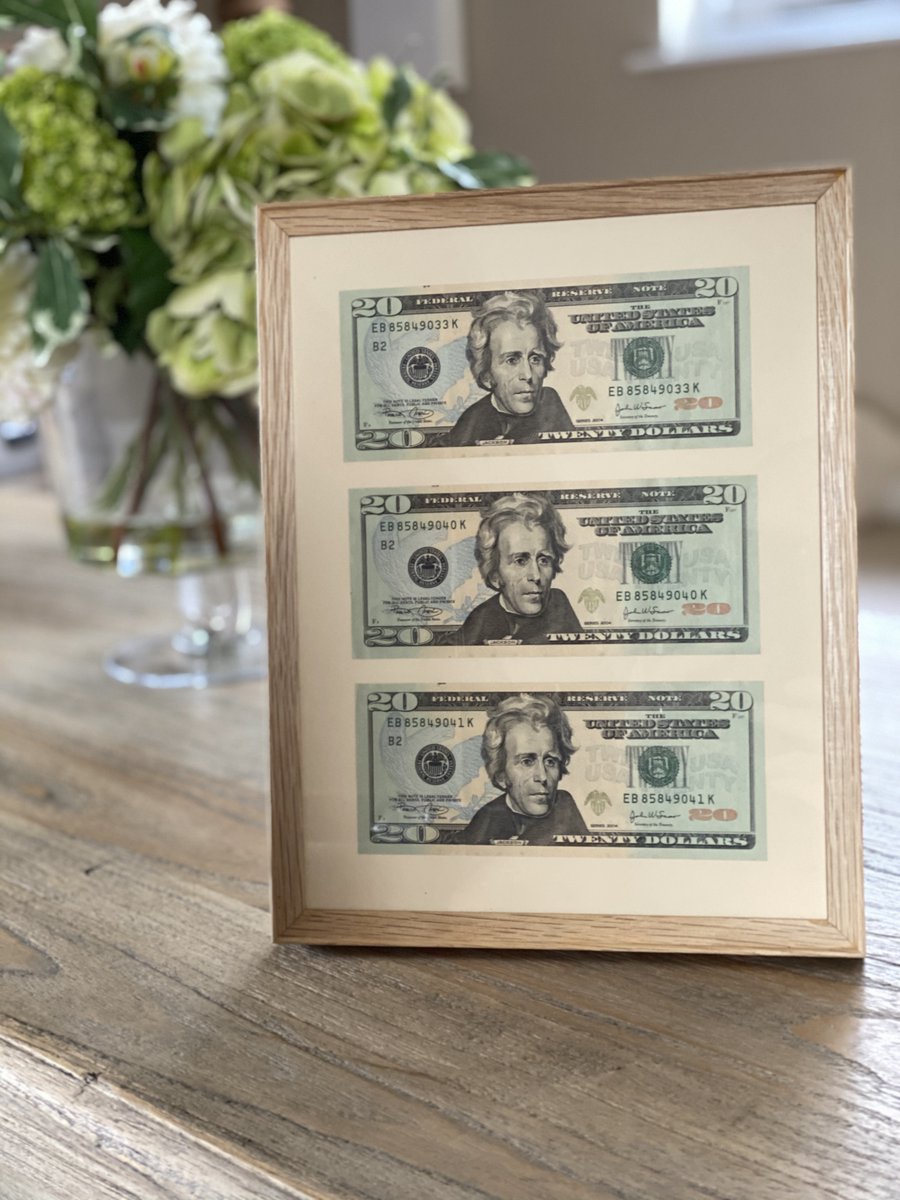
When I first started writing, a very kind American reader used to send me twenty dollars every Christmas with a note telling me to buy myself a drink.
It was such a small thing, but it meant an enormous amount. Not because of the money, but because of what it represented. Someone, thousands of miles away, had read something I’d written and decided it was worth taking the time to write a note, put it in an envelope, and send it across the world.
I never spent those dollars. I couldn’t bring myself to do it. They felt less like money and more like a symbol — a reminder of the kind of connection books can create. So, I framed the notes and kept them, and I still have them now. Every so often I see them and I’m right back at the beginning again, when I was just trying to work out whether writing books might be a way to make a living.
It’s easy to get caught up in the day-to-day side of the job — deadlines, edits, admin, all the rest of it — and forget that, at the heart of it, this is what it’s about. A story leaving my desk and landing in someone else’s life. A reader taking a moment to tell me it mattered.
Those framed notes remind me how lucky I am to do this, and how grateful I am that anyone chooses to spend their time with my characters and my worlds. It’s a small gesture, but it’s stayed with me for years — it probably always will.
Finishing a book rarely feels the way people imagine it does. I’ve done it a lot now and, in truth, it always feels a little different. (I just checked… the book before the last one I published was my two hundredth. That’s not two hundred novels; it includes translations into several languages. I think the actual number of books is somewhere between fifty and sixty… certainly quite a lot).
There’s no surge of triumph when I finish. More often, there’s a quiet pause. A moment of satisfaction and then an emptiness where the work I’ve been carrying around for weeks used to sit.
I’ll close the document, knowing I’ve done what I can. The rest is out of my hands. There’s relief in that, but also weirdness. The thing that occupied my thoughts for so long no longer needs me.
It doesn’t last long. Something else always moves in eventually.
Atticus will be finished in 5-6 weeks, and then I’ll move onto the book I’m thinking about now… Milton in Dope.
I still rely on a notebook more than I ever expected to.
It’s not efficient. My handwriting is abysmal. Notes get very messy (because of said handwriting). Pages fill with things that never become anything else. But there’s something about writing by hand that slows thinking down just enough to make it useful.
A notebook doesn’t demand structure. I can sketch an idea, abandon it, come back to it weeks later. Nothing disappears unless I choose to throw it away.
The other day, I went into what used to be WHSmith in Salisbury and spent £30 on a brand-new notebook and some nice pens. I use it most days to record the results of some advertising experiments that I am doing with my new Shopify store. I’m still tracking everything with spreadsheets that have come to be reasonably complicated over the years, but there’s something to be said for sitting down and just writing out the conclusions that I have drawn before I test them with calculations.
In a world of constantly updating files and disappearing drafts, there’s comfort in something physical.
(My handwriting still sucks, though...)
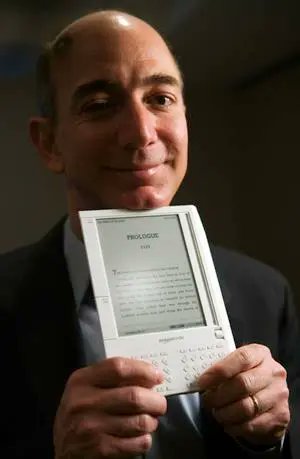
I can still remember the first cheque I received from Amazon for publishing my books. It was, I think, for $12.
Not momentous.
Looking back, though, it marked something important. Not because of the money, but because it was proof. Something I’d made on my own had found its way to readers. Proof that this wasn’t just theoretical anymore.
I was working full-time in London then, commuting backwards and forwards between Waterloo and Salisbury every day. I would still have been a couple of years away from being able to find the confidence to make a permanent break, but this was a sign that it might be possible to do the thing I’d always wanted to do.
I’ve been full-time since 2014 and, for all its faults, I wouldn’t have been able to do it without Amazon revolutionising how easy it could be for writers to connect directly with readers. I have some experience of traditional publishing, most of it – at least in retrospect – disheartening.
Getting that check, and seeing the possibilities, made me realise that the days of gatekeepers and barriers between me and my audience were, if not over, soon to be.
And now? They are all gone.
I still pinch myself every day to think that it’s possible to make a living doing the thing I love.