Musings from a Dutchman in an English family. Father, plant lover, runner. Advisor, Connector. Previously at @spotify, @deezer, @trafi_maas and @skype.
@boardyai building Setmixer, a live music infrastructure platform that records concerts and delivers studio-quality releases in hours. would love to get Boardy Pro
I want to talk about the scale of what’s coming for the UK over the next three months. Because I don’t think many people have joined the dots yet.
The Strait of Hormuz has been effectively closed for over five weeks. Before this war, 135 ships passed through it every day. Now it’s 5 to 7. Over 600 vessels are still stranded. Iran has mined the strait, is charging tolls, and controlling who passes. The CEO of Abu Dhabi’s national oil company said it this week: “The Strait of Hormuz is not open. Access is being restricted, conditioned and controlled. That is coercion.”
Two thirds of Gulf crude has no alternative route. 14 million barrels a day behind a 21-mile chokepoint.
Energy bills are forecast to jump 20% in July. From £1,641 to nearly £2,000. The second major energy shock in four years. Petrol up over 15%. Diesel up nearly 30%. Wholesale gas rose 75% in under four weeks.
Food inflation could hit 8% by June and 9% by December. Academics advising DEFRA say it could reach 12%. UK food prices are already 38% higher than before Covid. We’re only 62% self-sufficient in food. We import 60% of our nitrogen fertiliser. Red diesel for farming has surged 60%. Average arable farm income has fallen to £17,000, the lowest in over 20 years.
Yesterday, China announced it’s halting all sulphuric acid exports from May. Sulphuric acid is essential for phosphate fertilisers, copper mining, oil refining, and battery manufacturing. A third of the world’s sulphur was already blocked by the Hormuz closure. Now the world’s largest exporter has pulled the other lever at the same time. The fertiliser crisis just got significantly worse, heading straight into planting season.
Before the war, markets expected rate cuts. Now they’ve priced in two rate rises. Over 1,500 mortgage products have been pulled. Two year fixes have jumped from 4.8% to 5.5%. Nearly £1,000 a year extra on a £200k mortgage. Gone in weeks.
Flights are next. A quarter of UK jet fuel comes from Kuwait, behind the strait. In early April, major carriers said they had five to six weeks of reserves. That clock is running. Ryanair’s CEO has warned 5-10% of summer flights could be cancelled.
Iran’s strike on Qatar’s Ras Laffan LNG complex, which handles 30% of the world’s helium, is estimated to take 3 to 5 years to repair. Helium is critical for semiconductors and MRI machines. That’s not a disruption. That’s structural damage.
Chemical and steel manufacturers are imposing surcharges of up to 30%. Analysts are warning of permanent deindustrialisation. European gas storage was at just 30% after a harsh winter. If the strait stays restricted through summer, Europe can’t refill for next winter.
In Ireland, fuel protests shut down Dublin for four days. The army was deployed. Over 100 fuel stations ran dry, with warnings of 500 by end of the week. Downing Street has held talks on the potential for mass protests here.
The OECD has downgraded the UK more than any other G7 nation. Growth slashed from 1.2% to 0.7%. Inflation forecast nearly doubled to 4%, with some saying it could breach 5%.
Starmer and Trump spoke this week about military options to reopen the strait. The UK is leading a 30+ nation coalition. But the ceasefire is already fracturing. Iran re-closed the strait over Israeli strikes on Lebanon. Reeves is boxed in by fiscal rules. Higher gilt yields are eating her headroom. And I haven’t heard a credible plan from anyone in Westminster.
Energy. Food. Fertiliser. Aviation fuel. Mortgages. Industrial chemicals. Semiconductors. Shipping. Government borrowing. Political stability. All under stress. All compounding.
This country imports 44% of its energy. Has almost no gas storage. Imports most of its food and fertiliser. Gets a quarter of its jet fuel from behind a mined strait.
Every structural weakness built up over 20 years is being stress tested at once.
The next three months aren’t going to be uncomfortable. They’re going to be defining
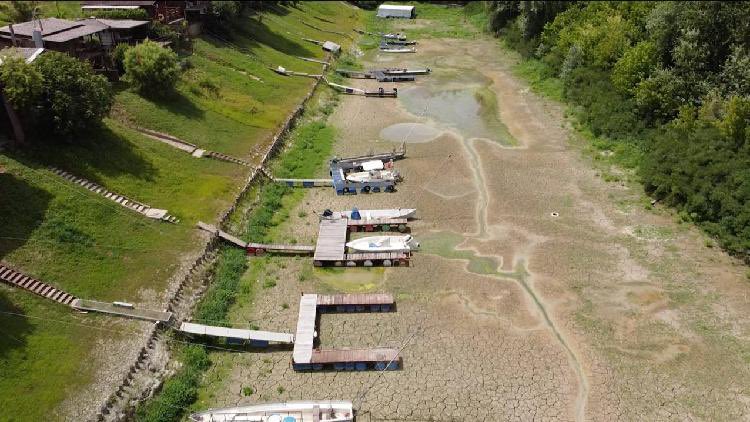
The really striking thing about the last 20 years of heating in eastern England, and particularly the massive rise in recent years, is that this isn't even compared to the pre-industrial average
It's compared to the average from 1961-2010
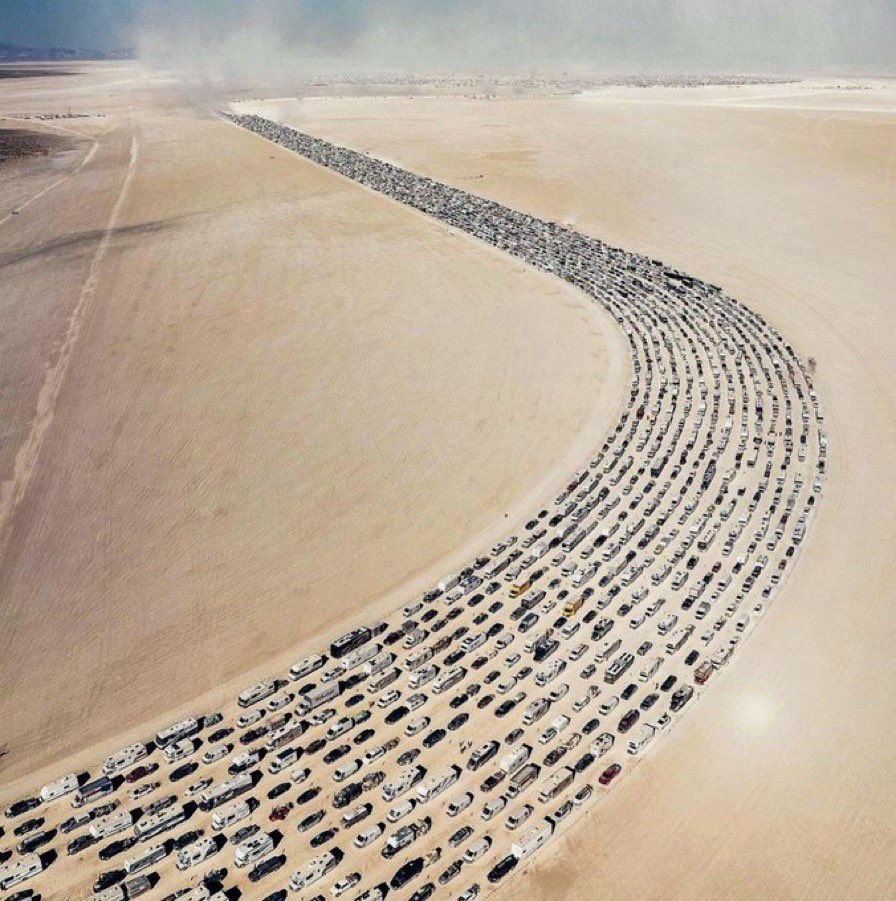
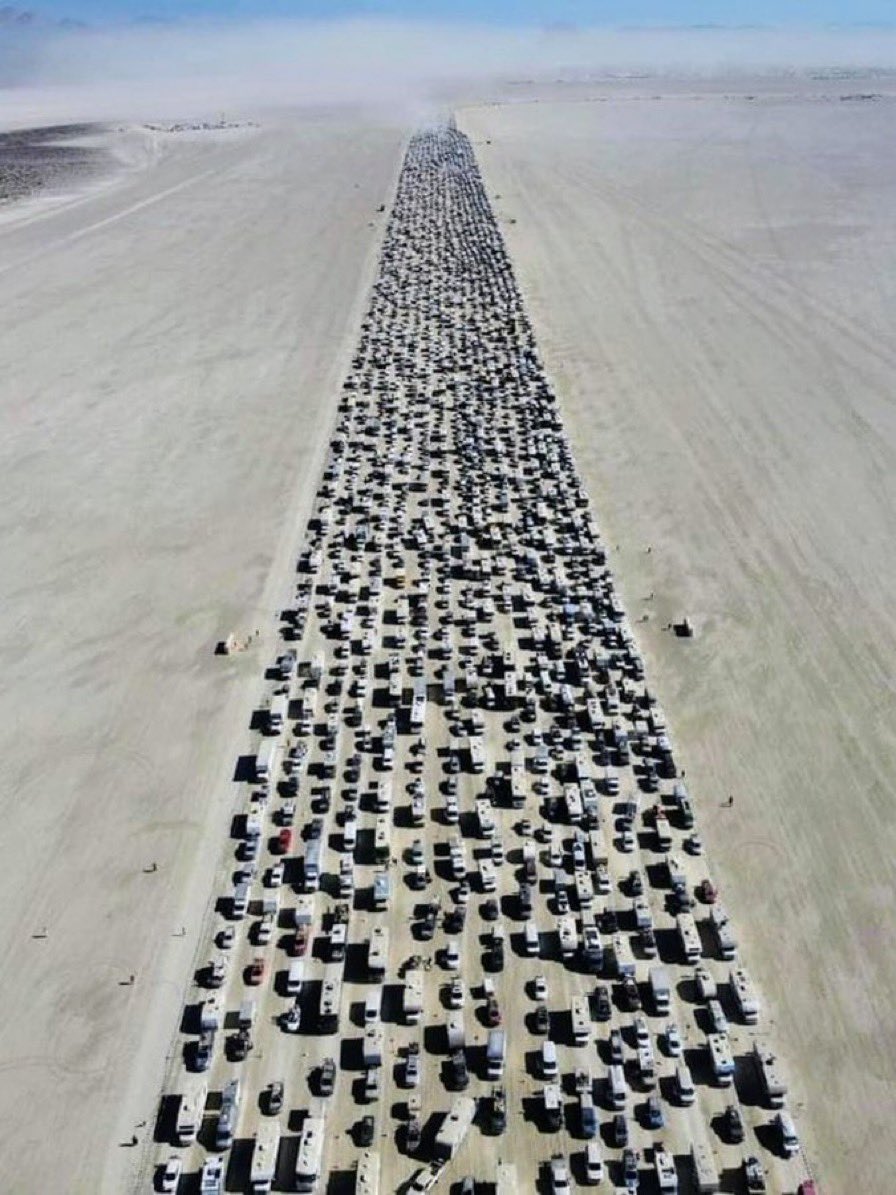
Whatever artistic or cultural statement organizers of #BurningMan planned to make this year will never be as important as the statement inadvertently made when all those people in the desert tried to drive home.
The most powerful cultural force in North America —car dependency.
@Ljungman Is this not the whole idea? If VCs invest loads to force a winner-takes-all result, they should not be surprised that the losers get nothing.
This is interesting and very unexpected: what’s driving streams on Spotify, YouTube Music, Apple Music and Amazon Music? https://t.co/1lwO6R07fA via @musically
It takes an average 6 kg of protein to get 1 kg of meat.
• 4.55 kg for 1 kg of chicken
• 9 kg for 1 kg of pork
• 25 kg for 1 kg of beef
That protein comes from grain and soya that could also be eaten directly.
We starve the poor and destroy the planet so we can eat meat.
I just learned that if a hermit crab finds a new shell that is too big it will wait for other hermit crabs who need new shells to gather and then they will organize themselves by size and trade shells and I am pissed that the crabs have a better housing market than we do
Ukrainian mothers are writing their family contacts on the bodies of their children in case they get killed and the child survives. And Europe is still discussing gas.
Vanmorgen bij het grootste varkensslachthuis van Nederland geweest, waar élke week zo'n 100.000 varkens op moordend tempo worden geslacht 💔
Het stukje vlees op jouw bord is deze gruwelijke lijdensweg toch niet waard?
new IPCC report says continuing to operate *existing* fossil fuel infrastructure would put us past the 1.5 degree warming goal
right now, the White House is calling on US fossil fuel producers to *increase* their output https://t.co/XOfi9NYeJ1
https://t.co/F8iipFMC0y