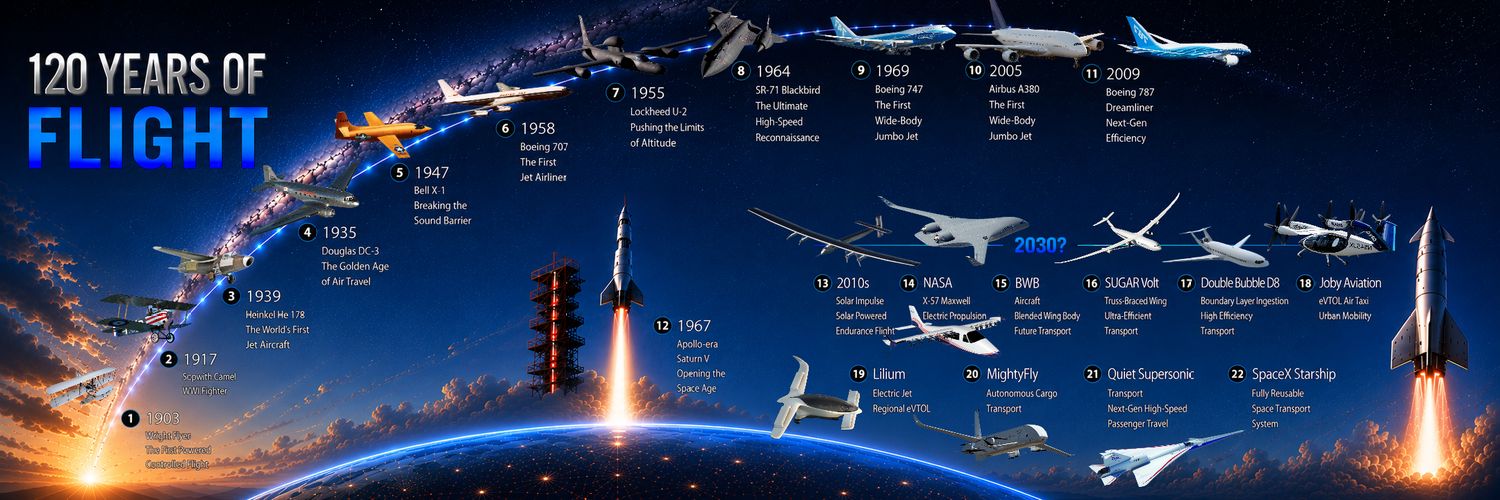
3/ And perhaps that says something about the rate of technological progress itself.
We’re moving so fast that our philosophy can no longer keep up with our technology.
At some point, that starts to mean we don’t really know what we’re doing anymore.
And we’re losing it.
2/ Philosophy used to help us solve problems. These days, it seems the technical debt to philosophy has become so enormous that no matter how deep a line of thought goes into abstraction, it never quite gets to the bottom of what we’re building.
Still, it’s a positive step, and I hope they release their proof. If it’s valid, they must claim the prize.
It shouldn't be like, “Yeah, we did it, but we don’t want the prize.” Right?
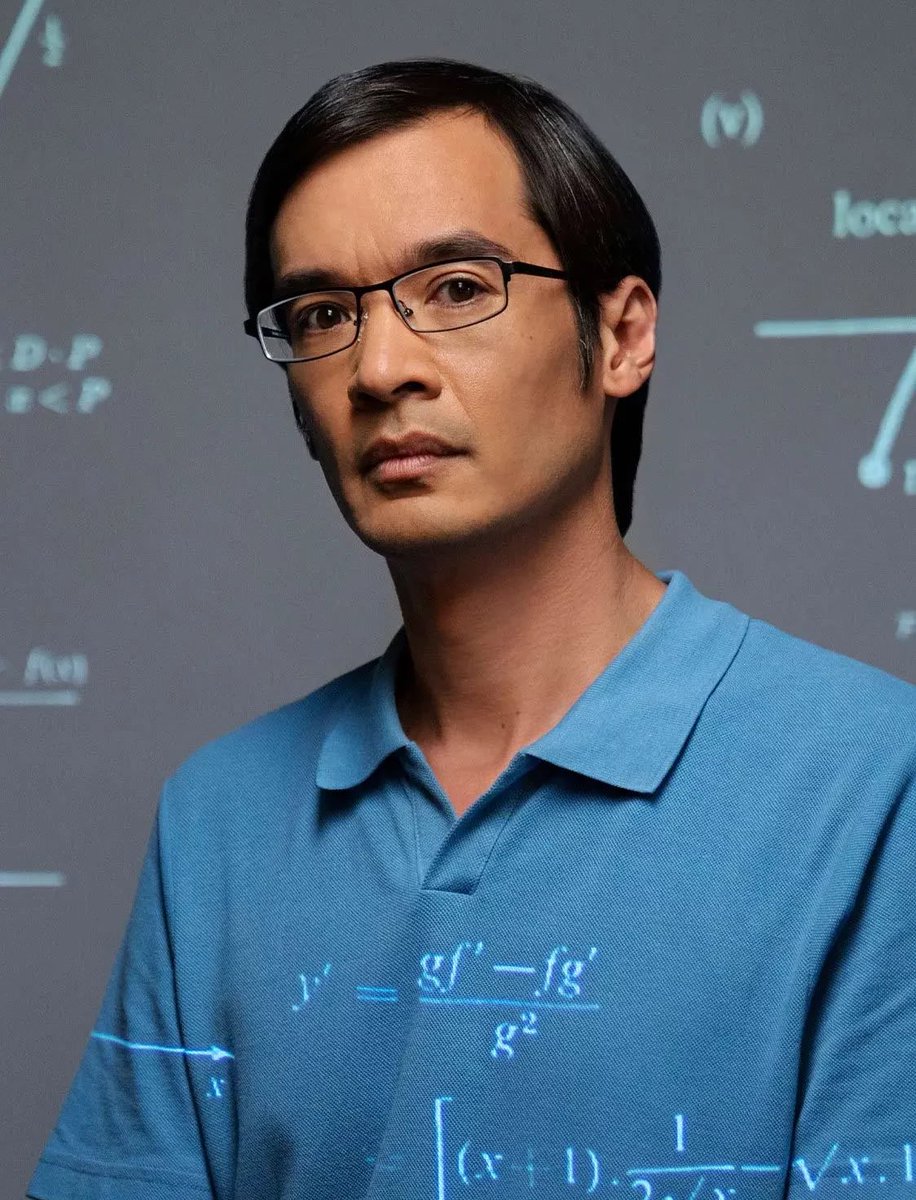
Terence Tao made a very powerful point:
“In most cases in pure mathematics, the problems are posed not because we desperately want the solution to these problems in and of themselves, but because we have seen from past experience that human-directed efforts to solve these problems tend to spur further development of the field through the efforts to solve such problems, and then to digest any partial or complete solutions that emerge for further insights.
Prematurely solving the problem by purely AI-powered methods—particularly without full transparency into the solution process—can contaminate this process to the point where it actually becomes a net negative for the progress of mathematics as a whole.”
I’ve been following Terence Tao for like 20 years, and I have always been impressed by the clarity of his thinking.
This clarity stands out even more in this difficult moment, as AI labs turn mathematics into a battleground in their race for supremacy.
In this race, they risk damaging one of humanity’s highest intellectual endeavours.
5 to 7 AM is when I figure out the potential answers to my questions. It's been like this for a couple of years now.
Nowadays, I just reserve this window to think about my deepest questions.
And it's still going on.
A Yale professor asked a lecture hall to prove that they are anything more than a body. Not to feel it. To prove it. Then he spent 41 minutes showing that the argument most people reach for first collapses the moment you state it carefully.
The question underneath is simpler than it sounds and worse than it sounds. What exactly is a person.
And the way he runs it is what makes the video worth watching.
He does not take a side and defend it. He builds both positions properly, as strongly as their best defenders would, and then attacks each one with the same energy. You are never told which one he holds until much later than you expect.
One side says you are a body plus something else. A soul, a mind, a thing that is not made of matter and can in principle survive without it.
The other says there is no extra ingredient. You are a body, running. Nothing has been left out of that description, and nothing needs adding.
Then the move that catches people. He asks what work the soul is actually doing in the explanation. Not whether it exists. What it explains that a body cannot. And he keeps narrowing the space until there is almost nothing left inside it.
He is not trying to insult anyone. He is trying to show you that the belief you have been carrying was never argued for. It was assumed, early, and never examined.
He sits on the desk in a t shirt and takes apart the question your entire culture is built on, calmly, in under an hour.
You already have an answer to this question. What you probably do not have is a reason.
41 minutes. 2 positions. It is in the video.
2.
Funny the band I'm listening to singing:
We don't need no education
We don't need no thought control
No dark sarcasm in the classrom
Teachers, leave them kids alone
And ironically my LLM says "The claim LLMs today can't do that" is too absolute."
1.
We can differentiate ourselves from others by practicing deterministic chaos and presenting it as one of our skills.
It's how we make the point that we are different in any field that seems difficult to understand or discover.
LLMs today still can't do that... lol.
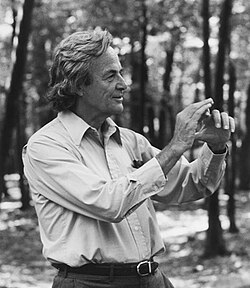
“That is the principle of science. If there is an exception to any rule, and if it can be proved by observation, that rule is wrong.”
― Richard Feynman
5.
I like to lose myself in a small live jazz or pop performance on a Friday afternoon, then wake up the next morning, look up at the sky, and take a deep dive into the ocean reflecting on who we are and where we're heading.
4.
When you finally reach the rock bottom of those questions, things become really, really interesting. That's where I think the next major breakthroughs will begin.