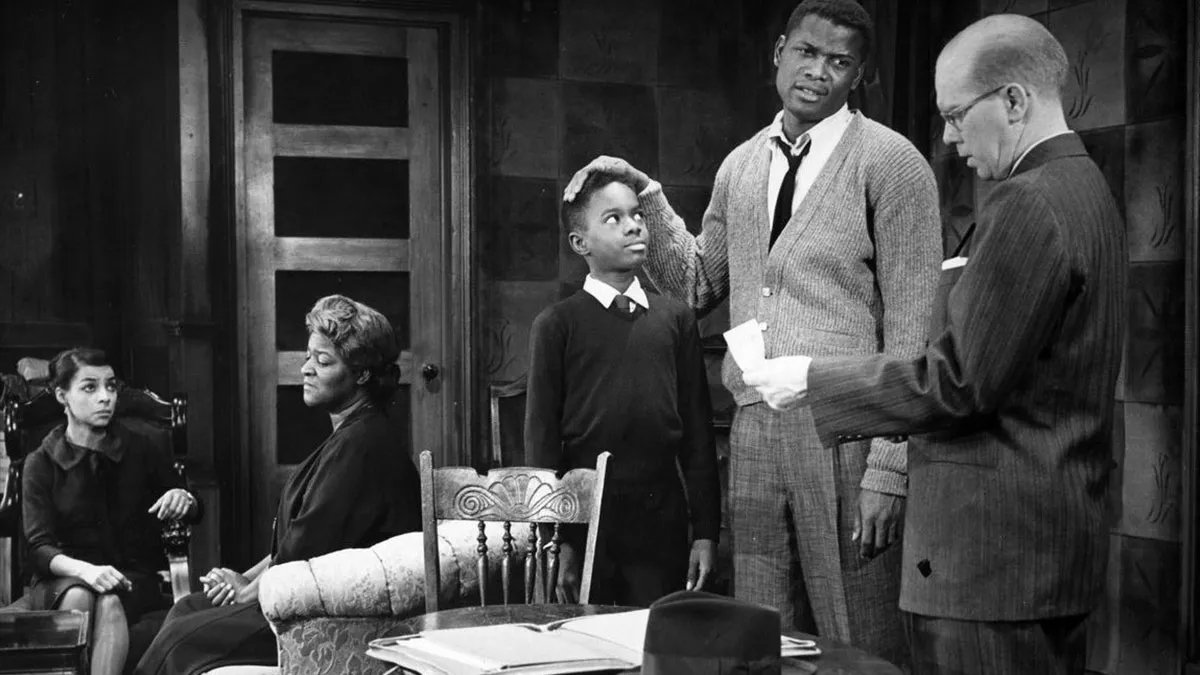
#OnThisDay in 1959, “A Raisin in the Sun,” the first Broadway play written by a Black woman, debuted at the Ethel Barrymore Theater.
Lorraine Hansberry, then only 28, drew inspiration for her play from a Langston Hughes’ poem: “What happens to a dream deferred? Does it dry up like a raisin in the sun?”
Hansberry also drew on her past, her family winning a landmark court case in 1940 against real estate covenants that discriminated against Black Americans, Jews and others.
She attended the University of Wisconsin, only to leave to pursue a career as a writer in New York City in 1950. She fought against evictions in Harlem, worked with W.E.B. Du Bois and Paul Robeson as she wrote for the Black newspaper, Freedom, and made speeches for equal rights.
“Raisin in the Sun” starred Sidney Poitier, Claudia McNeal and Ruby Dee on Broadway and became the first play of the modern era with a Black director, Lloyd Richards. The New York Drama Critics’ Circle named it the best play, and it was adapted into a 1961 film, which starred the original Broadway cast.
Hansberry wrote the screenplay, and Dee won Best Supporting Actress from the National Board of Review.
In 1963, she met with Attorney General Robert Kennedy, questioning the administration’s dedication to civil rights. That same year, she was diagnosed with pancreatic cancer. She died two years later, and Robeson and SNCC organizer James Forman gave eulogies.
Her friend, Nina Simone, wrote the song, “Young, Gifted and Black” to honor Hansberry. In 1973, her first play became a Broadway musical, “Raisin,” which won the Tony for Best Musical. In 2010, Hansberry’s family home became a historic landmark, and the play, considered one of the great plays of the 20th century, continues to be performed on Broadway and across the nation. PBS featured her in American Masters’ Inspiring Women.
https://t.co/CM44Qt3axf
@MyersParkWBB Congrats on another great season to the GOAT - Coach Barbara Nelson - miss the days of my JV Boys practicing their press vs. your GVBB press break!
On this day in 1942, white mobs rioted to prevent Black families from moving into a Detroit neighborhood. Many of the families had come seeking refuge from racial violence in the rural South. https://t.co/m90Kz4j1SX
Footlocker South with 7 NC girls placing in the top 36 in a very competitive field
6. Mary Bonner Dalton 16.53.80
13. Morgan Boonshaft 17.26.00
16. Grace Hanson 17.38.00
17. Caroline Barton 17.38.31
22. Kasey Dingman 17.43.22
23. Chandler Welsh 17.43.64
36. Joiner Evans 18.06.28
On this day in 1829, an enslaved Black man who escaped the University of North Carolina was targeted for capture and re-enslavement. For decades, UNC actively trafficked enslaved people to students via "lease." https://t.co/FnmJlRA0Ub
On this day in 1958, the U.S. Supreme Court upheld Alabama's School Placement Law, which was designed to maintain segregation and allowed school boards to assign students to schools at their own discretion. https://t.co/BzOtqN33rV
Congratulations to AHA member Ned Blackhawk (@Yale), who has been awarded the 2023 @nationalbook Award for nonfiction for his book, The Rediscovery of America: Native Peoples and the Unmaking of U.S. History. https://t.co/uzwqRFcBGj
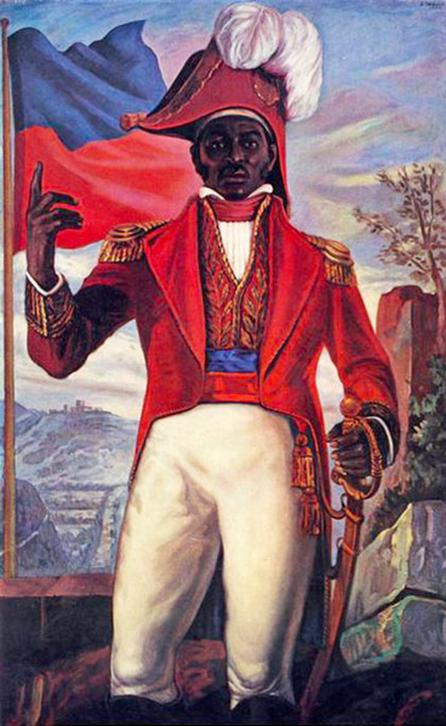
#OnThisDay in 1803, Haitian rebel forces under Jean-Jacques Dessalines & François Capois defeated #France's army at the Battle of #Vertières in the French colony of Saint-Domingue. #Haiti, an independent republic - with slavery abolished - would be declared 1 January 1804. #istwa
Newspapers published during the era of the American Revolution contributed to the perpetuation of slavery. Advertised 250 years ago today: “To be SOLD, A LIKELY healthy slave ... fit for any kind of labour ... enquire of the Printer." (Massachusetts Spy 11/11/1773)