Interested in finding out if bird communities differ between woodland establishment methods? We are looking for someone with woodland bird survey and GIS skills for 6 months in 2024, and many more posts. @RSPBScience@Forest_Research@NaturalEngland
https://t.co/v0KKroHEOj
📢 How can we effectively maintain and enhance forest #biodiversity in #Europe?
Check out the recommendations from #EFIPolicyBrief1 and the full report, carried out by international scientists, published by @europeanforest#PolicySupport.
🔗https://t.co/Kmt0SV4716
The third paper from my PhD is now published, and fully open access in @WileyEcolEvol! If you're interested in reading more about how we explored #Hawfinch diet using DNA metabarcoding then see below!
https://t.co/XpRKmV5bgt
Delighted to say that the second manuscript from my PhD was published today in @RSocPublishing#OpenScience!
If you want to read more about dietary selectivity in #Hawfinch then here is the link to our fully open access paper: https://t.co/vw9qQi2BY6
WE'RE HIRING - Fantastic opportunity for a bird ringer to study breeding Curlew in support of a major conservation project in Wales. Closes 24 Feb. Please RT
https://t.co/ae1smsbwVu
Delighted to launch our new @DiversiTree_UK project at @UK_Treescapes conference. Looking at how an increase in tree species diversity can increase the resilience of our woods.
Agri-environment schemes can significantly increase local bird and butterfly populations. New #OpenAccess paper in @JAppliedEcology https://t.co/Kl1FhvmK8f 1/5
Are you a #researcher working in #forest#ecology? Have you started an exciting new project, published new #research or just looking to tell the us what research your involved in? Let @BESForests help you through our initiative to build a stronger community - Read on!
Pls RT 1/3
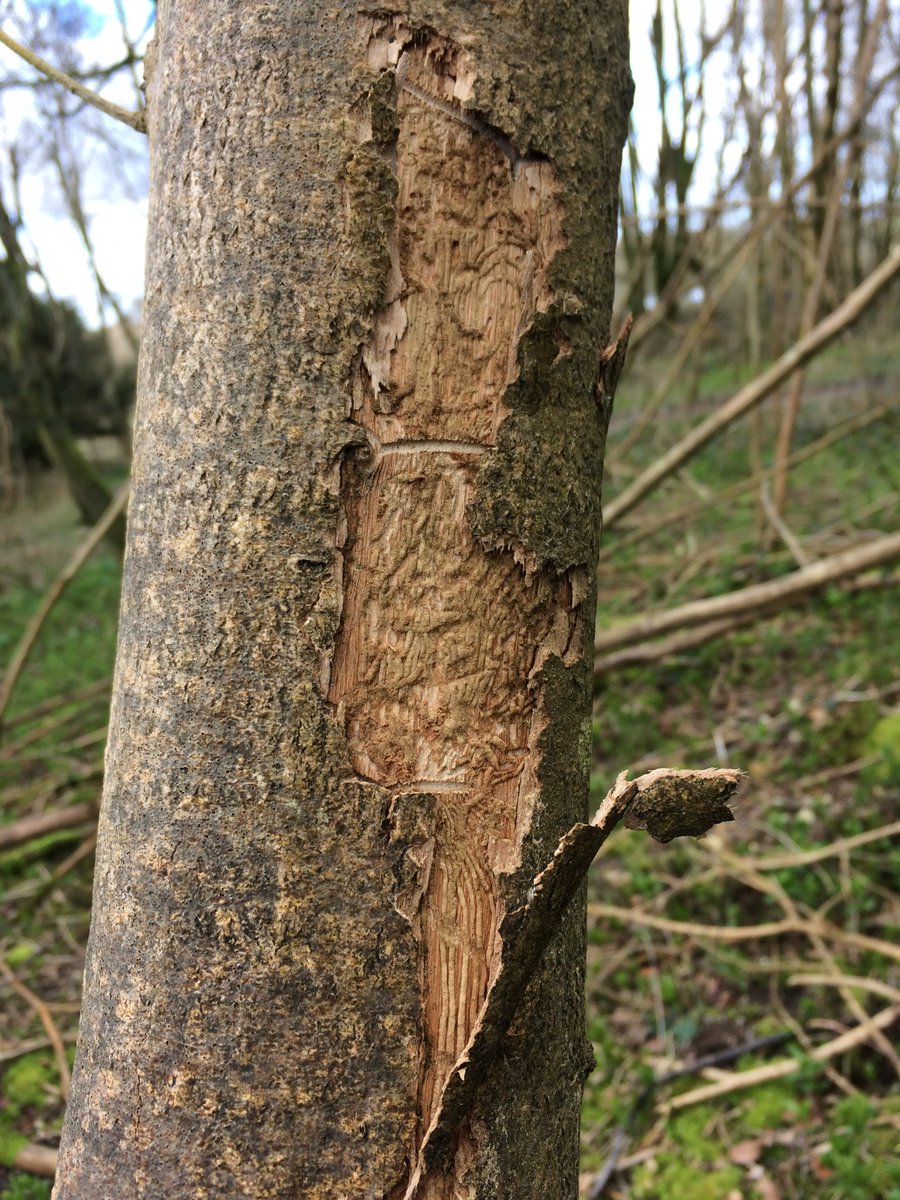
Will Lesser Spotted Woodpeckers benefit from Ash dieback? We recently found Great Spots feeding on bark beetle larvae in these dead Ash trees in Sussex, where Ash dieback is rampant. Will Lesser Spots find this new food source - we hope so, see our blog https://t.co/L0QouNhLUF
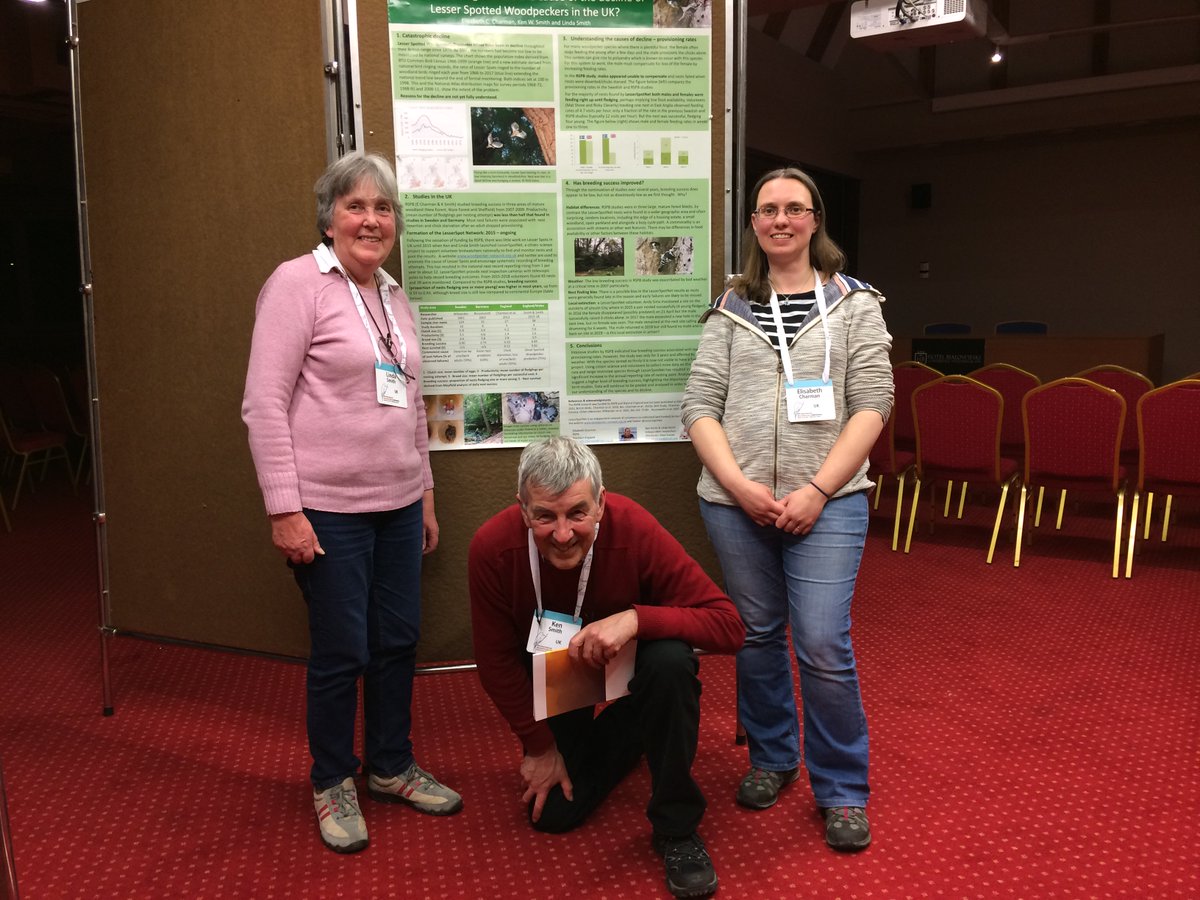
Our conference poster (jointly with @birder09) 'Is low breeding success the cause of Lesser Spotted Woodpecker decline in UK?' presented results from the 39 nests monitored by Lesser Spot Net volunteers and previous @RSPBScience studies, details from poster see our website
Find a Lesser Spotted Woodpecker now - they are at their most conspicuous calling and drumming, please check suitable woodland and contribute your sighting to our LesserSpotNet project - all the details for 2019 on our website https://t.co/IxnVJK7DGX Thanks
Photo by @CDLWildlife