We know that spicing up a learning activity by adding movement can enhance student memory—pairing the word “airplane” with pretending to be one, for example—but do we know by how much?
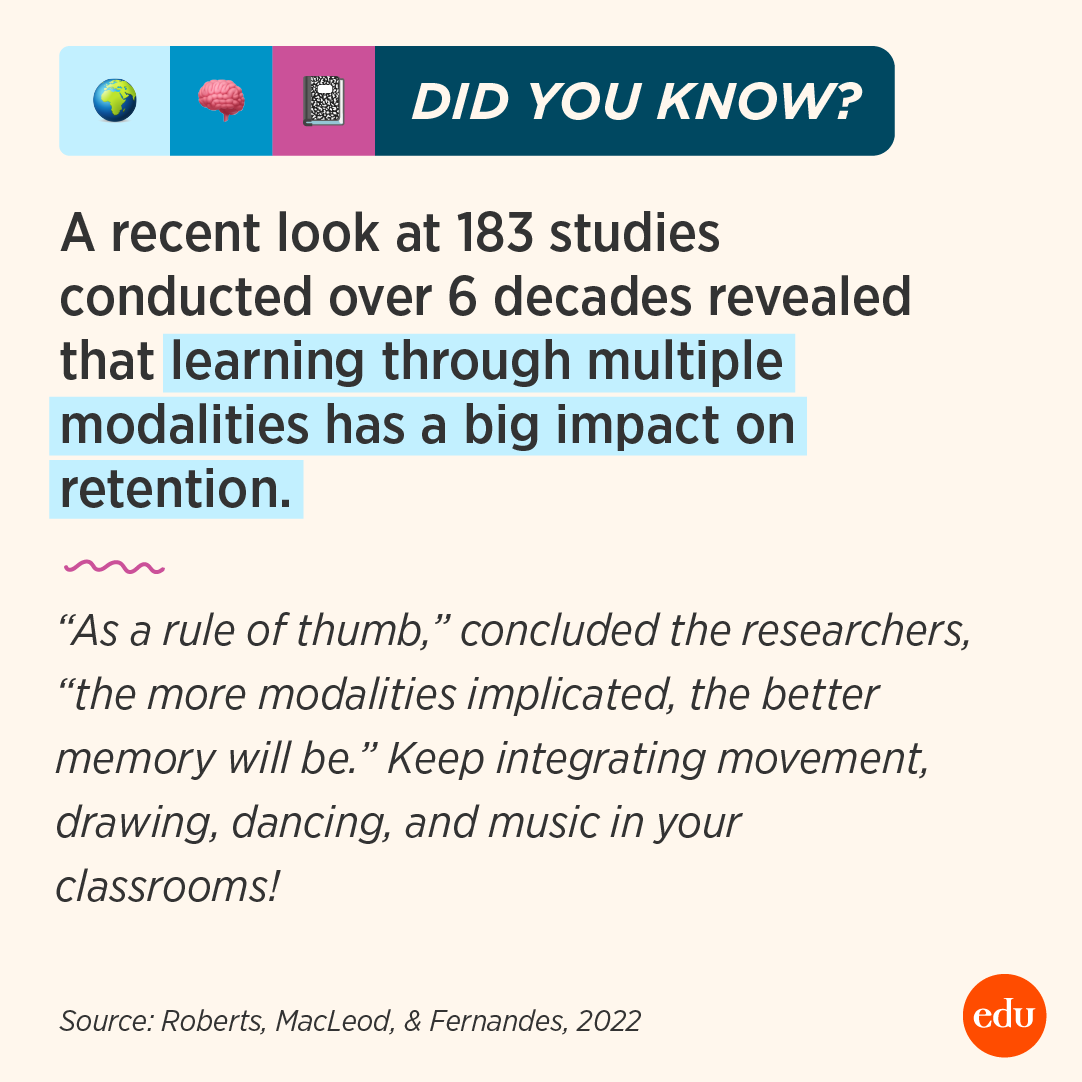
In a 2022 meta-analysis, researchers combed through 183 studies across the last six decades to find the answer. It’s a larger-than-expected bonus: Acting out a word while saying it has an effect size of 1.23, making it a “reliable and effective mnemonic tool” to promote learning.
Inside the brain, cutting-edge neuroimaging technology reveals how combining words and actions generates a more durable network of memory traces in the brain. “As a rule of thumb, the more modalities implicated, the better memory will be,” the researchers conclude.
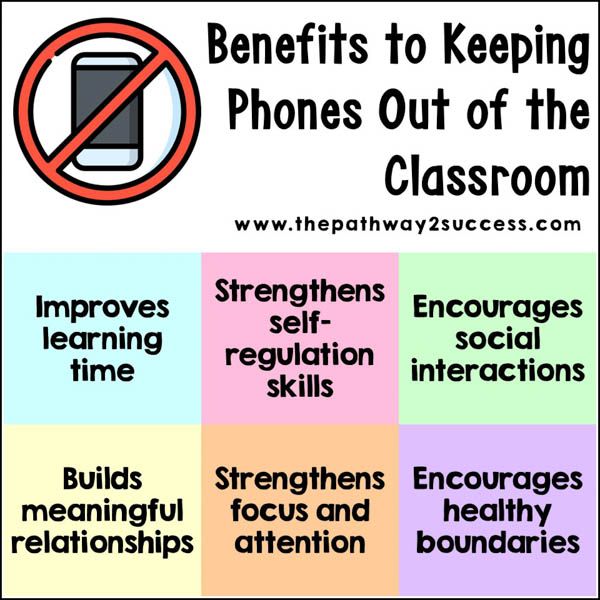
📵 Out of sight, in the zone! 🔒 Discover why creating a no-phone classroom can supercharge focus, boost self-control, and deepen connections—from fewer distractions and power struggles to better learning environments. Curious why fewer notifications means sharper students? Check out these 7 compelling reasons to rethink phones at school! 👇
https://t.co/JxF6rLU0DF via Pathway 2 Success
#edutwitter #teachertwitter #learning