Classic dilemma: to joke or not to joke...
A bit of humor can go a long way in building connection and trust. It also communicates confidence, which audiences will embrace.
That said, you need to use your EQ. Read your audience, understand your goal, and keep it clean.
Don't roll your eyes at 'storytelling' during presentations. It doesn't mean each case study starts w/ "Once upon a time." It means your stories need a hero, a villain, an ally, a conflict, and a resolution. And remember, storytellers run the world.
#presentationskills
Don't get rattled if you stumble during your introduction. A strong close is MUCH more important. Recency bias is real – people attach "greater importance to the most recent event." Think about closing arguments in a trial. So shake it off and finish strong.
Self-deprecating humor. Stop using it! Too many people put themselves down to 'put people at ease.' How about actively listening, being genuinely present, interested, and engaged, or paying them a compliment? Default to building others up as opposed to putting yourself down.
A recent @HarvardBiz article stated people "systematically underestimate" the level of interest others have in their lives. People are genuinely interested in getting to know you. Open up, tell them about the kids. Small talk is more meaningful than you may think. #Communication
Effective presentations need to touch both the analytical and the emotional parts of the brain. Studies suggest we make decisions based on emotion and then use facts and figures to rationalize those decisions. Be aware of this dynamic and design your presentations accordingly.
Presentation is one form of communication! Our focus is on helping learners become impactful overall communicators. Whether it's delivering employee feedback, closing a sale, engaging w/ investors, or speaking with your kids at the table, our programs help you build your skills.
If you don't think slide design matters, you're looking at it the wrong way.
There is an ART and a NEUROSCIENCE to the visual design of your slides. Colors, fonts, images, all strike a tone that impacts the way your audience engages with your presentation.
#visualdesign
Pause words have a purpose. They make you relatable & buy time to process your thoughts.
BUT, beyond 7 to 9 / minute, it's a problem.
Your listeners have a tough time following your message through the fillers and will tune you out.
Keep them to a minimum for better results.
Next time you look in the mirror and think you're not a charismatic speaker, think of Gandhi. A man who would suffer panic attacks before speeches and refer to the "awful strain of public speaking," would later rally 300 million people to his cause through the power of his words.
The best presenters know that slides are (a) cue cards that keep you on track, and (b) visual aids that introduce variety into your meeting. They are not a script.
Limit each slide to one idea, a handful of words, and some nice visuals. The audience should be focused on you.
We all know people don't like silence during a presentation.
Here's the thing - using silence to your advantage is a power move.
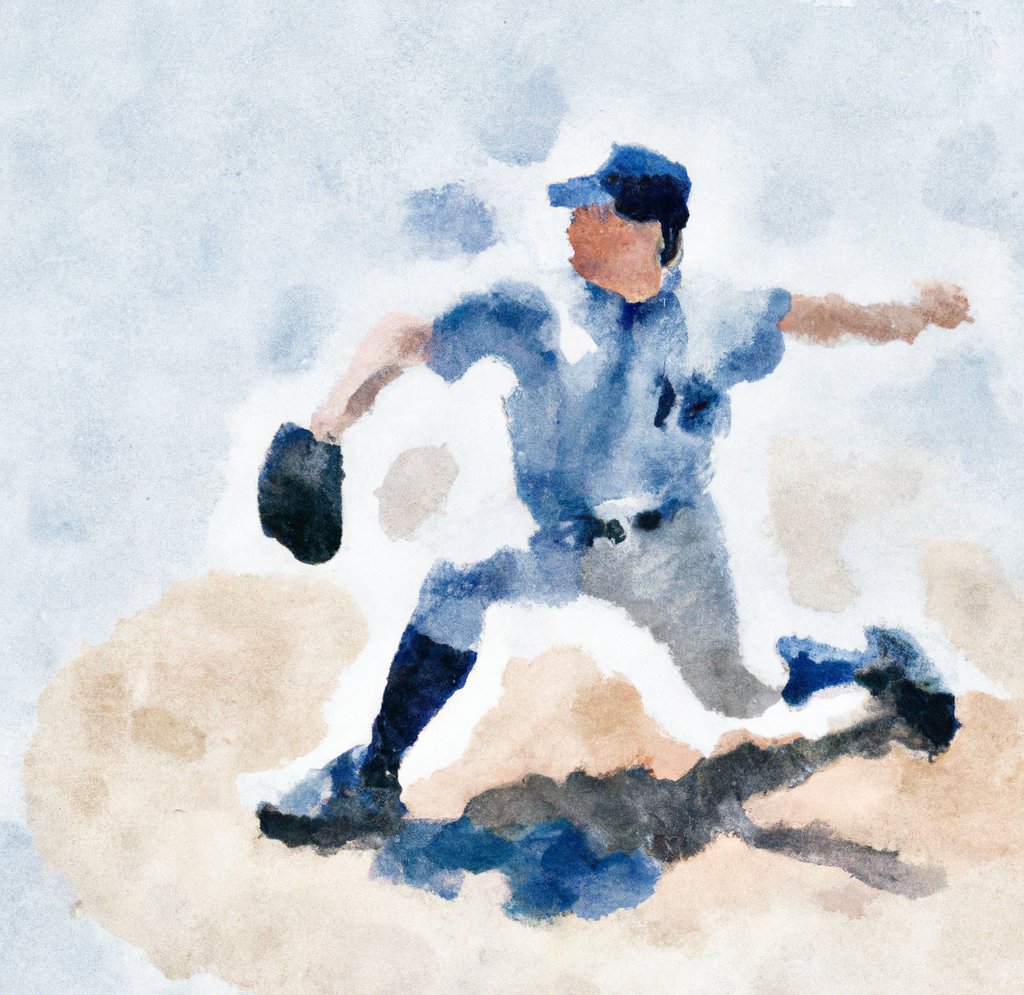
When you're presenting, you're like a pitcher on the mound. NOTHING happens until you decide it does.
Your pause is one of your best pitches.
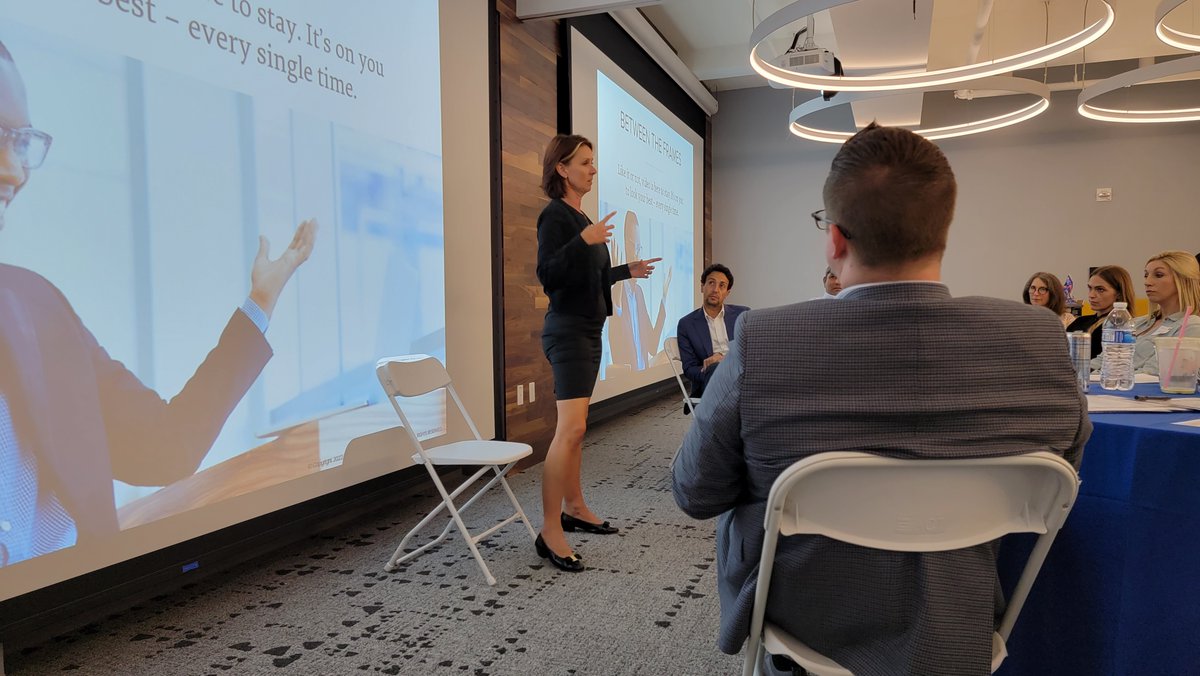
The pelotonRPM team was honored to have the opportunity to participate in the @Colliers Retail Summit in New York last week to discuss personal branding, the art of asking & answering questions, and becoming an exceptional omni-channel communicator.
@pkedrosky I cannot begin to explain how much this bothers me. So much so, in fact, I have often questioned my own logic that constantly yells "...That doesn't make sense!" when I hear someone say "...three times lower than the competitor's yada yada." 🙏
If you know why shitty little Javascript won the programming language war, you'll see which L1s likely win the blockchain war.
The ones with best performance rarely win. The ones easy to get started w/ a large ecosystem inevitably do.
Accessibility + network effect = adoption
@BusinessInsider Ridiculous. High quality video content creation is being democratized more and more each day. There are people who do wonderful work for a small fraction of that cost. The incumbents don't want the brands to know that, but they're figuring it out.