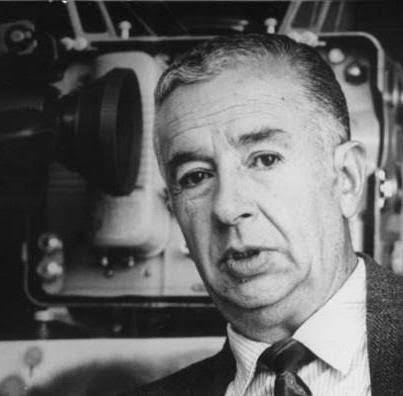
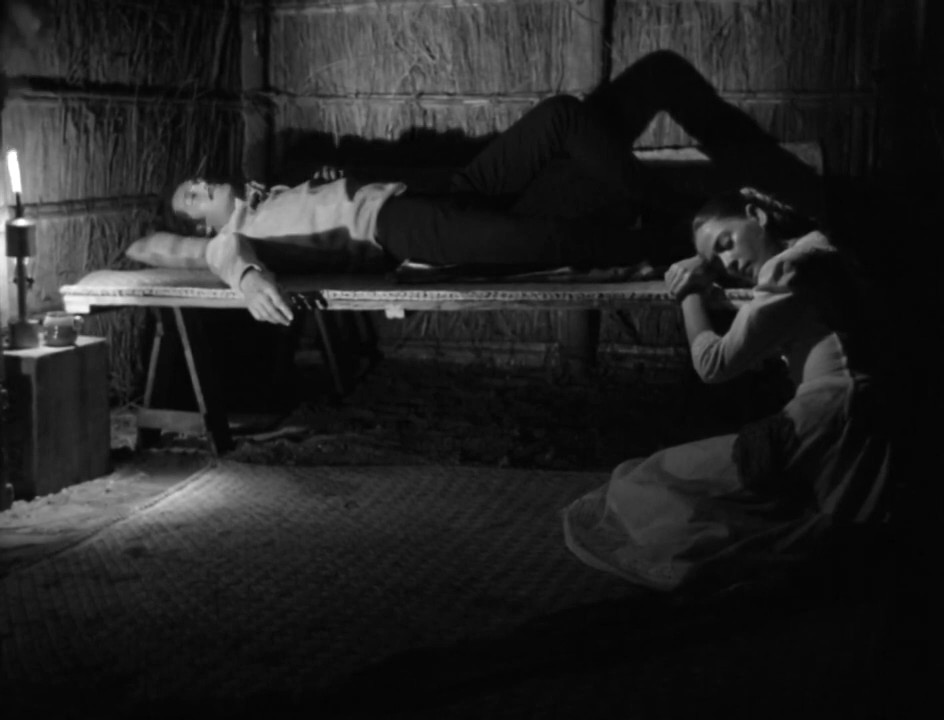
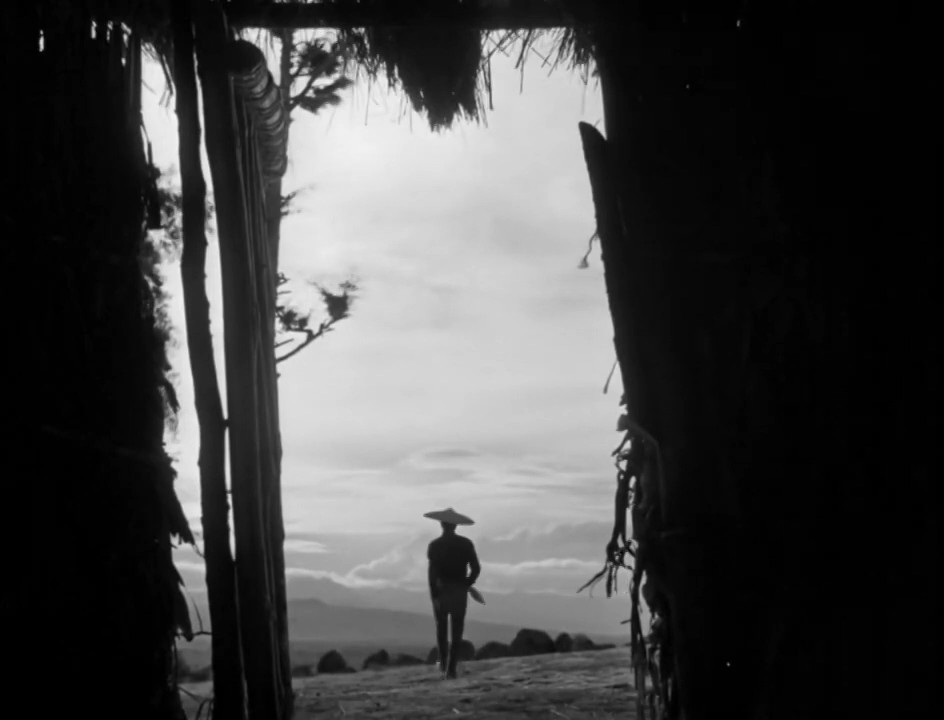
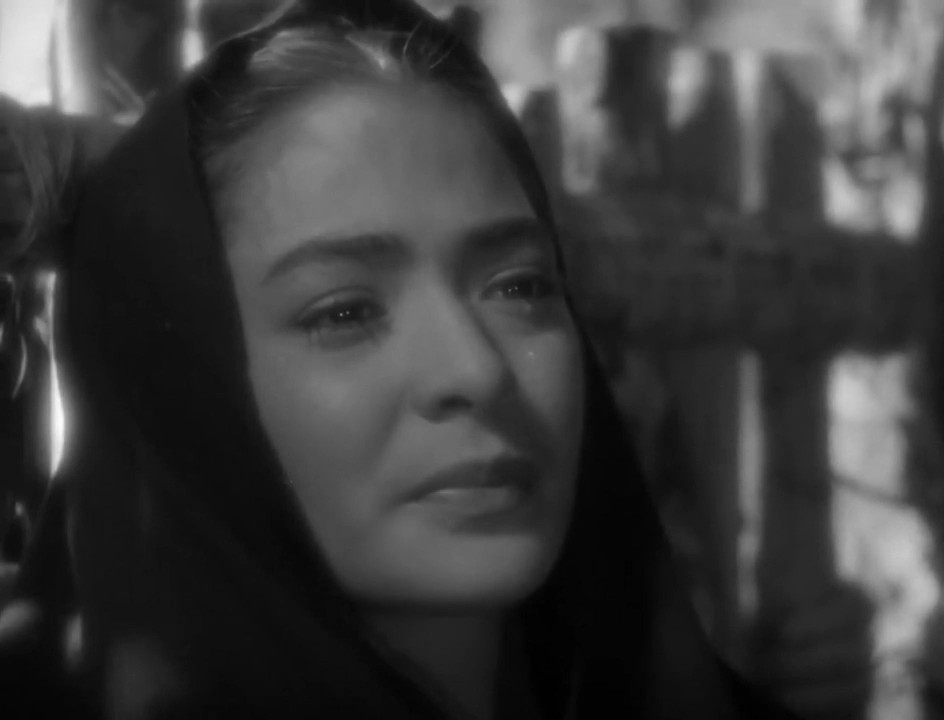
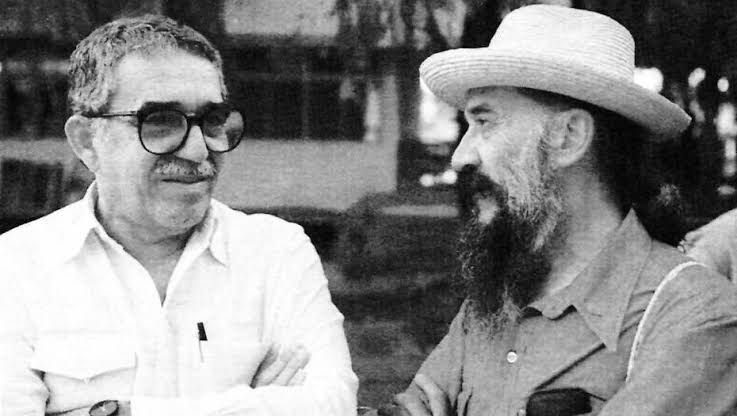
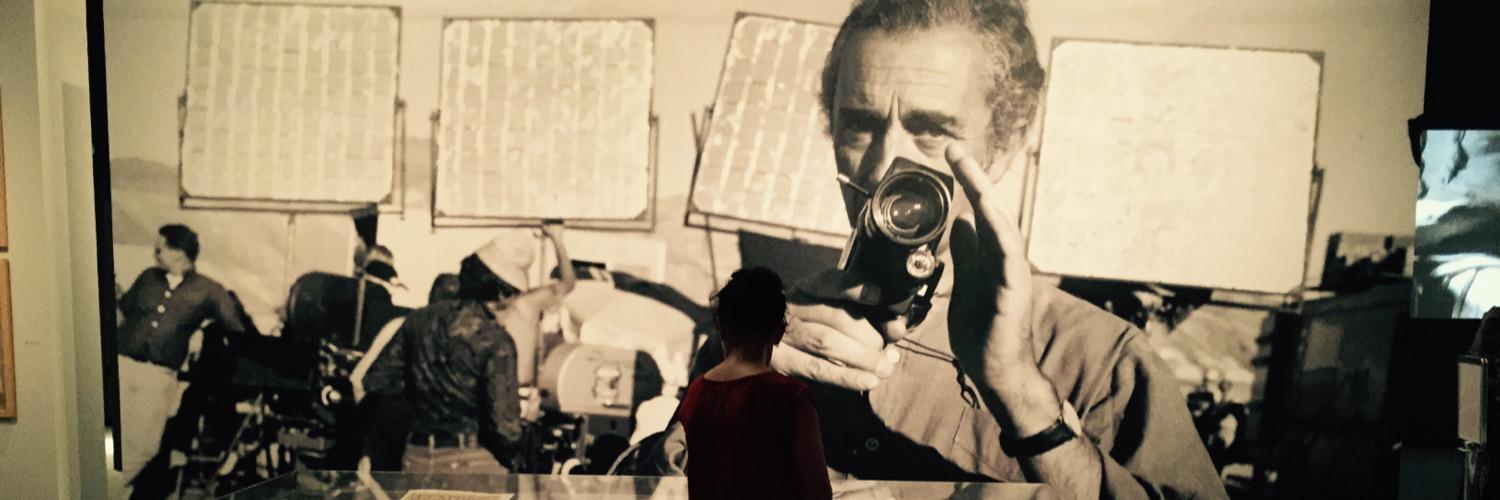
"El arte existe y se afirma allí donde hay una sed insaciable por lo espiritual, lo utópico. Una sed que congrega a todos los seres humanos". Ayer, hace 31 años, perdimos al eterno #AndreiTarkovski. Aquí, en el rodaje de su obra maestra: #Stalker / 1979.
בגלל העניין והחשיבות הציבורית אני ורחלי החלטנו ביחד עם הגרדיאן שהסרט נז״א יהיה נגיש באינטרנט בחינם, ללא הגבלת זמן, כדי שכל אדם יוכל לצפות בו ובעדויות החיילים. זה יקרה בעוד כמה שבועות, בנובמבר, במועד הכי מוקדם שהצלחנו לקבוע. עד אז פנינו לבתי קולנוע בישראל והצענו להם את הסרט ללא עלות, בתקווה שיוקרן בארץ כבר עכשיו, במקביל להפצתו בבתי קולנוע בעולם. הצגתו תהיה החלטה אמיצה אל מול אלימות גדולה שמכוונת להסתרתו. אני יודע שיש ביקוש אדיר לצפות בסרט ואני מקווה שבאופן הזה כולם בקרוב יוכלו לראות אותו: בין אם בבתי הקולנוע ובין אם באינטרנט בעוד כמה שבועות.
הרבה דברים לא נכונים נאמרו עלינו ועל הסרט בשבוע החולף. הסרט מבוסס על תחקיר עיתונאי מקיף של שלוש שנים והפרטים בו מאומתים ומוצלבים. הוא ידבר בעד עצמו והאמת סופה להתבהר.
עשינו את הסרט כדי לעורר דיון ציבורי לגבי המעשים של הממשלה בעזה, ההרג של יותר מ73,000 בני אדם, רובם אזרחים, הנרמול של מלחמת השמדה, של התפיסה ש״אין בלתי מעורבים״. עשרים וארבעה חיילים וחיילות עשו צעד ודיברו מול מצלמה על מה שחברה שלמה לא רוצה לדבר עליו.
ההכרה בזוועות בעזה לא מפחיתה לרגע מהטבח הנפשע של השבעה באוקטובר, שחמאס אחראי עליו, שחיילים מדברים עליו בסרט, ושאין לו שום הצדקה. להפך. הרי ההתעלמות ממה שקורה בעזה היא מהגורמים שסללו את הדרך לשבת הנוראה ההיא. וההתעלמות הזו נמשכת.
עיתונות היא לא בגידה. ביקורת היא לא בגידה. זו חובה של כל אזרח שממשלתו מבצעת פשעים לדעת ושל כל חייל שהיה עד להם לספר. מסתובבים כאן אלפי חיילים כאלה, שיצפו בסרט ויזהו את מה שמתואר בו באופן אישי: את ההרג של אנשים לא חמושים שחוצים קו מדומיין, את אישורי הנז״א במאות, את התקיפות המערכתיות בבתי משפחות, את השריפה וההשמדה הפיזית של עזה, רצח וירי על אנשים רעבים במרכזי מזון ופשעים נוספים שאין להם הצדקה. גם אם זה מפחיד, זו חובתכם למצוא את הדרך להעיד על מה שראיתם. יגידו לכם שכדאי להסתיר את האמת למען הסברה בחו״ל, אבל זה קשקוש. שם יודעים כבר הכל. פשעים לא מסבירים אלא עוצרים. הסתרת האמת קודם כל מרעילה את החברה שלנו ומעל הכל מאפשרת לפגיעה בבני אדם בעזה להימשך.
ובנימה אישית: אני כותב על מדיניות האש של הצבא בעזה בעברית ב״שיחה מקומית״ כבר שלוש שנים. התחקירים זכו להתעלמות בישראל. עכשיו בפעם הראשונה משהו נסדק במסך ההתעלמות - וזה דבר חיובי. זה דבר בריא. כן, זה מגיע עם מחיר אישי גדול. היה שבוע קשה. אבל בתוכו גם יש המון תמיכה, והרבה נדיבות. מה שבטוח: האיומים לא יעזרו. זה לא מרתיע אותנו. אני ורחלי נחזור לארץ ונמשיך להיאבק על עתיד המקום הזה ביחד עם שותפים רבים.
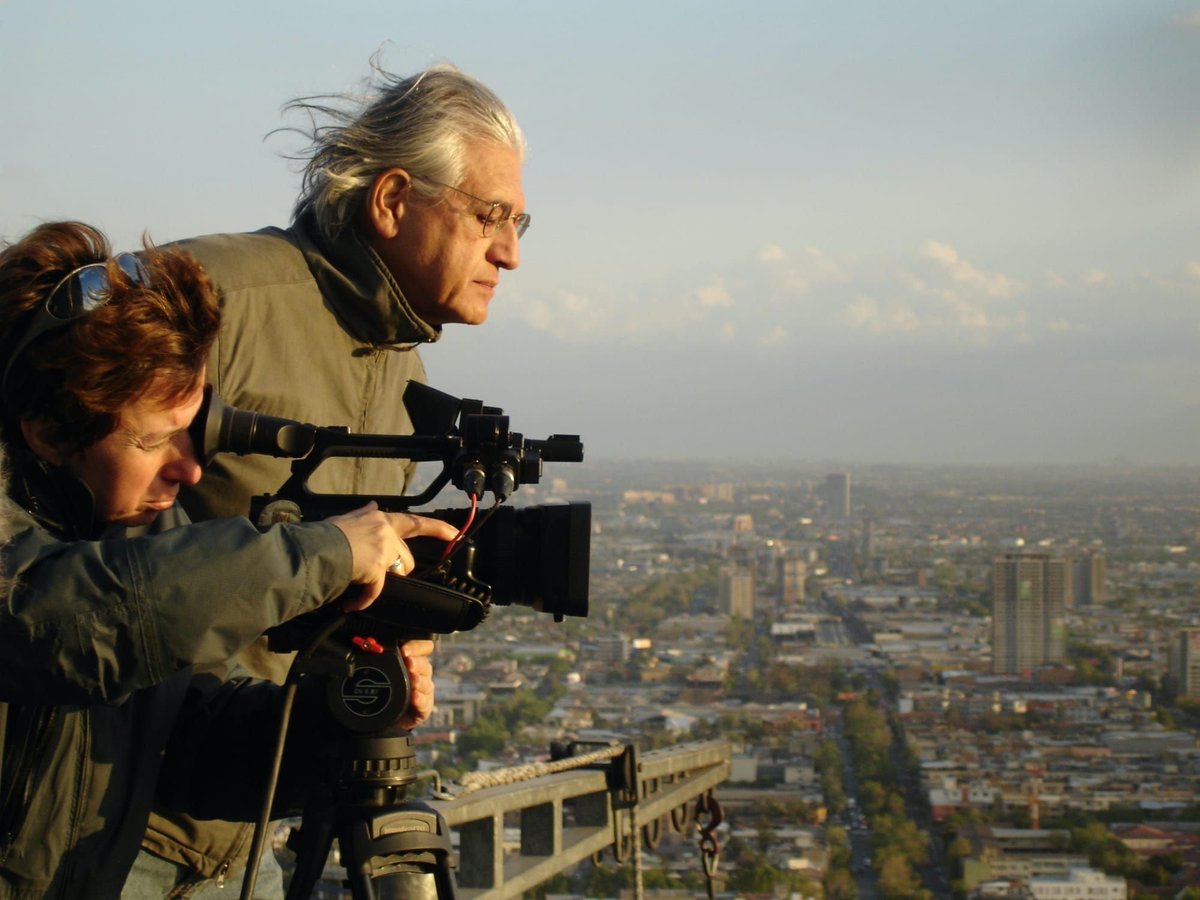
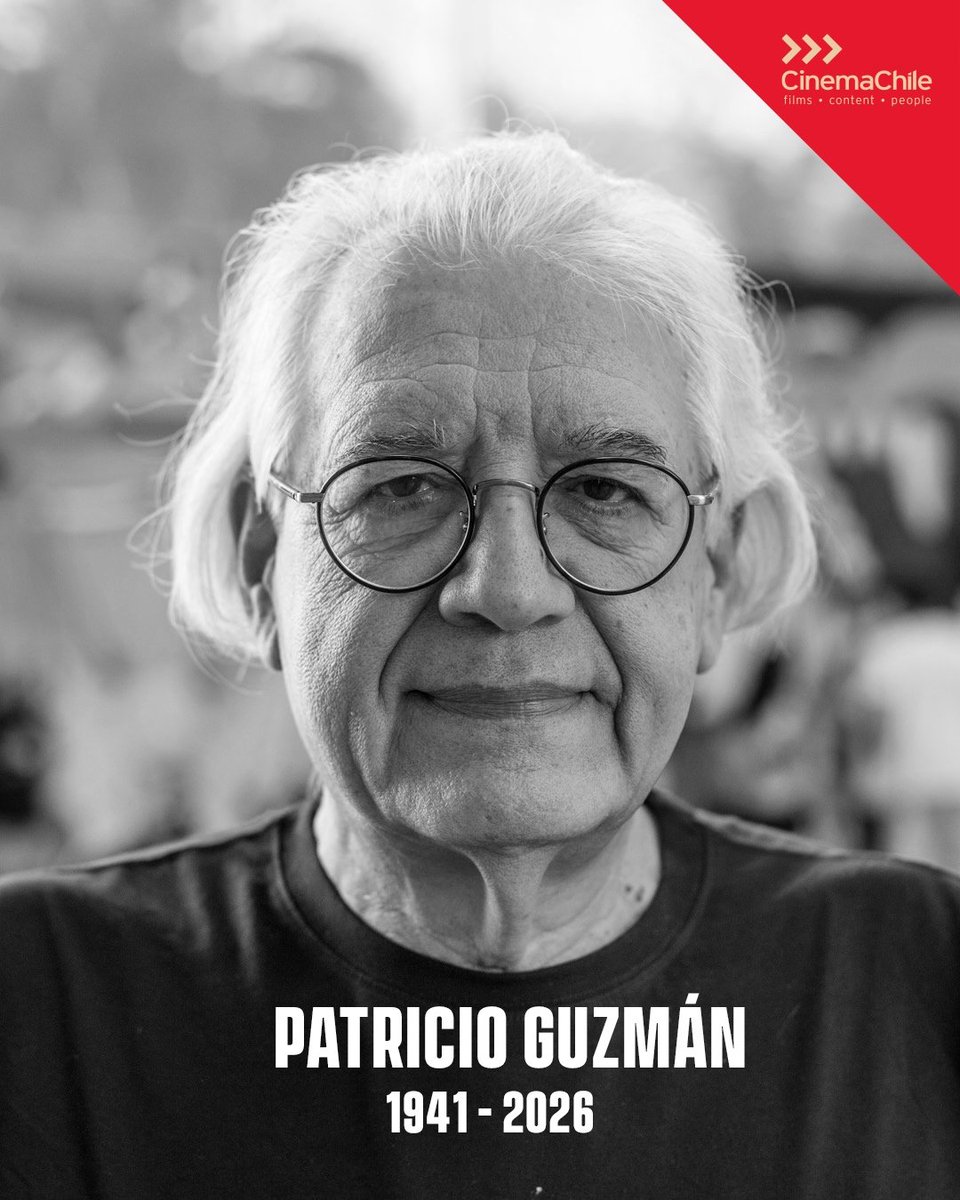
Patricio Guzmán, 1941-2026
The Chilean maker of radically political documentaries, including the landmark Battle of Chile trilogy (1975-79) has died aged 85
In tribute, we republish a 2012 interview on Nostalgia for the Light, a film which connects Chile’s political memory with its landscape (link below)
“Un país sin cine documental es como una familia sin álbum de fotografías”. Con esa frase, Patricio Guzmán condensó su concepción del oficio y también el sentido de una trayectoria que durante más de cinco décadas estuvo dedicada a registrar, interrogar y reconstruir la historia política de Chile. El cineasta murió en París a los 85 años, según confirmó CinemaChile en su cuenta en X.
La noticia deja huérfana a La batalla de Chile, el filme basado en las grabaciones que realizó durante el Gobierno del presidente Salvador Allende y hasta el golpe de Estado del 11 de septiembre de 1973, que llevó al director, guionista, montajista, productor, investigador y teórico del cine, a perseguir las huellas de ese momento durante medio siglo, abarcando la dictadura de Augusto Pinochet, los detenidos desaparecidos y la memoria histórica.
Lee la nota completa en el link 🔗https://t.co/JNi4y6tMGO
Lamentamos profundamente el fallecimiento de Patricio Guzmán, a los 85 años.
Uno de los documentalistas más importantes de la historia del cine chileno y una figura fundamental del cine documental a nivel mundial, Guzmán dedicó su extensa trayectoria a explorar la memoria.
Fotografei Pedro Costa na @Quinzaine em Cannes 2009. Ontem ele recebeu o Prêmio Robert Bresson em Veneza. Reproduzo o seu discurso aqui. Admiro esse cineasta.
“Eu não compreendo o mundo de hoje e nunca o compreenderei. Ainda existem alguns bons filmes, alguns magníficos, certamente poucos, mas a distância entre o espírito e a matéria aumenta cada vez mais. Cesare Pavese dizia que ‘há quem esteja deste lado e há quem esteja do outro lado’. Eu estou deste lado, e isso nunca mudará. O problema é que haja pessoas que nem sequer fazem o esforço de compreender que há posições que é preciso assumir. A maioria dos realizadores presentes nesta Mostra não acredita no valor do cinema. O cinema não é simplesmente fazer um filme, reunir uma equipa e levá-lo de festival em festival. O cinema é outra coisa: é a arte da revolta. Há muitos jovens zangados; o cinema é também uma arte da juventude, e quando o cinema deixa de se confrontar com a realidade, ou se recusa a vê-la, deixa de ser cinema — deixa de existir.”
El maestro #BrianDePalma explica la importancia de mostrar la geografía y ubicación de cada personaje antes de que se desate la acción de una secuencia 👍🏻
Hace exactamente 131 años, el 22 de marzo de 1895, L. Lumière proyectó “La sortie de l'usine”, la primera película de la historia, para unas 10 personas.
Nesta data em 1924, em Sucre, Bolívia, nascia o cineasta Jorge Ruiz Calvimonte. Importante não somente para a Bolívia, mas para a América Latina por dar protagonismo ao povo Andino em sua obra. Uma das bases do cinema nacional boliviano ao lado de Augusto Roca. Ruiz é uma...
1/3
Pier Paolo Pasolini – Agnès Varda – New York – 1967
In questo breve film documentario, Agnès Varda riprende Pasolini a New York mentre passeggiano per Times Square.
Sulla distinzione tra realtà e finzione Pasolini afferma chiaramente che per lui questa distinzione non esiste:
Hoje celebramos Glauber Rocha que nascia em Vitória da Conquista na Bahia, nesta data, em 1939. Aos 22 anos dirigiu seu primeiro longa, "Barravento" e aos 25 anos estava na seleção oficial de Cannes com "Deus e o Diabo na Terra do Sol". Sua obra é um movimento cinematográfico.
Remembering the great Brazilian filmmaker, Glauber Rocha, on his 87th birthday!
Glauber Rocha talks about the spirit of Cinema Novo:
"Cinema Novo is a phenomenon of colonized peoples everywhere and not a privilege of Brazil. Wherever there is a filmmaker prepared to film the truth and oppose the hypocrisy and repression of censorship, there will be the living spirit of Cinema Novo.
Wherever there is a filmmaker prepared to stand up against commercialism, exploitation, pornography, and the tyranny of technique, there will be the living spirit of Cinema Novo.
Wherever there is a filmmaker, of any age or background, ready to place his cinema and his profession at the service of the great causes of his time, there will be the living spirit of Cinema Novo.
This is our definition and through this definition, Cinema Novo marginalizes itself from the industry, because the commitment of Industrial Cinema is to lies and exploitation."
Clip from:
Entranced Earth (1967)
Director: Glauber Rocha
(Quote from: "The Aesthetics of Hunger" by Glauber Rocha)
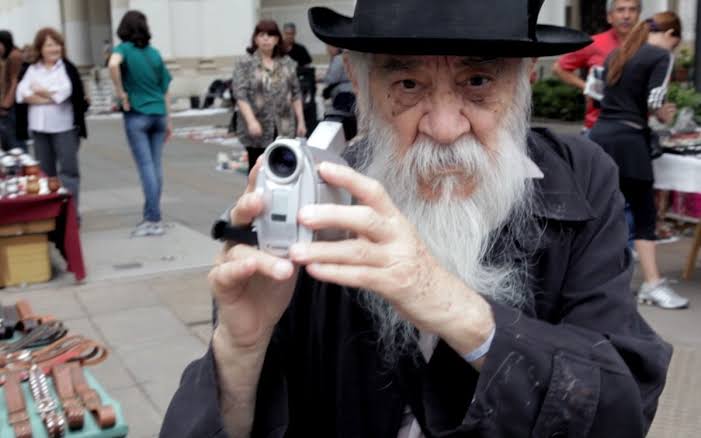
Nascia em 13 de março de 1925 em Santa Fé na Argentina o cineasta Fernando Birri. Considerado o pai do "Nuevo Cine Latino Americano" que influenciou toda uma geração de jovens realizadores. Nos deixou em 2017 com um legado, a "utopia". Seguimos caminhando.
Segue...
1/2