Disclaimer: All content by a licensed pharmacist.
Healing starts when you start demanding answers.
Peptides are the future of medicine, learn the science here.
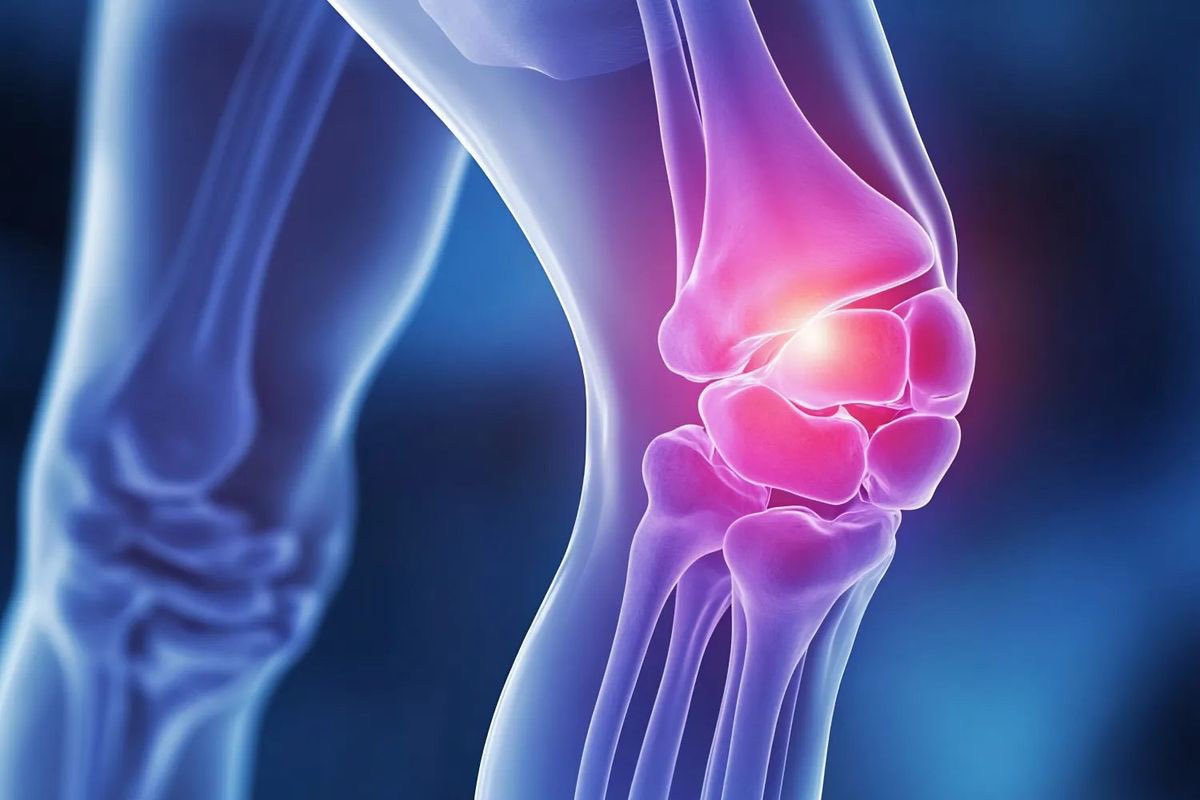
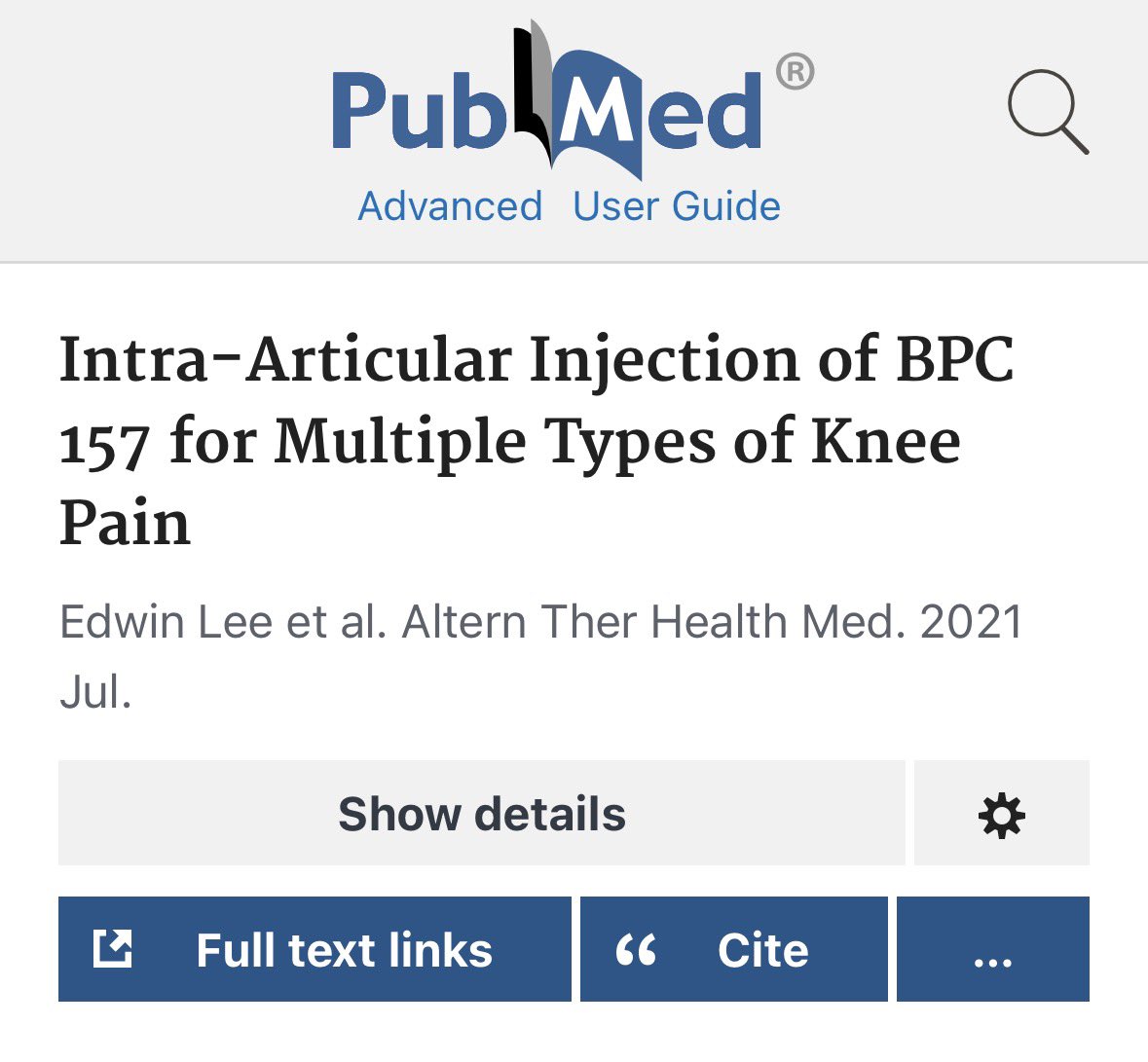
BPC-157 was tested on HUMAN knees. Not rats. Humans.
16 patients. Real knee pain. Osteoarthritis. Meniscus tears. Ligament damage.
Their doctors gave them two options: cortisone or surgery.
They got BPC-157 instead.
90% reported pain relief. Not for a week. Not for a month. Past 6 MONTHS.
(PMID: 34324435)
Every time someone says “it’s just rat studies” — show them this.
Cortisone numbs pain for 3 weeks then BREAKS DOWN the collagen holding your knee together. You pay $500 to accelerate the damage.
Surgery costs $15,000-50,000. Months of recovery. And most knees are never the same.
BPC-157 grows new blood vessels into the damage. Builds fresh collagen. Activates repair your body stopped sending.
→ 90% pain relief past 6 months
→ no surgery
→ no cortisone
→ no side effects reported
→ a peptide your stomach already makes
16 patients. 90% success. Published. Peer-reviewed.
Your orthopedic surgeon charges $30,000 and gives you a 60% chance.
BPC-157 cost a fraction and hit 90%.
That’s not even the craziest thing BPC-157 has done. Check the comments.
Your gut has 500 million neurons
It regulates mood, immunity, inflammation, and skin. Damage it and everything else breaks down.
Heal it and everything else follows.
This is why peptides work when nothing else does🧬🎯
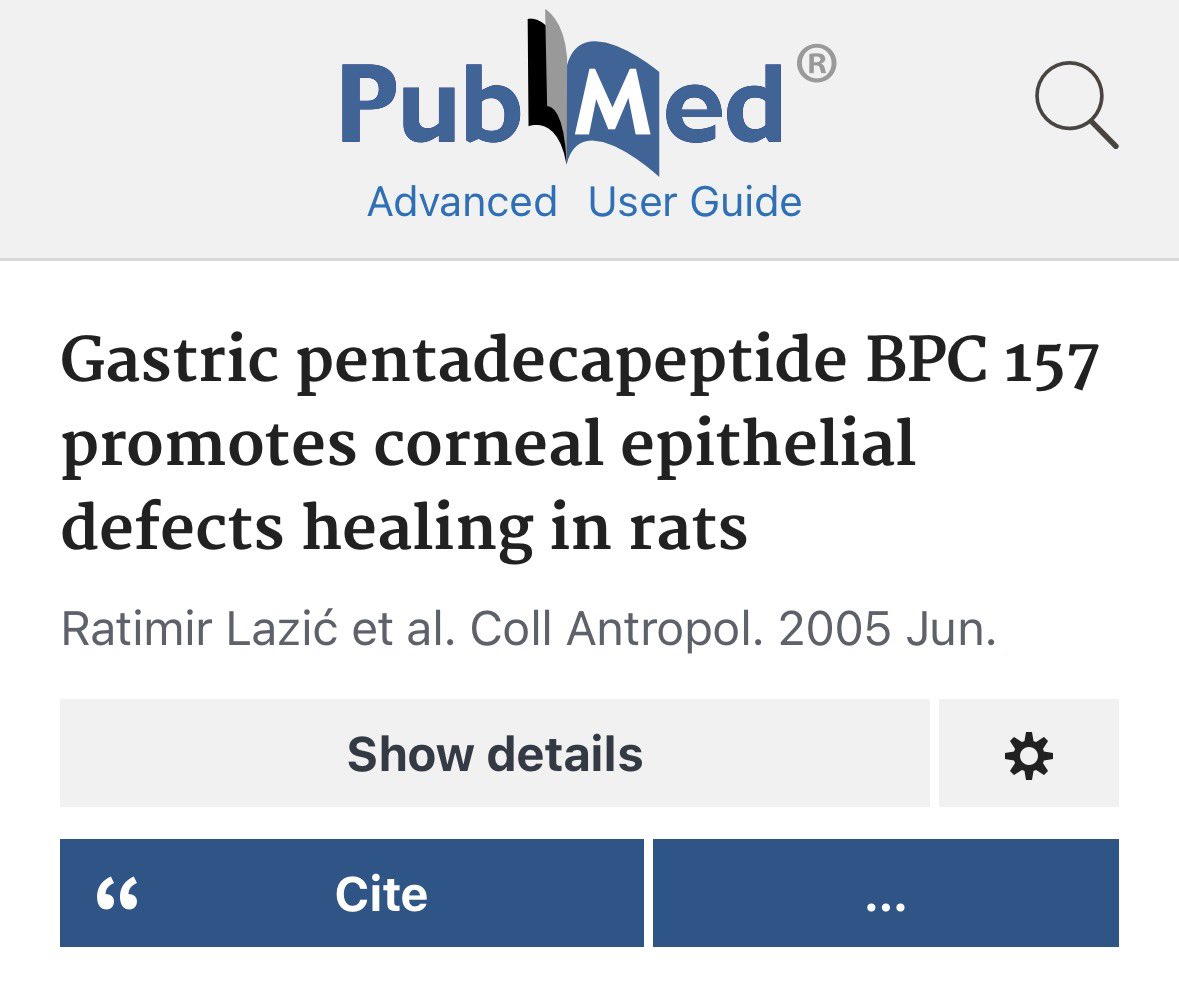
BPC-157 healed a rat’s eye after they CUT through the cornea with a surgical knife.
Not a scratch. A full puncture through the front of the eye.
BPC-157 given every 8 hours:
→ wound closed completely by 72 hours
→ cornea went from cloudy back to clear
→ zero scar tissue
→ zero abnormal blood vessel growth
The untreated rats? Still cloudy. Still scarred. New blood vessels growing into the wound making it worse.
(PMID: 16117343)
Then they tested it on everything else in the eye:
→ glaucoma — pressure normalized
→ retina damage — integrity maintained
→ pupil function — recovered
→ corneal ulcers — closed
→ dry eye from removed tear glands — healed
(PMC: 10385428)
A peptide from your stomach juice healed an eye that was cut open.
Your eye doctor says dry eye is something you “manage.” Your glaucoma drops control pressure but never fix the damage.
BPC-157 did both. In rats.
500+ studies. Not one ophthalmologist knows about it.
That’s not even the craziest thing BPC-157 has done. Check the comments.
If peptides didn’t produce real results, there wouldn’t be such a massive underground demand for them.
Feels like we’re only scratching the surface of what these signaling molecules might eventually do for human performance and health.
People have been testing, experimenting, getting real results, and slowly understanding how their bodies actually respond to different peptides. I honestly think it’s only a matter of time before this becomes far more normal and widely understood.
I want to talk about some common mistakes being made when dosing peptides. ⚠️
Thinking the highest dose = the best outcome. Signaling compounds are about precisely targeting receptors, genes etc. to perform an action.. more aggression is not nescessarily better.
A dose that’s too high = side effects. Too much too fast can create more problems than progress.📉
However a dose that’s too low won’t achieve any noticeable effect either.
So how can we determine a dose?
Individual animal studies use mg per kg of body weight, but you can’t apply rat doses from animal clinical trials directly to humans. The conversion has to account for differences in body surface area between species…
Example:
In an animal clinical trial, a rat weighing 400g is dosed at 1mg/kg so it receives 0.4mg total (of the peptide).
To convert to a human equivalent, divide by 6 (the standard rat to human body surface area factor).
0.4mg ÷ 6 = 0.067mg, or 67mcg for a 70kg human.
Remember some protocols need time to build effect so remain patient ⏳
Keep in mind that the response depends on individual physiology. 🧬
The smart route is track, adjust carefully and stay consistent 🔁
For educational/research purposes only.
@WorldPeptide@Power_plays_ Yes! There are a few Phase II trials underway for IBD and wound which are furthest along. Timeline is still unclear but the preclinical data is strong enough that results will be worth watching closely. I’ll be covering updates as they drop 👀
Diet removes the fuel. However chronic candida and parasitic infection leave the gut lining damaged, and even after the organisms are cleared, the inflammation stays for a long period. Most people don’t even know they need to address these issues. Once they’re clear BPC-157 accelerates mucosal repair and aids in clearing the residual inflammation that lingers. Worth a shot if nothing else has worked out.
If you’ve been handed the same cream for a decade with no explanation, you were never given the full picture. I believe in fixing the root cause first. Follow for the conversation mainstream medicine isn’t having.💭
Topical steroid withdrawal is real 🚨
The skin thins and the barrier weakens further. The rebound flares get worse than the original condition. They call it Topical Steroid Addiction.
The medical system still denies it exists. 🤐
The medical system’s answer to a broken immune response was always to suppress it harder, but never to question why it broke in the first place. BPC-157 is being researched for exactly this reason to aid gut barrier restoration, immune rebalancing aswell as tissue repair.
BPC-157 helps the brain by:
• Rebalancing dopamine and serotonin
• Protecting neurons from damage
• Reducing anxiety via GABA regulation
• Improving the gut-brain connection
• Supporting recovery after brain injury
All from animal research. Human trials are limited but the mechanisms are solid.
@BohumilRajchl@ThePOTSPostman For POTS, a subQ (under the skin) injectable is the stronger case. Generally subQ is also better for other cases, as the compound isn’t broken down in the digestive system.🙏🏼 Let me know if you have any other questions.