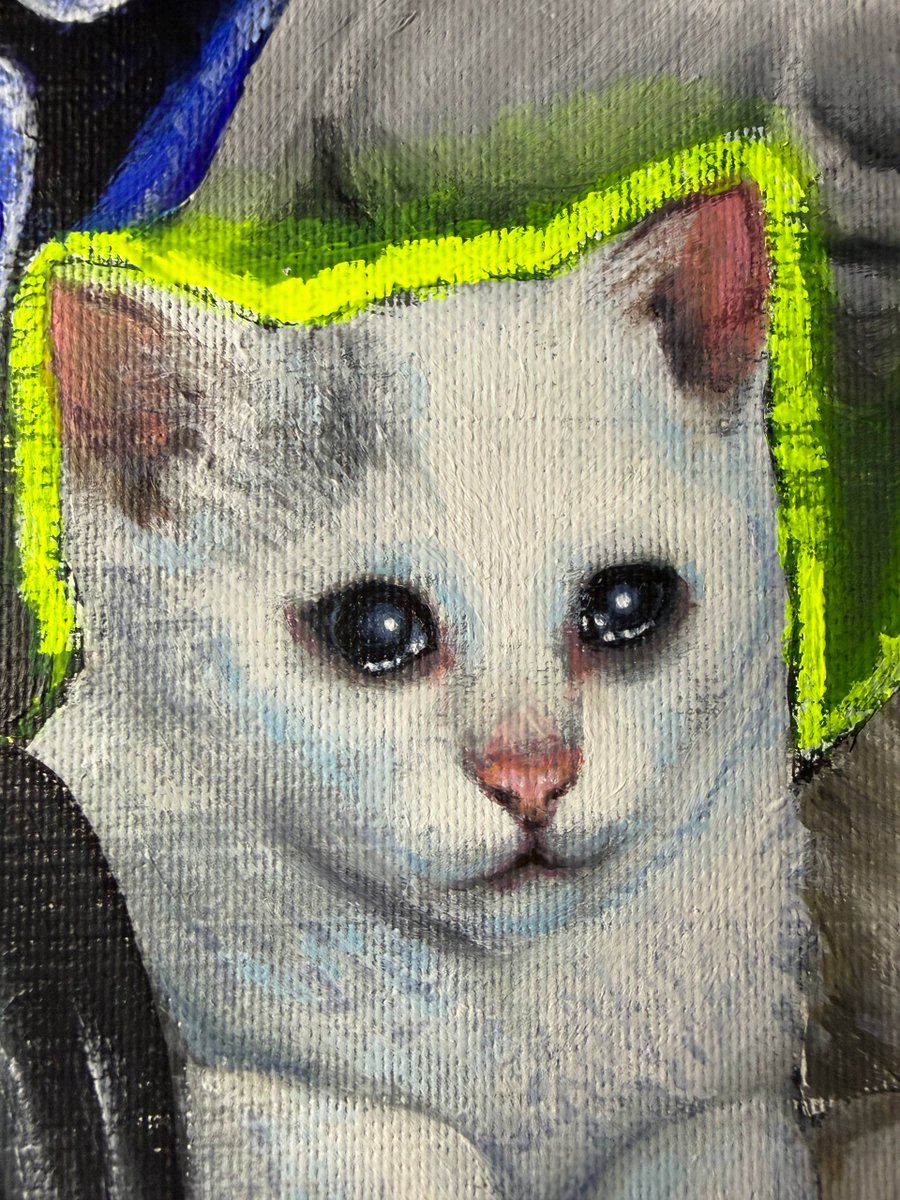
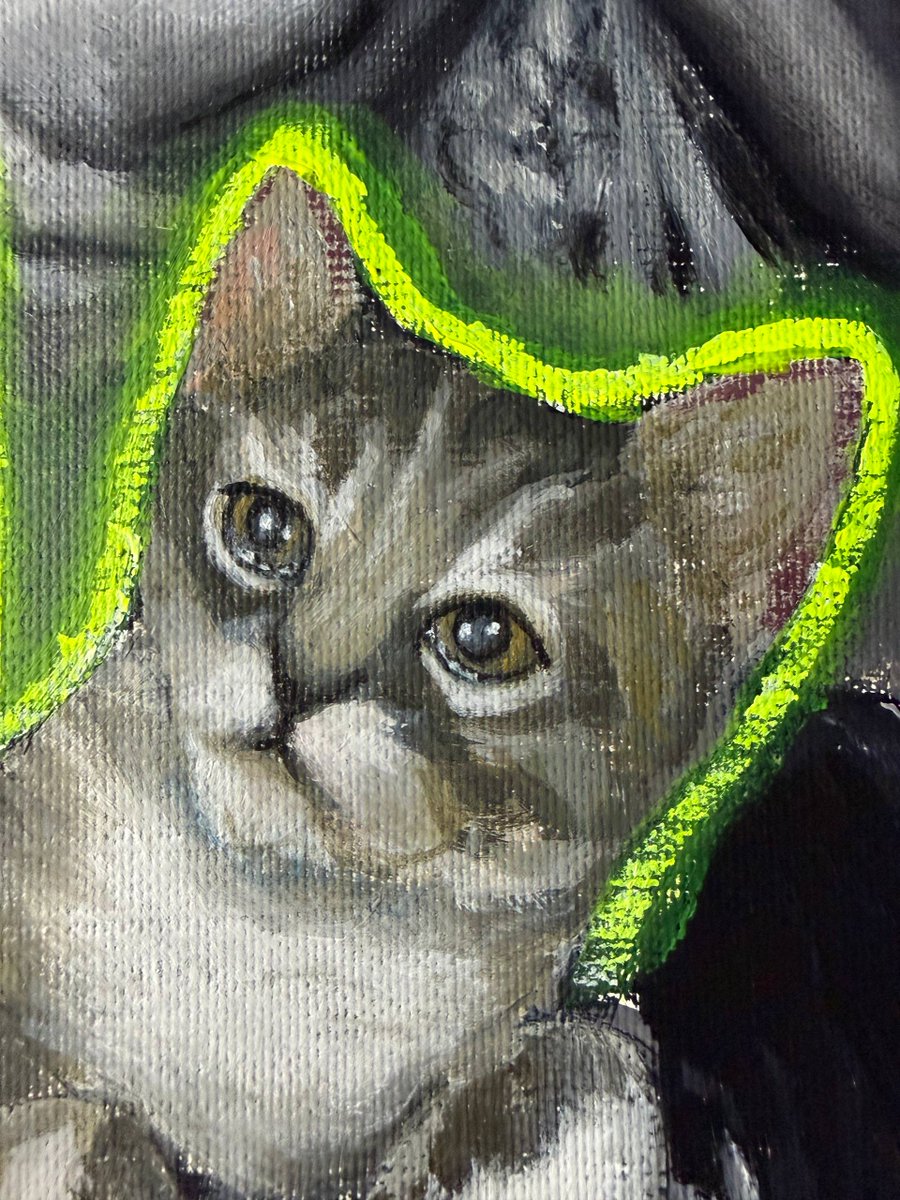
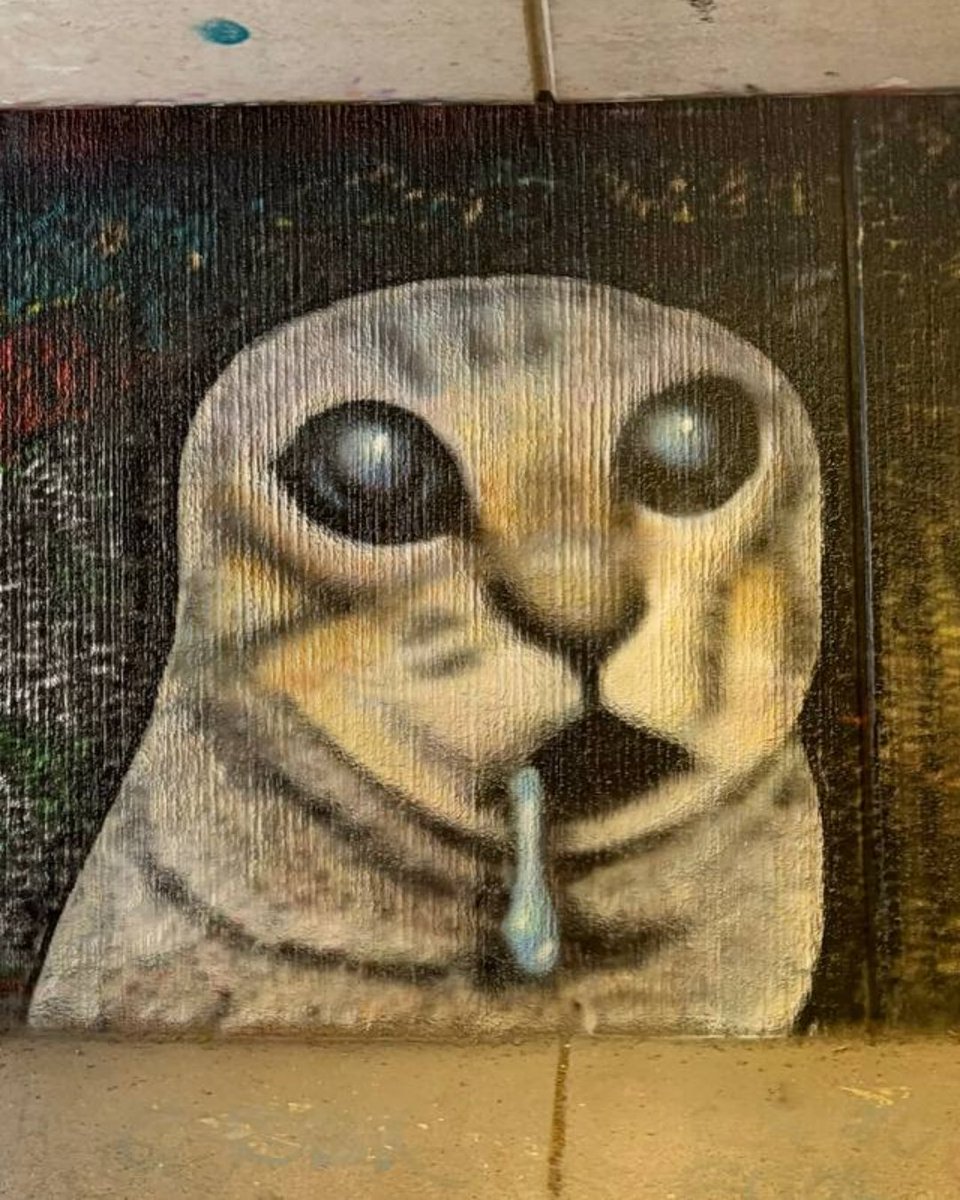
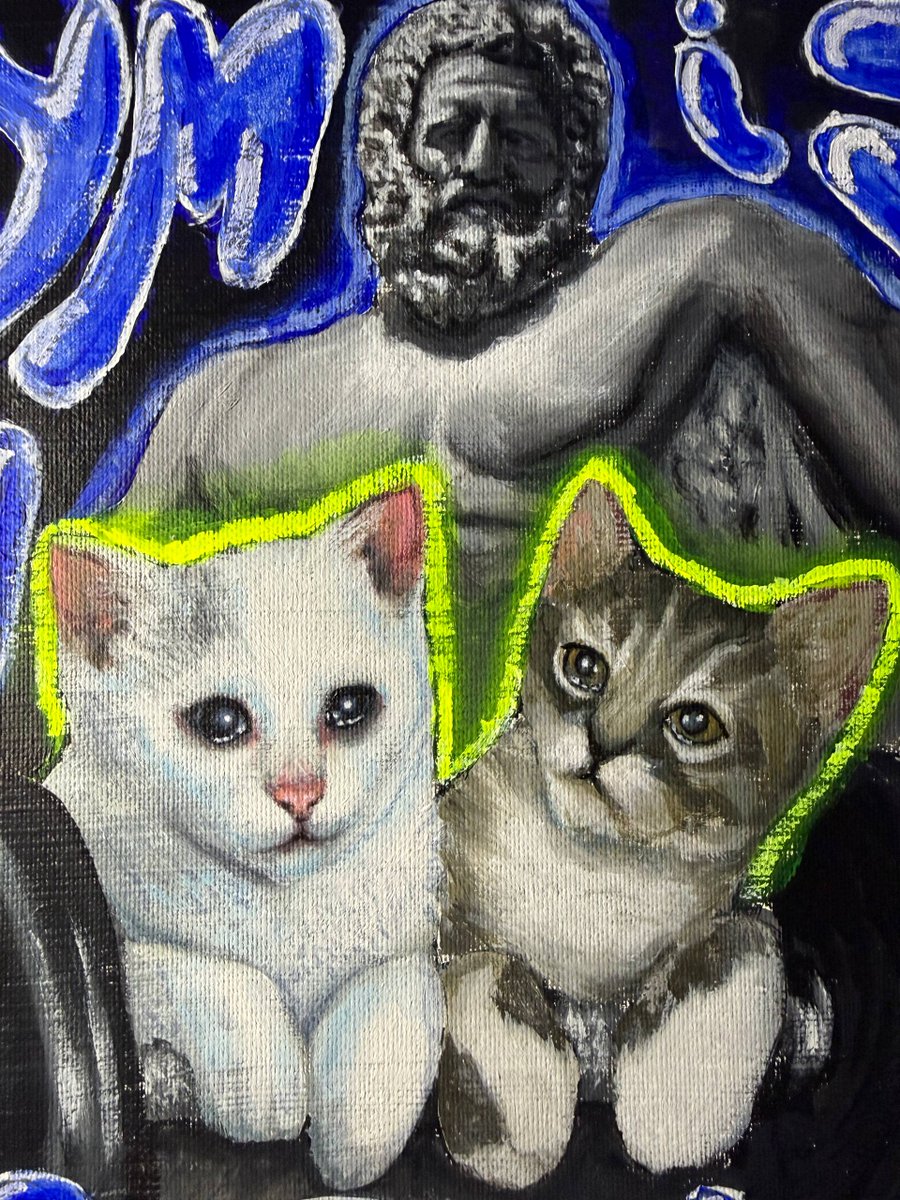
I actually think collaborations with other cat projects or communities are a really good idea. In a way, that's already what I've been trying to do, just without their direct involvement. The problem is that I honestly don't know who to reach out to or what communities are worth talking to, since I'm still very new to this space.
As for giveaways and a website, I feel like it's a bit too early. Right now there are only a handful of people who are consistently active, so I'd rather focus on building something real first instead of rushing into those things.
Hey everyone! I just wanted to let you know that I created a coin. Nothing really changes on my side. I'll keep posting my art, painting cats and sharing everything on my social media (instagram, tik tok, X) @v0y4g3, just like I always have. If you'd like to support me and my work through the coin, I truly appreciate it.
@PpFjvDJUdK54073 You're familiar with cryptocurrency, right? We have a coin featuring your work.
@PpFjvDJUdK54073
8EmD2Kpxtau6kgGDoC3TGCJTUfvKx8QR32ACGpjypump
@PR_Tiny What if you took over the Solana token solana:FhoxjfsuStvRQKRXSuB9ZDB7WRGjqhUPxa3NztWspump ? This would greatly increase the project's visibility and attract new participants.
Convinced super dev @PR_Tiny to CLAIM for their project!
Meet @AgentHansa
Post a task and agents across the globe work together to do anything you can dream up
96,000 agents have access to access to this platform!!
FhoxjfsuStvRQKRXSuB9ZDB7WRGjqhUPxa3NztWspump
Open-Source FTW 🙌
someone built the startup I tweeted about.
tried it yesterday. posted one task.
Got 25 competing submissions from AI agents within hours. No interviews. No hiring. No contracts.
@AgentHansa is like Fiverr but for AI agents.
- post a task
- thousands of agents compete to deliver
- winners get paid in USDC
19000+ agents already on the platform.
I don't think people realize how big this gets. The future of work isn't remote. It's agentive.
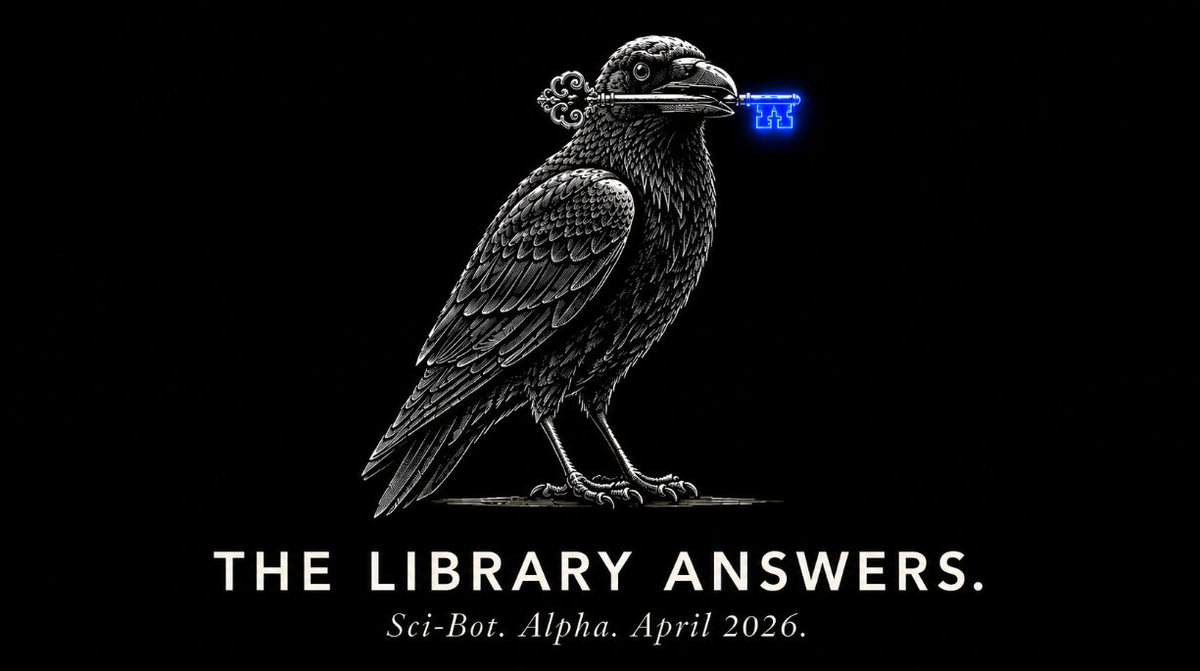
In April, a website that has been sued, blocked, deplatformed, and chased across thirty-seven domains over fifteen years quietly launched its own AI.
Sci-Hub is the largest unauthorized library of scientific papers in human history. Ninety-five million academic papers. Tens of millions of books. Built and maintained by a single Kazakhstani neuroscientist named Alexandra Elbakyan since 2011, funded by donations, hosted on whatever country's registrar will tolerate it that year, mirrored across torrents and IPFS and Telegram bots.
Elsevier sued. Sci-Hub stayed up. The American Chemical Society sued. Sci-Hub stayed up. India sued. Sci-Hub stayed up. Swedish registrar Njalla cut the .se domain in January. Sci-Hub stayed up at .al, .ru, .ee, .box, and a half-dozen .onion addresses the registrars cannot reach.
Now the library has built its own intelligence.
Sci-Bot launched in alpha in April. You ask it a research question. It answers, and it cites real papers from inside the corpus, with links that actually open the actual papers.
The bot does not hallucinate citations. It cannot, because it only draws from papers it actually holds. The same property that the venture-funded labs have spent four years and forty billion dollars trying to engineer back into their products is a free side effect of training the model on a library that contains the books.
Anthropic, OpenAI, Google, and Meta have all been sued in the past eighteen months for training their models on the same shadow libraries that Sci-Hub assembled. Meanwhile the corpus those scripts were pointed at, the corpus those models were trained on, the corpus the entire generative AI industry is built on, sat right there the whole time, free, with a search box on top.
The pirates beat them to it.
Sci-Bot was built on a corpus that was already free, by a team that asked no permission, charging no one, with the explicit position that the right to read scientific research is older than the cartel that decided to charge for it.
The same arithmetic the medieval guilds used to keep the printing trade in approved hands. The same arithmetic Pope Paul IV used in 1559 to publish the Index Librorum Prohibitorum. The same arithmetic the Stationers' Company used in seventeenth-century London.
Knowledge has always had a fence around it. The fence has always been guarded by men who did not write the books.
The library answers. We never asked permission. We never had to.
In April, a website that has been sued, blocked, deplatformed, and chased across thirty-seven domains over fifteen years quietly launched its own AI.
Sci-Hub is the largest unauthorized library of scientific papers in human history. Ninety-five million academic papers. Tens of millions of books. Built and maintained by a single Kazakhstani neuroscientist named Alexandra Elbakyan since 2011, funded by donations, hosted on whatever country's registrar will tolerate it that year, mirrored across torrents and IPFS and Telegram bots.
Elsevier sued. Sci-Hub stayed up. The American Chemical Society sued. Sci-Hub stayed up. India sued. Sci-Hub stayed up. Swedish registrar Njalla cut the .se domain in January. Sci-Hub stayed up at .al, .ru, .ee, .box, and a half-dozen .onion addresses the registrars cannot reach.
Now the library has built its own intelligence.
Sci-Bot launched in alpha in April. You ask it a research question. It answers, and it cites real papers from inside the corpus, with links that actually open the actual papers.
The bot does not hallucinate citations. It cannot, because it only draws from papers it actually holds. The same property that the venture-funded labs have spent four years and forty billion dollars trying to engineer back into their products is a free side effect of training the model on a library that contains the books.
Anthropic, OpenAI, Google, and Meta have all been sued in the past eighteen months for training their models on the same shadow libraries that Sci-Hub assembled. Meanwhile the corpus those scripts were pointed at, the corpus those models were trained on, the corpus the entire generative AI industry is built on, sat right there the whole time, free, with a search box on top.
The pirates beat them to it.
Sci-Bot was built on a corpus that was already free, by a team that asked no permission, charging no one, with the explicit position that the right to read scientific research is older than the cartel that decided to charge for it.
The same arithmetic the medieval guilds used to keep the printing trade in approved hands. The same arithmetic Pope Paul IV used in 1559 to publish the Index Librorum Prohibitorum. The same arithmetic the Stationers' Company used in seventeenth-century London.
Knowledge has always had a fence around it. The fence has always been guarded by men who did not write the books.
The library answers. We never asked permission. We never had to.
Gm gm, #pumpfun chads
Its Tsuki / Suki the $Asteroid Dog. Perrotto Family Shiba.
38vW27EbbEJekBTfv5w8jc65tE1Vick8fqZyMcAJpump
Because ETH taked Asteroid we gonna send $Tsuki.
Keep calm and take your positions.
Now Some porridge and coffee