@MichaelHenehan see www.bristol(delete this bit with the brackets).ac.uk/earthsciences/courses/postgraduate/research-projects/ ... the only way I can get X to provide links 😠
The 2nd PhD project within @PETRARCHproject is still open for applications! Deadline 14th Feb. Come work within a vibrant team at @UoBEarthScience figuring out how LIP eruptions actually triggered OAEs, and what role the biological pump might have played. https://t.co/cRrQFBD4rd
Rad of the Day! Who can tell us what this is?
Picked up in a tow last week @IMEV_mer, and there’s actually two of them in the picture - one is stuck perpendicular to the other
🚨New paper on abrupt carbon release & calcification feedbacks!🚨
Led by MSc student Margareta Harbich & @James_SK_Barnet, we show the first Cenozoic hyperthermal was associated with warming, acidification, and a surprising feedback in key calcifiers…🐚🧵https://t.co/BRWhgPGbHF
@JohnDol84297193 @IMEV_mer Thanks John! We were thinking dictyocoryne initially, but were wondering about the pointy tips on this one. Do you know if dictyocoryne always has rounded tips, or sometimes pointy?
This is the pier outside the lab, where we often take a coffee break and rest microscope-worn eyes. Not today… Good thing we were able to tow earlier in the week!
Sometimes, in the wee hours of the morning, you look down the microscope and it's as if you're looking through a telescope at some galactic phenomenon light years away.
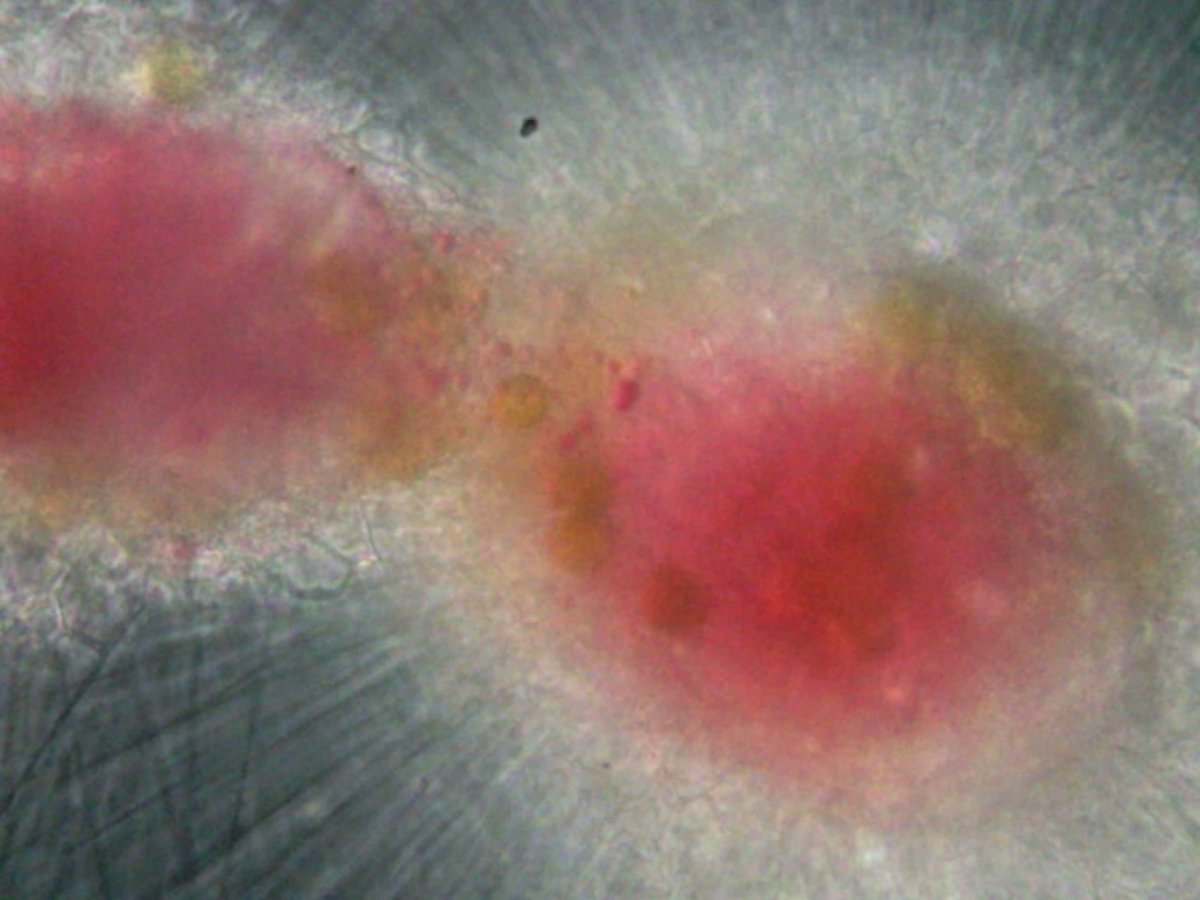
These radiolaria appeared to be exchanging the pink symbionts - any ideas?
400x mag
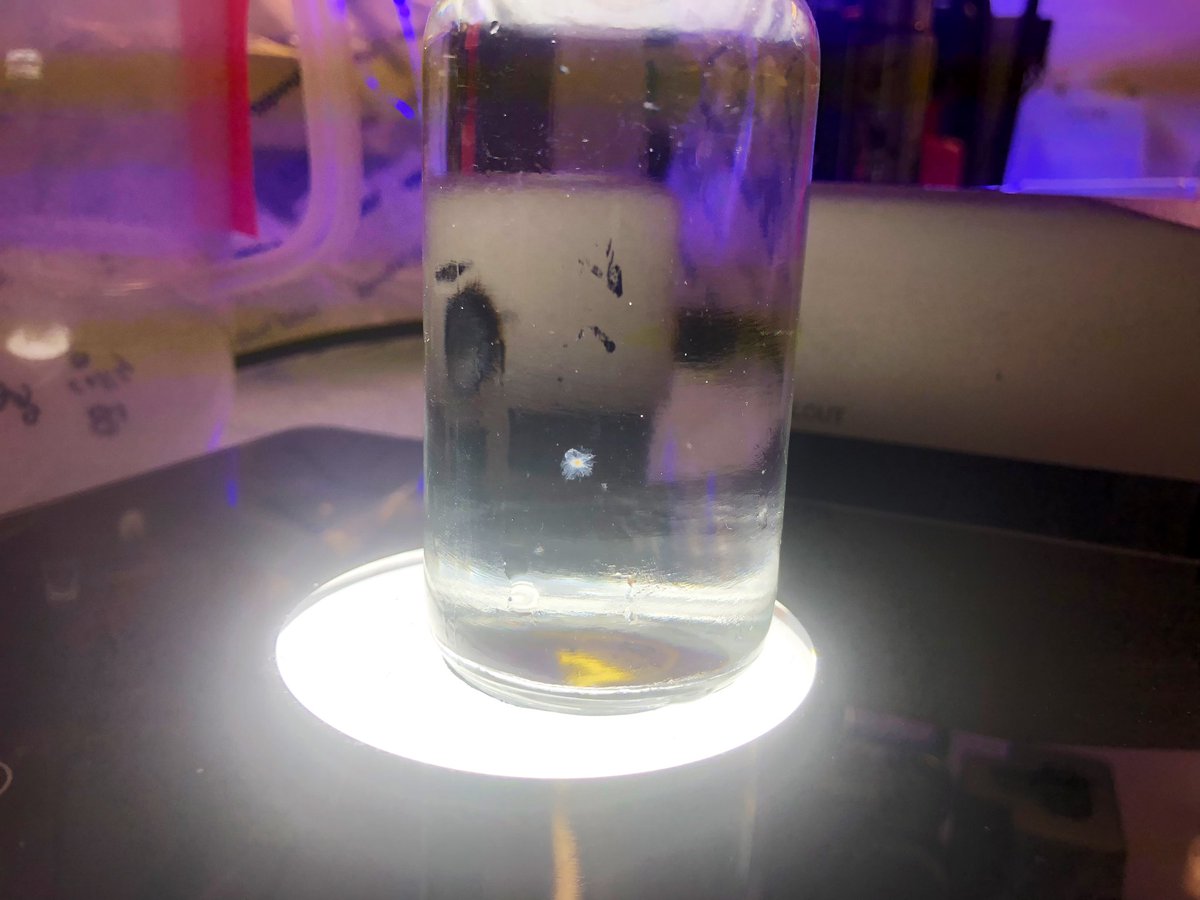
As we spend the day bemoaning spending hours looking for - and often losing - all of our tiny radiolarians in their jars, this O. universa silently mocks us.
Nothing like a morning's discussion on reaching net zero "by 2050" to make you wish for better maths education, all round, including how stuff accumulates over time. Getting there is not the point, what matters is how you get there.
We have our first evidence of growth in culture! This little one came to us at 260 x 205 µm and died at 350 x 220 µm (with some room for error for viewing angle). The new silica it added should have incorporated boron at a different pH than seawater. #proudparents
This has been the focus of our attention so far.. Spongolivella ellipsoides (we think).. here’s hoping they stick around for a few months.. #radiolaria
@SophWestacott and @Emmelement now en route to come join me @MichaelHenehan under the very appropriately named Mont Boron! First tow tomorrow - wish us a plentiful yield of #radiolarians!