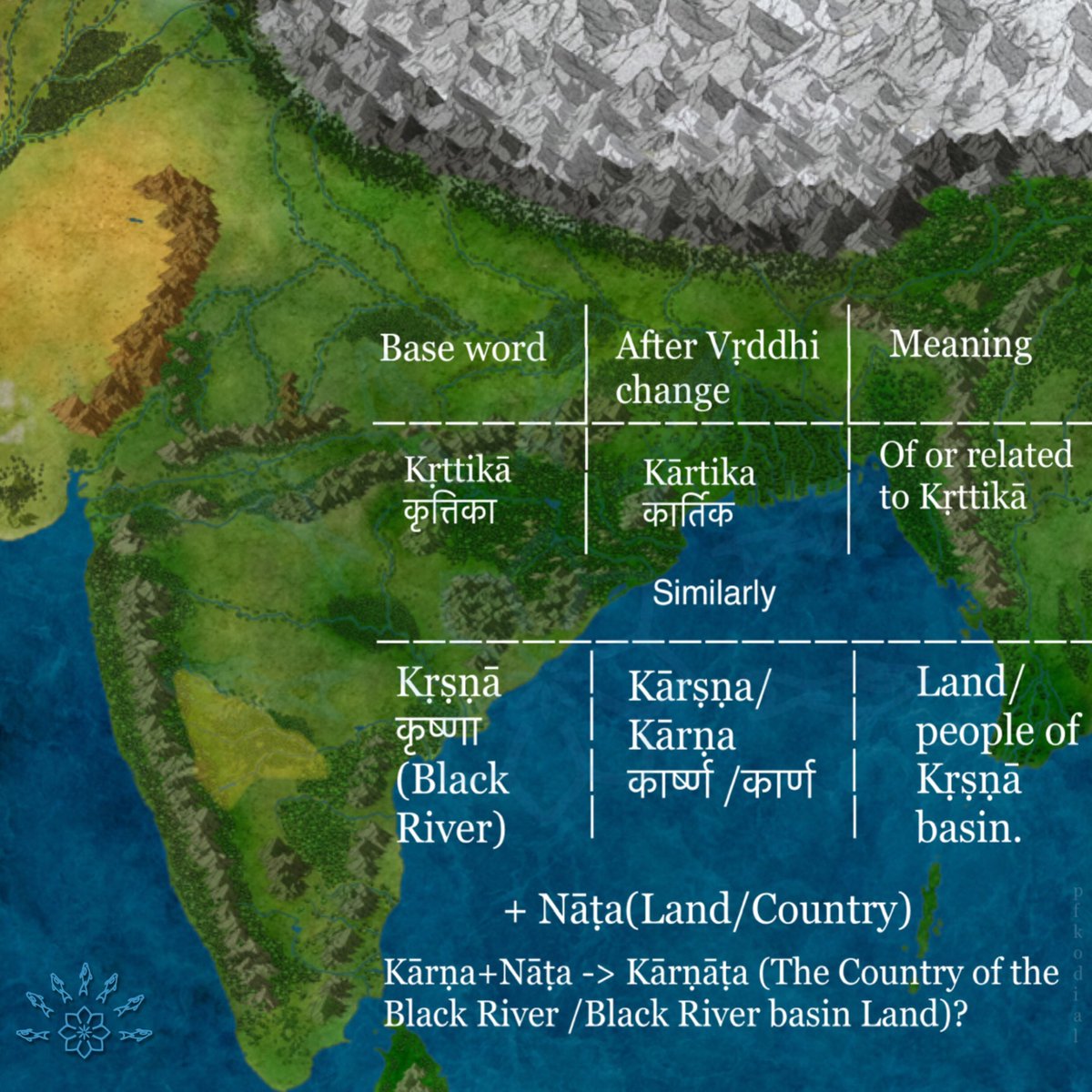
Could Kārṇāṭa actually be named after the Krishna River basin?
Like Kṛttikā becomes Kārttika (of Kṛttikā), Kṛṣṇā (black, like Dravidian "kari/Karu") becomes Kārṣṇa.
What if Kārṣṇa (of Krishna/Black River) slowly evolved into Kārṇa + Nāṭa (nāḍu/country)?🤔
#Karnataka
The word "Karnāṭaka" or "Karnāṭa" (aka is supposed to be additional suffix) is in the Sanskrit form.
This Sanskrit form word "Karnāṭa" is supposed to be borrowed from other Dravidian language (supposed to be from Kannada itself) having the word 'Nāḍu' for nāṭa in Karnāṭa..
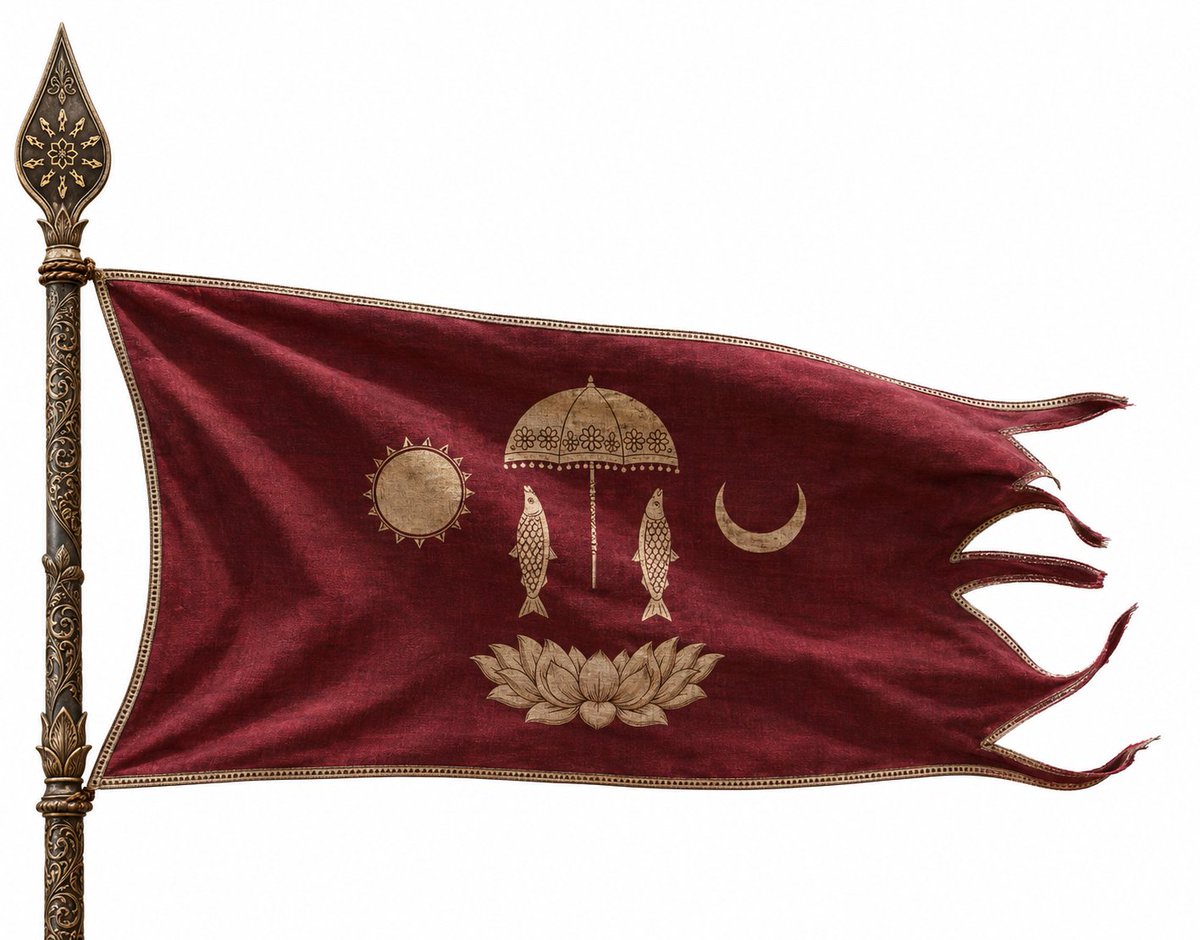
This might be a specific regiment's flag or just a battle flag. It probably was too difficult back then to print the complex Varaha & dagger emblem on thousands of flags, so they might have just used the sun and moon on plain white cloth for battles.
#KarnataEmpire#Vijayanagara
I finally found the REAL flag of the Vijayanagara Empire (Karnata Samrajya)!!!
After hours of digging through Vijayanagara-period temple murals, I reconstructed this one from the Virabhadraswamy Temple, Lepakshi, AP.
All Kannadigas!!! Use THIS flag to represent Vijayanagara!!
2/2
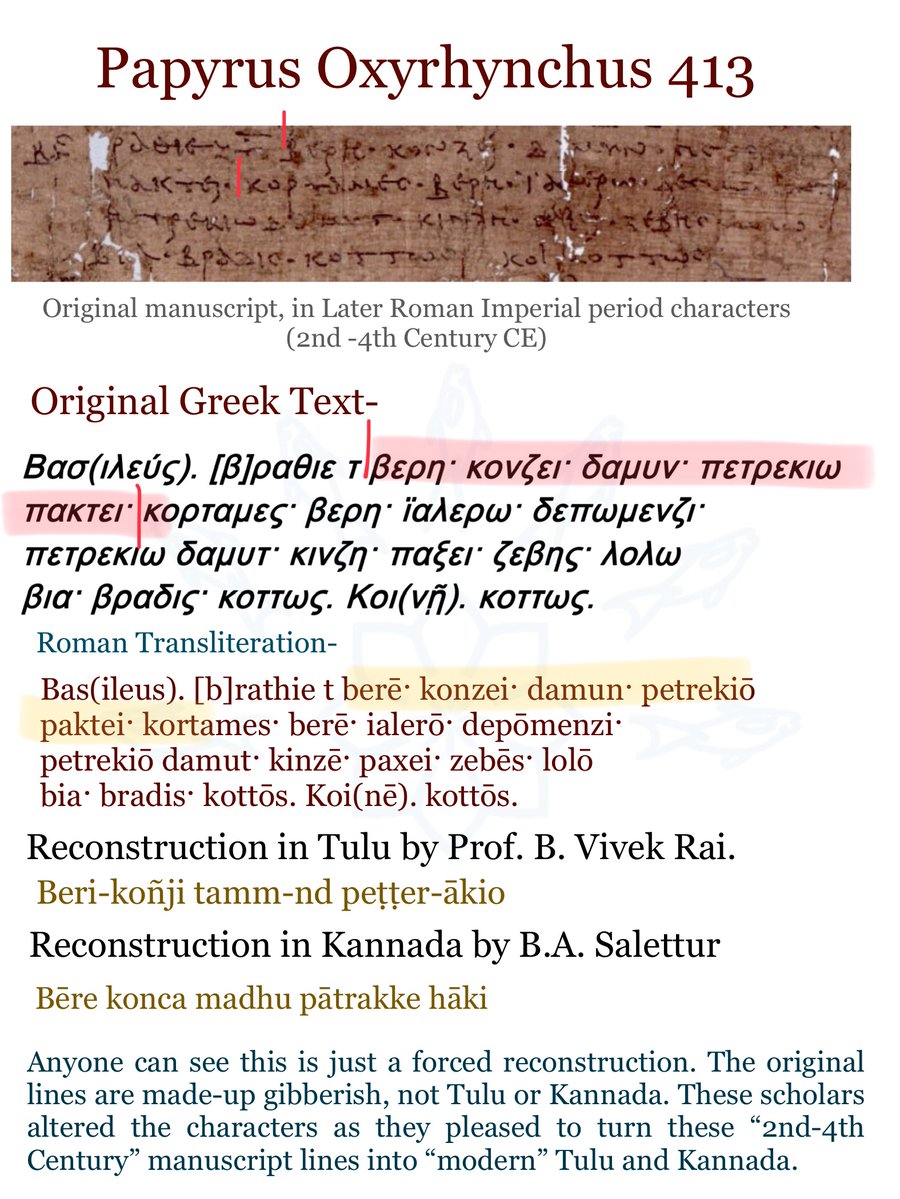
...Since the location itself is wrong, the play didn't happen in Malpæ, and the non Greek characters in it aren't speaking Tulu or any Dravidian language. It’s just made-up theatrical gibberish, not a real language.
Those scholars just forced that gibberish to sound like Tulu & Kannada. They guessed "Malpiniak" meant "Malpe Nayaka," assuming the story happened at Malpæ port & must be a Dravidian language. But "Malpe (old-Maṇamb)" is a modern Tulu name that didn't exist 1,800 years ago..
1/2
Why are you guys obsessed with Kannada being older than Tamil. Is not Tulu a language of Karnataka state? In fact Tulu is the oldest of all Dravidian languages.
Btw, that second century Greek Drama is Tulu.
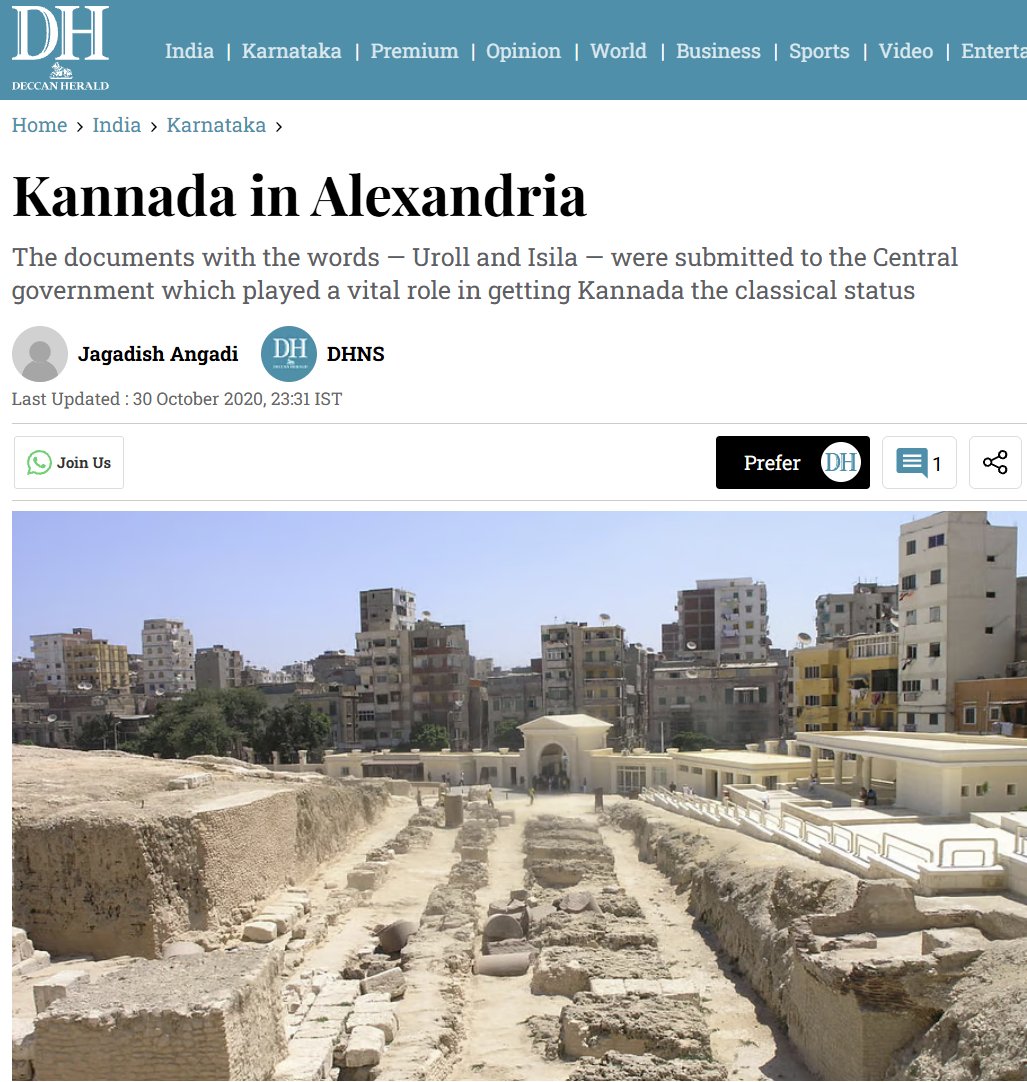
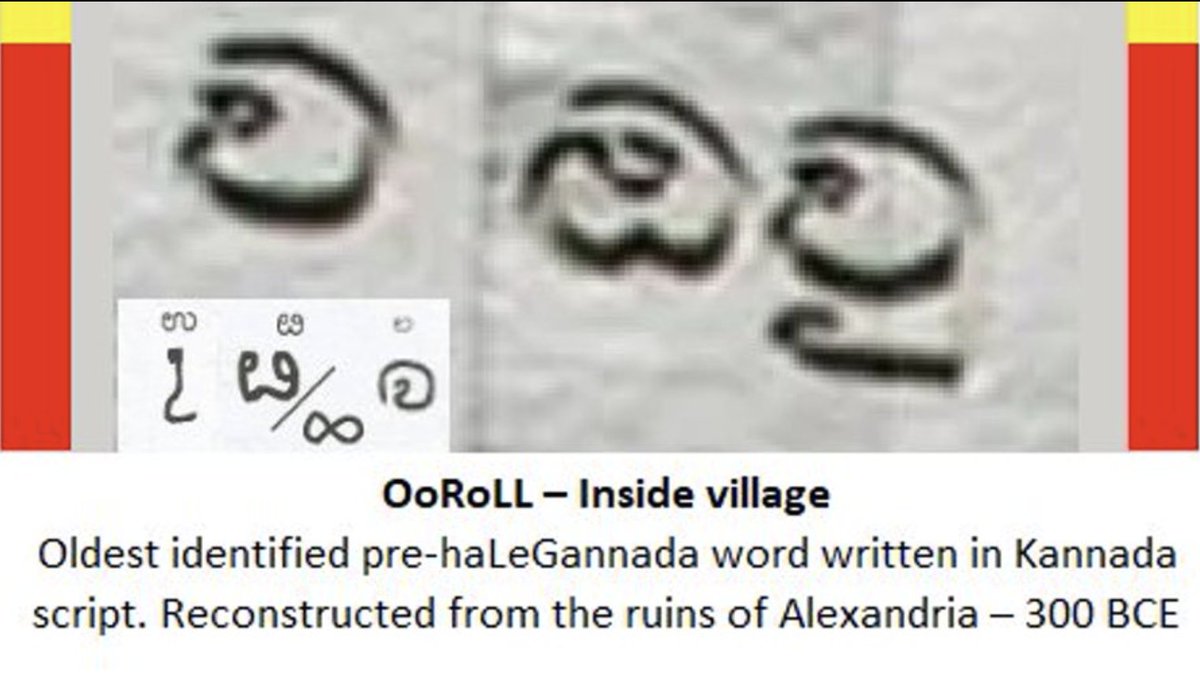
The inscription shown here is on the wall of #BibliothecaAlexandrina, not on any palm leaf, & the wall is not even 30 years old, so it definitely does not date back to BCE. The word engraved on it is actually in modern Sinhala which reads 'ව ඔ වු- va o vu', not OoroLL in Kannada.
Krishnadevaraya belonged to a branch of the Saluva family. "Tuluva" was just a family title inherited from his grandfather Timma Bhupati's governance title, "Yashasvi Tuluvendrashu," used while ruling parts of the northern Tuluva. Therefore, he was not ethnolinguistically Tuluva.
Did some research. Found out that Krishnadeva Raya's
Mother tongue - Tulu
Favorite Language - Telugu
Administrative Language - Kannada
Inscription Language - Sanskrit.
One of the high point of Vijayanagar Kingdom. 🙏🏻🙏🏻
@ItsSundarVJ Actually, @ashchanchlani did this exact pose back in March 2017 in his "when your crush touches you for the first time" video, way before this YouTuber or Pushpa.
https://t.co/y4TI7yyp5U…
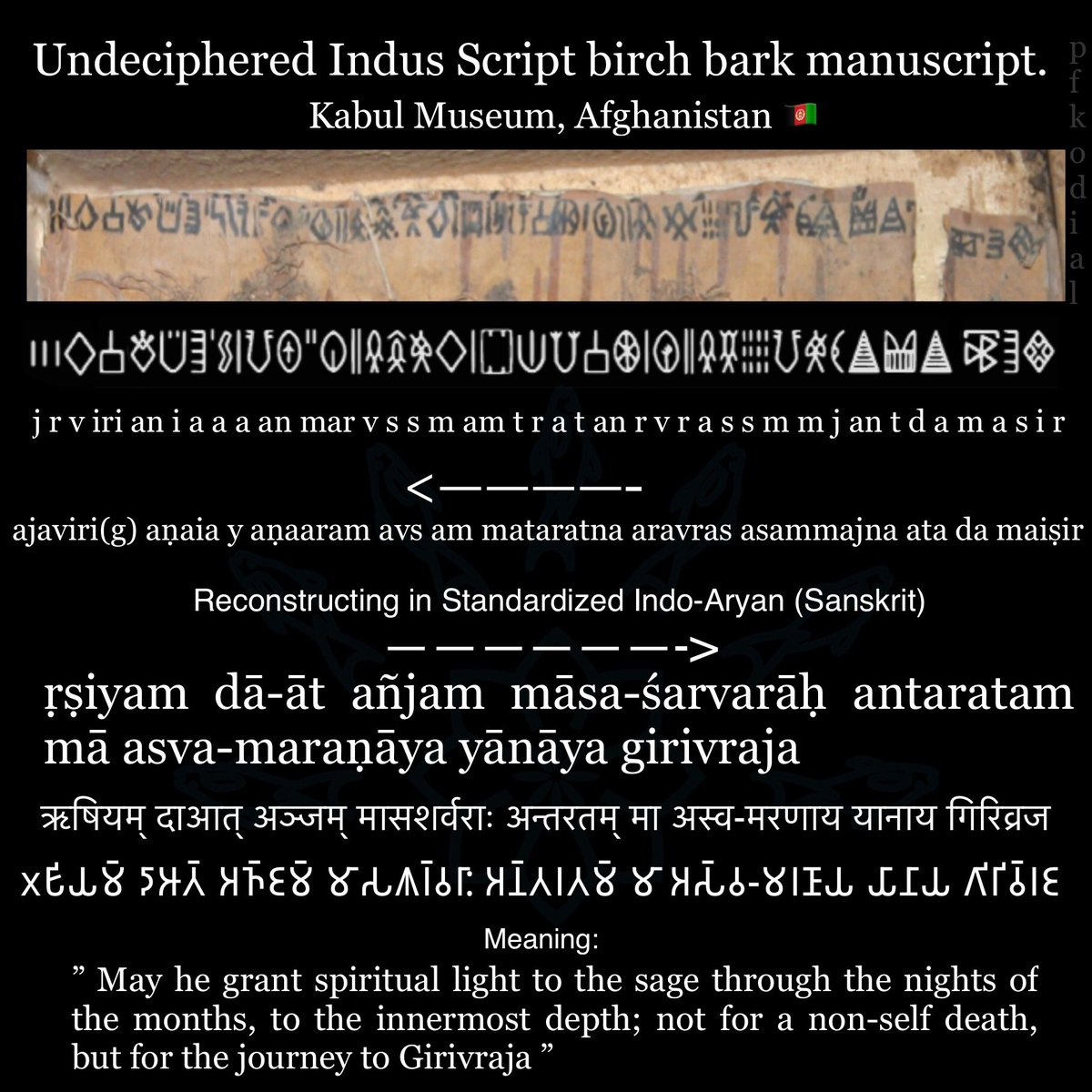
I tried to read the first line of this Kabul #IndusManuscript following @yajnadevam's decipherment. The language looks like it's in a pre-standardized stage of early Indo-Aryan. I reconstructed it with #Sanskrit, and it turned out like this 👇
#IndusScript#IndoAryan
This manuscript was found in Kabul 🇦🇫. Scholars have mixed views on its authenticity, I tried reading the 1st line using the values assigned by Yajnadevam. Every word lined up perfectly with Indo-Aryan, so I reconstructed it in #Sanskrit & the reading made perfect sense.
1/2
I tried to read the first line of this Kabul #IndusManuscript following @yajnadevam's decipherment. The language looks like it's in a pre-standardized stage of early Indo-Aryan. I reconstructed it with #Sanskrit, and it turned out like this 👇
#IndusScript#IndoAryan
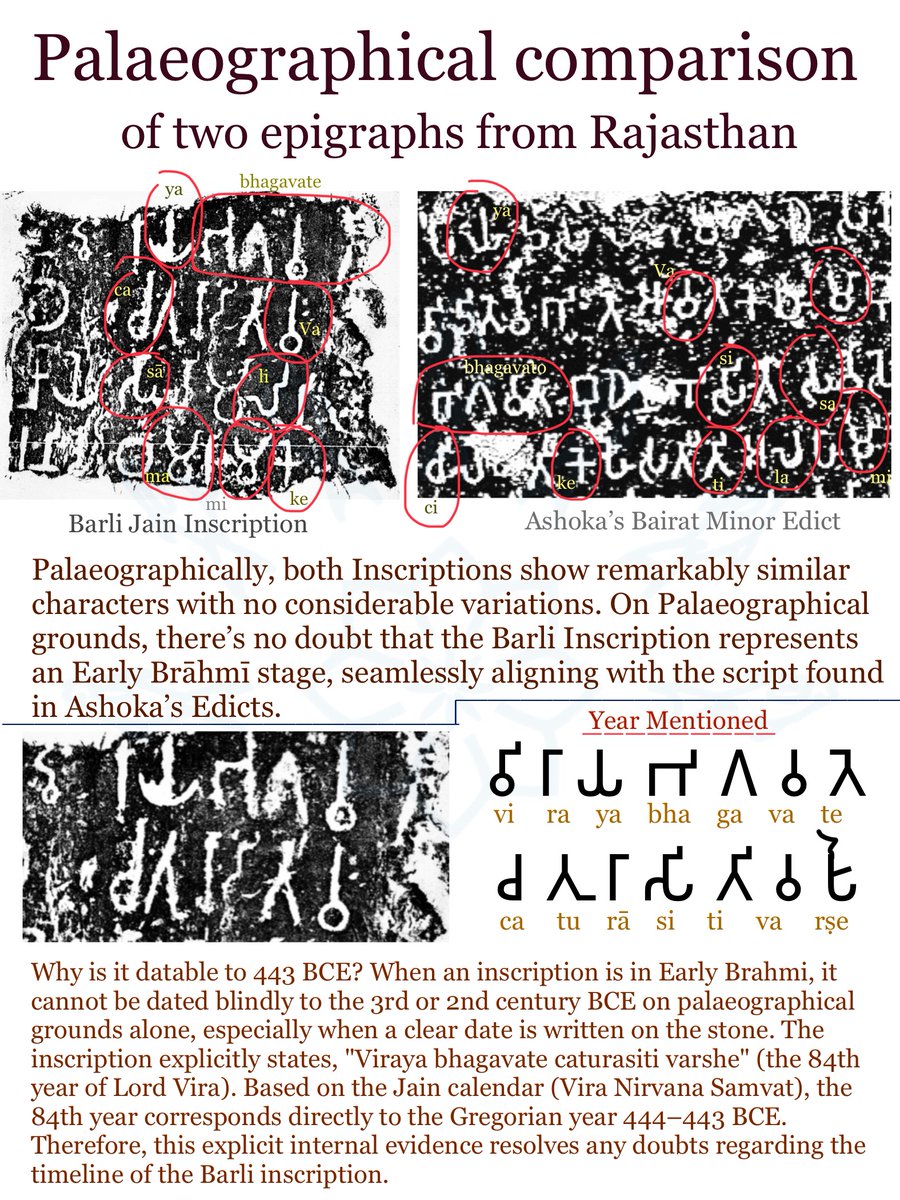
Its #palaeography matches the #Brahmi of Ashoka's edicts. But, the stone provides an exact timeline, explicitly mentioning the 84th year (caturasiti varṣe) of Lord Vira (viraya bhagavate). Given that the C.Y. is #ViraSamvat 2552, the 84th year corresponds to 444–443 BCE.
#Barli
The #Barli Inscription is a rare pre-Maurya era #Jain epigraph discovered in #Rajasthan. Inscribed in the early #BrāhmīScript, this inscription is bilingual—featuring #Sanskrit & #Ardhamagadhi. Dated to Veera Samvat 84 (443 BCE), it predates Ashoka��s edicts by nearly 2 centuries.