Applications are open - until September 20th - for a Senior Geneticist Molecular
Profile: Candidates with a nationally recognized title of specialty in human genetics or medical genetics and experience on the field.
Full announcement: https://t.co/qp2nTCsDra
#i3Sjobs
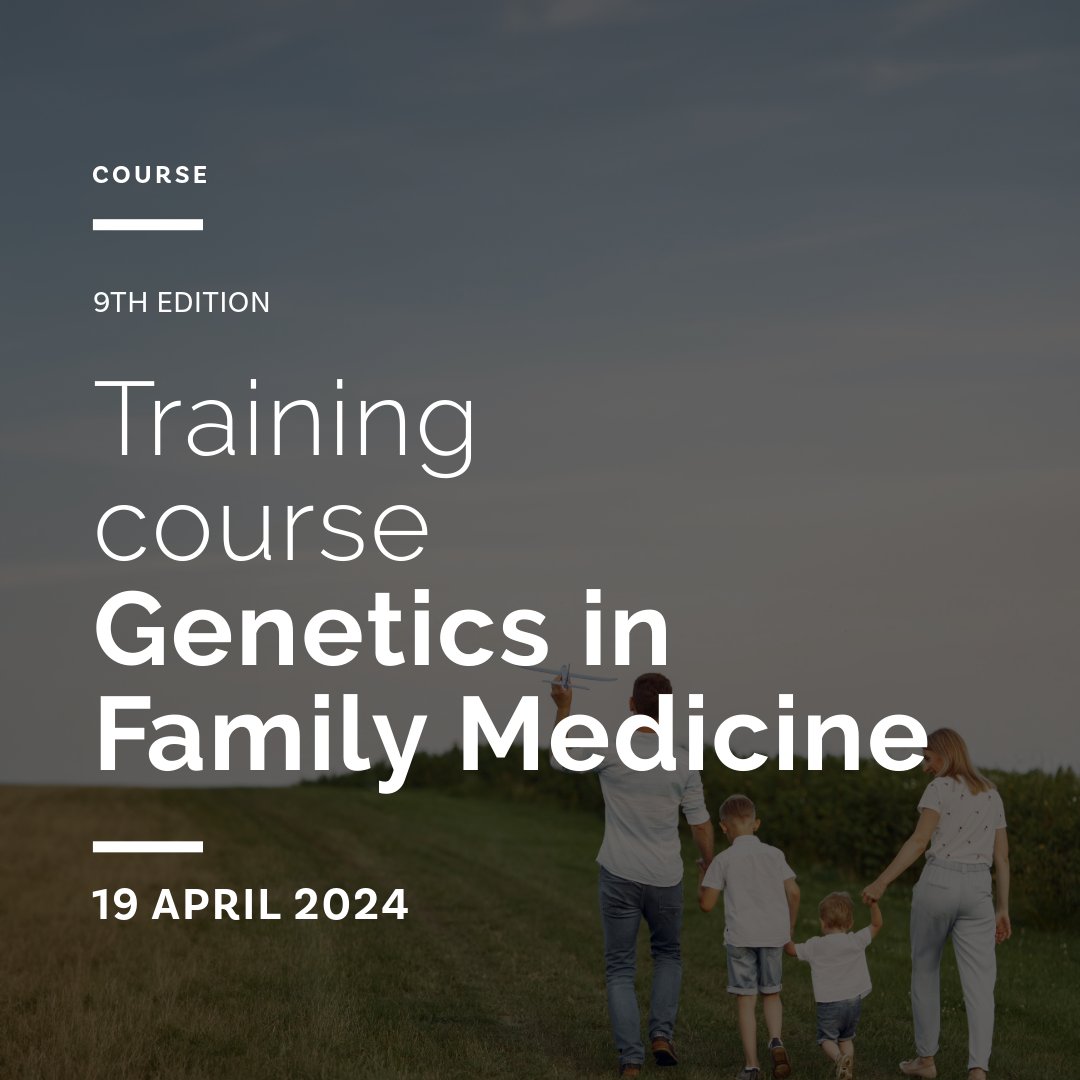
Genetics in Family Medicine
📅19 Apr | #i3S & online
Course aiming to help health professionals working in primary care to update their knowledge and skills in medical #genetics.
Registration⏰5Abr
➕ info: https://t.co/EfIGYUhWfI
#i3Sevents#i3Scourses#hybridevents
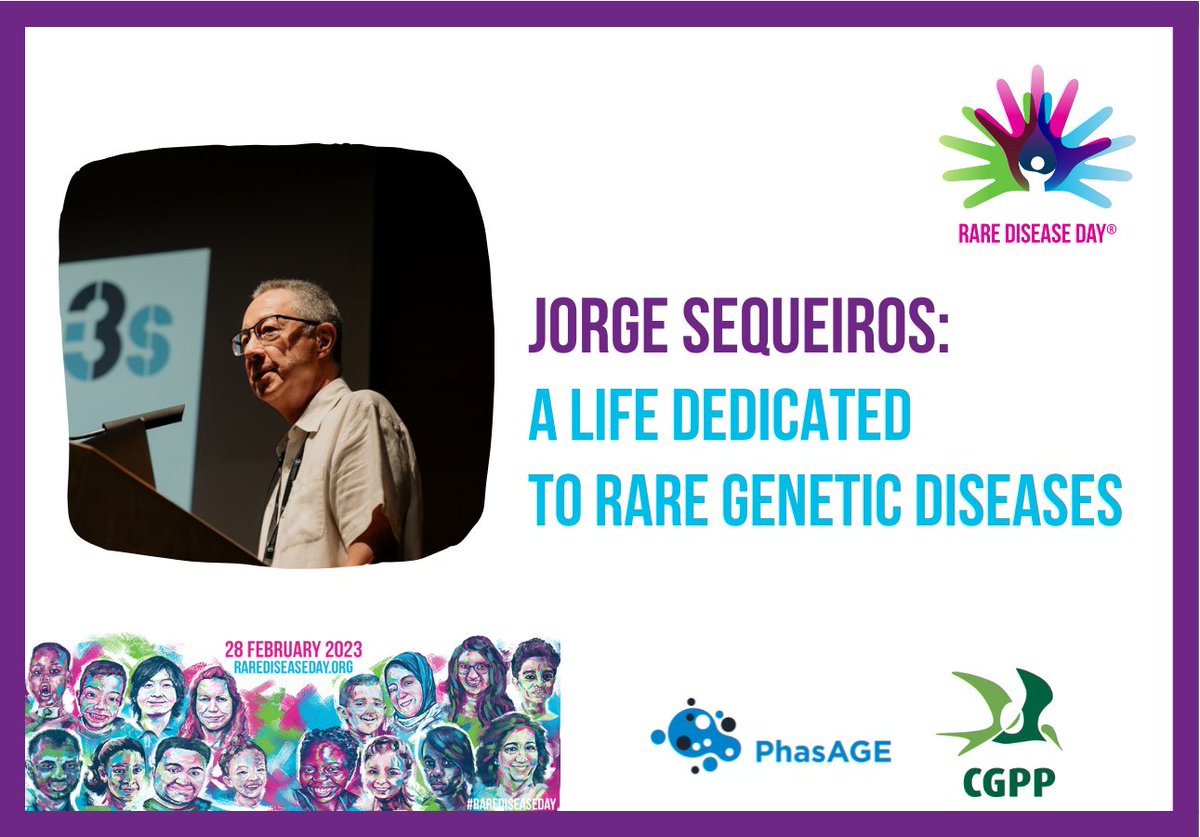
A little under a year ago, #i3S hosted the premiere of "Era bonito vê-la pensar", a documentary focused on Paula Coutinho chronicling her pioneering role in Neurogenetics in Portugal. Now, everyone can watch it: RTP2 is airing it on 8Mar.
Don't miss it!
#peopleofi3S#RTP#CGPP
Applications are open (until Jan 6) for a Geneticist Molecular. Profile:Msc in life or health sciences, relevant to clinical laboratory genetics, formal training and experience in conducting and analysing molecular genetic tests.
Full announcement:https://t.co/nFuMyTAfNa
Applications are open (until Jan 6) for a Senior Geneticist Molecular. Profile:PhD in human molecular genetics or speciality in medical genetics, or a nationally recognized title of specialty in human genetics
Full announcement:https://t.co/Wu6kPASWOz
A > 25-year genetic puzzle is finally solved, thanks to long-read sequencing technology.
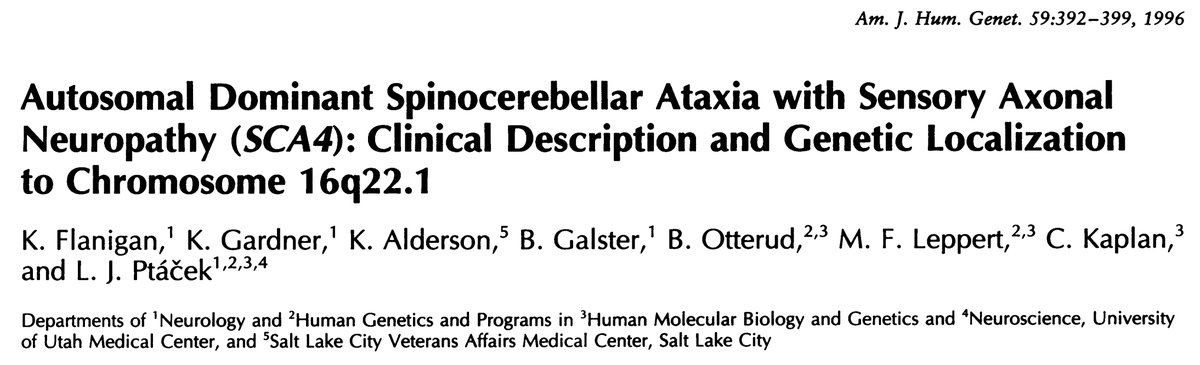
Spinocerebellar ataxia type 4 (SCA4) was first described in 1996 in a five-generation pedigree from the US state of Utah with late-onset autosomal dominant cerebellar ataxia with prominent neuropathy. Linkage analysis revealed the disease-causing gene is located somewhere within 16q22.1 (https://t.co/Awy0M2LXhc).
The authors of the 1996 paper were hopeful that they would hunt the causative gene very soon, having no idea of how complex of a genomic locus they were dealing with. Little did they know that this puzzle would not remain unsolved for the next 25 years.
The locus 16q22.1 is unusually complex with GC-rich sequenced, segmental duplications and pseudogenes rendering the segment impossible to resolve using short read sequencing. After the discovery of the linkage region, many tried to identify the causal gene using exome and targeted sequencing but failed to find a causative mutation (https://t.co/Lq2GpIZBep).
In the current preprint, the authors took up this case again to see if they could solve it using long-read sequencing. Voilà, there it is! A GGC repeat mutation within the exon 10 of ZFHX3, where expanded alleles segregate beautifully in the affected family members.
ZFHX3 codes for a large protein with 3,703 amino acids that function as a transcription factor. Loss of function caused neurodevelopmental disorder. The repeat expansion causes a gain-of-function pathology via toxic aggregation of poly-glycine tract-containing proteins that could be reversed in vitro by siRNA-mediated knockdown of ZFHX3.
Fascinating work by Figueroa, Pulst et al. medRxiv
https://t.co/RaFw6UdvpV
Some recent posts:
1. The origin story of Regeneron Genetics Center (https://t.co/Zd5LldnfAo)
2. Germline mutations masquerading as somatic mutations in the brain (https://t.co/KzrsHGP6Lb)
2. A single amino acid evolutionary change explains the stark difference in telomere lengths between two mice species (https://t.co/PBhxlgU8Va)
#i3S joined the efforts to raise awareness of an extremely rare disease: Phelan-Mcdermid Syndrome. Green💚remains the color of hope, so yesterday we flooded the facade with green light.
Learn➕https://t.co/r83xMXJxE6
#rarediseases#phelanmcdermid#phelanmcdermid_Portugal
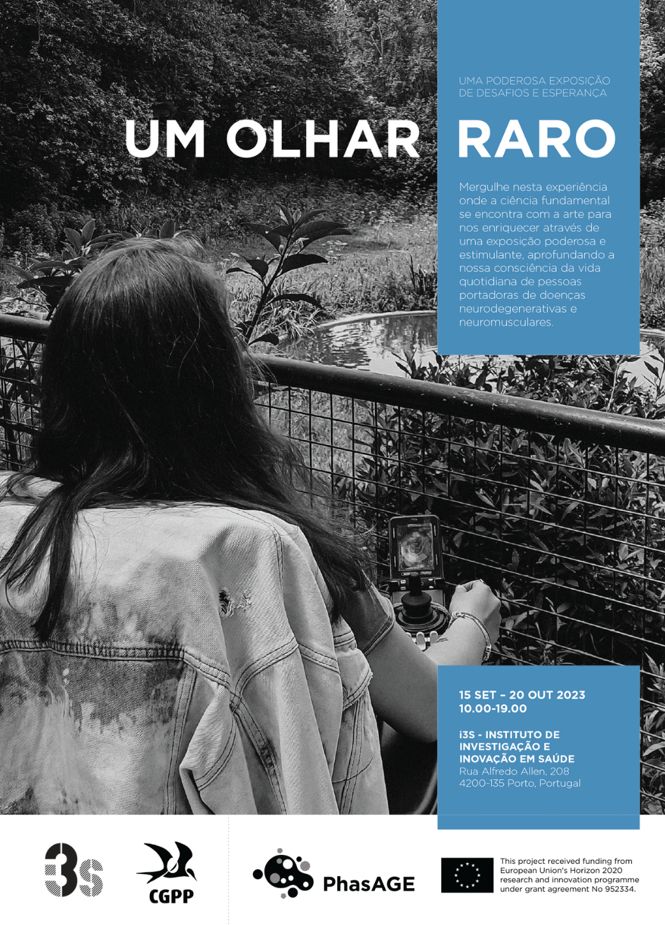
"Um olhar raro" | art exhibit
📅Inauguration on 15Sep, 5pm | #i3S
On display until 20 Oct
Everyone is invited to attend, no registration and free of charge.
This exhibit is organized by #CGPP and @phasage_project
➕https://t.co/0u9Vdrs8Qz
#i3Sexhibits#outreach#SciArt
Just released: ACMG SF v3.2 List for Reporting of Secondary Findings in Clinical #Exome & #Genome#Sequencing. This update adds 3 cardiovascular genes - CALM1, CALM2 & CALM3 - to recommended minimum gene list with a description of the factors considered. https://t.co/YijKBmIzb8
New deadline📌Applications are open (until 11Jun) for an Informatics systems administration and/or development specialist position. Profile: BSc in computer science, or MSc in bioinformatics or other related field.👇
Anúncio completo: https://t.co/ZchSnRpFGe
#i3Sjobs
Applications are open until 19May📌 for an Informatics systems administration and/or development specialist position at CGPP. Profile: BSc in computer science, or MSc in bioinformatics, or other related field.👇
Full announcement : https://t.co/MGTujseB0t
#i3Sjobs
This course focuses on Medical #Genetics, specifically advances in genetic #diagnosis, referral experiences of Family Doctors, current diagnostic methodologies & challenges in result interpretation.
Early bird registration⏰27Mar
+https://t.co/qRbG7THit4
#i3Sevents#i3Scourses
Excited to share our preprint exploring #mtDNA constraint in #gnomAD! Constraint metrics didn’t exist for #mtDNA – now they do – providing a map of which genes, gene regions & positions in the #mtDNA are most likely to harbor deleterious variation (1/6)
https://t.co/j6BZWMPSHd