@jaihoandhra Your efforts for this information is really commendable👌👌👌
Please suggest some books to read Telugu history
Telugu kingdoms like Satavahana, Chalukyas, kakatiyas which had far larger empires never celebrated unlike tamil or fragmented north kingdoms
Before Balagangadhar Tilak, Svarajya was used by Recharla Nayaks: Lingama Nayaka as “Svarajya Punaruddharana”.
Srisailam plates issued by Recharla Lingama Nayak (c.1420 CE) of the Padmanayaks who reclaimed regions occupied by the Turakas. It records the restoration of 8 Agraharams, Daily Annadanam, Akhanda Deepam, Sivaratri Mahotsavam, Pilgrim Shelters, Bhuri Satram and Temple Autonomy of Sri Maheshvara Devara of Srisailam.
Language: Sanskrit & Telugu
Script: Telugu
#Srisailam #Telugu #Andhra #Telangana #Epigraphy #ASI #IndianHistory #TempleHistory #History #India #TFI #OG
आप व्हाट्सएप यूनिवर्सिटी से पढ़कर नेहरू को गाली दे सकते हैं पर दूसरे नेहरू नहीं बन सकते हैं।
नेहरू तीसरी दुनिया यानी गुटनिरपेक्ष देशों के नेता था अमेरिका गोदी में उठाकर घूमता था पर आपको गोदी मीडिया उठाकर घूमती है।
जापान अमेरिका में नेहरू का स्वागत वहां के लोकल लोग करते थे आपका भाड़े के भारतीय करते हैं।🫡
There’s a man in my office who hasn’t been promoted in 6 years.
He arrives before everyone. Leaves after everyone. Knows the company’s systems better than the people who built them. When something breaks at 2am, they call him.
His name is on the bottom of reports that directors present to the board. He doesn’t complain. He says he’s just “not political.”
Last week, a 26-year-old joined us. MBA. Firm handshake. Calls the MD by his first name. Within 3 months, he’s already sitting in meetings my colleague has never been invited to.
I watched my colleague train him.
Smiled the whole time. Answered every question. Shared shortcuts it took him years to figure out.
Afterwards I asked him, don’t you feel cheated?
He looked at me for a long moment.
“I used to. But I realized something. I’ve been loyal to a company. Not a purpose. Those are not the same thing.”
He resigned two weeks later. Took everything he knew with him. Started something of his own.
The MD sent a company-wide email. Called it “a great loss to the team.”
Eleven years of emails. And that was the first one that mentioned his name.
The system will celebrate your exit more than it ever celebrated your presence. Stop waiting to be seen. Build something that sees you if you’re not appreciated where you are.
@CinemaJivitham @iamprasadtech Telugu Tech Tuts Hafeez videos chala straight forward untay, evi konochu evi konakudadu ani. Takkuva recommendations but best options istadu. Information kuda baagundi
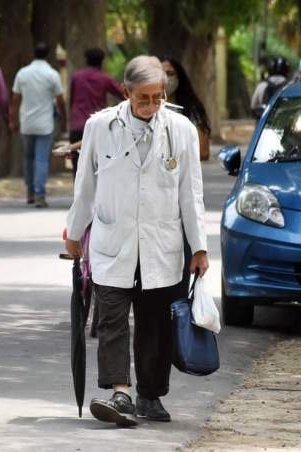
When the Government of India announced the Padma Shri for Dr. Tapan Kumar Lahiri,
the protocol required him to travel to Rashtrapati Bhavan in New Delhi to receive the honor from the President.
However, Dr. Lahiri was hesitant to go. His reasoning was simple: "If I go to Delhi, who will look after my patients in the OPD?" For him, a day away from the hospital wasn't a holiday; it was a day his patients—many of whom traveled from Bihar and rural UP—would go untreated.
Finally he did go given the prestige associated with the event.
Who is Dr Tapan Lahiri?
Dr. Tapan Kumar Lahiri is a legendary Indian cardiothoracic surgeon and professor commonly referred to as the "Saint of BHU". Dr. Lahiri has done FRCS and MCh and working in BHU.
Dr. Lahiri’s commitment to the poor is extraordinary.
In 1994, when his salary (including allowances) exceeded ₹1 lakh, he stopped taking it entirely, directing the university to use the funds for the treatment of underprivileged patients.
After retiring in 2003, he continued this practice with his pension. He keeps only enough to cover two simple meals a day and donates the remainder to the BHU patient fund.
Even in his 80s, he has been known to walk to the hospital at 6:00 AM daily, carrying a simple bag and a black umbrella, to check on his patients.
As he says
"With the grace of Lord Vishwanath and Maa Annapurna, I will keep serving patients till my last breath."
Dramatised and oversimplified, so here's a corrected version that is historically accurate:
Frankenstein wasn’t written by a man. It was written by a teenager.
In 1816, 18-year-old Mary Shelley was staying near Lake Geneva during the infamous “Year Without a Summer.” Trapped indoors by relentless storms at the Villa Diodati, she was in the company of poets Lord Byron and Percy Bysshe Shelley. Byron proposed a challenge: each of them should write a ghost story.
Mary struggled at first. Then she had a waking nightmare — a vision of a scientist who creates life, only to recoil in horror at what he has done.
That vision became Frankenstein.
She began the story at 18, completed it at 19, and it was published anonymously in 1818 when she was 20. Anonymous publication was common — especially for controversial works — but when the novel appeared, some readers assumed Percy Shelley must have written it or heavily shaped it.
He didn’t. Surviving manuscripts show that while Percy offered editorial suggestions, the structure, imagination, and philosophical core were Mary’s. Her authorship was publicly acknowledged a few years later, and today there is no serious scholarly doubt: the genius was hers.
And this wasn’t just a Gothic horror tale.
Frankenstein is widely considered the first major work of modern science fiction.
Instead of magic or myth, it centered on scientific experimentation. It asked dangerous questions: What happens when humans create life? What responsibility does a creator bear? What are the ethical limits of knowledge?
Long before women could vote in Britain, Mary Shelley wrote a novel about ambition, innovation, isolation, and unintended consequences — themes that echo today in debates about bioengineering, artificial intelligence, and the ethics of technological power.
It wasn’t written overnight. It wasn’t an accident.
It was the work of a young woman thinking boldly about science, responsibility, and what it means to be human.
And more than two centuries later, we’re still answering her questions.
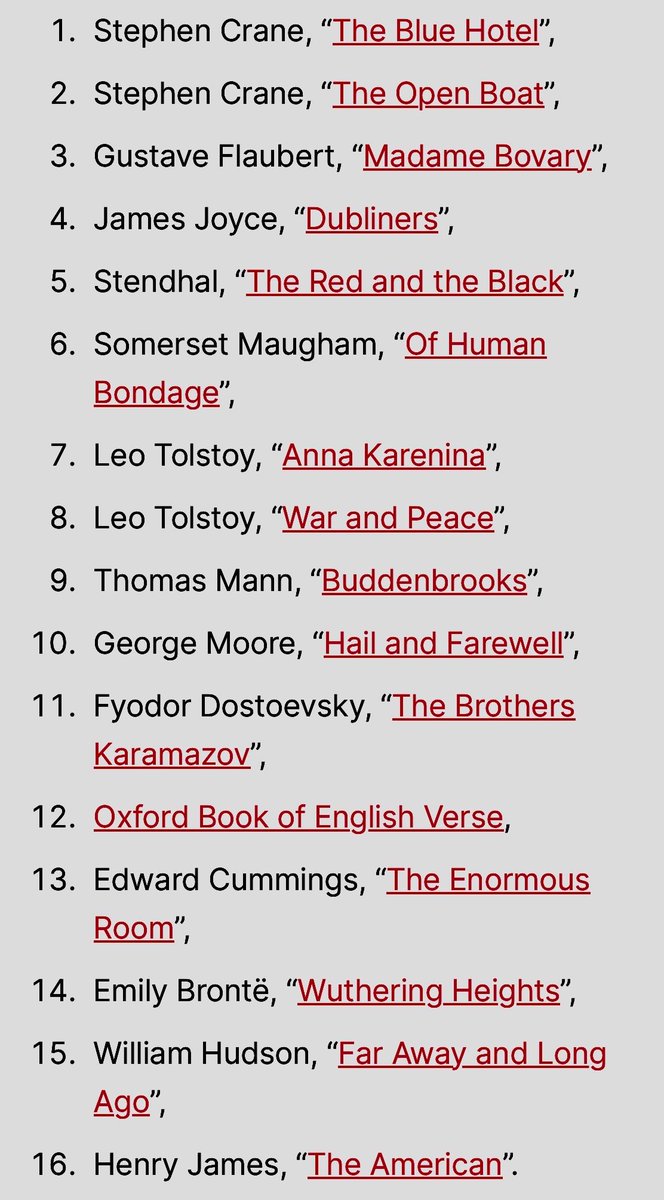
Hemingway considered reading essential to every writer’s development. He was a voracious reader himself, even on days he wrote.
He gave a 22-year-old aspiring writer a list of books to read, saying “Here’s a list of books any writer should have read as a part of his education… If you haven’t read these, you just aren’t educated. They represent different types of writing.”
Ratnam Pens is a 94-year-old legacy brand, started in Rajahmundry in 1932 by K.V. Ratnam.
Known as India's first fountain pen manufacturing brand. It became a symbol of fine craftsmanship when foreign pens dominated the market.
It was famously used by Gandhi, Nehru and Dr. B.R. Ambedkar. Even today, Rathan Pens remains a proud part of India's writing heritage. Video by trail_the_himalayas
Remembering Pyaar Kiya Toh Darna Kya from Mughal-E-Azam (1960), directed by K. Asif, on the occasion of Valentine’s Day. Love is political, and nobody should decide who you love. A world that thrives on hate needs love the most.
Imagine Bharat🇮🇳 wins the lottery. $1.7 Trillion. What’s the first thing our politicians do? Spend it, right?
In 1969, Norway found massive oil reserves. They were suddenly rich. But instead of a spending spree, they chose "Radical Patience."
In 1990, the Norwegian Parliament created the "Government Pension Fund Global"
The mission: Transform "black gold" into a permanent financial legacy.
In 1996, they deposited the first payment: $150 million.
Then they did something even more remarkable.
They stuck to the plan. Year after year, oil revenues flowed into the fund. Year after year, the fund invested in global markets—stocks, bonds, real estate across 70 countries. Year after year, politicians resisted the overwhelming temptation to raid the fund for short-term political wins (something our politicians should emulate from it).
Every election cycle brought promises to spend more. Every economic downturn brought demands to tap the fund. Every crisis brought calls to break the rules "just this once." Norway said no. Every single time.
The fund's managers didn't try to beat the market or gamble on hot stocks. They simply bought small stakes in thousands of companies worldwide—around 9,000 today—and held them. They played the longest game imaginable. By 2000, the fund was worth $50 billion. By 2010, it had grown to $500 billion. By 2017, it crossed $1 trillion. Today, it has surpassed $2 trillion.
Every time we buy an iPhone, a coffee at Starbucks, or a subscription to Netflix, a tiny fraction of that money flows back to Norway. Why? Because their fund owns a piece of almost 9,000 companies worldwide.😃
Now, the investment returns are higher than the oil revenue. Even when the oil runs out, the schools, hospitals, and pensions stay funded.
For a country of just 5.6 million people, that works out to roughly $340,000 per citizen.
This👇👇
The 3% withdrawal rule ensures the fund will last indefinitely. That 3% provides roughly a quarter of Norway's national budget—funding education, healthcare, infrastructure, and pensions without ever depleting the principal.
Norway's oil will eventually run out. Maybe in 30 years, maybe 50. It doesn't matter anymore.
By the time the last barrel is pumped, Norway will have a multi-trillion-dollar fund generating returns forever.
Norwegian children will attend free universities, elderly Norwegians will retire with security, and the entire nation will thrive—all funded by oil that stopped flowing decades earlier.
Because in 1990, Norway made a choice that most countries never make.
The genius wasn't finding the oil. It was having the humility to admit that people who haven't been born yet deserve a seat at the table. 🇳🇴
పేదవాడికి పెద్దాసుపత్రి "ఎయిమ్స్ (AIIMS) మంగళగిరి" - నా స్వహస్తాలతో చూసిన రెండు అద్భుతాలు. కార్పొరేట్ ఆసుపత్రులకు ధీటుగా, పేద ప్రజలకు వరంలా మారిన "మంగళగిరి ఎయిమ్స్" గురించి నా సొంత అనుభవం మీతో పంచుకుంటున్నాను.
సంఘటన 1: నా క్లాస్మేట్ ప్రాణ స్నేహితుడికి పునర్జన్మ
పదిహేను రోజుల క్రితం నా స్నేహితుడికి సడెన్ గా ఒక చేతికి పక్షవాతం వచ్చింది. పరీక్షల్లో బ్రెయిన్ ట్యూమర్ (మెదడులో 3.7 సైజు గడ్డ) అని తేలింది. ఆరోగ్యశ్రీలో కుదరదన్నారు, చేతిలో డబ్బులు లేవు. ఆపరేషన్ అత్యవసరం.
దిక్కుతోచని స్థితిలో మంగళగిరి ఎయిమ్స్ కి వెళ్ళాం. అక్కడ న్యూరో సర్జన్ డా. రేఖపల్లి రాజశేఖర్ గారు భరోసా ఇచ్చారు.
5 రోజుల క్రితం సర్జరీ చేశారు. ఆపరేషన్ ఎంత సక్సెస్ అయ్యిందంటే.. సర్జరీ తర్వాత రావాల్సిన చిన్న చిన్న సైడ్ ఎఫెక్ట్స్ కూడా లేవు. పడిపోయిన చెయ్యి కూడా ఇప్పుడు పూర్తిగా పనిచేస్తోంది. ఈ రోజు తను క్షేమంగా డిశ్చార్జ్ అయ్యాడు.
ఖర్చు ఎంత అయ్యింది అని అడుగుతారా? కేవలం 10 రూపాయలు (OP టికెట్).
సంఘటన 2: కిడ్నీ ట్రాన్స్ప్లాంటేషన్
ఆరు నెలల క్రితం మా బావగారికి కిడ్నీలు పాడైపోయి, ఇక బ్రతకరు అనుకున్న సమయంలో ఎయిమ్స్ ఆదుకుంది. మా అక్క కిడ్నీ డొనేట్ చేసింది. అక్కడ డాక్టర్ల టీమ్ విజయవంతంగా కిడ్నీ ట్రాన్స్ప్లాంట్ చేశారు. ఇప్పుడు ఆయన ఆరోగ్యంగా ఉన్నారు.
నేను గమనించిన ముఖ్య విషయాలు:
అద్భుతమైన వైద్యం: డాక్టర్లు చాలా ఫ్రెండ్లీగా ఉంటారు. మన జబ్బు గురించి, చికిత్స గురించి చాలా వివరంగా, ఓపికగా వివరిస్తారు (ముఖ్యంగా డా. రాజశేఖర్ గారు).
ఖర్చు: కేవలం 10 రూపాయల ఓపి (OP)తో లక్షల రూపాయల విలువైన వైద్యాన్ని పొందవచ్చు.
ఓపిక ముఖ్యం: అడ్మిట్ అయ్యేదాకా కొంచెం ఓపికగా తిరగాలి. ఒక్కసారి అడ్మిట్ అయితే చాలు, డిశ్చార్జ్ అయ్యేదాకా మనకు ఏ పనీ ఉండదు. మందులు, భోజనం అన్నీ వాళ్ళే చూసుకుంటారు.
నా విన్నపం:
చిన్న చిన్న జబ్బులకు కాకపోయినా.. సర్జరీల వంటి పెద్ద ఆపరేషన్లకు, చేతిలో చిల్లిగవ్వ లేని వారికి, ఇన్సూరెన్స్ లేని వారికి ఎయిమ్స్ ఒక దేవాలయం లాంటిది. మొదట్లో ఉండే చిన్న చిన్న ఇబ్బందులకు భయపడకండి, ఓపికగా ప్రయత్నిస్తే మంచి వైద్యం అందుతుంది.
దయచేసి ఈ విషయాన్ని నలుగురికీ తెలియజేయండి. ఎవరి ప్రాణమైనా నిలబడొచ్చు.
ప్లీజ్ షేర్ పోస్ట్
లేదా కాపీ చేసి పోస్ట్ పెట్టండి
డబ్బులు లేక వైద్యం చేయించుకోలేని పేదలకు ఉపయోగపడుతుంది
FB!!
#AIIMSMangalagiri #AndhraPradesh #FreeMedicalTreatment #BrainSurgery #KidneyTransplant #GoodDoctors #Humanity #AIIMS #SaveLives #HealthCareForPoor
@prakdadlani Expecting a safe and healthy work environment is not a crime.
PSUs & large scale industries can only offer better work environments.
Salaries offered by small scale for same work is too low compared to large scale industries. This gap is not that much in IT.
@prakdadlani It's not true.
Mechanical, electrical and electronics engineers/diploma holders don't have job offers in India.
Indian entrepreneurs like lower-CapEx & early profitability, so they're more interested in skilled labour who can do jobs for less wages. Engineers have limited scope