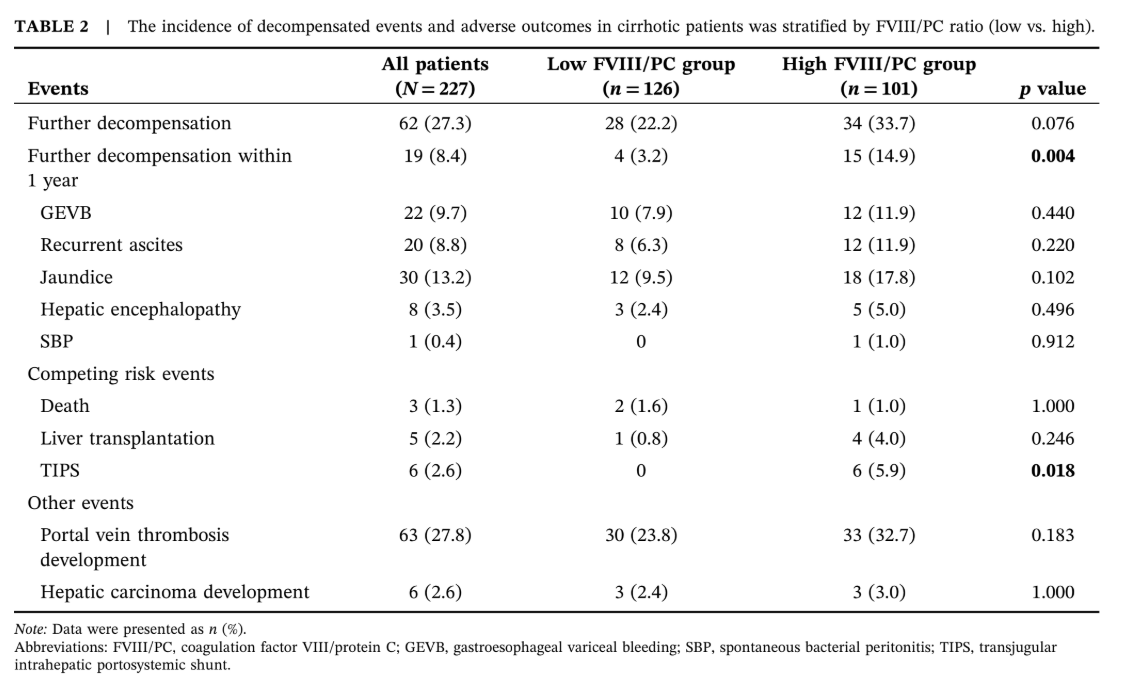
A crucial clinical distinction: While the FVIII/PC ratio is a key predictor for decompensation, it does not correlate with Portal Vein Thrombosis (PVT). For assessing PVT risk, FVIII activity alone remains the recommended significant predictor.
https://t.co/stiKE0sGkG
Using an optimal cutoff of 2.86, Kaplan-Meier analysis shows that patients in the high FVIII/PC group faced a significantly higher risk of further decompensation (16.2% vs. 3.3%), specifically in variceal rebleeding, jaundice, and recurrent ascites.
🔗https://t.co/stiKE0s8v8
The FVIII/PC ratio shows enhanced predictive ability within 12 months with an AUC of 0.717. Time-dependent ROC analysis demonstrates its superior accuracy compared to traditional indicators like HVPG, Child-Pugh, and MELD scores for 1-year outcomes.
🔗 https://t.co/stiKE0sGkG
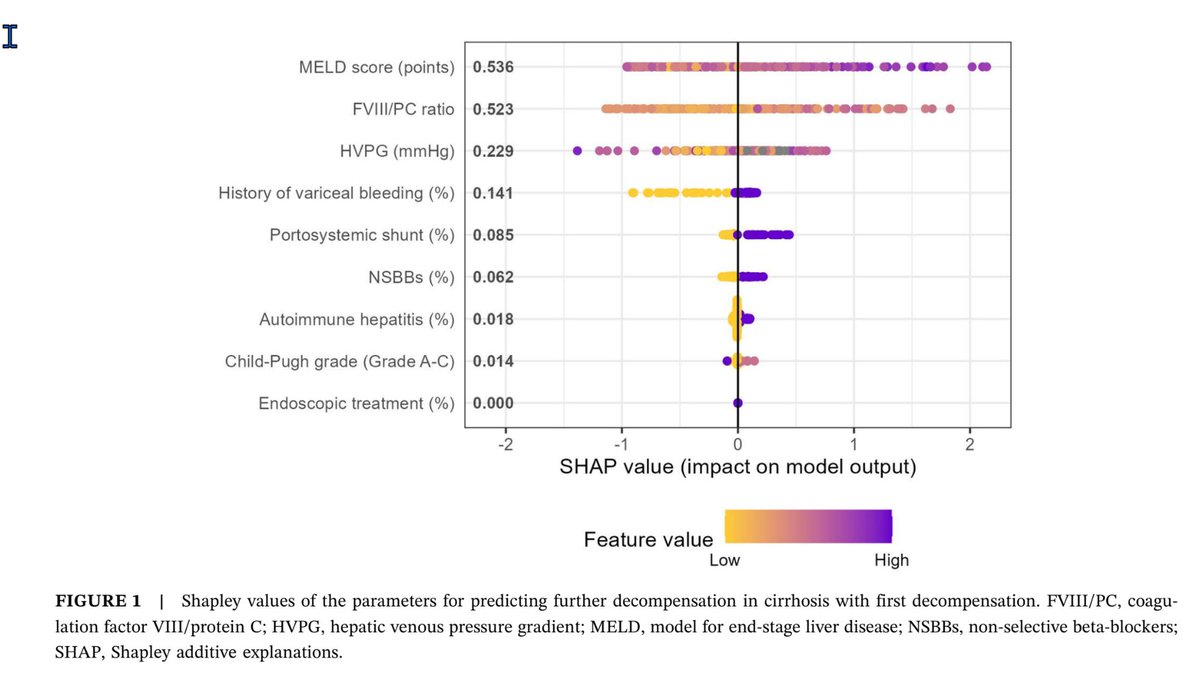
According to SHAP analysis, the MELD score and the FVIII/PC ratio are the two most influential variables, carrying more prognostic weight than HVPG or Child-Pugh grades in this cohort.
🔗 https://t.co/stiKE0sGkG
Now online ! 🩺 Further decompensation events significantly increase mortality in cirrhosis. This study identifies the FVIII/PC ratio as a novel and powerful independent risk factor for predicting these critical events.
https://t.co/stiKE0s8v8
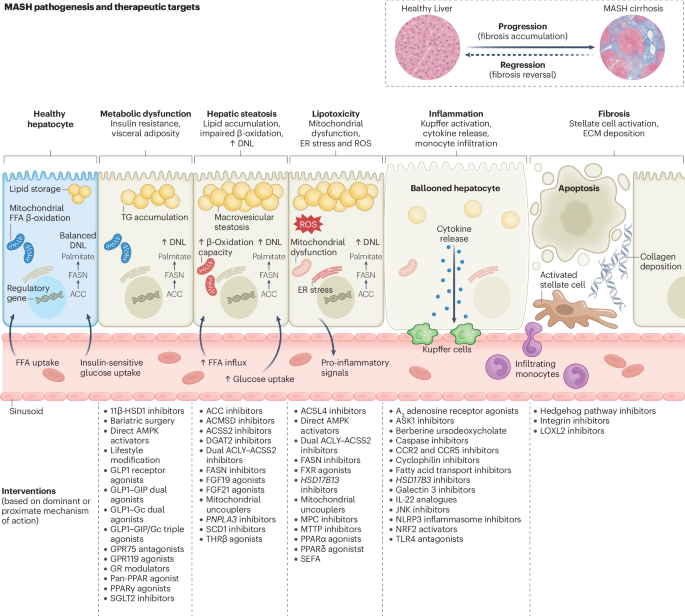
New online! Therapeutic targets for metabolic dysfunction-associated steatohepatitis: a personalized approach to disease management https://t.co/eIPEDvCIhf
Our MARCH ISSUE is live! Surgery in HCC, abdominal pain in IBD, WNT–β-catenin signalling in HCC, liver disease and HIV infection, and much more!
https://t.co/o2QuMLtWkT