Before Twitch poker was a thing, Jason Somerville was building it.
Episode 5 of the Late Reg Podcast is live.
Watch now on YouTube.
https://t.co/NWmKh1cDHk
THE STORIES. THE STRUGGLES. THE SWINGS.
- Shut up and Deal. 💯🙏📖💕
- June 2-7, 2010. Bellagio. ♣️❤️♦️♠️
- 115 hours. 10/20/40 nlh. ($+6,776)
- Guessing that about 10 have played longer. (Both before and since!)
- It’s the Guinness record NOT because it was the longest, but because it was the longests with…
A) 2 witness signatures every 30 mins.
B) Continuous live stream feed (overhead).
C) Every hand I looked at filmed.
D) 5 mins per hour for breaks. (Stacking allowed.)
Listening to @lexfridman Fridman and @Philip_Goff talk about consciousness and panpsychism. (#261)
Loving it.
Also, these clouds are beautiful.
The @WSOP dropped their schedule for this summer.
Alive and in a dream.
Life maxing. Here for it.
☁️🌥️🌤️🌅🌤️🌥️☁️
🎉 PHENOM PRO SPOTLIGHT 🎉
Huge congratulations to Phenom pro Brian Rast @tsarrast on dominating the felt and taking 1st place in the PGT Mixed Games $25K Championship! 🙌🔥
🏆 $25,000 Mixed Games 10-Game Championship Champion
💰 $480,000 first-place prize
📍 @PokerGOTour – Las Vegas
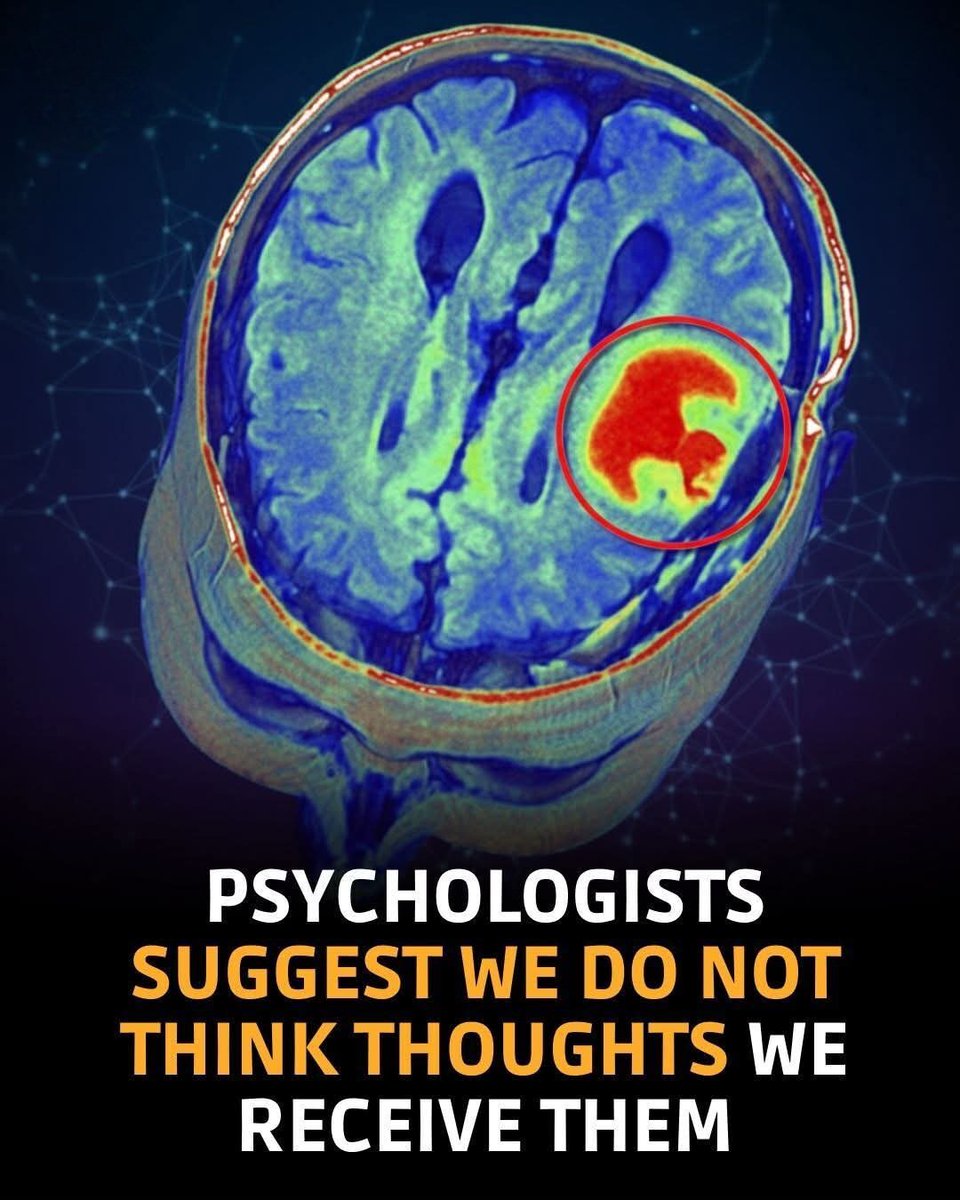
🧠 Mind as receiver, not creator.
Psychologists are exploring a fascinating idea that challenges how we understand the human mind. Thoughts may not be something we actively produce. Instead, they may arise, arrive, or surface from deeper subconscious processes beyond conscious control. Rather than being authored moment by moment, thoughts appear automatically, often without warning or intention.
Brain imaging studies show that neural activity linked to a thought begins milliseconds before a person becomes aware of it. This suggests awareness comes after the thought has already formed, not before. Meditation research supports this too, showing how thoughts emerge spontaneously when the mind is quiet, then fade when attention shifts.
This perspective changes how we relate to anxiety, creativity, and self-judgment. If thoughts are received rather than chosen, then observing them without attachment becomes easier. Mental clarity may come not from controlling the mind, but from listening to it with awareness.
The mind may be less like a writer and more like a radio, tuning into signals already in motion.