NEW PARTNERSHIP TAKES AIM AT BEE FRAUD
The BEE Chamber and The Good People Data Company (TGPDC) have partnered to launch a digital platform aimed at improving the verification of B-BBEE certificates across South Africa’s procurement sector.
The solution combines transformation expertise with automated verification technology, allowing businesses to access authenticated supplier credentials from trusted sources rather than relying on manual document checks.
Full details - https://t.co/xbFGFY0kXw
JAPANESE GIANT BUYS R4.5BN SA BUSINESS
Japanese trading and investment giant Marubeni Corporation has agreed to acquire TiAuto Investments, owner of the Tiger Wheel & Tyre and Tyres & More brands, in one of its largest investments in South Africa.
The deal marks the exit of Carlyle and Old Mutual Private Equity after a decade-long partnership that transformed TiAuto into a leading pan-African automotive retail business.
TiAuto generates around R4.5bn in annual sales and operates more than 160 outlets across South Africa, Botswana, Zambia, Zimbabwe and Namibia.
Full details - https://t.co/bEIi8fqiEL
R20 MILLION BOOST FOR DELIVERY STARTUP
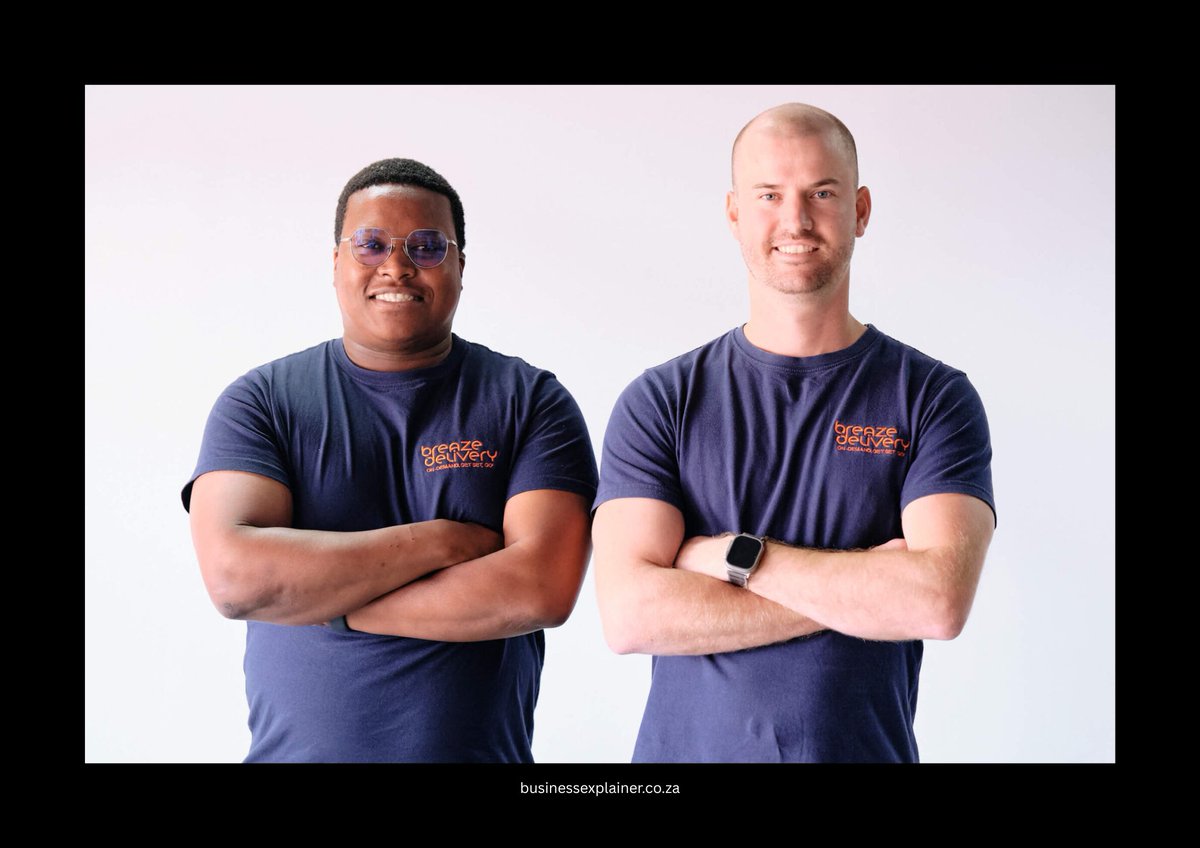
Breaze Delivery has secured a R20-million investment from the Vumela Enterprise Development Fund, a partnership between FNB Business Banking and Edge Growth.
The funding will help the company expand its technology platform, grow its driver network and extend its reach across South Africa.
Founded in 2021, Breaze provides same-day and on-demand delivery services to SMEs using live tracking technology and a flexible driver network.
Full story - https://t.co/P1tUTJnYKj
Pictured - Breaze Delivery Founders, Avi Maja and Braden Snyman
Why are developers pouring billions into warehouses on one stretch of Kempton Park? I went to see for myself.
I took a tour of the 25-hectare JT Ross Park: Plumbago 5 site in Riverfields that is currently under construction. What you see in the video are 4 of the 8 warehouses going up (sizes range from 4500m2 to 24 000m2), these will be complete during Q3 and Q4 2026.
The corner of Gauteng where Kempton Park, Boksburg and Germiston meet is the busiest economic engine in the whole Ekurhuleni metro. This triangle alone accounts for around 43% of the metro's economy, more than any other part of the city.
The metro's own planners call it the core, the logistics hub for the continent and the country's warehousing base. The Riverfields logistics precinct sits right inside the most productive corner of a metro that, on its own, drives close to a quarter of Gauteng's output.
Tenants taking up warehouse space in the precinct are setting up in the part of the country that already moves the most goods. Gauteng handles the bulk of South Africa's freight and holds the biggest cluster of warehousing and distribution space anywhere in the country, and this warehouse development plugs straight into it, minutes from OR Tambo and onto the R21, R23 and the wider freight network. From here, you can reach the airport, the rest of Gauteng, and neighbouring countries without battling the congestion of the older hubs.
Demand for logistics warehousing space has been running so far ahead of supply that warehouse vacancy rates across the country sat below 5% through most of 2025, with the online shopping boom and a shortage of new stock keeping good, well-placed space hard to come by.
Modern warehouses in the right spot are not sitting empty. For a logistics operator located at JT Ross Park, Plumbago 5, you are close to your market, close to your transport links and parked in the part of the country doing the most business.
@KingMntungwa Marquee setup costs have become insane high. Without multiple brands investing, the ROI just isn’t worth it. Rule changes have made it harder for independent event companies to stay profitable. That is the reality.
ABSA’S PROPOSED BOARD FEES AND THE ECONOMICS OF BOARD ACCESS
As Absa continues to dominate public conversation, shareholders are today expected to vote on the proposed remuneration of non-executive directors for the 2026/2027 period.
If approved, the fees will apply from 1 June 2026 to 31 May 2027.
The proposed fees are:
*Board Chairman: R8,124,334
*Lead Independent Director: R290,306
*Board members: R728,556
These figures are exclusive of VAT where applicable.
The numbers matter.
Not because board service should be reduced to money, but because they reveal a truth many professionals are never taught:
Board access is also economic access.
June marks the end of the first half of the year. It is a natural moment to review income, positioning, visibility and missed opportunities.
I have often hesitated to speak openly about board fees because a board seat is not a side hustle. It is a fiduciary responsibility requiring judgment, preparation, ethics, oversight and accountability.
But we must also be honest.
Part of the reason the same names continue to circulate across boards is that they understand the economics of governance access. They know that board appointments can strengthen their finances, expand their influence and keep them visible for future opportunities.
Meanwhile, many capable and ethical professionals do not even know what board fees can look like, or that advisory roles can become pathways into formal board appointments.
This is why board fees must be demystified.
Not to attract greedy people.
To inform ethical people.
In my view, serious board candidates should aim, over time, for a maximum of three meaningful board or advisory roles per annum.
Three roles where they can prepare properly, contribute meaningfully, read deeply, ask the right questions and serve with integrity.
One of our own candidates started with an unpaid advisory board role.
Zero fees.
Just proximity, learning, positioning and governance exposure.
Today, at only 34, she holds two paying board roles over and above her primary professional income.
One pays approximately R589,000 per annum.
The other, converted from a dollar-based committee role, pays approximately R627,000 per annum.
That is an additional board-fee portfolio of:
R1,216,000 per annum
This is not her salary.
It is additional income created through governance readiness, credibility and positioning.
Board service is not a side hustle.
But let us stop pretending board fees are irrelevant.
#AskAsanteOnBoards
PEP IS BIG!!!!!
PEP is officially coming for South Africa's big bank AFTER making R3bn from financial services alone.
Pep just got the green light from the SARB to launch its own bank, leveraging its massive network of over 6,600 stores and 32 MILLION clients.
The numbers behind the retail supermajor are massive, interim results 2026:
💰 R54.8bn in revenue
📈 R6.3bn in operating profit
💳 Financial services revenue surged 41% to hit that R3bn mark
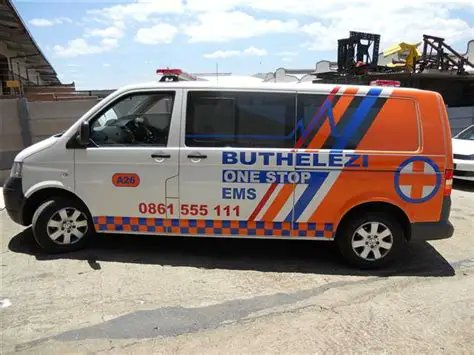
#SIUWorkingForYou| SIU WELCOMES FREEZING OF LUXURY PROPERTY AND FARM LINKED TO UNLAWFUL R532 MILLION FREE STATE EMERGENCY MEDICAL SERVICES CONTRACTS
The Special Investigating Unit (SIU) welcomes the Special Tribunal’s order to freeze upmarket property in Meyersdal Nature Estate, Alberton, Gauteng, which is linked to businessman Thapelo Samuel Buthelezi. The order prohibits Buthelezi from selling, transferring, mortgaging, or otherwise dealing with the property.
(infographic to follow)
Did you know FNB & Standard Bank make over R25 Billion a year from Black Card clients?
Over 3.3M affluent South Africans use these premium accounts (~1.8M at FNB, ~1.5M at Standard Bank).
Between R490/mo account fees and the massive home loans, asset finance, and wealth products cross-sold to them, a private client is worth up to 10x more than a standard retail user.
To qualify for a dedicated Private Banker:
• FNB: R750k+ p.a.
• Standard Bank: R696k+p.a.
No wonder Investec is aggressively coming for their lunch.
They just launched a massive strategy to hunt down 122,000 new private clients to secure an extra R3 Billion in profit by 2030.
With only ~1 million South Africans earning over R800k, the war for your salary slip is officially a bloodbath.
R20M FOR BLACK-OWNED DEALERSHIP
The Automotive Industry Transformation Fund has approved R20-million in blended funding for Fumani Holdings to establish a Black youth-owned Isuzu dealership in Westonaria, Gauteng.
The business, previously fully White-owned, will transition to 100% Black ownership without equity dilution.
The funding will support vehicle stock, working capital and workshop equipment.
Isuzu Motors South Africa has already granted a dealership licence, demonstrating confidence in the venture.
Link in bio for more