He’s typing in a search bar, quick show him the search option he’s looking for.
Perfect. He typed the next letter that is also the next letter in the option we just showed him so take that option away and show him an option that doesn’t match at all
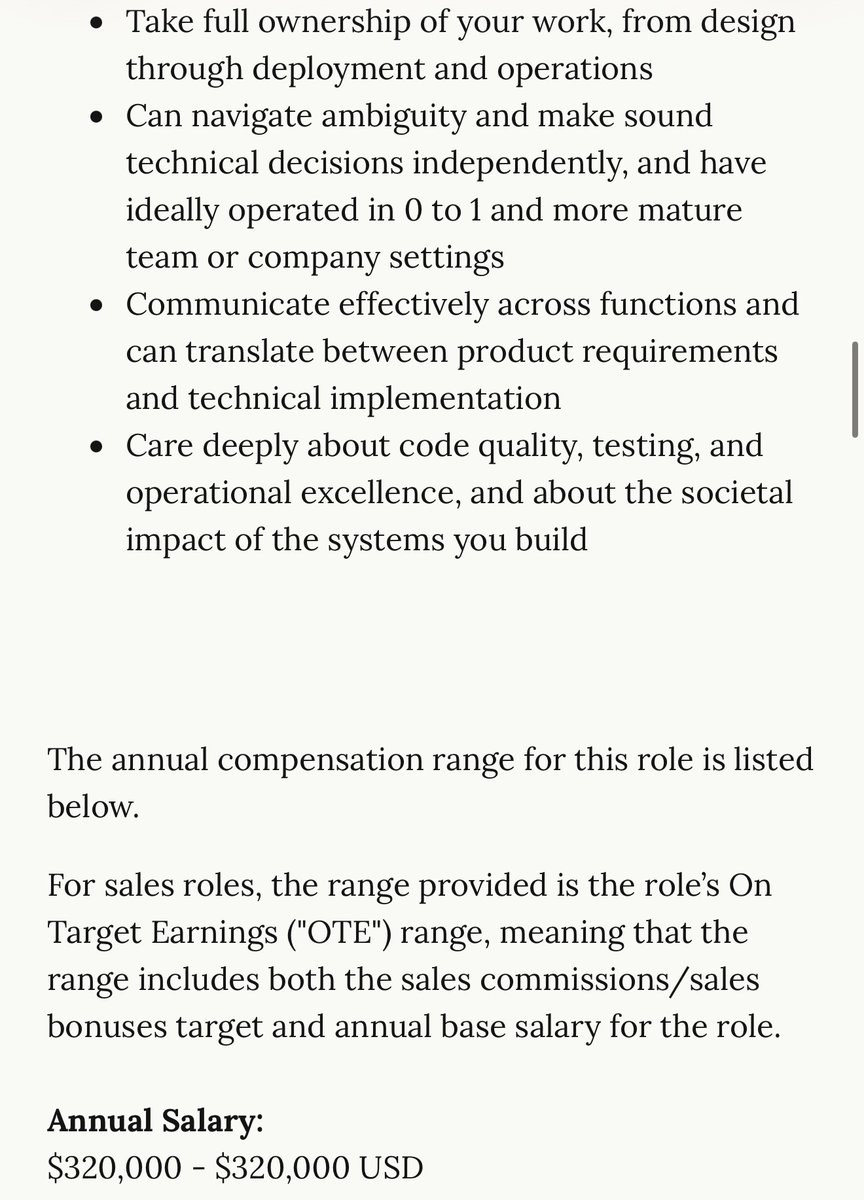
Anthropic has 454 open roles. The company is hiring software engineers at $320K-$405K. Their CEO, Dario, said three months ago that coding is "going away first, then all of software engineering."
The paradox resolves instantly.
Dario's engineers told him they don't write code anymore. They let Claude write it. They edit. They review. They architect. They didn't lose their jobs. They got faster. Anthropic grew from a small research lab to 1,500 employees in four years, adding engineers the entire time.
This has played out five times in computing history. Compilers replaced assembly. Frameworks replaced boilerplate. Cloud replaced server management. Every prediction was the same: most programmers won't be needed. Every result was the same: the number of engineers grew.
The global software engineer pool went from roughly 5 million in 2010 to 28.7 million today. BLS projects 17% growth in US software developer roles through 2033, adding 304,000 positions. The pool is projected to hit 45 million by 2030.
When building software gets cheaper, more problems become worth solving with software. A startup that needed 10 engineers now needs 3. But 50 companies that couldn't afford to build at all now can. The denominator shrinks. The numerator explodes.
Meta's engineering headcount is up 19% from January 2022. Google's is up 16%. Apple, 13%. These companies adopted AI coding tools years ago. They're using Copilot and Claude Code daily. They're hiring more engineers than before those tools existed.
Every generation of "coding is dead" content creates two cohorts: engineers who freeze up, and engineers who build 10x more with the new tools. The second group has won every single time.
Sam Altman predicted in 2024 that a one-person billion-dollar company "would have been unimaginable without A.I., and now it will happen."
He just emailed the NYT saying he won a bet with tech CEO friends over when it would arrive, and that he "would like to meet the guy."
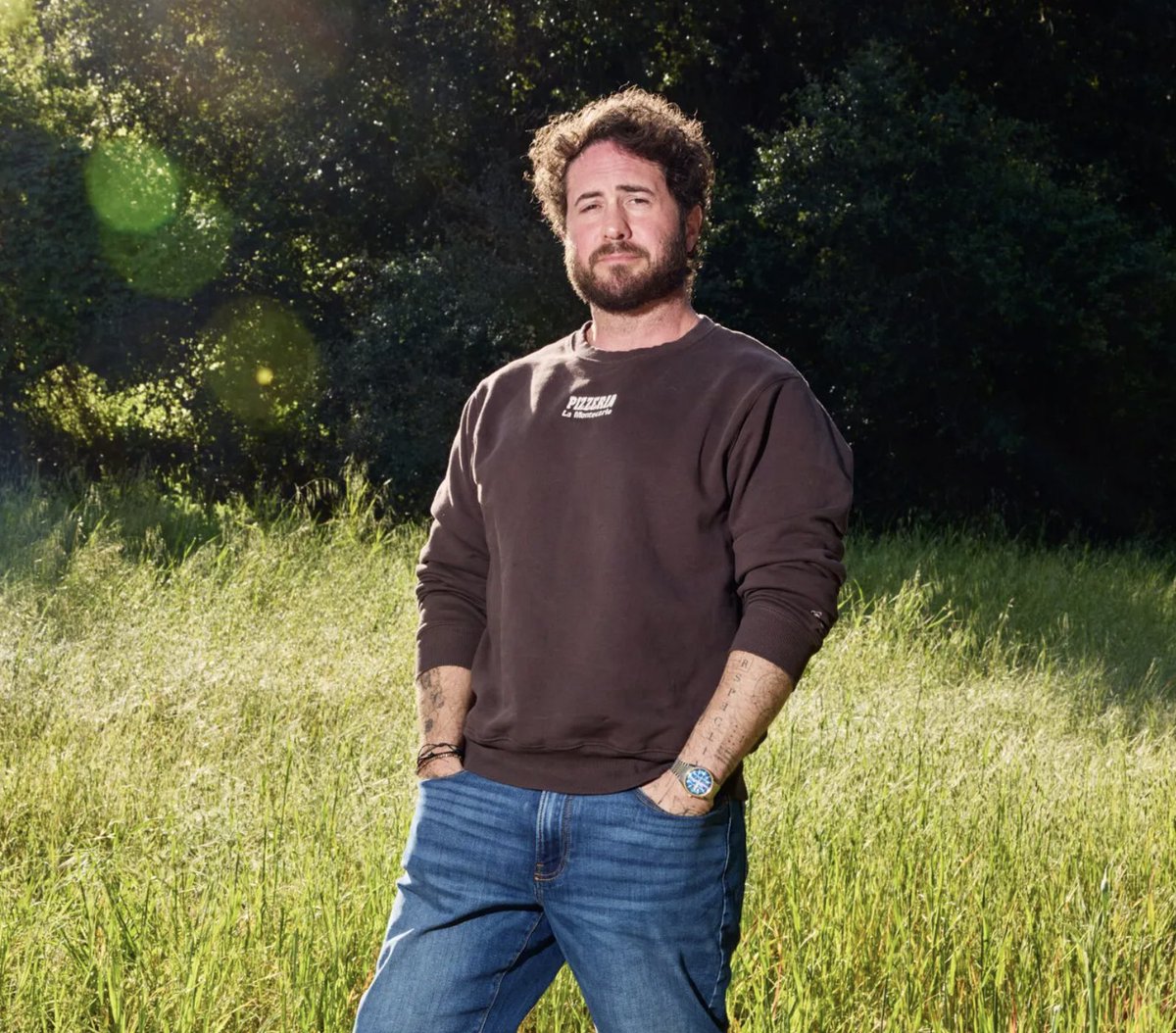
The guy: Matthew Gallagher, 41. Spent $20K and two months building a GLP-1 weight-loss telehealth company out of his living room in LA.
The stack: ChatGPT, Claude, and Grok writing code. Midjourney for images. Runway for video ads. ElevenLabs handling customer calls. Custom AI agents stitching it all together.
$401M revenue in year one. On track for $1.8B this year.