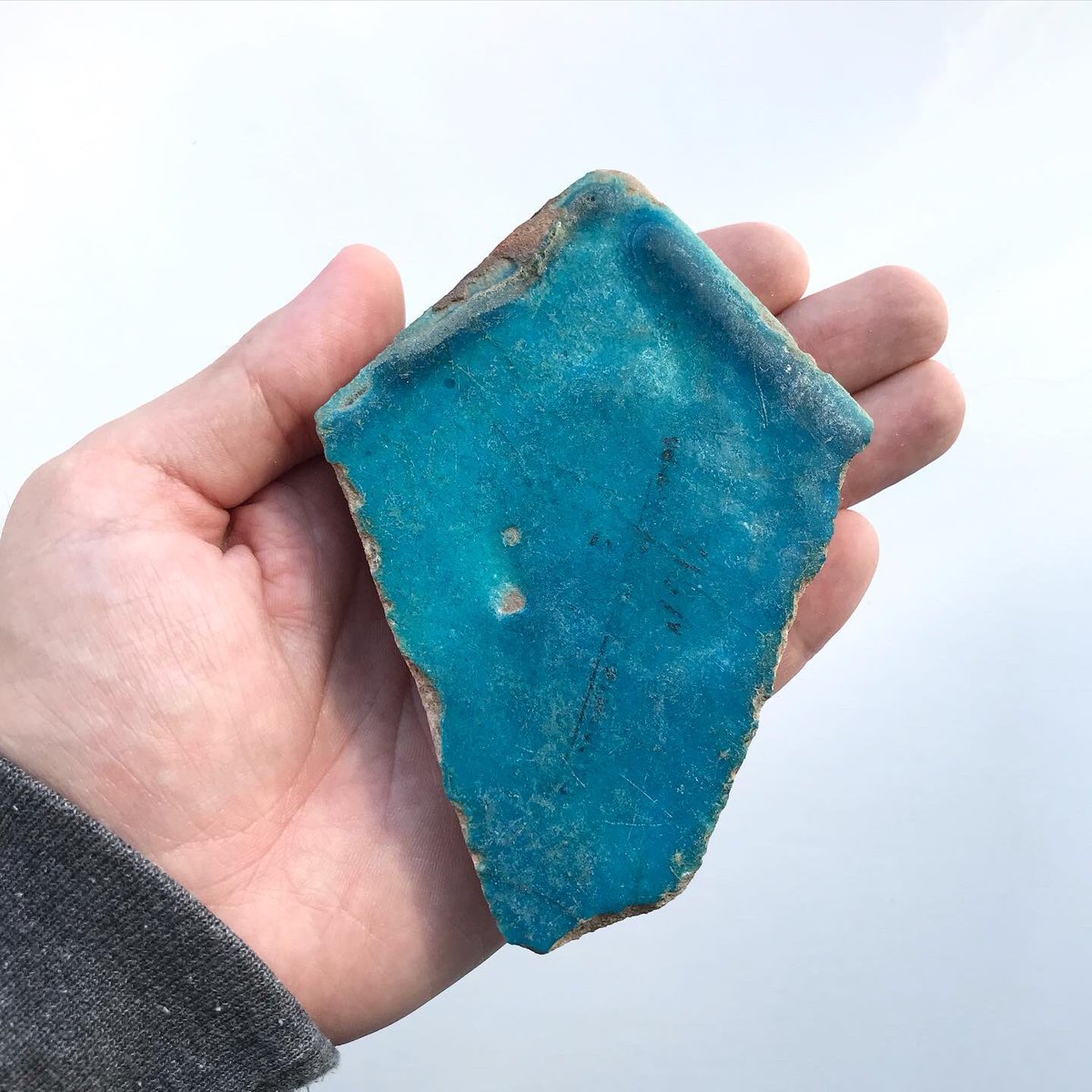
Well-preserved clay-made form with ornament and #Arabic#inscription.
#Translation was easy, but interesting.
We have one more name of potential #medieval#Azak inhabitants, because the text on the artifact has it!
The inscription itself is عمل على or “work (of/by) Ali”.
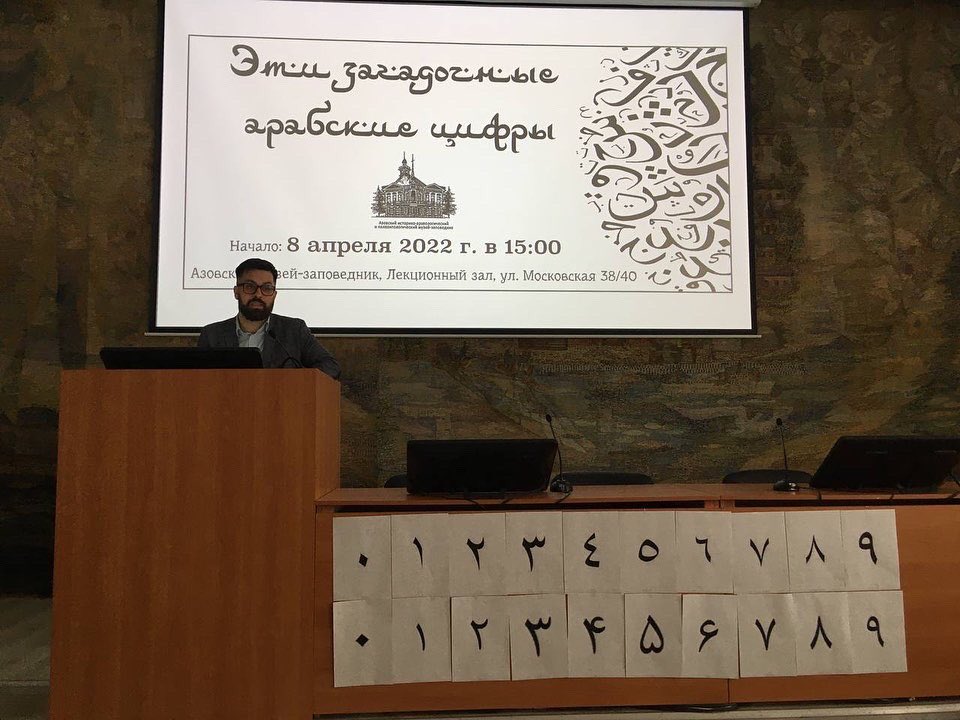
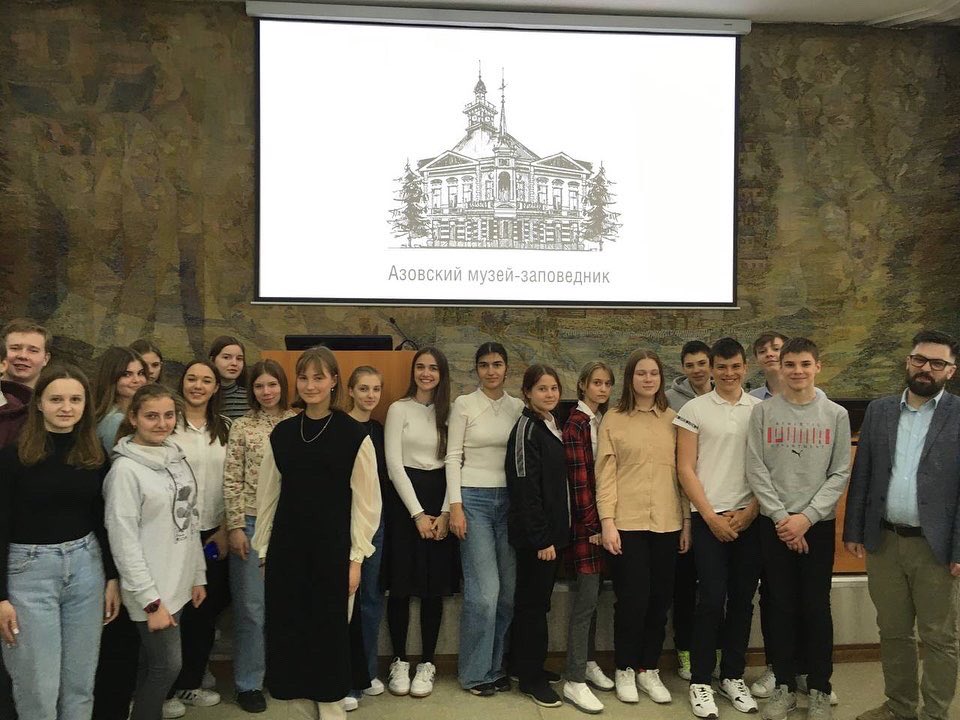
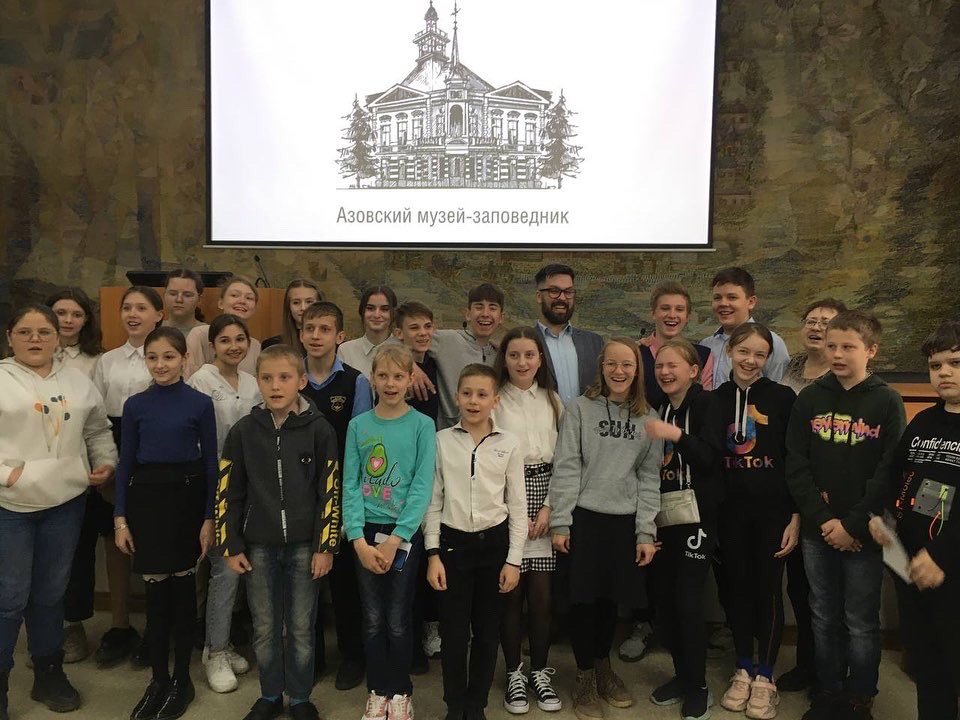
Some photos of my today’s lecture about #Arabic and #Persian numerals for children.
Everybody, who came to @Azov_Museum liked it very much.
#Kids were quick learners, they enjoyed speaking, reading and writing #numerals in Arabic and #Farsi - one of the hardest world languages!
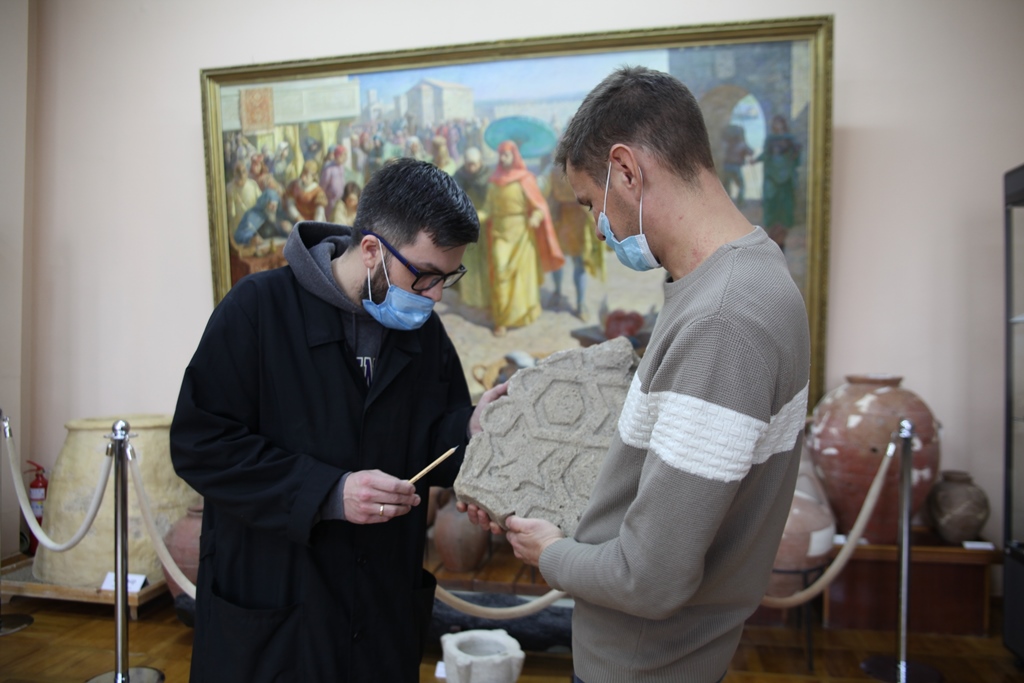
Archaeological #seminar with more than 40-year history was held in @Azov_Museum .
I took part in it for the 11th time.
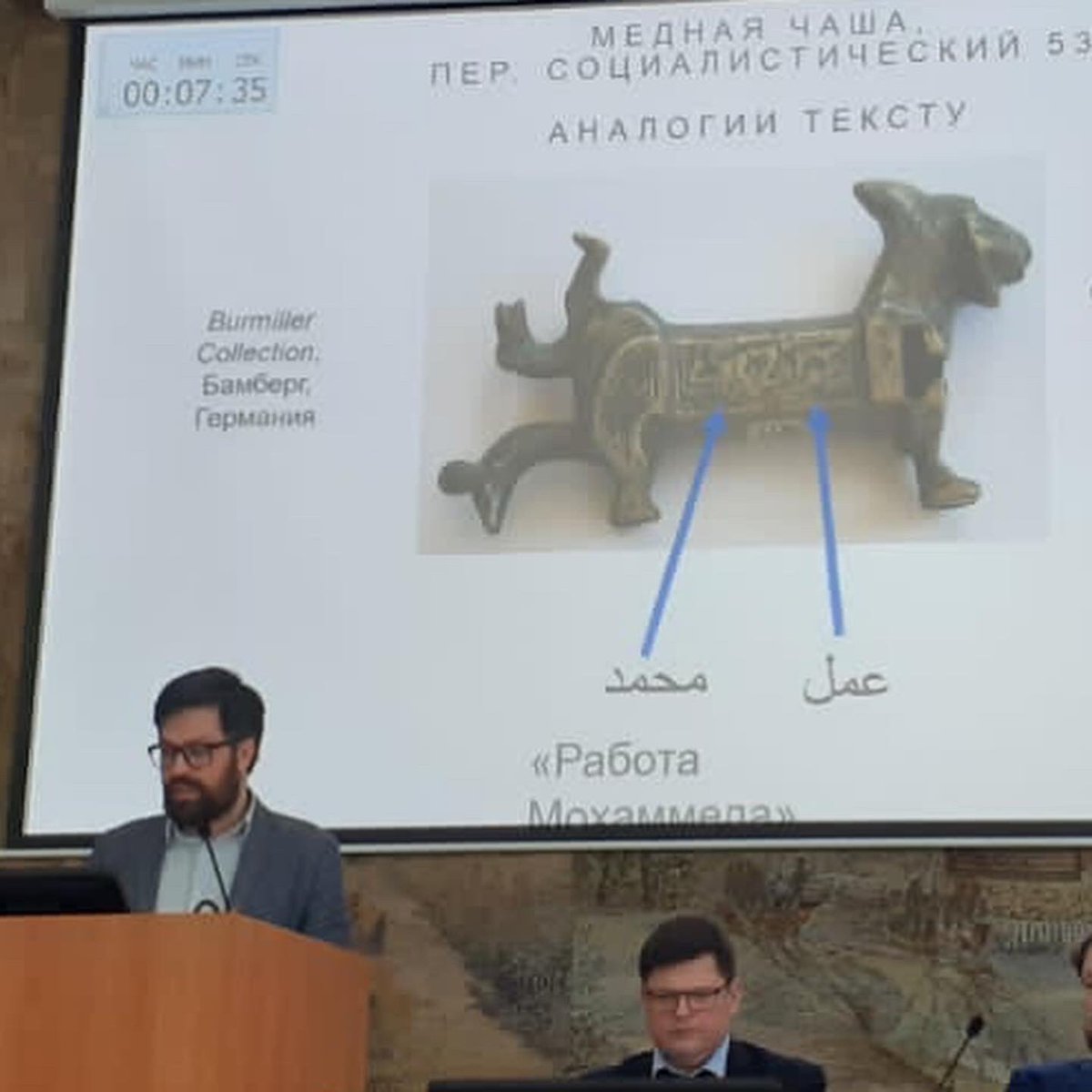
I presented artifacts with XIV c. AD #Arabic epigraphics, including piece of a copper #bowl with “W(ork) of Mohammad (or Mahmood)” - (محمود)عمل محمد inscription.
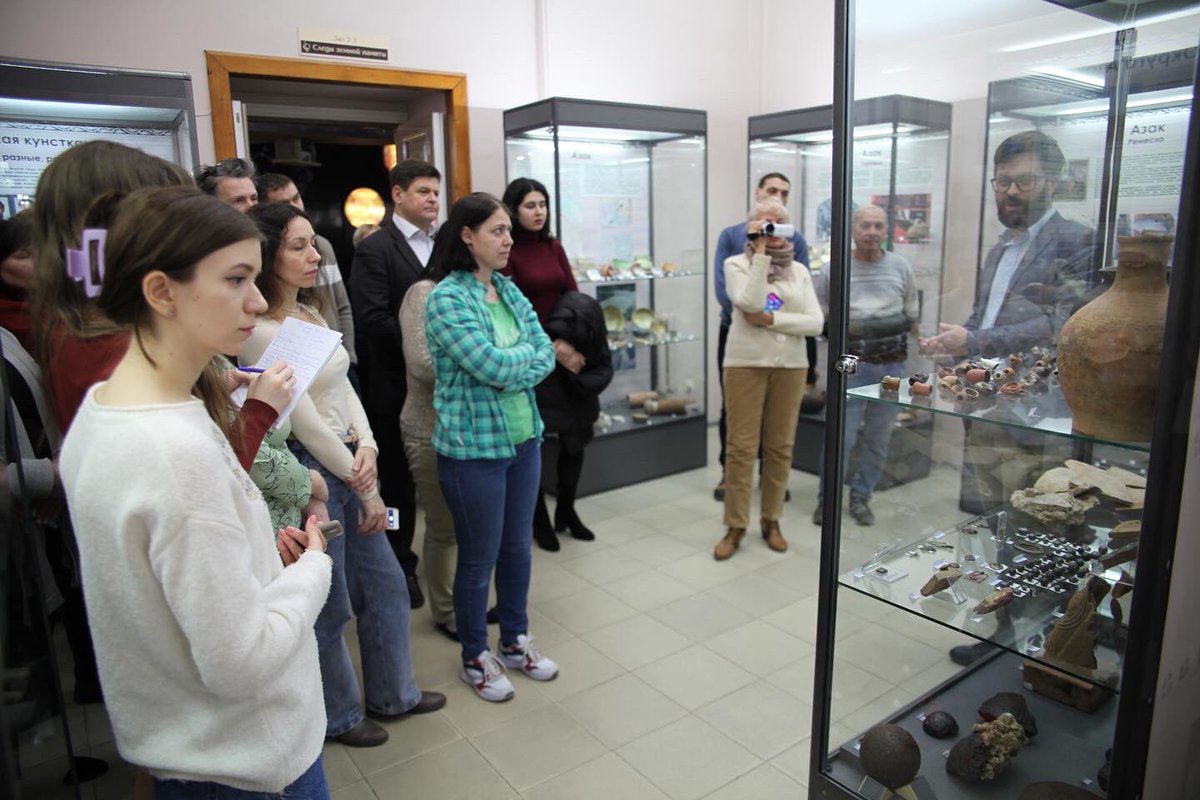
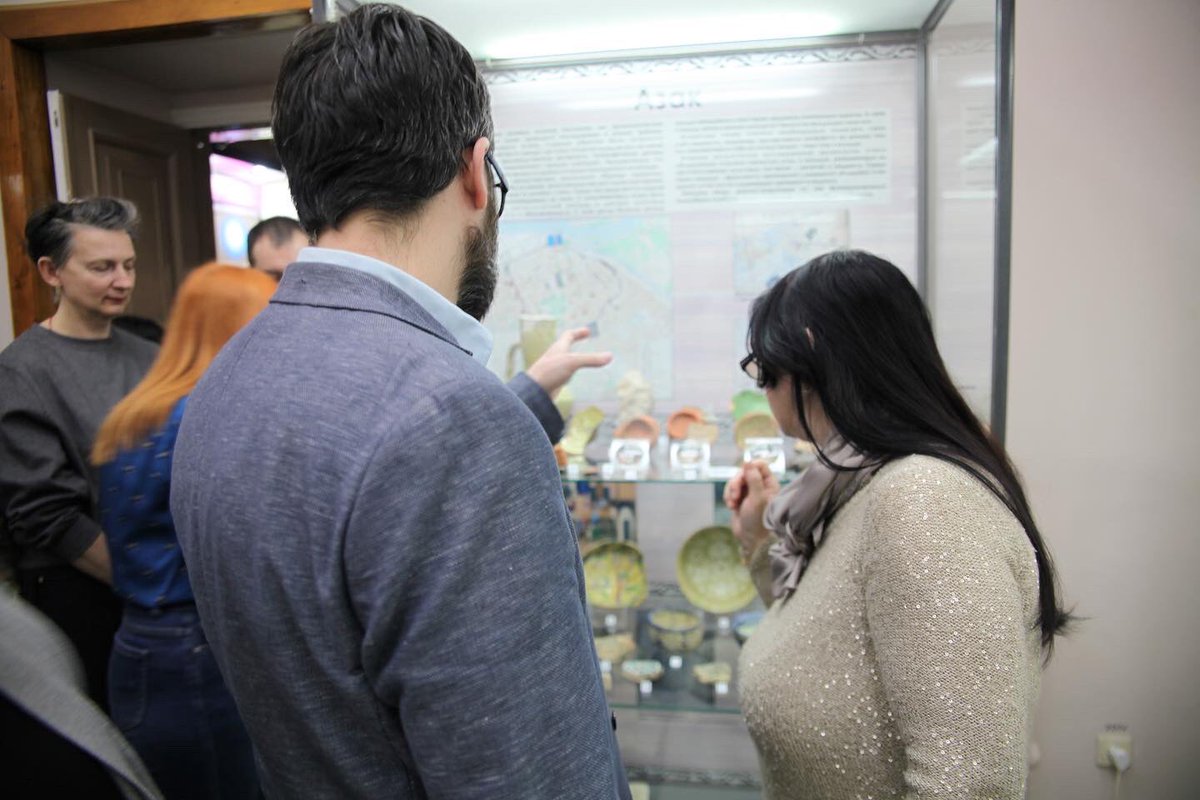
New archaeological #exhibition “Forgotten city of a forgotten country” under my curation was opened today in @Azov_Museum
Huge thanks to all first #visitors and to those people who helped this event to become so #bright and #perfect as it was #today.
Today I took part in a #conference held by @Azov_Museum with the report on samples of #Arabic and #Persian epigraphic artifacts from museum’s collection.
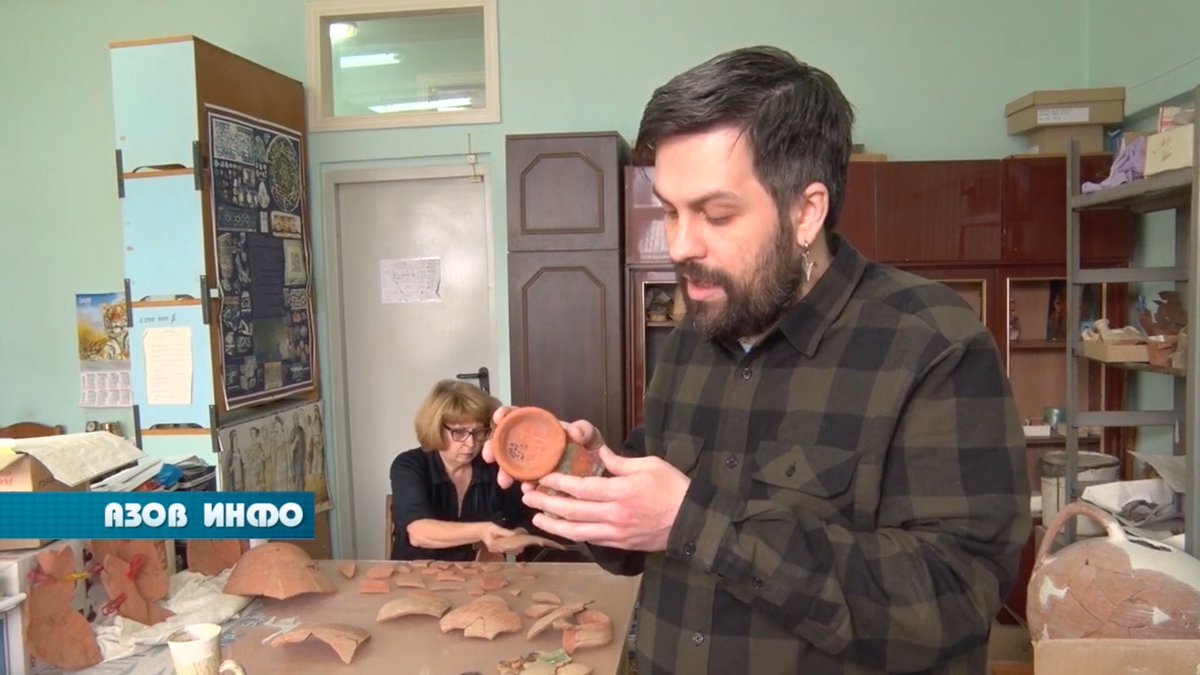
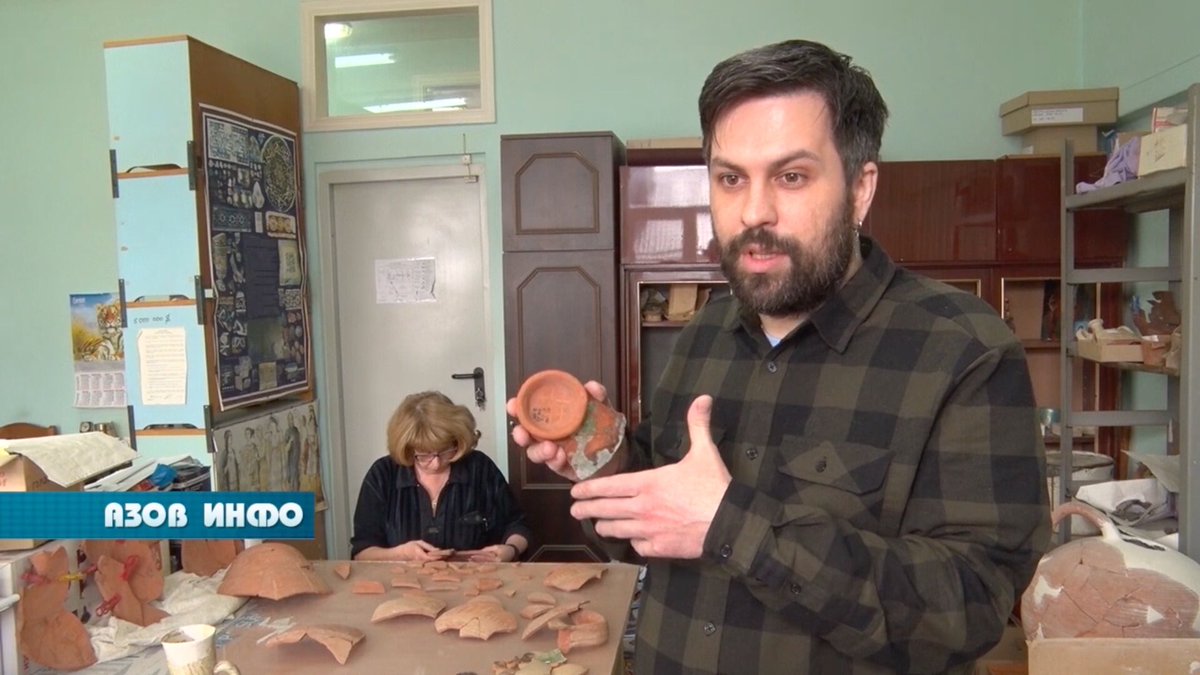
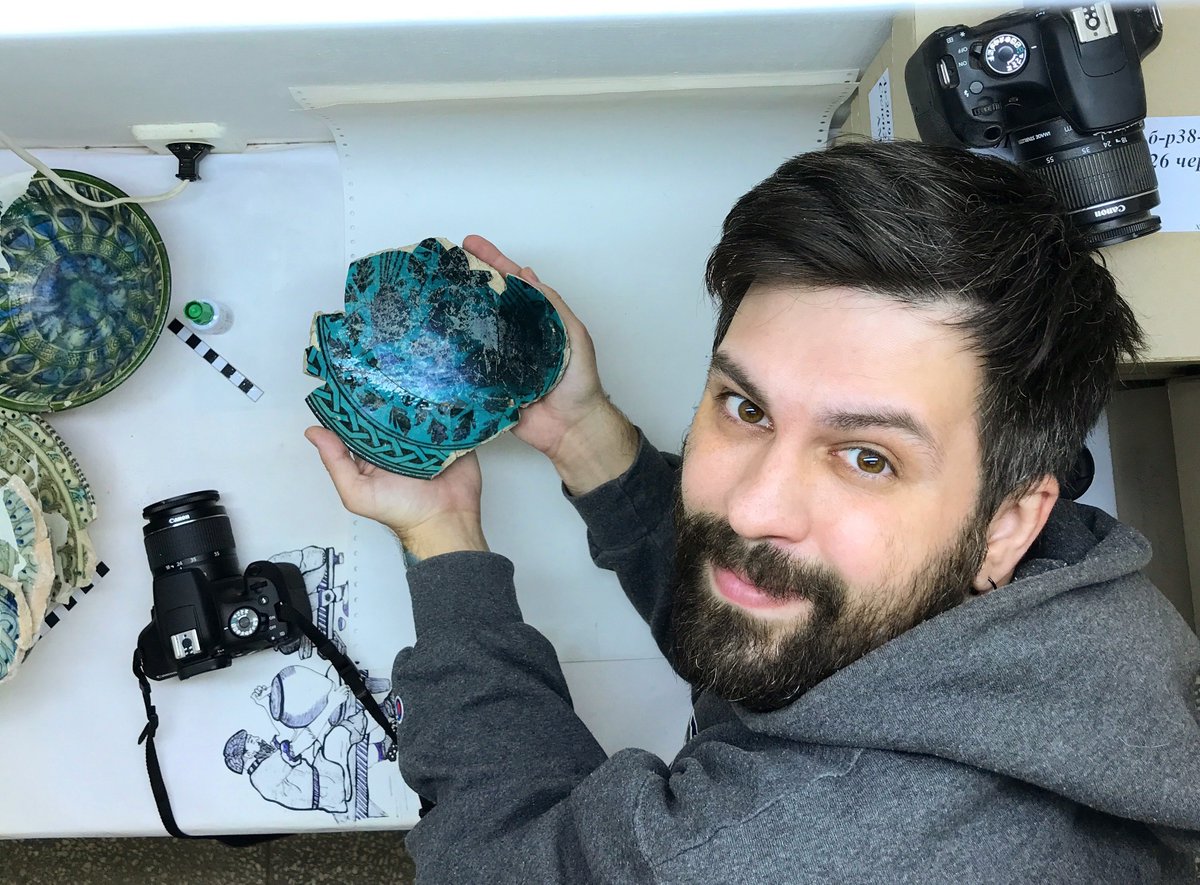
My new #interview about the forthcoming #exhibition in the @Azov_Museum which I curate. Some unique artifacts were introduced, for example a fragment of 14 c. AD #glazed#bowl from #Azak with a specific property mark.
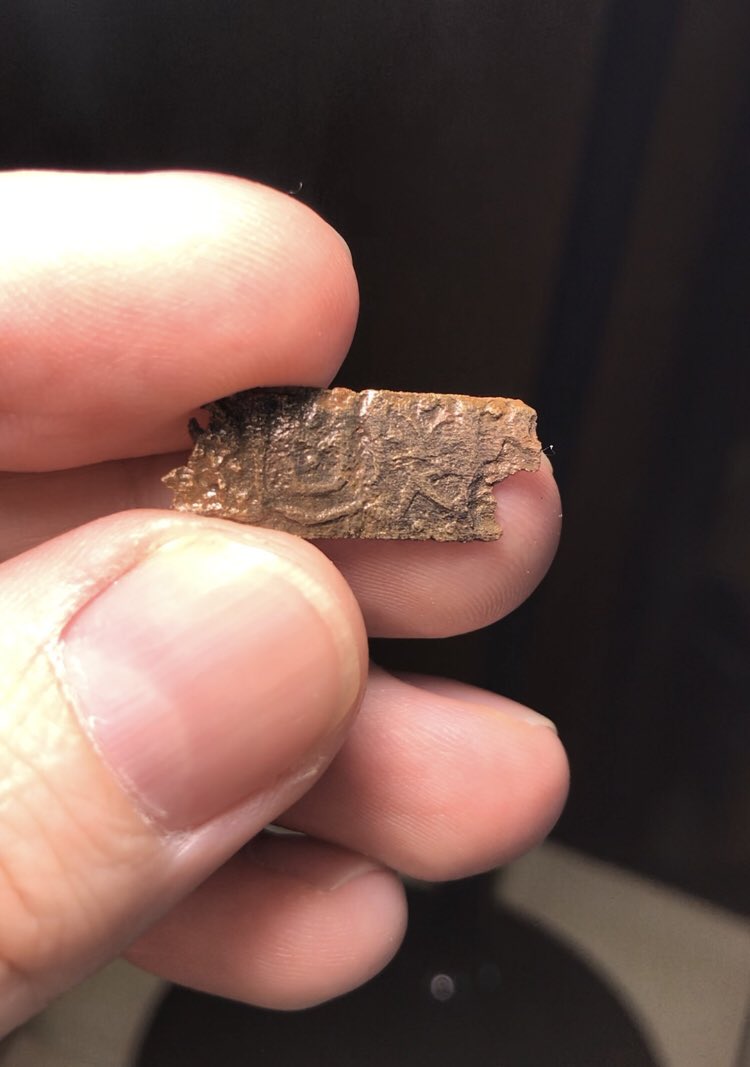
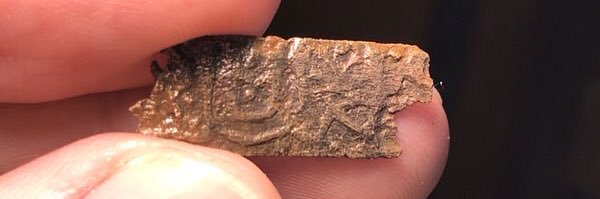
I gave comments on TV about artifacts from my excavations in the Golden Horde city of #Azak. The first one was a piece of bracelet with remains of three #Arabic words. The most preserved (without letter س) is “sultan” - سلطان. It has a feature - ن was put in between of ط and ا.
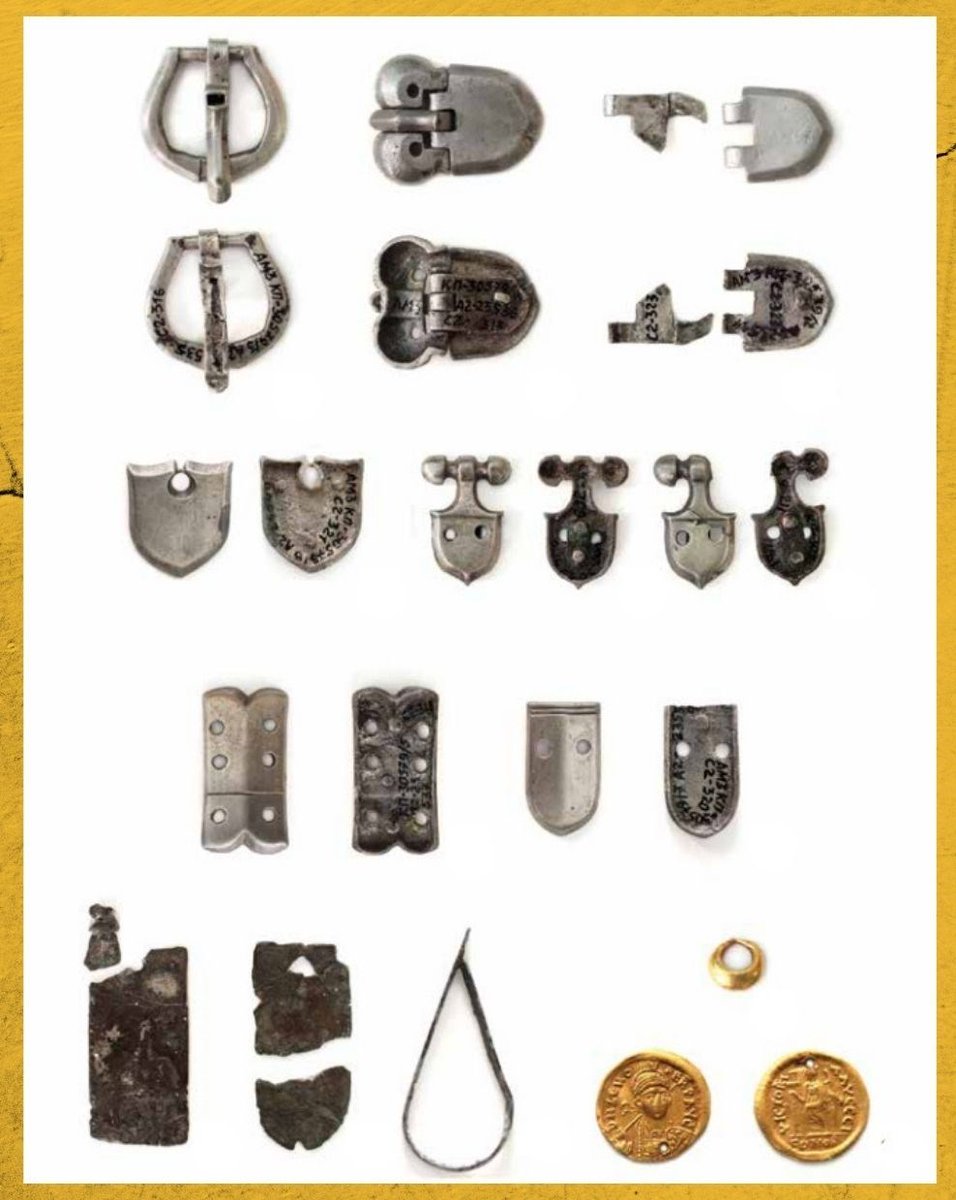
В свежем номере журнала Archaeologiai Értesítő («Археологический бюллетень») вышла статья за авторством старшего научного сотрудника Азовского музея Н. И. Юдин а также археолога из Университета Будапешта Б. Гуяша и независимого исследователя П. Шомогьи. https://t.co/v6XxPRLMlz
Иранские и азовские ученые вновь порадовали нас новым открытием, на этот раз сделанным на территории Ирана.
Подробности по ссылке:
https://t.co/adp6J8cY6z
В ноябре 2021 года в Гранаде (Испания) состоялся международный конгресс, проводимый Ассоциацией Исследователей Керамики Средиземноморья. В программу работы конгресса были включены два постерных доклада сотрудников Азовского музея.
https://t.co/jQrsOkOxhb
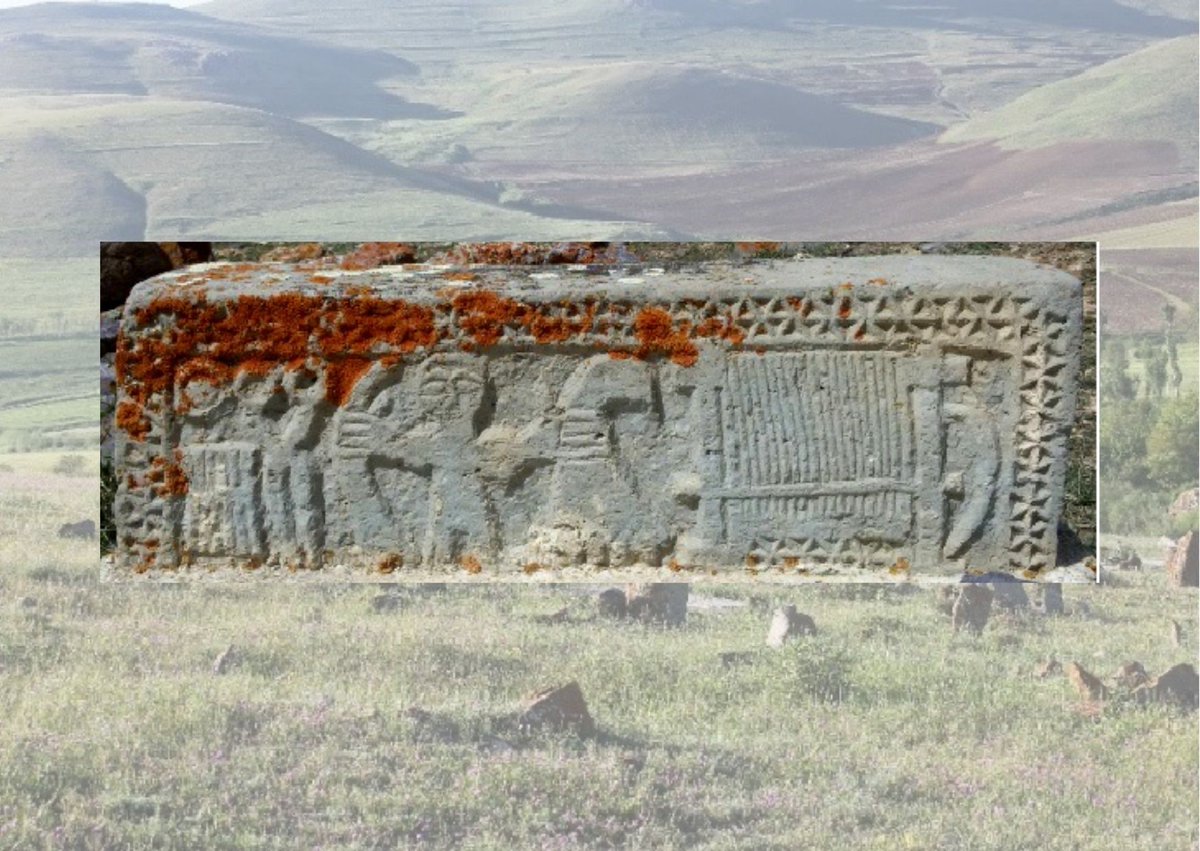
Осенью 2021 года вышел в свет свежий номер научного журнала «Археология евразийских степей». В номер включена статья археологов Азовского музея Н. И. Юдина и А. П. Минаева под названием «Мусульманские каменные надгробия XIV века из золотоордынского Азака».
https://t.co/csClliX1oL
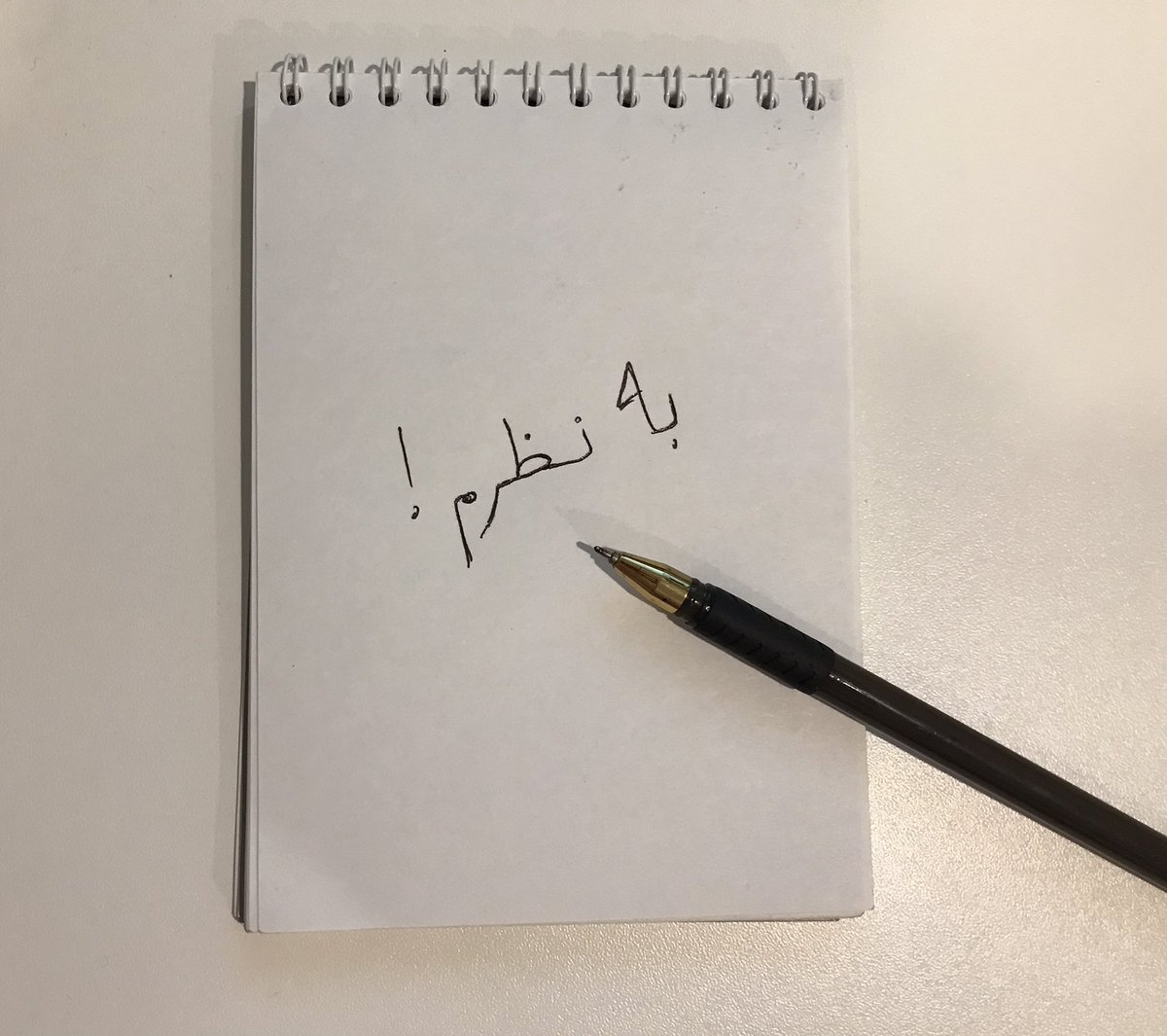
Doing well with #Persian is when translating from #Russian to #English, I paused for a while - what English phrase it is better to use for Russian "На мой взгляд,..."?
So, what do you think came to my mind?
Instead of "In my opinion,..." I said it out loud "!به نظرم"*
😅
Your face when you've just "decoded" one more inscription on medieval artifact!
This is a good sample of pleasure and business combination - it means more practice of one of Eastern languages together with gaining more archaeological #knowledge and other bonuses.
#islamic#art
I presented #translation of Arabic inscription on 14 c. AD glazed tile from Azak. My suggestion of relevance between text on tile and one of the Holy Quran verses was supported by colleagues from #Egypt.
It was nice to be recognized by experts, especially #Arabic native speakers!
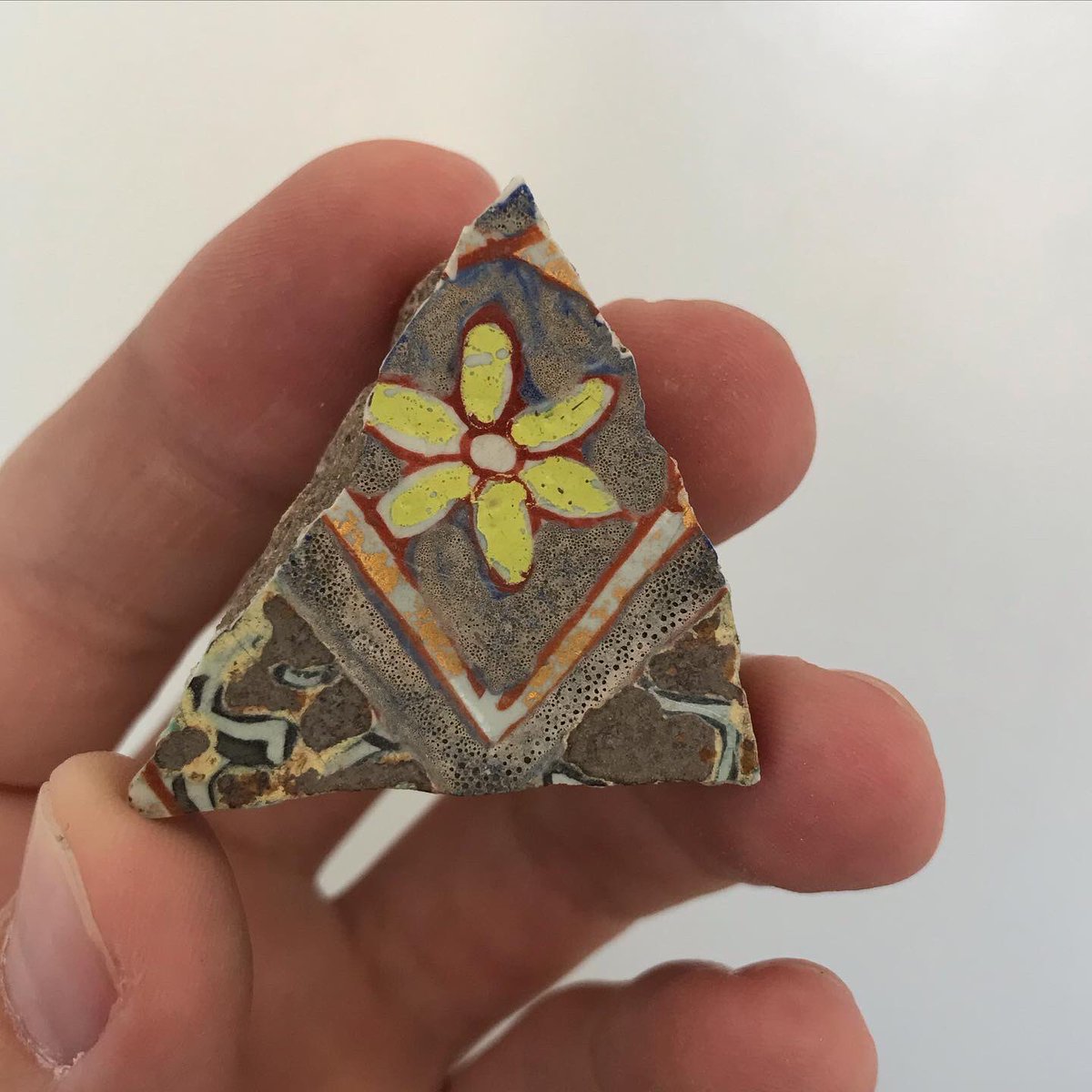
Fragment of 14 c. AD #stonepaste#tile decorated in ladjvardine was found in 1973 during Azak #excavations.
If we correctly define such fundings morphologically and stylistically - our understanding about the architectural traditions and origin of decorative style will be wider.
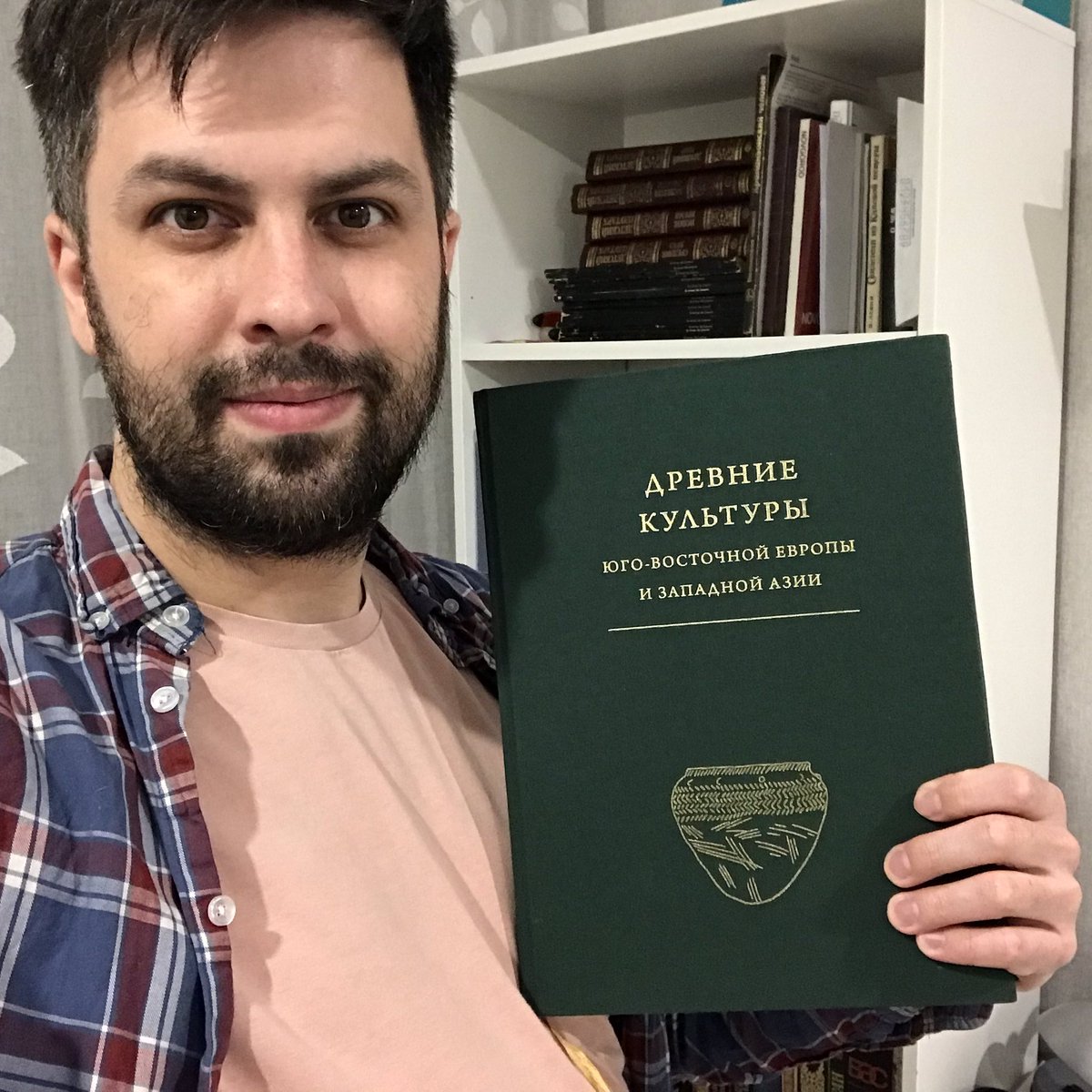
Here is the #prize!
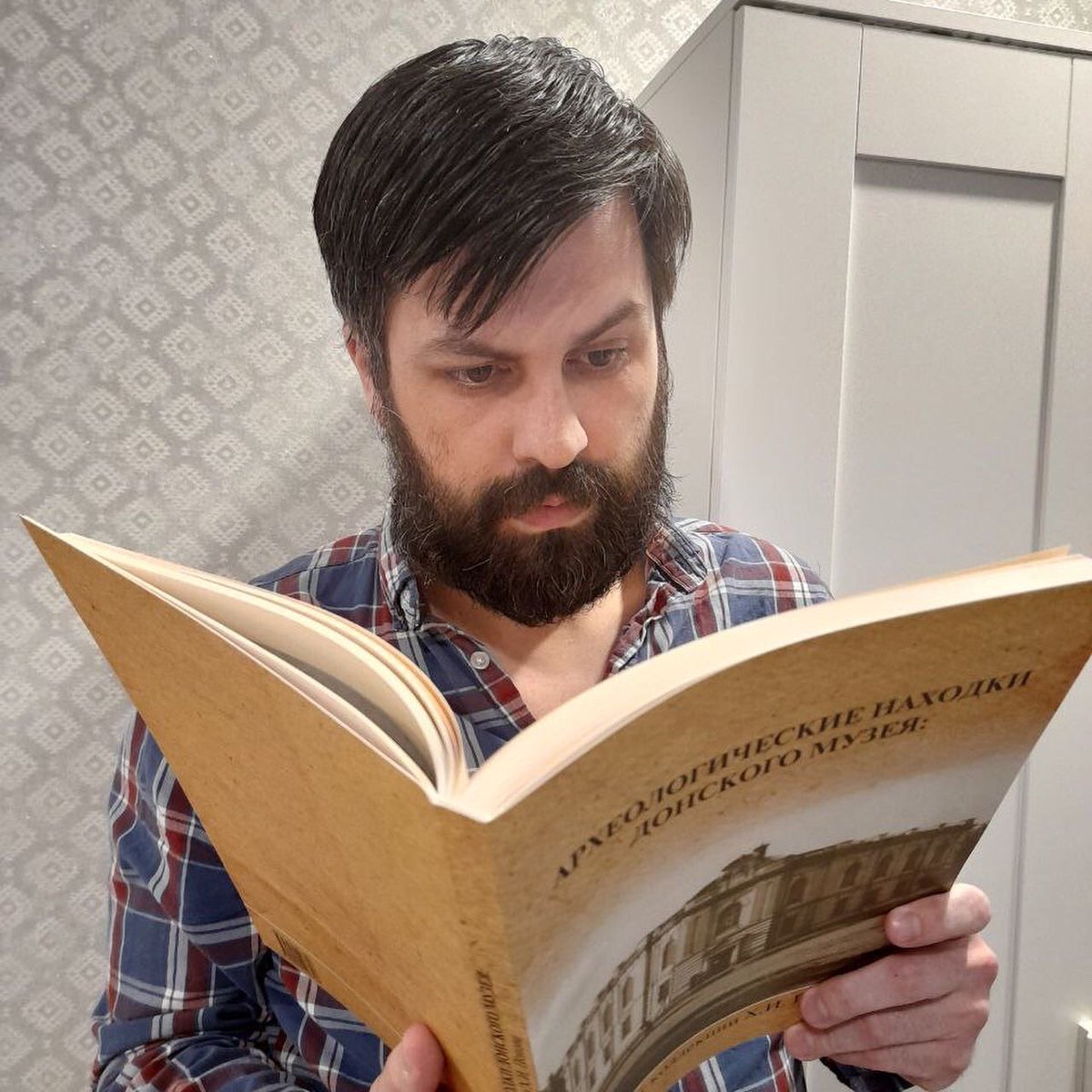
Not so long ago I received this wonderful #book about ancient cultures of South-Eastern #Europe Western #Asia as an #award. My #photograph was among the winners of the contest held by Institute of #Archaeology, #Russian Academy of Sciences. Wow!