Next in the #dontbreakyourvet series is about worming and making it a worry free process! Many horses can be suspicious of worming and don’t like the taste of the wormer so understandably can become fussy or difficult to worm. #teamphoenix#equinevets
https://t.co/UDC92eWJX5
Next in the #dontbreakyourvet series is all about clicker
training – a great way of training your horse or pony using a positive method and is a brilliant way of bonding with each other! #equinevets#teamphoenix
https://t.co/XTHqWRVlFV
Next in the #dontbreakyourvet series is about the ‘head shy’
horse. Often as vets, we see horses that have become head shy for different
reasons and to try to examine or treat them can prove tricky - here are some tips to help! #teamphoenix#equinevets
https://t.co/PvNiekHCTG
Next in the #dontbreakyourvet series is about leading, loading and trotting up – useful tips not just for your vet visit but lots of other
occasions too including farrier and physio visits or even trotting up before
competitions! #teamphoenix#equinevet
https://t.co/Iko31SR3Ri
Next in the #dontbreakyourvet series is about clipping. We often have owners asking us about tips about how to make clipping an easier process – well here is the video for you! #teamphoenix#equinevet
https://t.co/QNskeByLur
Next in the #dontbreakyourvet series is about learning to stand still – useful for not just vet visits but lots of other occasions too including farrier visits, grooming and getting on at the mounting block! #teamphoenix#equinevet
https://t.co/aHmWxaZy2f
Todays topic for #dontbreakyourvet video is Easy Injections! Injections can be very scary for horse, owner and vet if the horse or pony is nervous and becomes difficult to handle so here are some tips to help #teamphoenix#equinevets
https://t.co/oLOJZ1wSoI via @YouTube
Recently our vets have noticed an increase in horses being nervous of vets and any veterinary treatment. So we thought it would be useful to run a series of posts covering behavioural training topics as part of the #dontbreakyourvet campaign
https://t.co/VigjUM11O2 via @YouTube
Do Horses need less water in the winter compared to the summer?? No! A horse's daily water intake should stay the same throughout the entire year - roughly 30 litres a day. It's so important to provide fresh water supplies regularly for freezing. #EquineMyths#preventingcolic
If your horse is rugged over winter, make sure to check under the rug each day for any rubbing, chaffing or injuries which may go un-noticed under a rug. It is also a good chance to check they are not loosing or gaining too much weight! #WinterTopTips#teamPhoenix#PhoenixEquine
***Equine Herpes Virus***
Please see picture attached with information about the recent Equine Herpes Virus outbreak, any questions or concerns please ring the office #equinevets#clientinformation
Someone is having a very comfy snooze! One of our lovely clients sent us this picture - aren't they the cutest?
We would love to see any of your cute and funny pictures of your faviourite four legged friends! #teamphoenix#equinevets
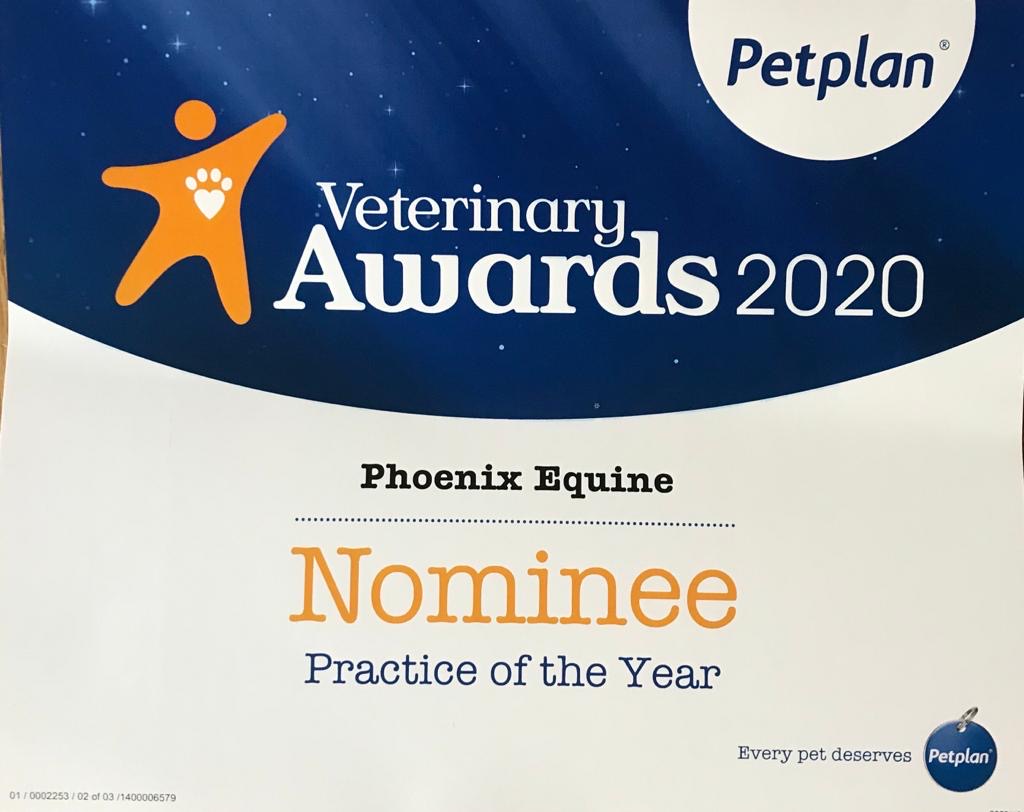
Look what we got through the post! Some more Petplan Nominations! Not only have we been nominated for Practice of the Year but Claire and Ellie have also been nominated, we are chuffed to bits that our clients value the hard work we put in. Congrats Ellie and Claire! #teamphoenix
Is it true that frosted grass can cause laminitis? It is actually some what true! It's not 100% certain why, but it's thought that it is to do with the shift in sugar content in the grass. With the frosty weather make sure to take care on frosted grass with laminitic prone horses
All of us at Phoenix Equine want to wish our lovely clients and patients a very Merry Christmas, thank you so much for all the Christmas wishes, presents and cards we have received! #Christmas#phoenixequine#equinevets#bestclients#teamphoenix