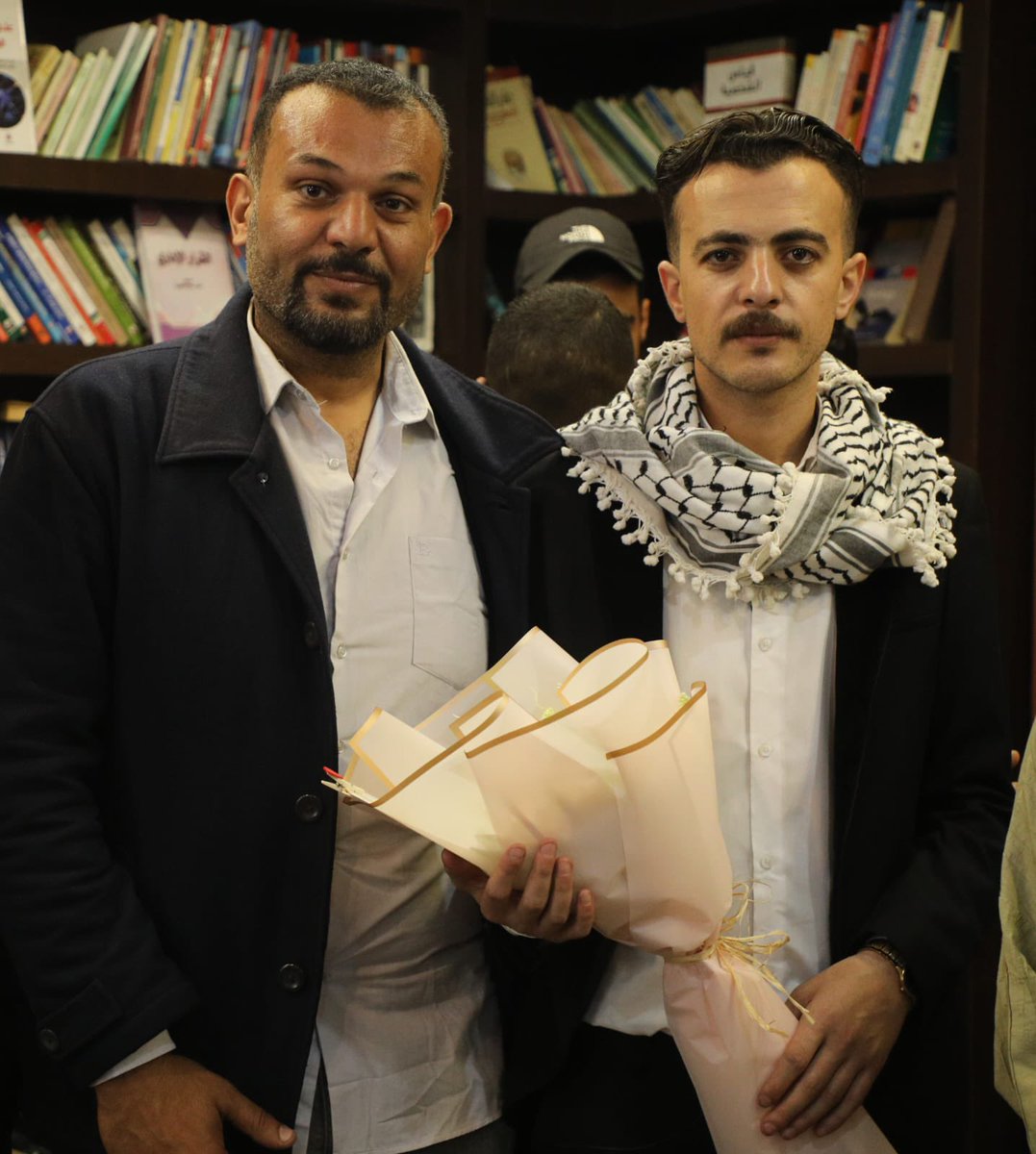
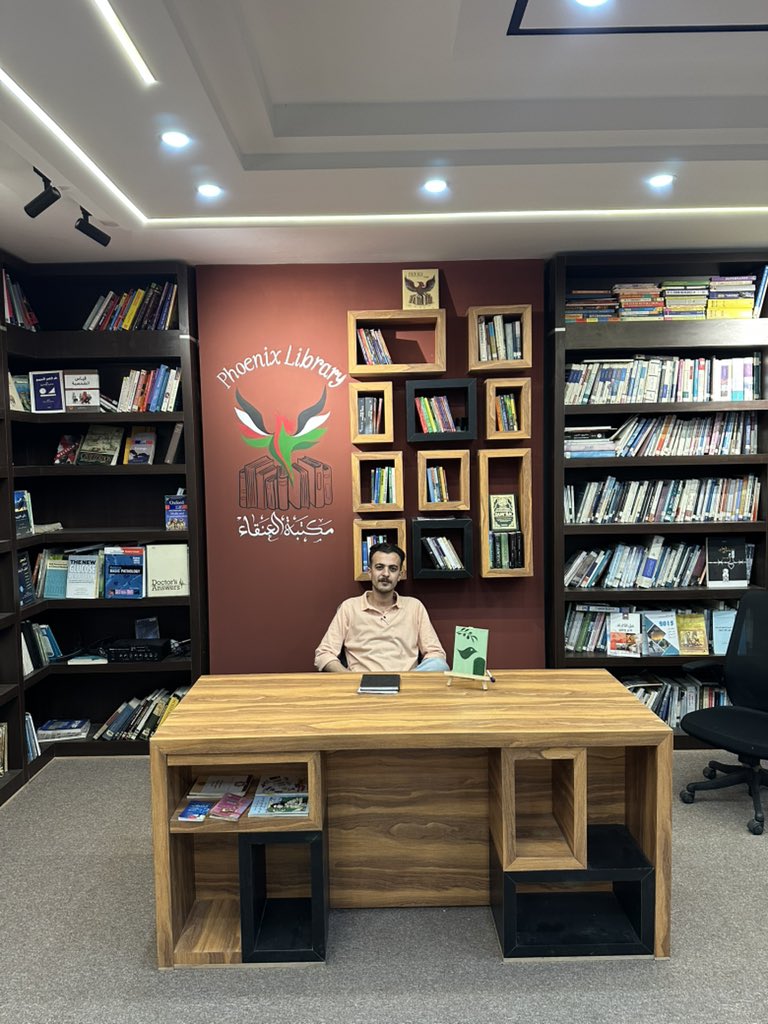
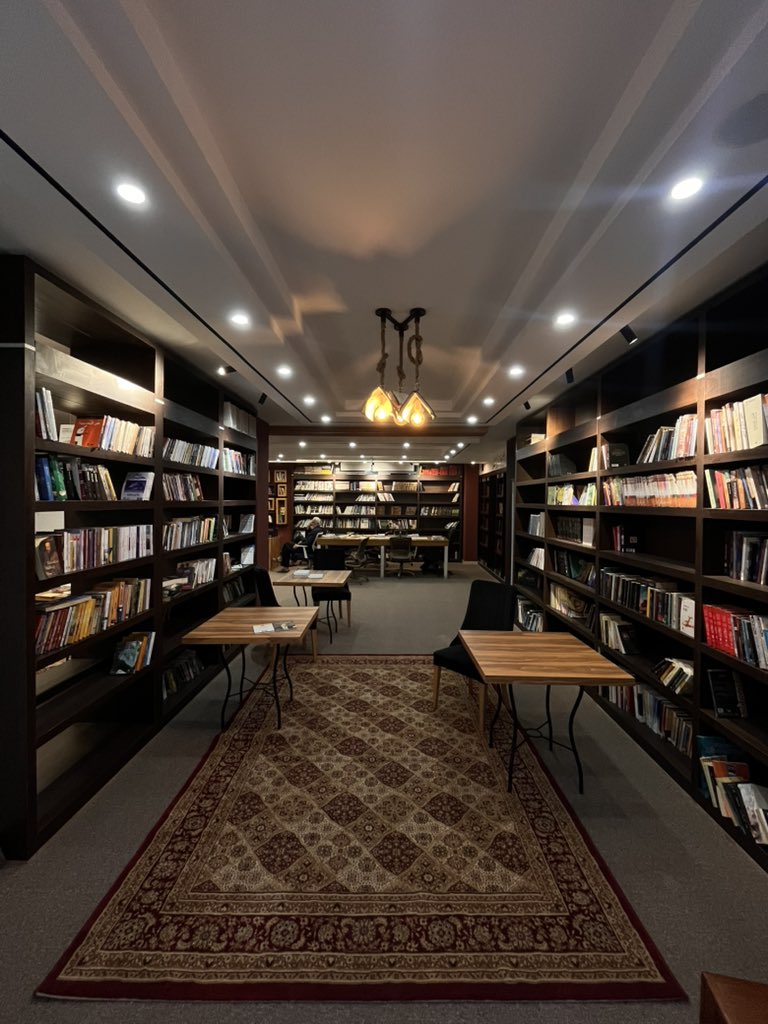
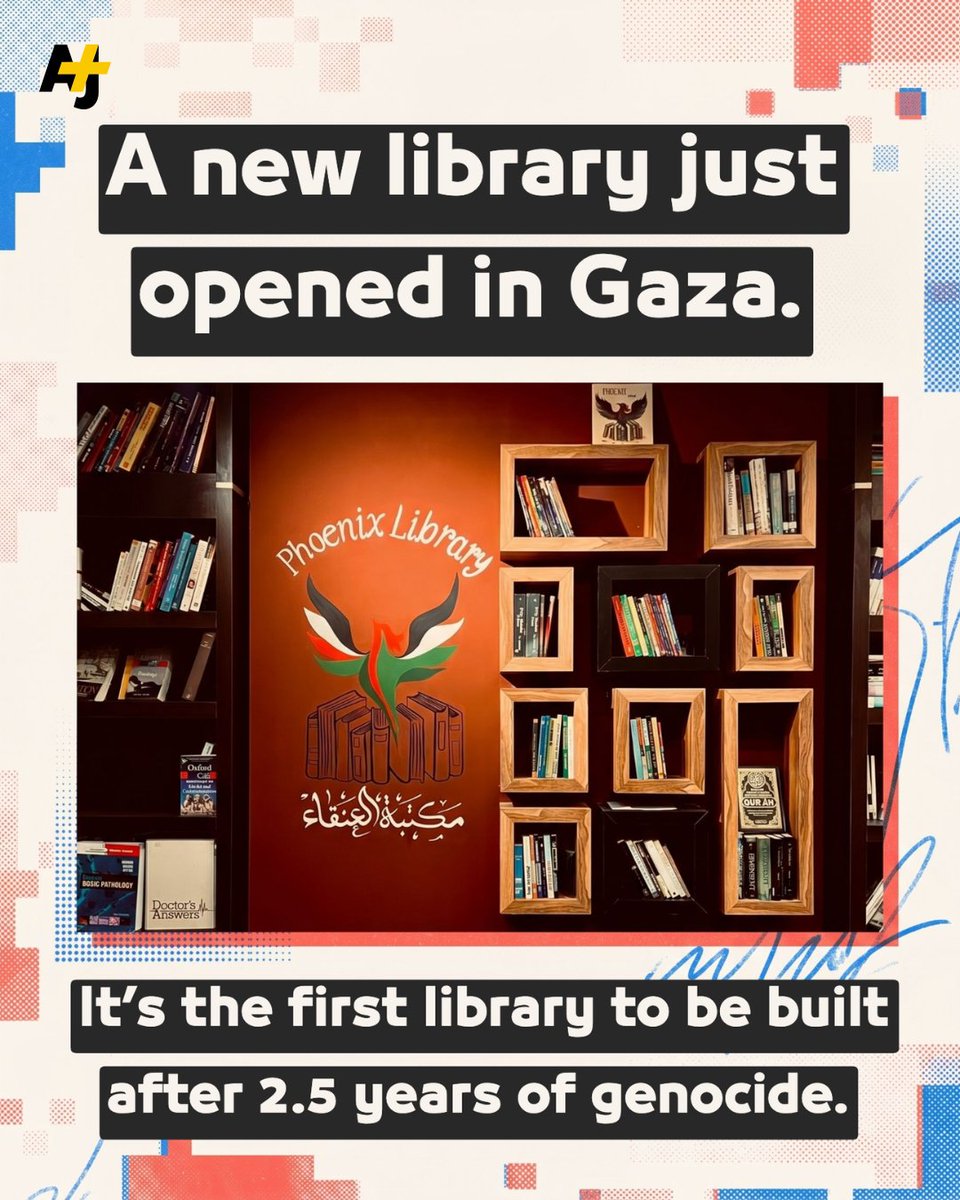
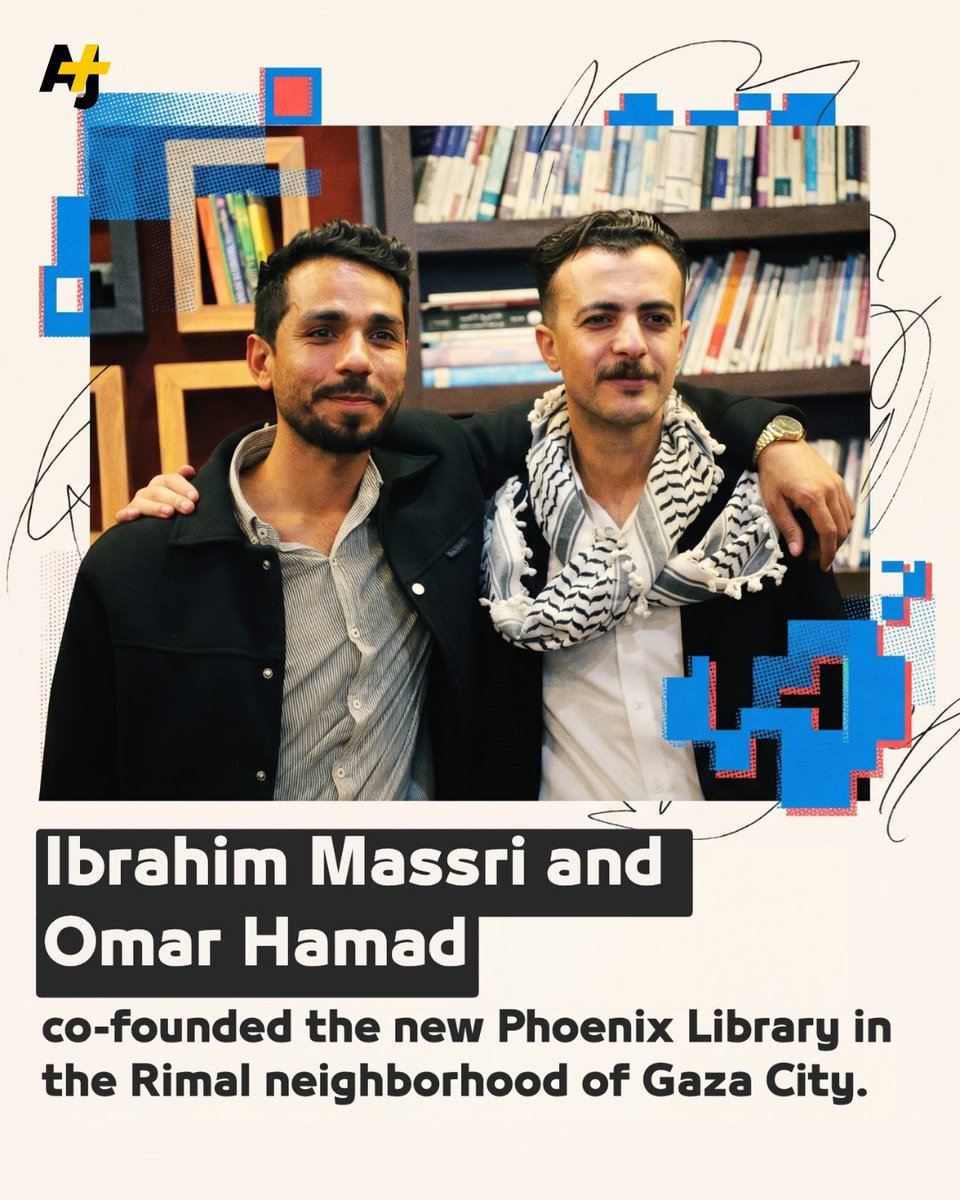
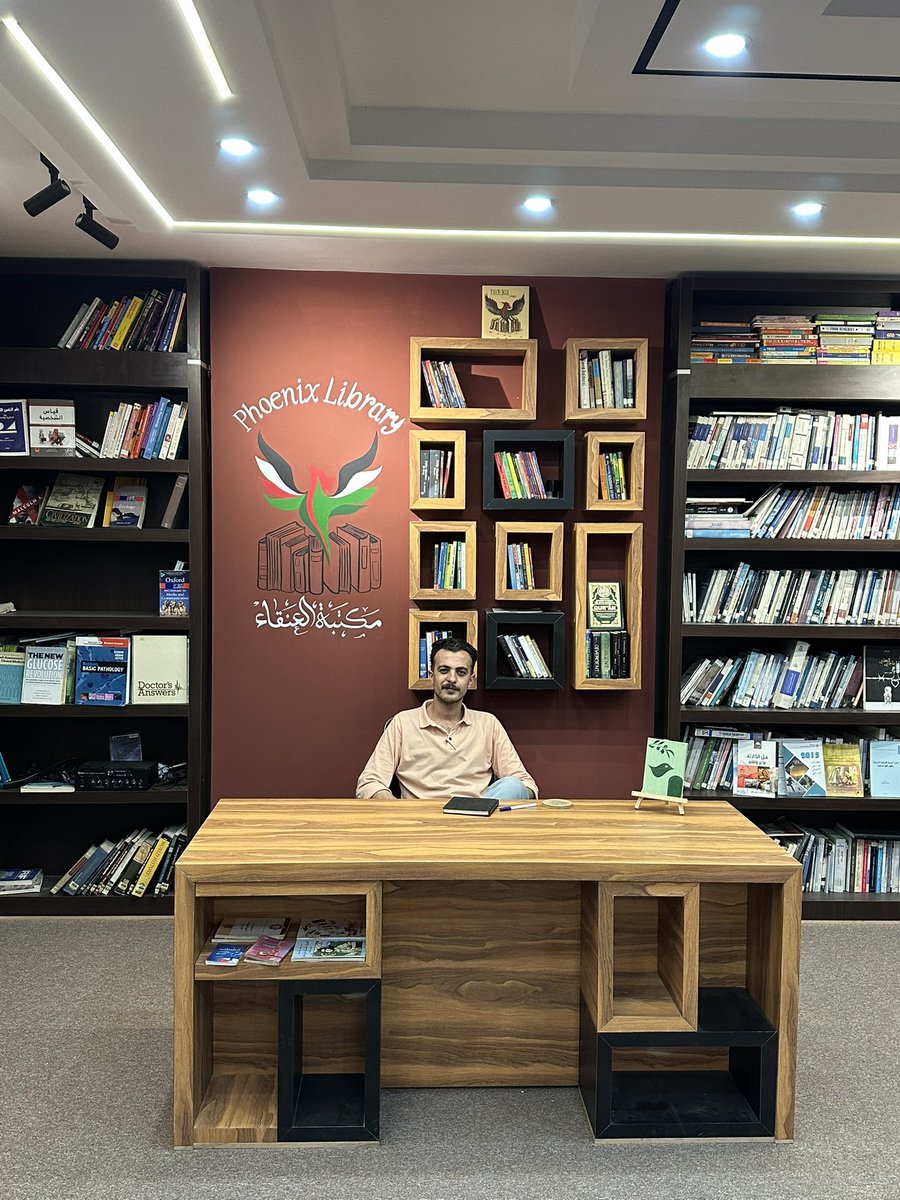
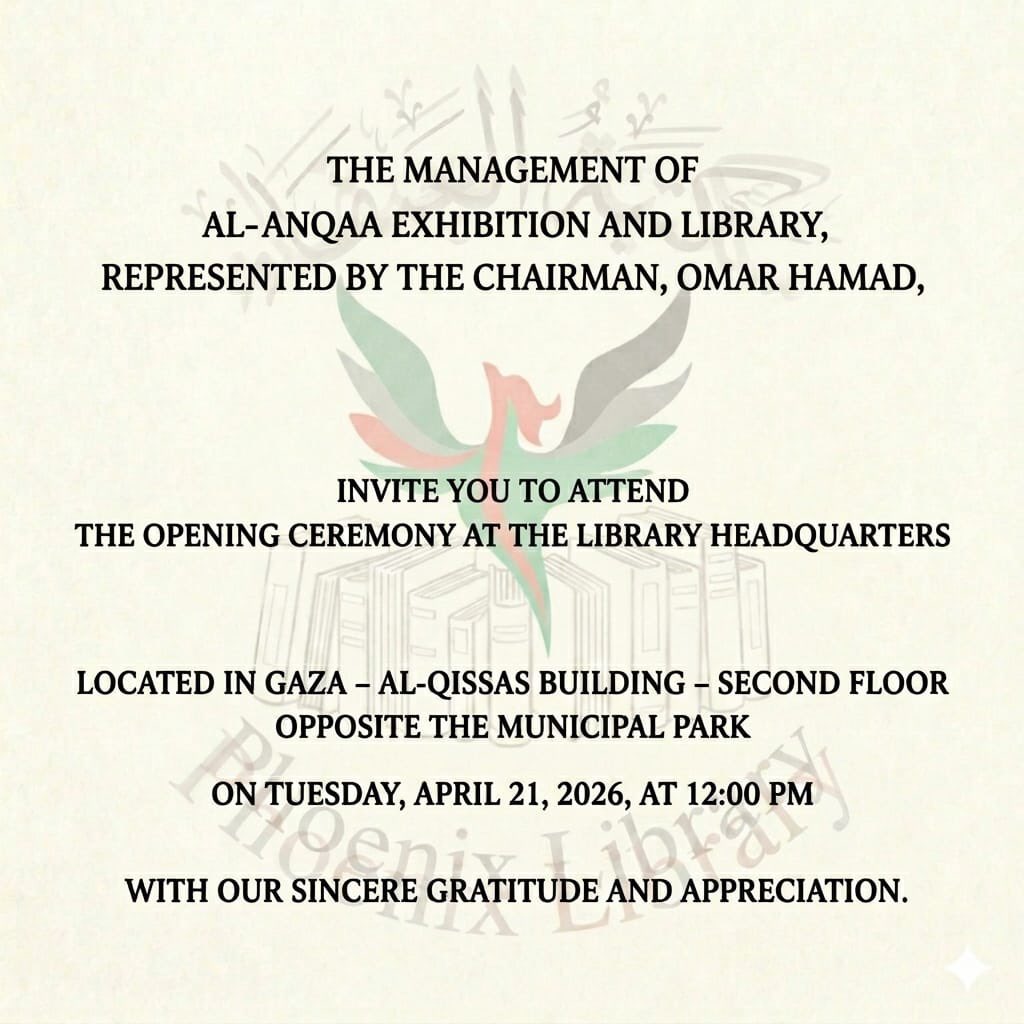
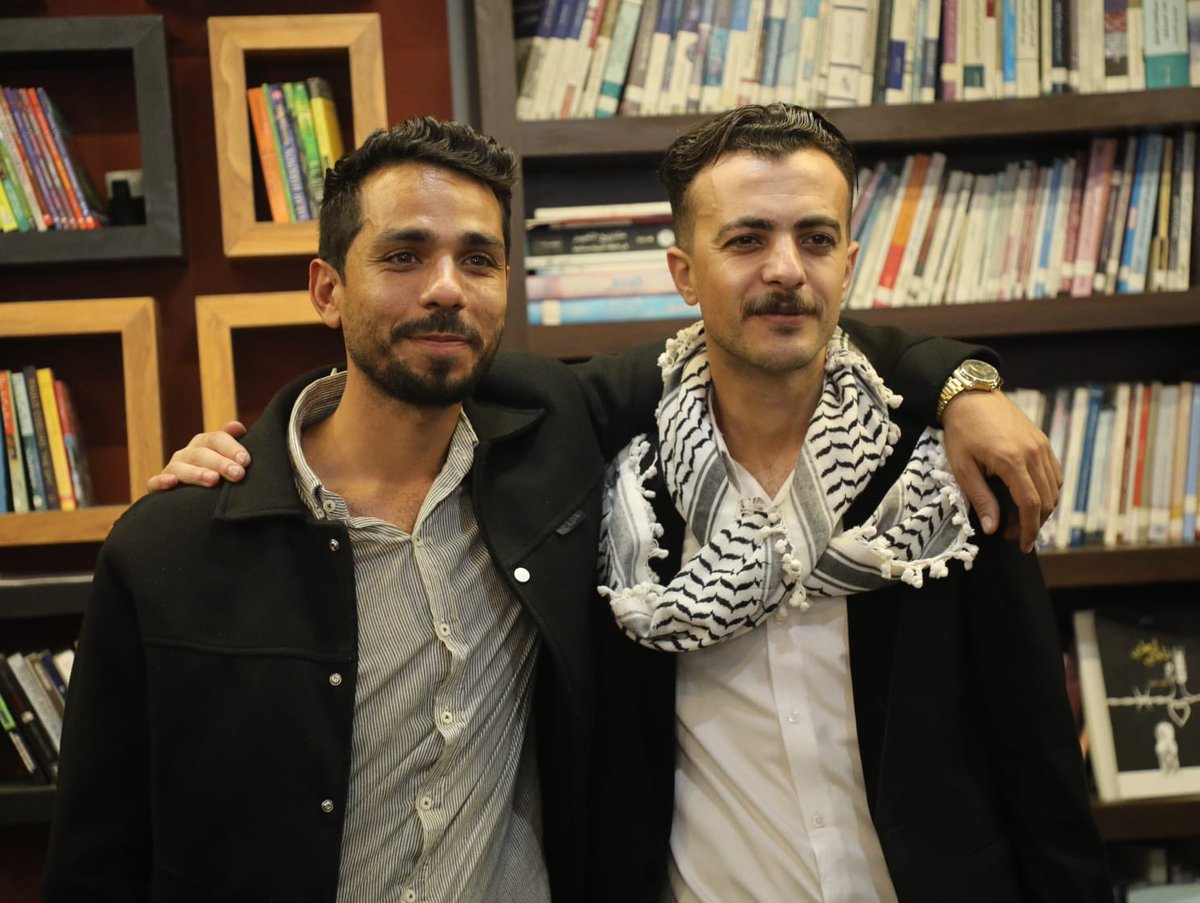
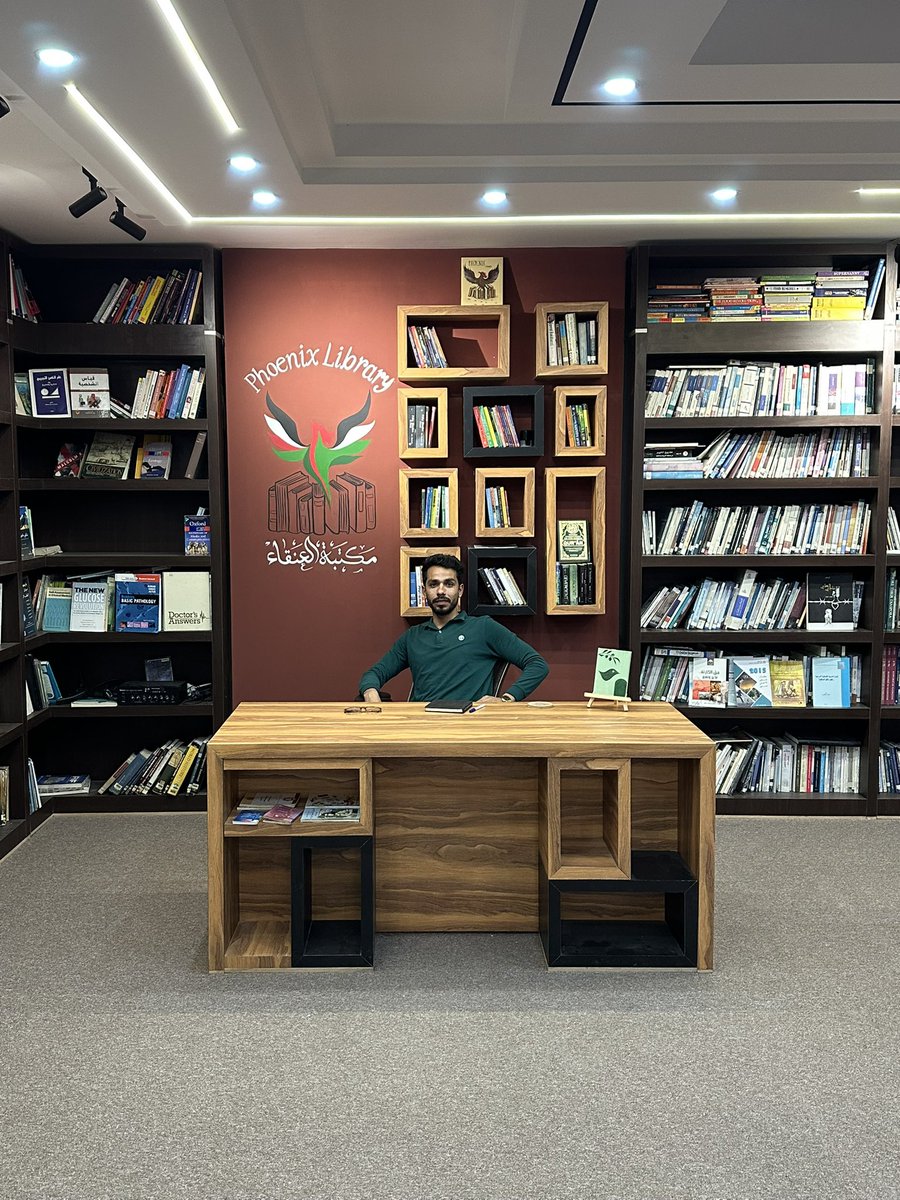
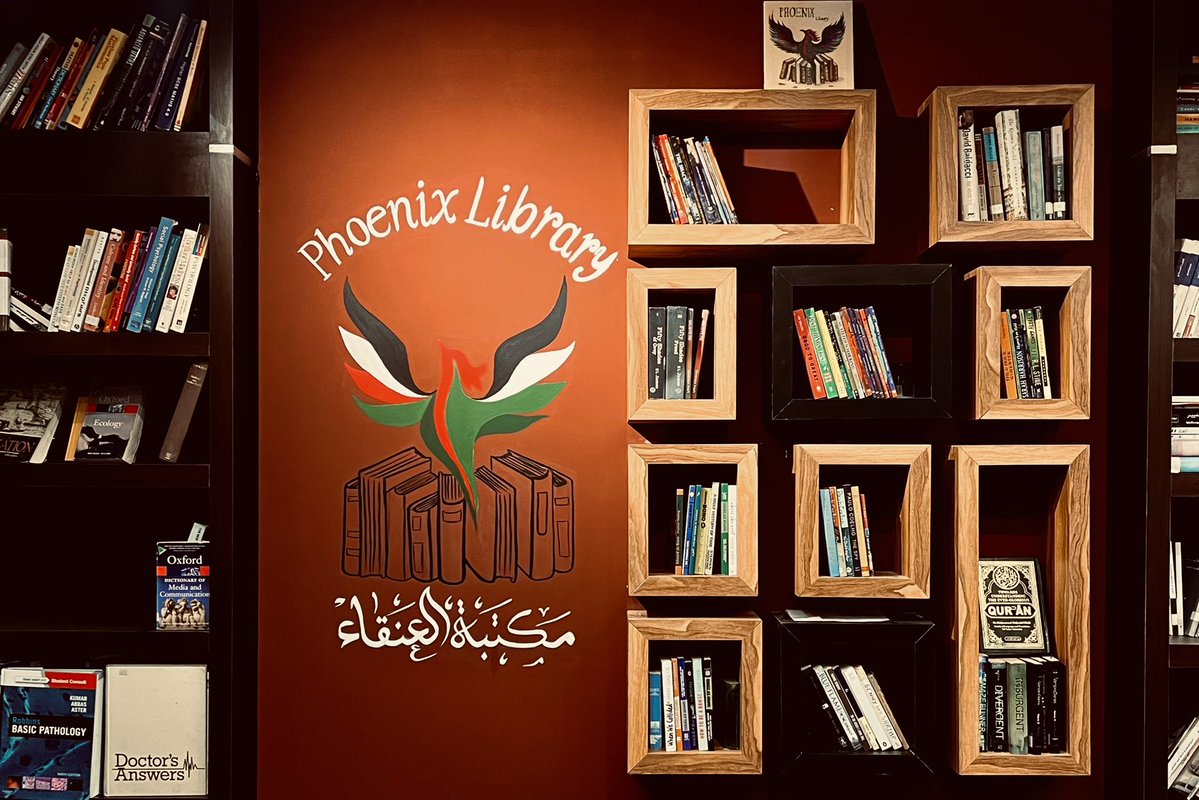
April 21, 2026, will remain etched in history forever. Alhamdullah, we have officially opened the first library to be built during the genocide in Gaza.
I survived, even after all my expectations had utterly failed. I never imagined that I would stand here among you today; I never imagined that I would soar once again. Like a phoenix, I have risen, carrying in my right hand a legacy that refused to die, and in my left, the very ashes with which epics of steadfastness were written. When the ink ran dry, I wrote with what remained; the ink dried, and blood flowed, so that our first lines were written by a martyr—a witness to our undying struggle.
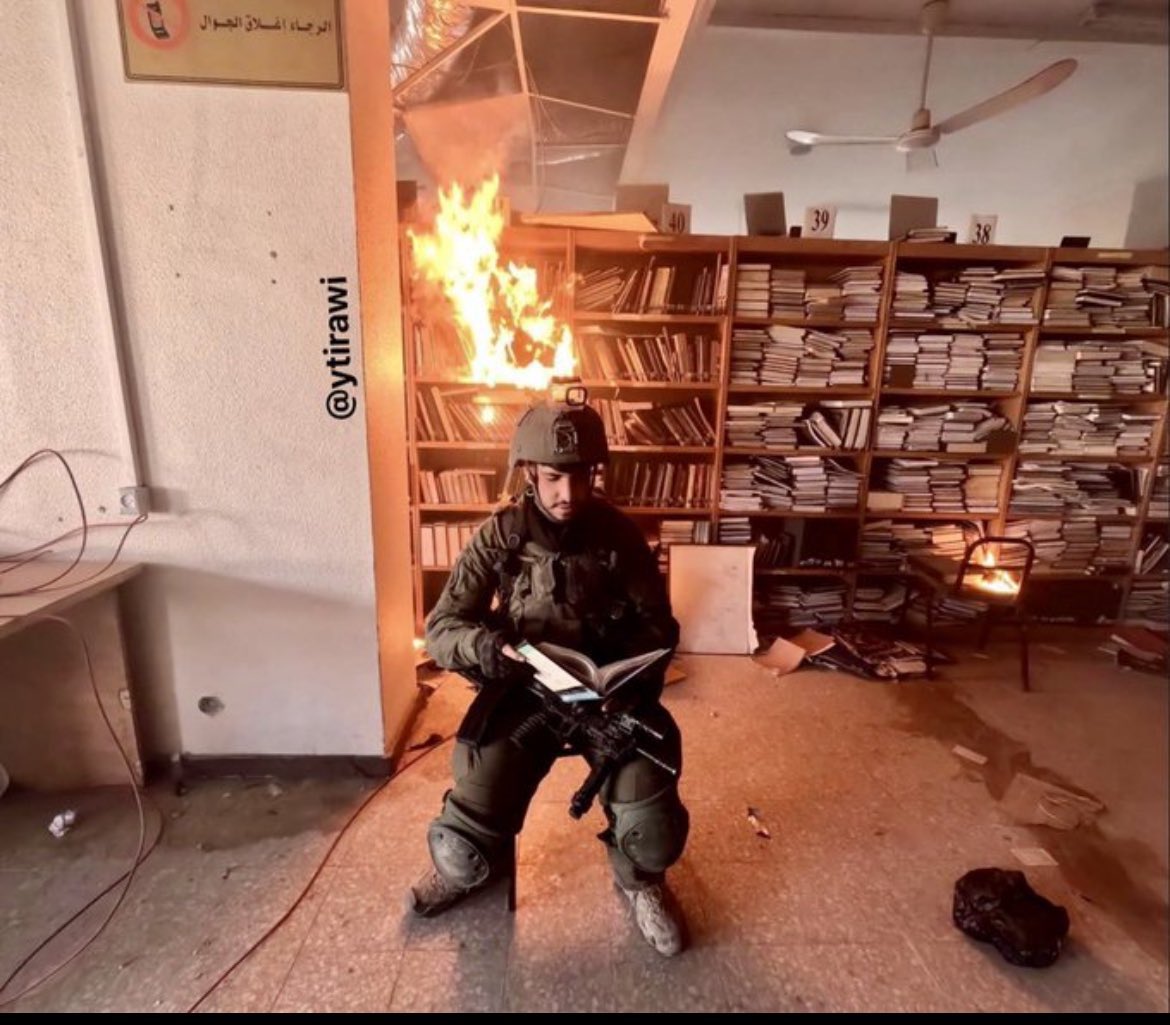
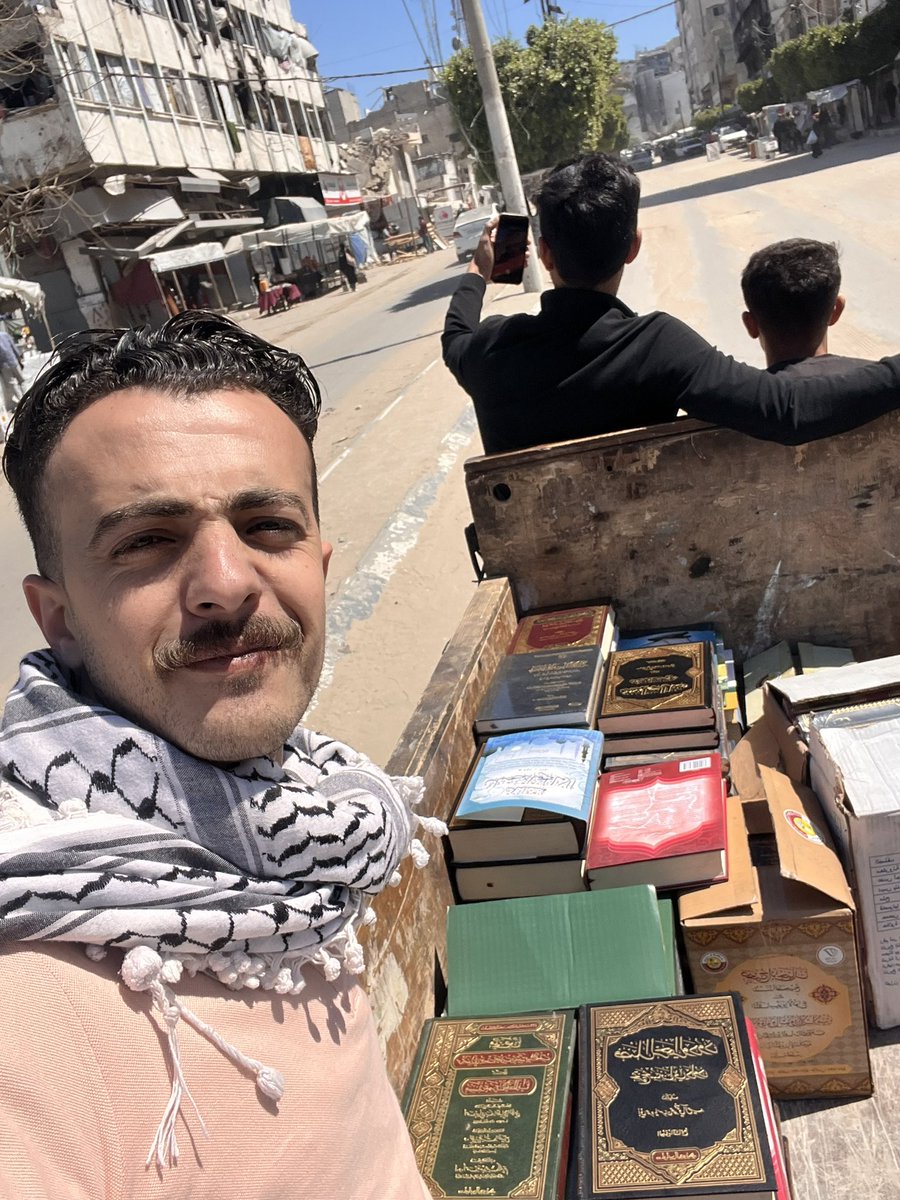
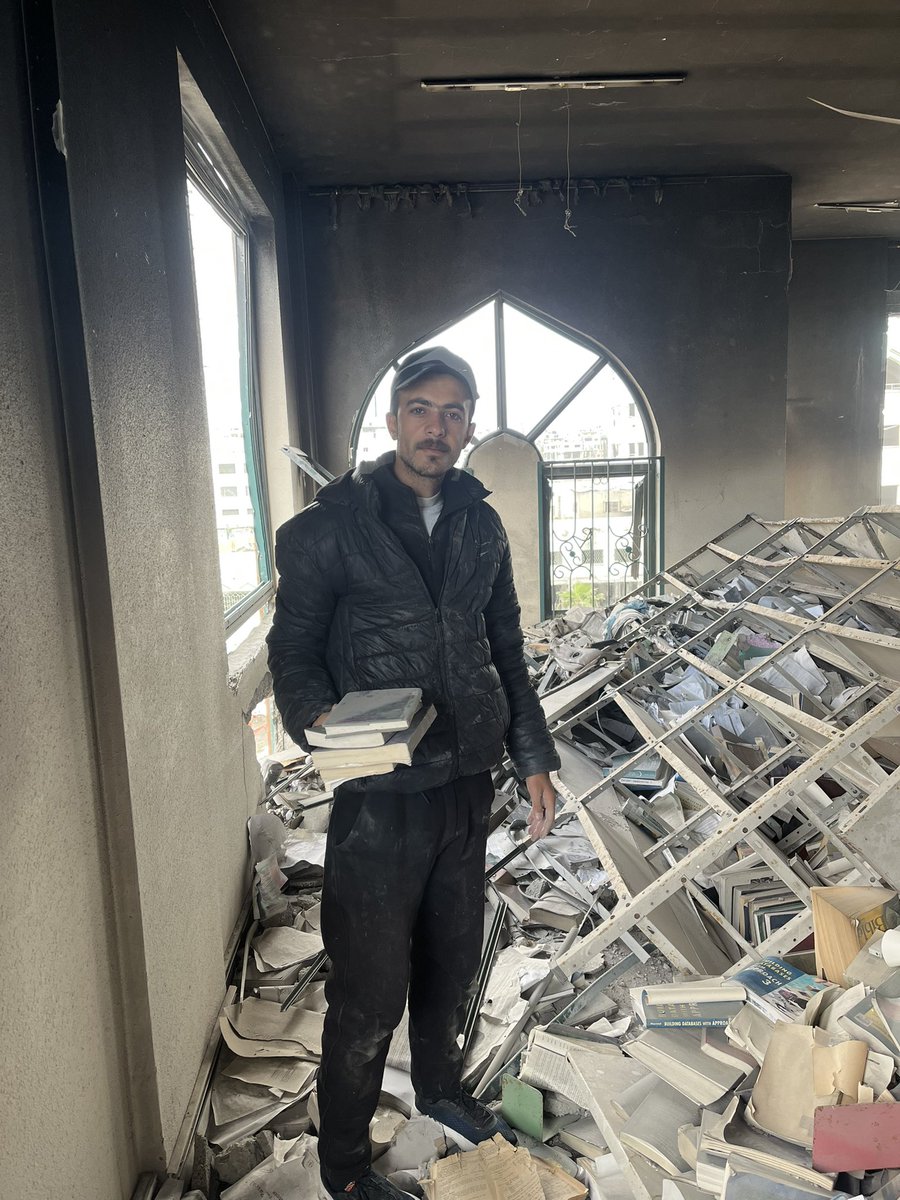
In Gaza, building a library during a genocide is an act that rises to the level of liberation—perhaps, it is liberation itself. Every book I carried on my shoulders while displaced, and every book I rescued from the rubble, was a stolen homeland. A homeland whose pages they tore, yet the hope of reclaiming it remains alive within us for as long as we live.
Because our Palestinian curriculum and educational system are monitored by the Israeli occupation, we must read. We must read so that we do not become machines fashioned by their hands. We must break free from this 'factory' and become like the olive trees—plants that found their path through the soil of Palestine, emerging in the most beautiful form of struggle and resilience.
In an age obsessed with valuing knowledge based on its material return, I was forced to fight many battles to convince those who argued with me amidst the shelling: 'What good will these books do you? Why do you take them with you every time you are displaced?'
Perhaps they were right; at that time, a loaf of bread was more precious and costly than anything else. But I held a deep, unshakable faith that I would be here one day.
Someone once told me: 'There is a hand that, were it not for its vigilance, we would perish.' He passed away, but my left hand remained, writing and writing and writing, until today I have three books—and a wound that never heals.
In closing, I wish to thank every human being who had a hand in the Phoenix’s rebirth.
-Omar Hamad.
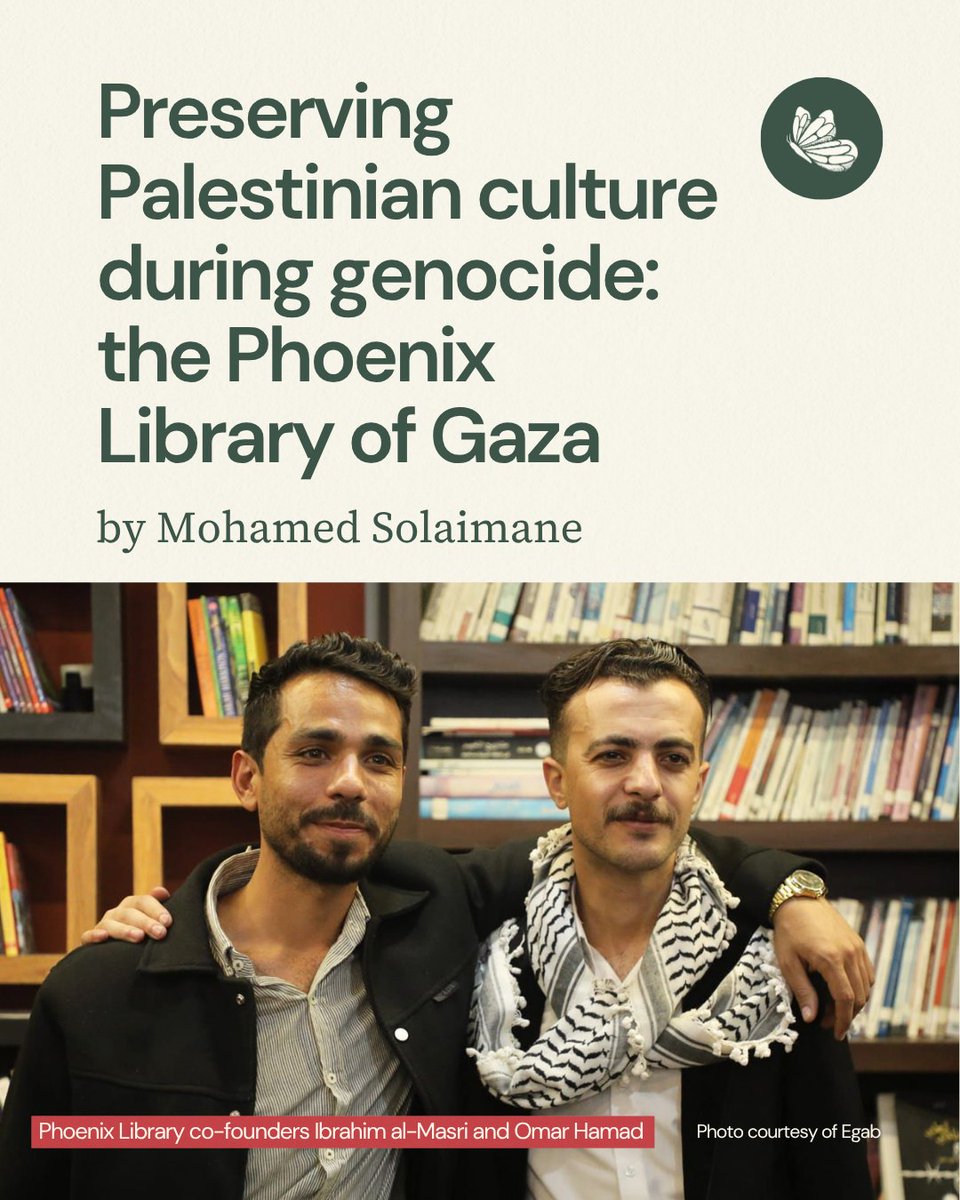
Amidst the U.S./Israeli genocide on Gaza, Palestinians are working to preserve & rebuild libraries and cultural institutions. @phoenixlibrary1 is the first library in Gaza to open since the genocide began.
Read here: https://t.co/gFMalvknbg @OmarHamadD@IamIbrahim21@Egab_co
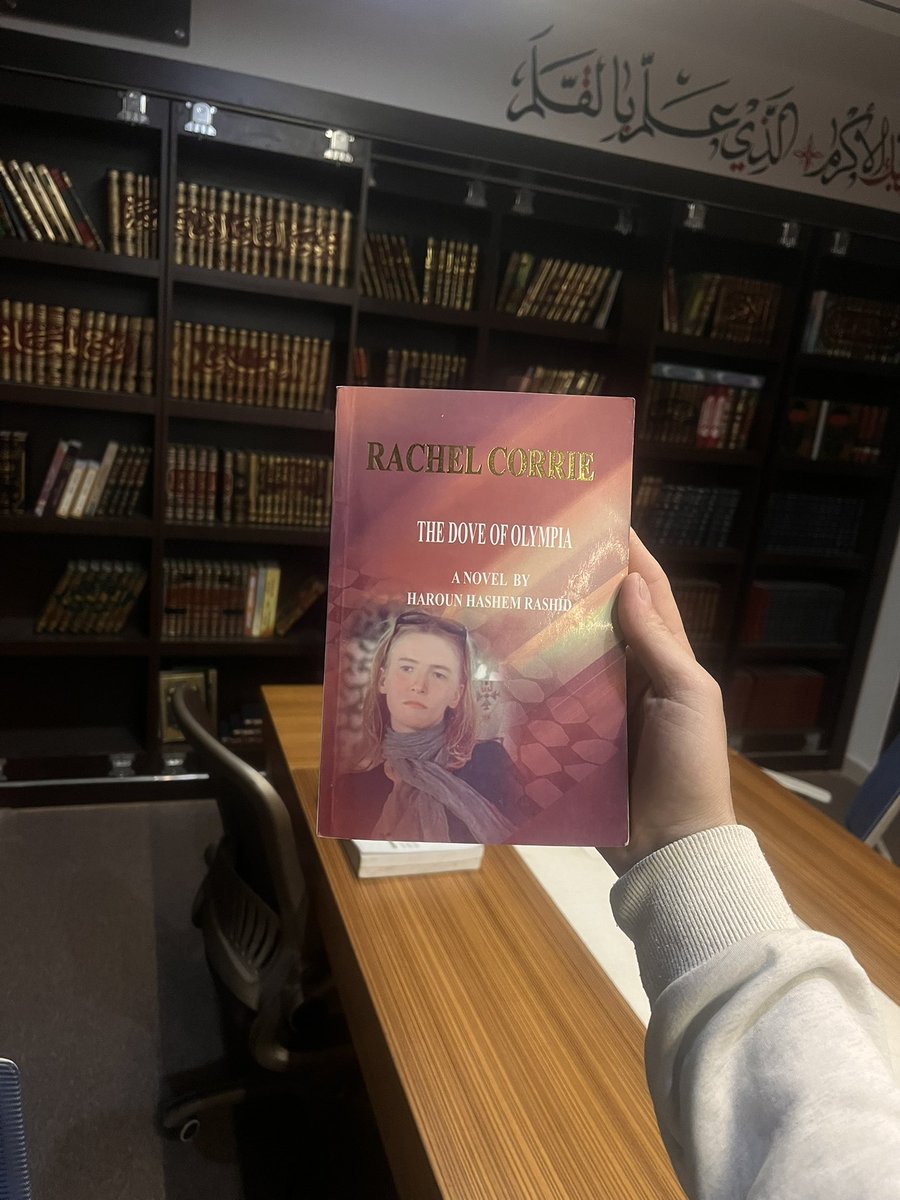
The book examines how the accusation of "anti-Semitism" is politically and systematically deployed as both an offensive and defensive tool to suppress any criticism directed at Israeli policies toward Palestinians, and to silence dissenting voices or international human rights organizations.
The book compares Israel's promotional claims with actual reports issued by major international and local human rights organizations (such as Amnesty International, Human Rights Watch, and the Israeli organization B'Tselem). Through this comparison, it reviews the reality of human rights in the occupied Palestinian territories, including house demolitions, settlement expansion, and torture.
The idea of the Phoenix Library was not born in a single moment; rather, it was a long journey of exhaustion, effort, displacement, and suffering. It was a journey of searching for culture and striving to preserve it.
The library was built with great love.❤️
Today, the Phoenix Library was honored to collaborate with the General Union of Palestinian Writers and Authors to host a reading seminar for the novel 'A Spark of Fire' by the Palestinian author Mahmoud Al-Basyouni.
We are striving to breathe life back into reading. Gaza.
📚Gazzeli gençler soykırımın ortasında bir kütüphane kurdu
Filistinli @OmarHamadD ve @IamIbrahim21 Gazze’de devam eden işgale ve enkaza rağmen ‘Phoenix’ kütüphanesini kurdular.
🐦🔥@phoenixlibrary1 , içinde barındırdığı kitaplarla karanlık zamanlardaki ışığı ve hayatta kalmayı temsil ediyor.
The Phoenix Library, in partnership with the General Union of Palestinian Writers, is honored to host a reading seminar for the novel 'A Spark of Fire' by Palestinian author Mahmoud Al-Basyouni.
This marks the very first official event to be held at the Phoenix Library.
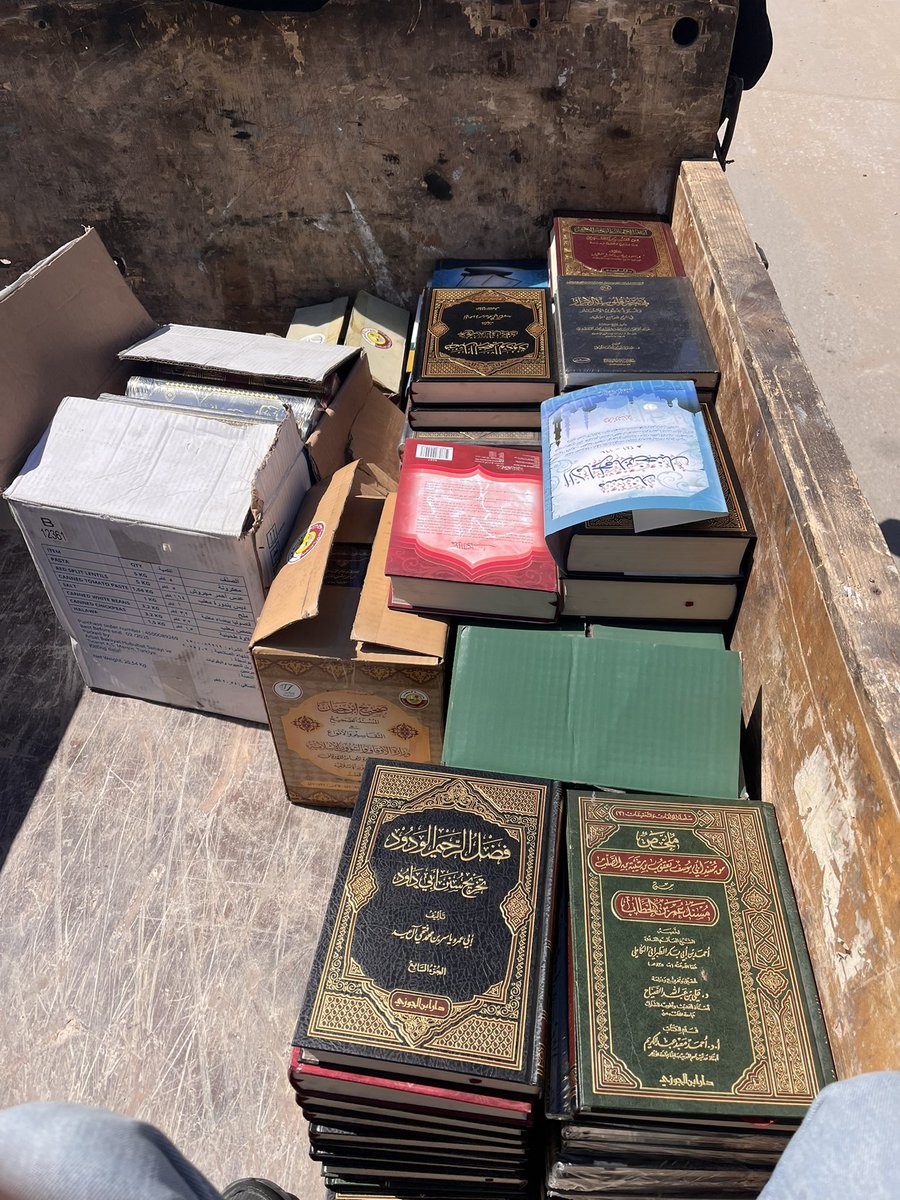
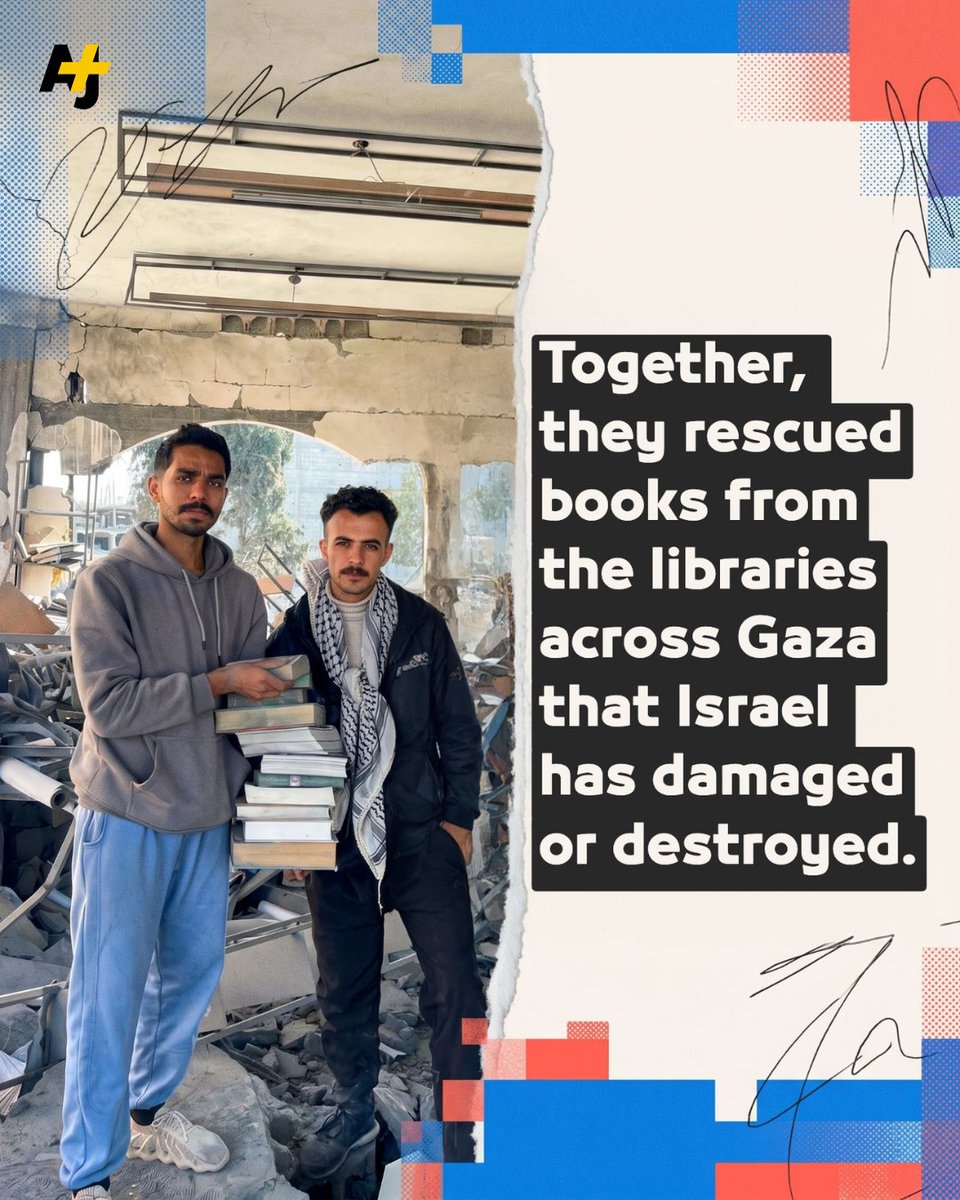
These Palestinians opened a new library in Gaza, the Phoenix Library (@phoenixlibrary1). They collected hundreds of books, including some pulled from the rubble of Israel’s destruction.
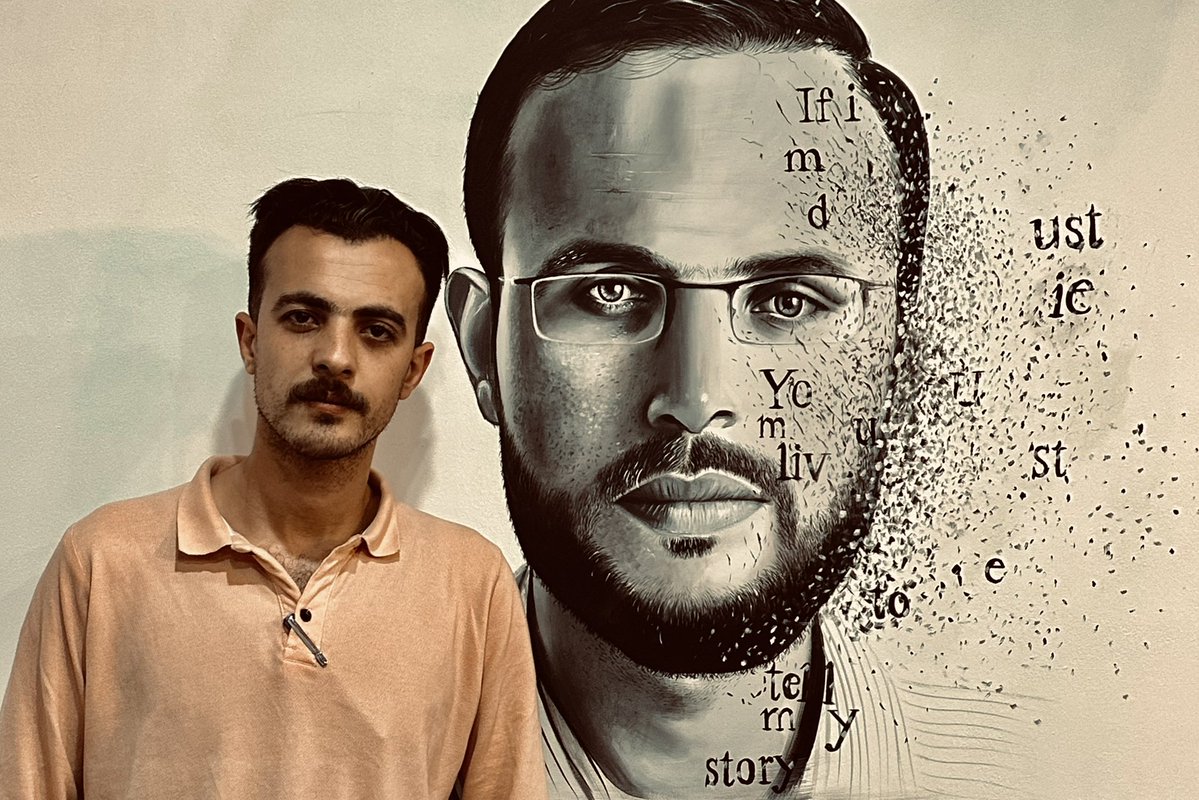
The martyr @itranslate123 may Allah grant him mercy, once wrote:
If I must die
You must live
To tell my story.
We will continue to tell the world your story. And here we are today, on the verge of opening the first library during a genocide. Your poetry, your voice, and your image will be present in our hearts first, in our library second, and in the entire world.
And I shall say:
If I become a martyr, say that I never sold my pen nor tarnished my thoughts in the marketplace of deceit.
If I become a martyr, say that I was not a hero, but a beloved child—like sad violins in the streets.
If I become a martyr, say that I was not a hero, but I never kissed the forehead of disgrace.
If I become a martyr, say that I loved my country with all its violence and determination.
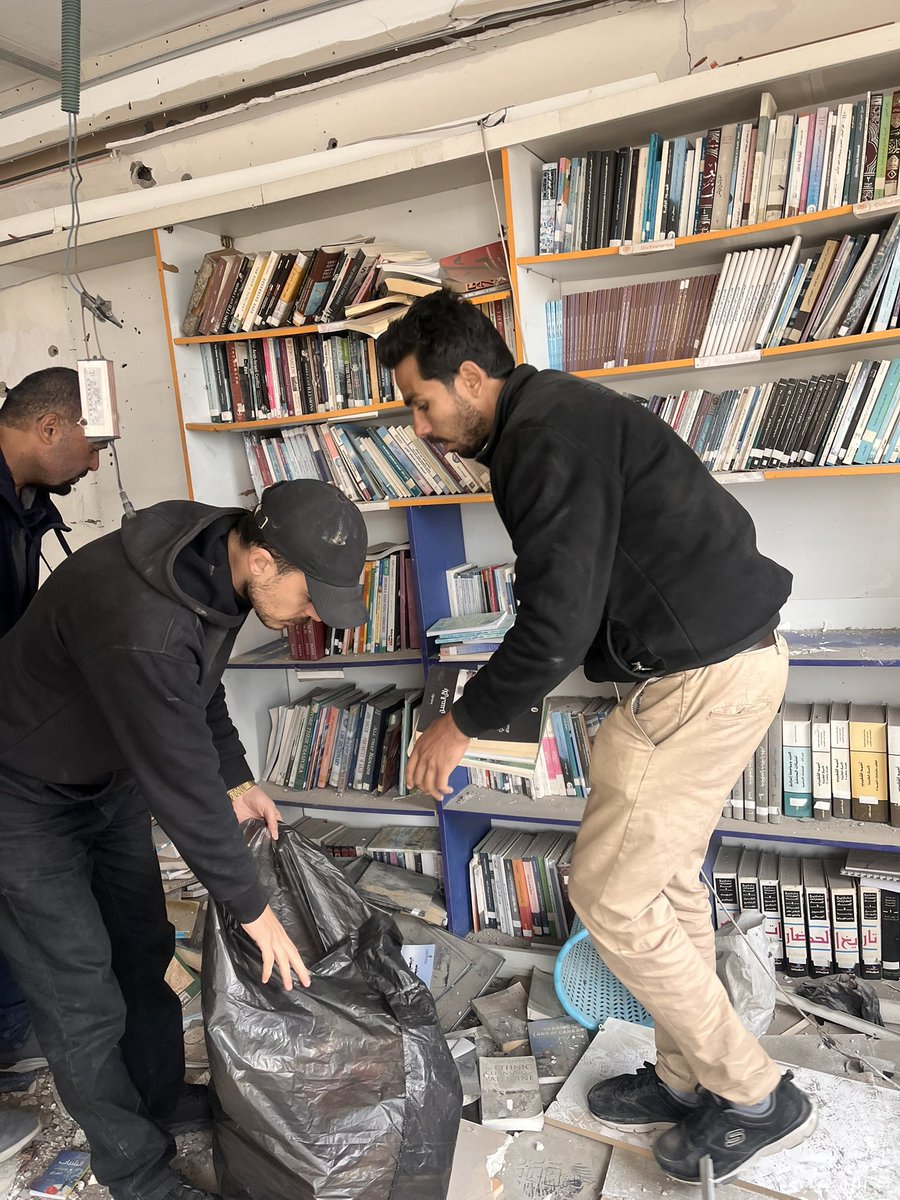
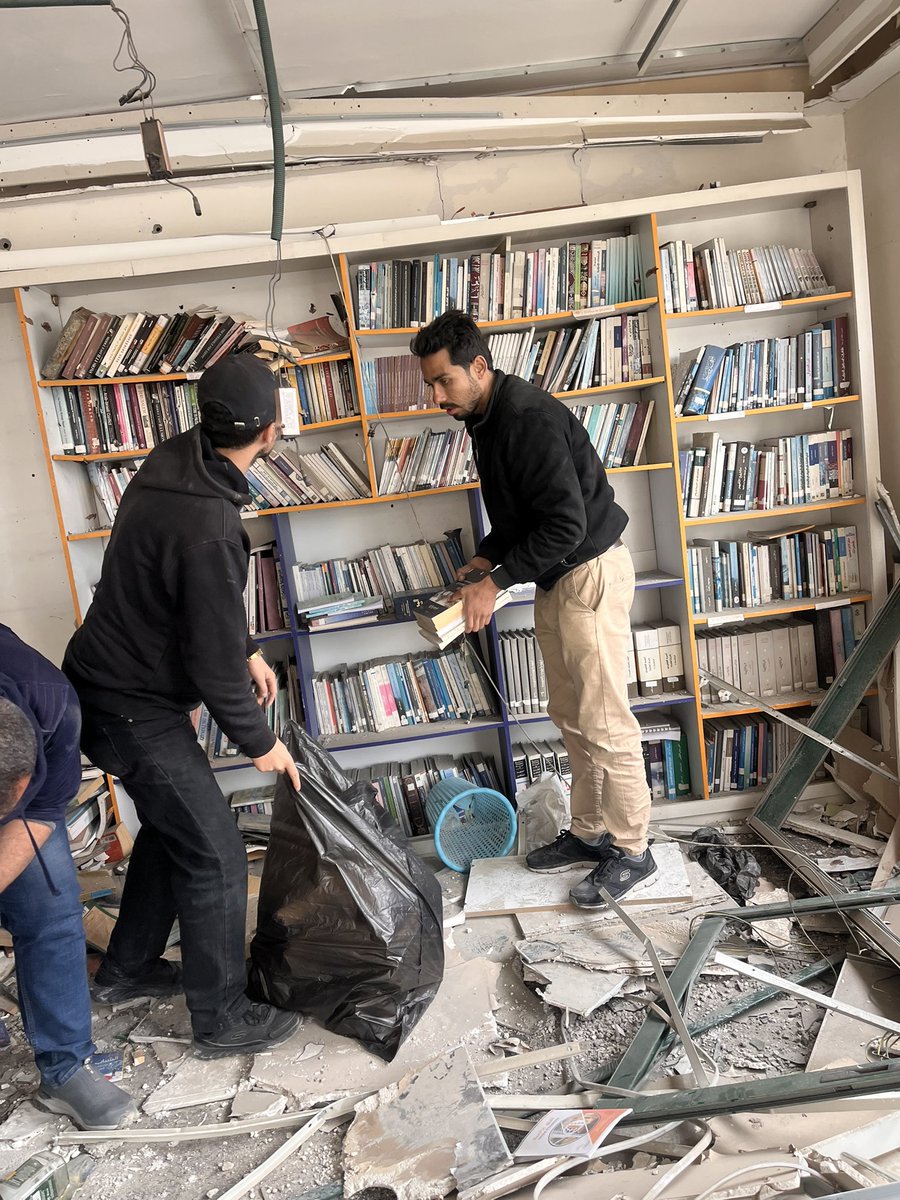
Today may have been long and exhausting, but I am deeply happy to have rescued the library of the Palestinian Centre for Policy and Development. It is a profound honor to know that these books were once read by Dr. Refaat Alareer.
We have saved over 1,000 specialized books covering Palestinian, Zionist, and Israeli studies.
We need your support to print more books for the @phoenixlibrary1 . We are still in need of a larger collection. The cost of paper and printing is extremely high in Gaza, as the occupation continues to block the entry of paper and books.
Please continue to support us through the link.
https://t.co/MvCd9MfoN8