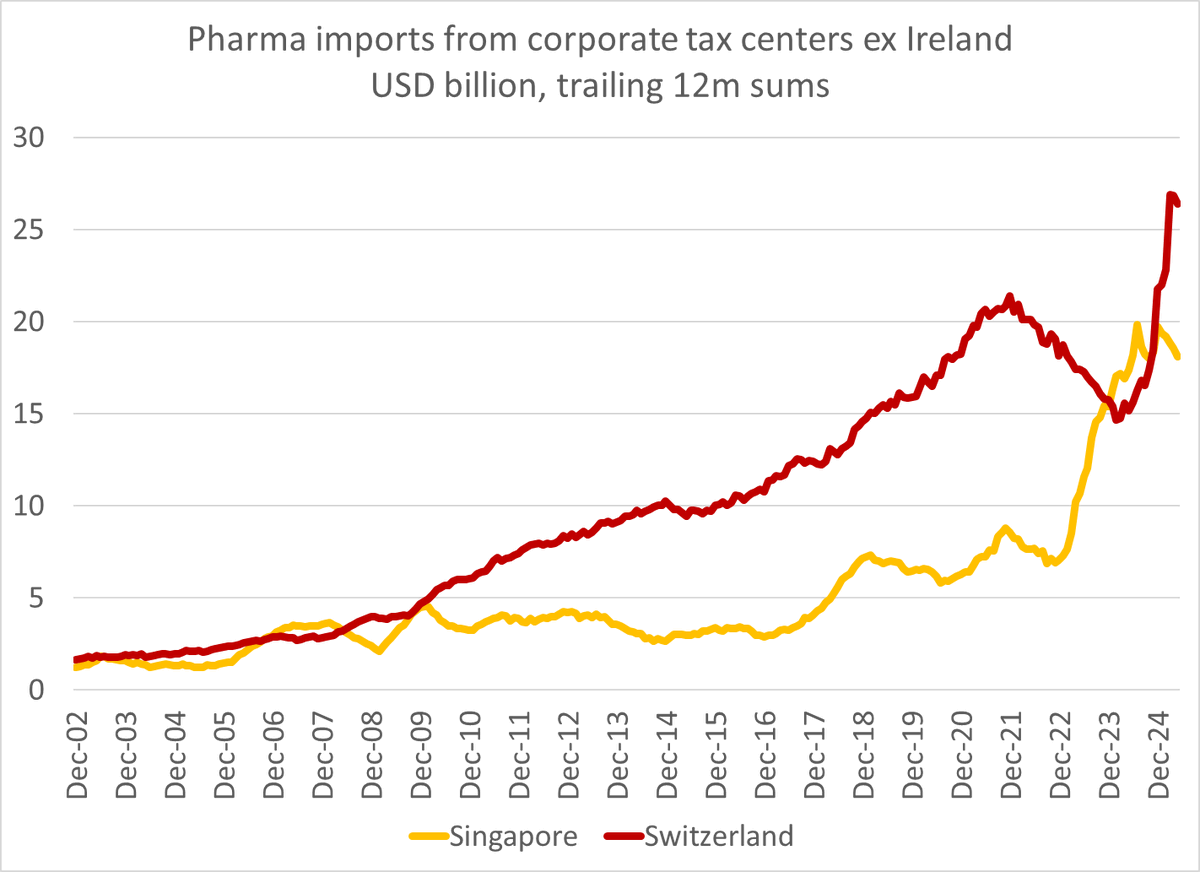
So here is a forecast, which can be tested against subsequent data.
Swiss pharma companies will reduce the customs value of their goods exports (lowering Swiss export and US imports), do more fill and finish in the US and increase their service exports to the US ...
How much capital do central banks really have? My new @PIIE paper provides the calculation for twenty countries. There are some surprises. https://t.co/JRzB2akOMS
On the other hand, mysterious non-standard notional assets appear in the accounts of others, obscuring their true negative marked-to-market condition. My @PIIE blog post highlights this for four leading central banks. (A working paper covering another twenty is coming soon).
Some European central banks report negative net worth even though their gold holdings, when valued at market price, make their marked-to-market capital quite high.
Hmm. Yes Bligh did propose an extension of the North Wall (i.e. from near the Point Depot), but I read that his idea was not used. Instead the North Bull Wall was built extending from Clontarf. https://t.co/PGWhfOwMZP
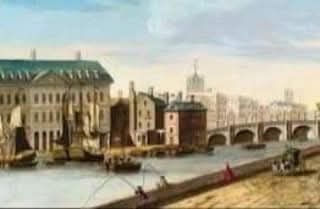
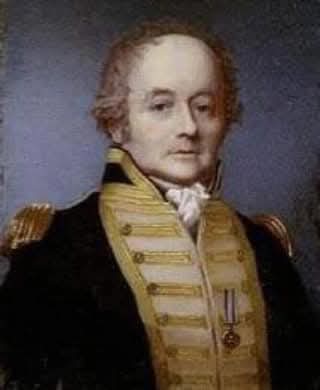
For centuries, Dublin Bay was a treacherous place for ships. Primitive sea walls left the harbour, and Liffey mouth almost unnavigable for larger vessels. So, no better man than the notorious Captain Bligh, of the Mutiny on the Bounty fame, to come to the rescue!
Using his experience with tides and marine engineering, he surveyed deadly Dublin Bay in 1800 and proposed the North Bull Wall in 1830. This new structure would complement the existing South Wall, tightening and speeding the flow of the Liffey, which resulted in deepening the channel. The silt and sand displaced by the new waterway flowed north and created Bull Island.
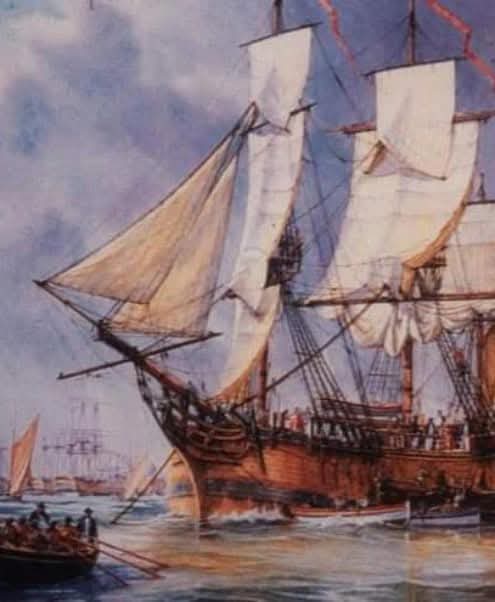
Bligh was captain of the HMS Bounty in 1789 when members of the crew, led by Master's Mate Fletcher Christian, mutinied and set Bligh and his loyal crew adrift in the ocean. The mutineers swanned off with the ship, some settled on Edenic Tahiti, others on the notorious island of Pitcairn.
Bligh and his abandoned men miraculously survived drifting for 3,618 nautical miles (6,700 km) and reached Timor alive with no casualties. His story of leadership and endurance earned him international fame, and he changed careers to become Governor of New South Wales in Australia, which proved nearly as dangerous as being a sea captain!
Another colourful Dublin marine engineering character was Bindon Blood Stoney, who designed the Diving Bell on Sir John Rogerson’s Quay. His theories and methods of dealing with strain on railway bridges and viaducts are still utilised today. Bindon designed a unique dredging plant for Dublin Bay and rebuilt 7,000ft of quay walls along the banks of the Liffey.
He was also responsible for the construction of the rebuilt Essex Bridge (now renamed Grattan Bridge) and the Carlisle Bridge (now renamed O'Connell Bridge). He even built the North Bull lighthouse! This engineering polymath also made great strides in the field of astronomy. He lived to the ripe old age of 96.
For centuries, Dublin Bay was a treacherous place for ships. Primitive sea walls left the harbour, and Liffey mouth almost unnavigable for larger vessels. So, no better man than the notorious Captain Bligh, of the Mutiny on the Bounty fame, to come to the rescue!
Using his experience with tides and marine engineering, he surveyed deadly Dublin Bay in 1800 and proposed the North Bull Wall in 1830. This new structure would complement the existing South Wall, tightening and speeding the flow of the Liffey, which resulted in deepening the channel. The silt and sand displaced by the new waterway flowed north and created Bull Island.
Bligh was captain of the HMS Bounty in 1789 when members of the crew, led by Master's Mate Fletcher Christian, mutinied and set Bligh and his loyal crew adrift in the ocean. The mutineers swanned off with the ship, some settled on Edenic Tahiti, others on the notorious island of Pitcairn.
Bligh and his abandoned men miraculously survived drifting for 3,618 nautical miles (6,700 km) and reached Timor alive with no casualties. His story of leadership and endurance earned him international fame, and he changed careers to become Governor of New South Wales in Australia, which proved nearly as dangerous as being a sea captain!
Another colourful Dublin marine engineering character was Bindon Blood Stoney, who designed the Diving Bell on Sir John Rogerson’s Quay. His theories and methods of dealing with strain on railway bridges and viaducts are still utilised today. Bindon designed a unique dredging plant for Dublin Bay and rebuilt 7,000ft of quay walls along the banks of the Liffey.
He was also responsible for the construction of the rebuilt Essex Bridge (now renamed Grattan Bridge) and the Carlisle Bridge (now renamed O'Connell Bridge). He even built the North Bull lighthouse! This engineering polymath also made great strides in the field of astronomy. He lived to the ripe old age of 96.
The supply chains for US pharmaceutical companies looking to supply the US market while not paying US tax (at 21%) do increasingly run through Ireland. US data is clear here.
@Brad_Setser As such, the flow that really matters here is the corporate tax that is paid in Ireland rather than the US. The rest of $75 billion in pharma imports from Ireland is mostly contributing to the (US) pharma firms profits. Yes?
I fully agree. Here’s my take on how to make such comparisons. If you start with GDP at PPP you need to make a further adjustment to compare economic sizes. The result is to shrink China and India somewhat, making China approximately the same size as US. https://t.co/JBWTYsPT4t
Here is ECB Chief Economist Philip Lane recommending my new @PIIE book The Central Bank as Crisis Manager in today’s @ECB Podcast (Minute 15:30). https://t.co/bNjKbuEqWC
DECEMBER 11: The launch of @PHonohan's new book "The Central Bank as Crisis Manager," drawing lessons from recent crises across four continents & calling on central banks to prepare for crisis management.
Info & register: https://t.co/4x0zOnB07P