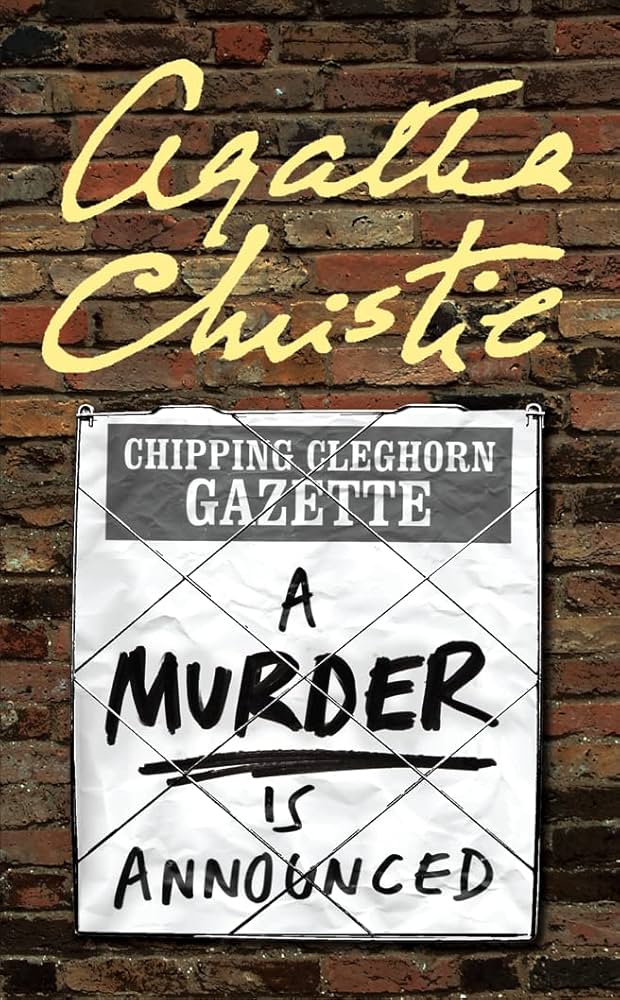
Happy "A Murder is Announced" Day, for all those who celebrate it!
In the book, an advertisement in the local gazette reads: "‘A murder is announced and will take place on Friday October 29th, at Little Paddocks at 6.30 p.m.’
@agathachristie
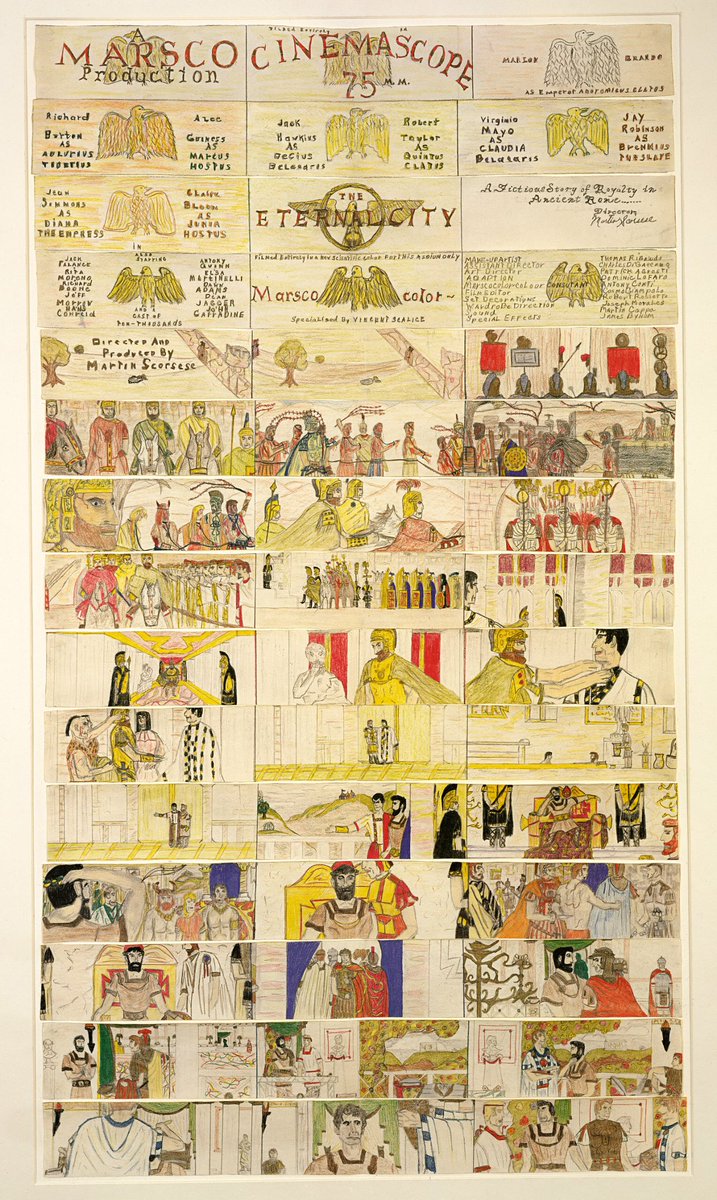
"As a little kid. I would fantasize a lot about stories. And I would draw my own movies."
--- Martin Scorsese
11 year old Scorsese’s childhood “film,” one of the many epics he drew in storyboard form. His only audience was his childhood friend.
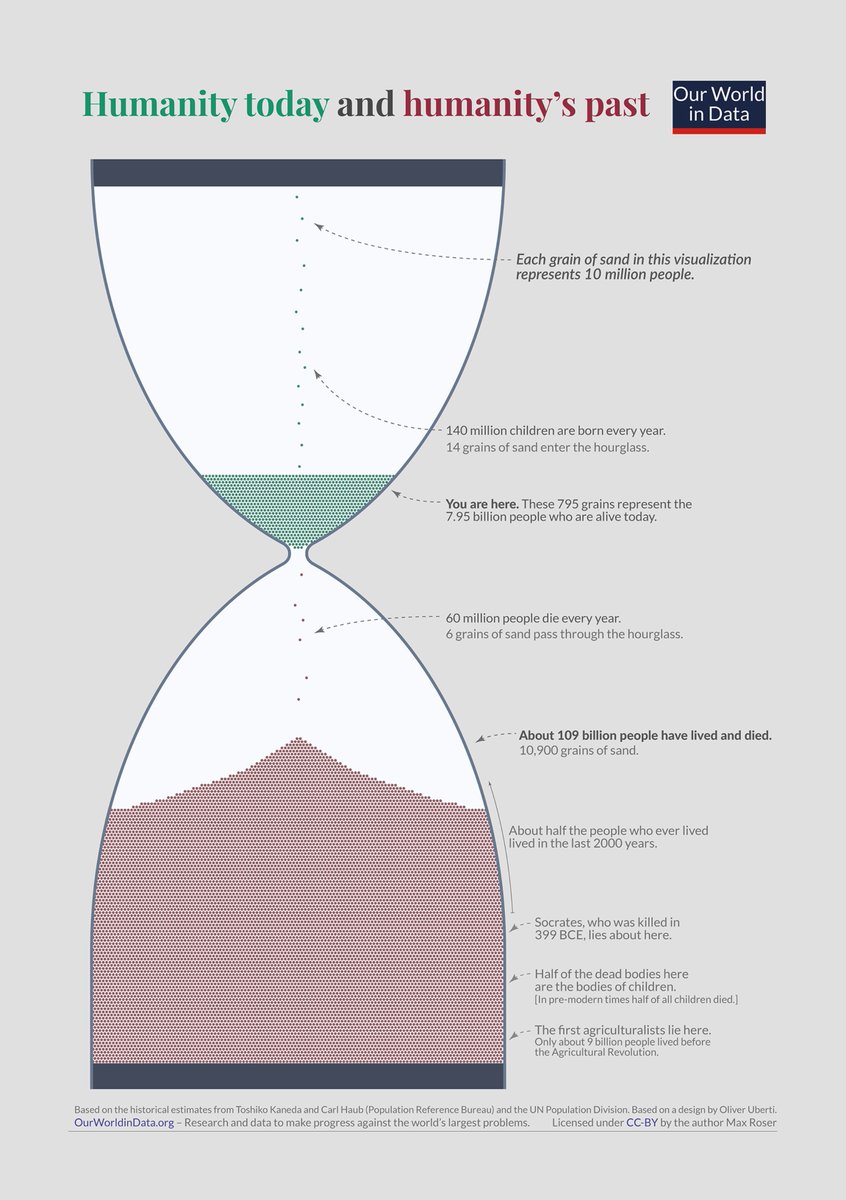
7% of the humans who have ever lived are alive right now.
And we are all directly linked to the 109 billion people who have come before us.
You know somebody who knew somebody else who knew another person who knew another, and so on, going back further and further in time, who once knew William Shakespeare (for example). In other words: we are all connected to every human who has ever lived by a chain of conversations, relationships, friendships, and every other form of social connection, going back to the beginning of human civilisation and beyond.
And the decisions those people made continue to influence the present in ways both major and minor.
A good example is language. There are certain words (including mother, fire, and what) which linguists believe to be at least 15,000 years old. They were part of a language spoken during the Ice Age which is the common ancestor of many modern languages. But these words didn't just appear — people, perhaps a single individual, came up with them. And, passed on from one person to another, we are still using them today. What words we create will be spoken 15,000 years from now?
The point here is that history has few hard lines. We usually think about the past in terms of dates and movements. The Battle of Hastings was in 1066, the Western Roman Empire fell in 475 AD, the Renaissance began in the 15th century etc. Thus we end up with a neat procession of ages: Classical Antiquity, the Middle Ages, the Renaissance, the Enlightenment, the Industrial Revolution, and so on.
But the truth is that generations, movements, cultures, ideas, events, and civilisations all melt imperceptibly into one another.
We are currently living in the Information Age (or the Digital Age), but when did it begin? Was it with the invention of the transistor in 1947, or of the World Wide Web in 1989? Maybe, but in the 1980s our capacity for storing data was less than 1% digital, and it didn't go beyond 50% until 2002.
You've got to draw lines somewhere, if only for simplicity and ease. But we've got to remember that the past, like the present, was ever-changing, complex, and imprecise. In the same way that our Digital Age didn't simply "begin", in the year 1475 people didn't suddenly wake up and decide they were in the Renaissance rather than the Middle Ages. Over the years Leonardo painted his pictures, Machiavelli wrote his books, and Bracciolini uncovered ancient manuscripts — the Renaissance emerged and people realised they were living through it.
History isn't movements and dates; history is people saying and doing things.
As Thomas Carlyle once wrote, the entirety of the past and the entirety of the future are contained in the present. This isn't just a memorable line — it is literally true. Every future human being will be the descendant of people alive today, just as we are all the descendants of people who came before. Everything that has ever happened has brought us here, and everything that could ever happen will be a product of today.