Join us at the IHR on Tuesday (28/1) for Regina Grafe (Cambridge) on "Archaic Lending or Precocious Financialization? Spanish American Finance to 1800" #econhist#twitterstorians in person or online
The benefits of EHS membership (inc. access to grants, prizes, fellowships and discounted conference attendance) are available in three forms:
Individual, £21 Student, £11 (Both provide digital access to the Econ. History Review)
Joint with the EHA (access to both journals), £59
Excited and proud to have been elected as the next president of the economic history society. It’s a wonderful community to be part of. #econhist@EcHistSoc
the IHR economic history scene is kicking off again - big questions about how merchants cooperate over long distances. it's more tenure track than grief's maghrebi. always worth a listen
Join us on Tuesday 12th at the IHR/online for Esther Sahle and Ulla Kypta on "Solving the Principal-Agent Problem Through Apprenticeship: Evidence from Sixteenth-Century Germany" #econhist#twitterstorians https://t.co/NJ30DRh4jB
𝗝𝘂𝗮𝗻 𝗝𝗼𝘀𝗲́ 𝗥𝗶𝘃𝗮𝘀 𝗠𝗼𝗿𝗲𝗻𝗼 𝘄𝗶𝗻𝘀 𝟮𝟬𝟮𝟰 𝗖𝗼𝗹𝗲𝗺𝗮𝗻 𝗣𝗿𝗶𝘇𝗲
Juan's PhD thesis was awarded at the Association of Business Historians Conference. The Coleman Prize is for the best doctoral dissertation in business history.
Congratulations @juan_jrmoreno!
Announcing the digital publication of 12 years work by 150 volunteers. 3 mill words from 7 vols of English High Court of Admiralty depositions. From today you can access & interrogate XML files of HCA 13/63; 65; 68; 70; 71; 72 & 73 [1650 to 1666] https://t.co/3tN7h8Z3td
@FADCLDN @joefrancis505 Most of this is just based on names, but we did look for in-laws for a sub-set and they life the level a bit but less than you'd expect.
What London's guilds did for their members changed a lot between 1500 and 1700. We find that the people that Londoners trusted were often fellow guild members around 1500.
@joefrancis505 not helping out, I guess - probably because they were not around so much. London was a city of migrants, and until it grew bigger, kin were rare...
Why? Two big things hit the city - the reformation and explosive growth. Both probably matter. But the loss of spiritual community seems likely to affect trust - and social capital particularly.
150 years later the guild didn't mater much. Instead family and neighbours were trusted. You can read more in the Historical Journal doi:10.1017/S0018246X24000335
This Wednesday, our alumna Safeena Husain (BSc Economic History 1995) will be awarded an Honorary Degree by LSE. She is the founder of @educate_girls, a non-profit organisation dedicated to girls’ education in rural India.
Congratulations @safeenahusain!
https://t.co/FdtHVUHY3X
@mmpaker@phwallis we are online ! @EcHistSocReview https://t.co/EPsLYy1Smm thanks to those who gave us the feedback to help propose nominal wage patterns and rigidities might be an indicator of imperfect competition (very 18C) as much as wage dispersion, inc @HubermanMichael
How was the Manila Galleon financed? Find out from Juan Jose Rivas Moreno (UCL) on Friday 9 Feb at the IHR https://t.co/ha0qWzhORz #econhist#twitterstorians
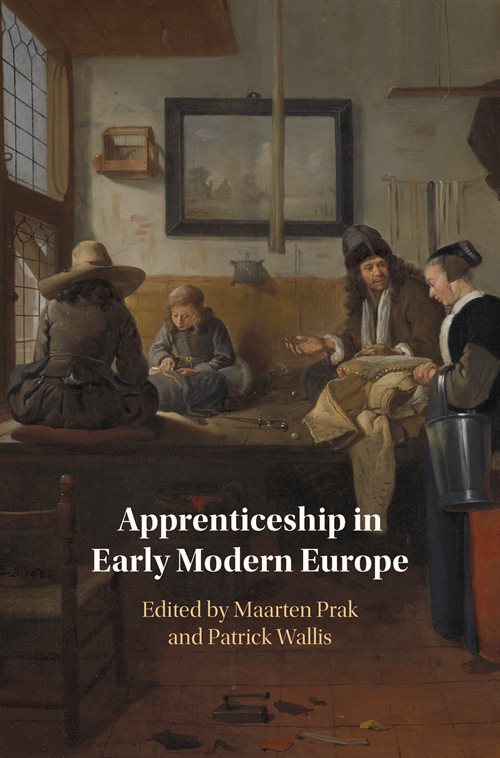
The book provides an exciting array of case studies and a promising purpose: going beyond the guild debate around the beneficial or harmful effects of guild apprenticeship, according to @AndreaCaracausi in this bookreview in TSEG https://t.co/5ctJXBb9ye
Join us this Friday for Joris van den Tol on 'Dutch trade and credit in the Barbados Sugar Boom of the 17th Century'. hybrid. Sign up https://t.co/5w1DbAcDTZ





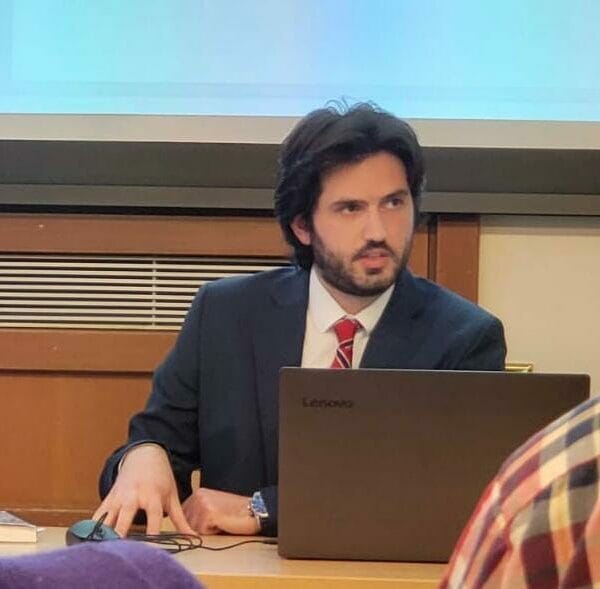
![Marinelivesorg's tweet photo. Announcing the digital publication of 12 years work by 150 volunteers. 3 mill words from 7 vols of English High Court of Admiralty depositions. From today you can access & interrogate XML files of HCA 13/63; 65; 68; 70; 71; 72 & 73 [1650 to 1666] https://t.co/3tN7h8Z3td https://t.co/havqCKXOtl](https://pbs.twimg.com/media/GPYoB0dWsAALCY7.jpg)