It's that time of year again and we are in hibernation. But we have prepared something for the holidays: https://t.co/YQx05aG8l0 🎶
#ITeachPhysics#MINTEdu#PhysikEdu
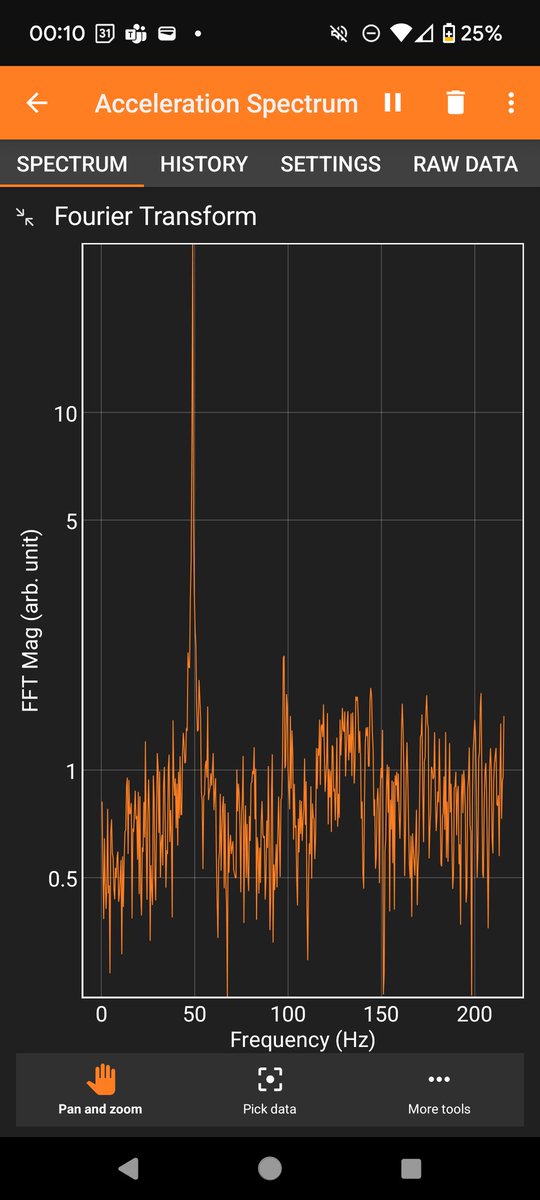
Day 6 of Physics in Advent and a great use of @phyphoxorg app to find the frequency of vibration of a fridge when the pump is running. 50Hz main peak corresponding to 50Hz AC mains supply.
#physics#physicsfun@PhysikImAdvent
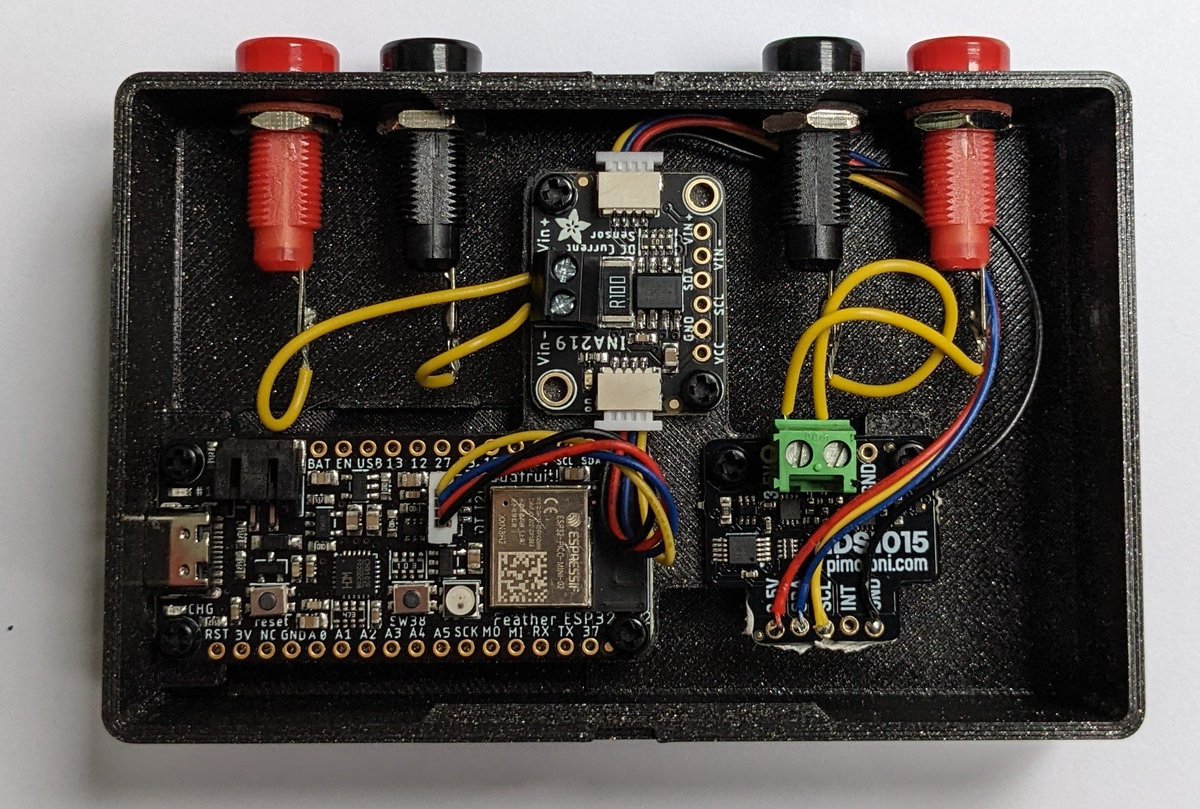
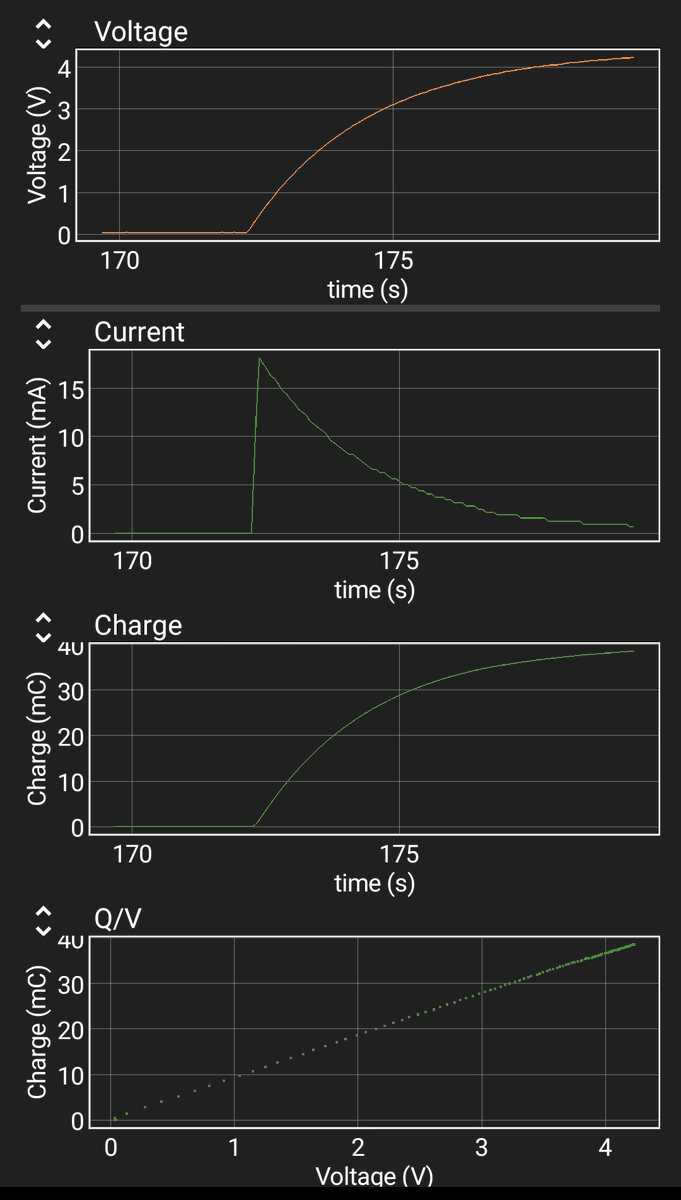
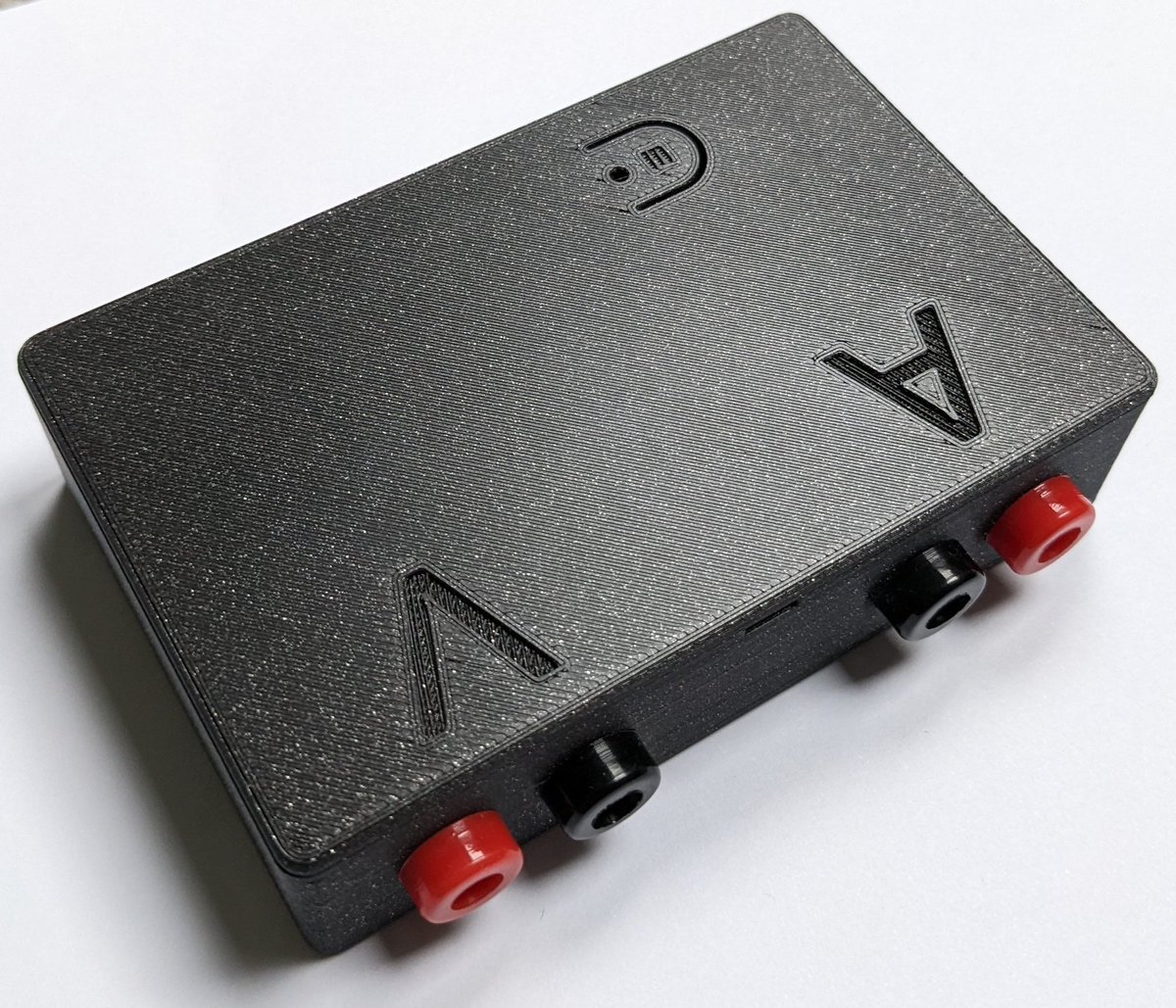
Back teaching capacitors for A level Physics. Chance to use the DIY Bluetooth volt/ammeter with @phyphoxorg app learning charge/discharge curves. Exposes them to the maker side of things too - opening the hood, talking 3d printing / electronics. @pimoroni#iteachphysics
Noch eine gute Woche Zeit, sich bei unserem kostenlosen Sommer-Workshop in Bochum (DE) am 13. September (und 12.: Schwerpunkt Hochschule) anzumelden.
https://t.co/42AKibJdHr #TwLZ#EduNRW#MINTEdu#PhysikEdu
🔥 Editor, Kamera, On-Boarding
@mileBlais@TiskTusk As an additional measure, you could activate the proximity lock in the settings: touch is then deactivated after you cover the proximity sensor…
It's official. You can now download the CAD files for the self-production of the "Design for Physics" project tools from https://t.co/1d8Y5XImom.
The project, born from the collaboration between @SapienzaRoma and @iedroma, aims to create tools for school laboratories.
Just used @phyphoxorg to measure the speed of sound in my physics of sound class with music majors. Average value is great. Please ignore the standard deviation!
I've found a truly absurd annoyance in my room. my table fan is slightly not leveled, so its vibrations are creating a loud tone (~234Hz) that I can hear. if I play a nearby frequency I can hear beats too 🙃
Ever wanted to design your own phyphox experiments (those menu entries)? We get you started with our new blockly-ed editor.
https://t.co/mxdLY7doIZ #iteachphysics#twlz
🧑🔧 It should be at the public-test quality that you expect from us. We are looking forward to your feedback.
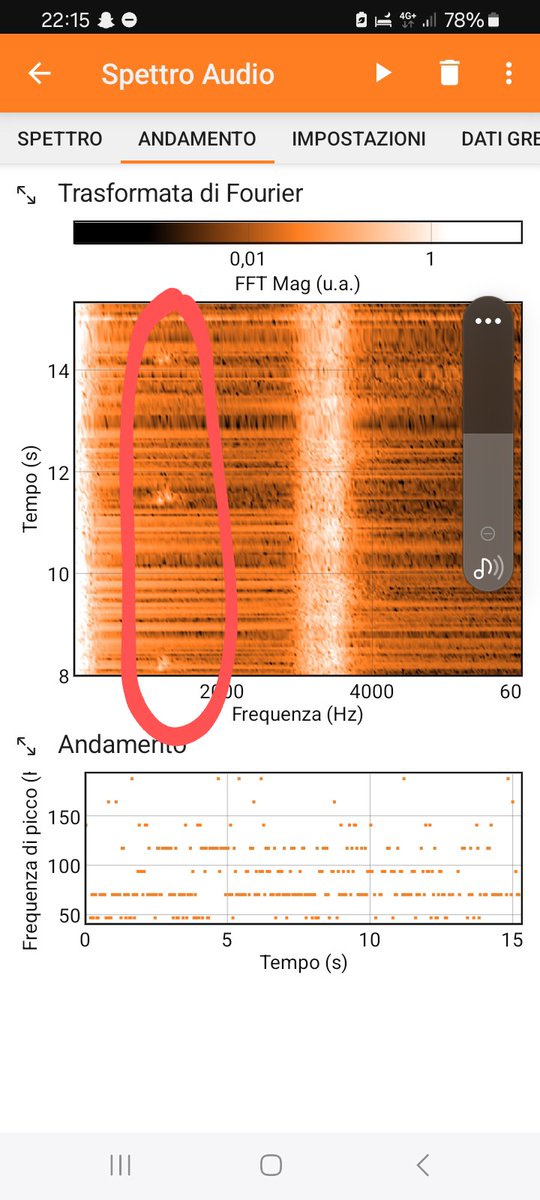
Science on holidays. The highlighted pattern obtained with @phyphoxorg is the common owl's call as it has been identified by @BirdNET_App : another great app for scientists
@visjevangen @pfsmet The source code of phyphox has been published under the GNU General Public Licence since phyphox version 1.1.0. 🤔
There is an “Integrated Acceleration” experiment, https://t.co/Al4f7gnZ8c, however, it does not really work well on raw data without help. Feel free to adapt it. :)
#PangCollYear 12 Physicists visited @THORPEPARK. Using @VernierST video analysis and @phyphoxorg motion sensors, pupils have developing independent research skills as they answer the fertile question "Which design features influence the thrill of the ride?". #PangCollScience