📢Calling secondary science teachers
Are you in your 1st or 2nd year of teaching?
Are you teaching #physics?
Sign up now for FREE #mentoring & #support#TeachingCorePhysics starts Sept
👉 half-termly coaching sessions
👉Regional group mentoring
https://t.co/ykQUeTJfH6
Science educators and technicians, we want to hear from you! Tell us what it's like to teach/work in science education in the UK and Ireland. Survey closes 9am on Monday 5 June: https://t.co/y3CVtJwPcI
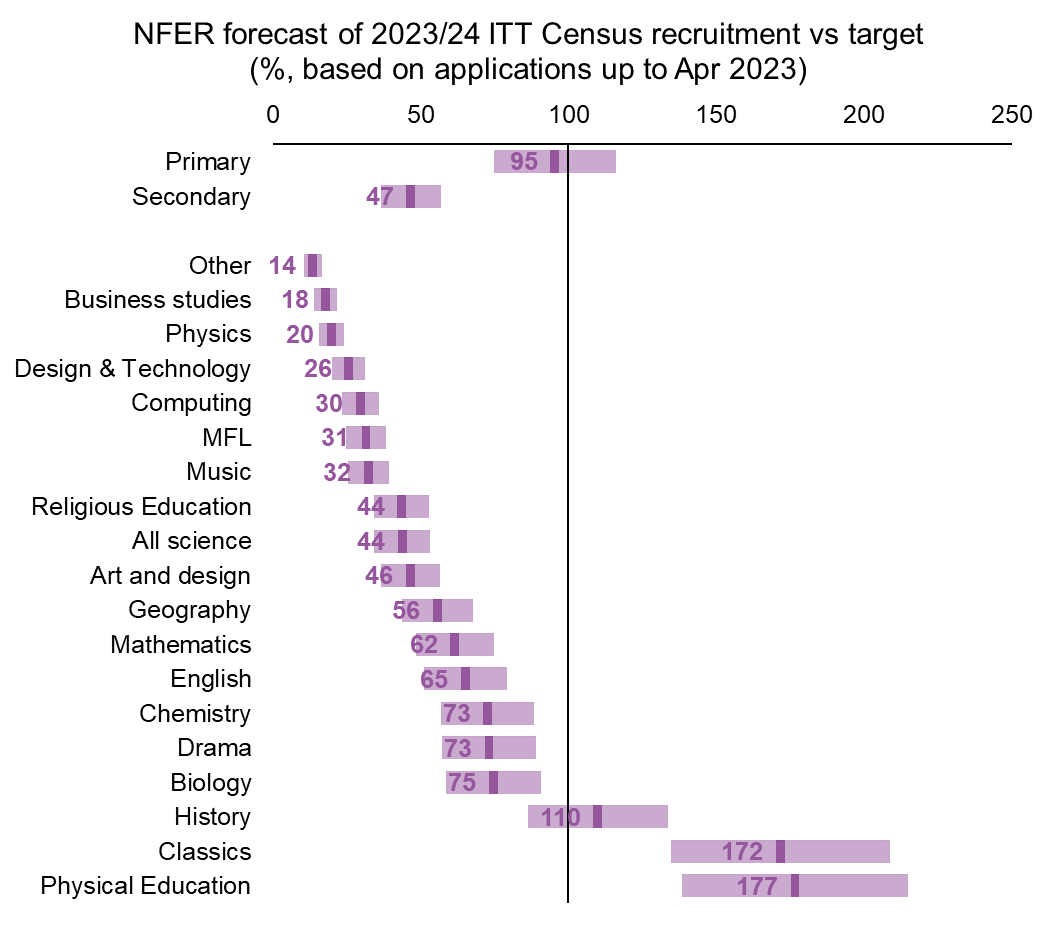
DfE has published 2023 ITT targets: expects to need more trainees in subjects that are already struggling to recruit, further compounding teacher supply challenge
Our updated forecast suggests LESS THAN HALF of required secondary trainees will be recruited this year 😲🧵
.@educationgovuk has issued updated guidance on the induction of early career teachers. Here is everything schools need to know
https://t.co/5sVQqBLJlY
@Hookean1@ogdentrust@PhysicsNews@STEMLearningUK@PhysicsPartners IOPSpark has CPD videos both in the domains series, which covers physics topics and an ECT series, which looks at physics pedagogy in alignment with the ECF. I suppose the bigger question is why the teaching community don’t know they’re there.
A colleague discussed babies learning to walk in a lecture a while ago. She said some babies can walk before they’re a year old, some take up to 18 months. Would we say a child who takes a bit longer is a bad walker? I’ve been thinking about this a lot recently.
@cmphysics@ChatPhysics @DocWhalley @Hookean1@BenRogersEdu@DrDavidBoyce Interesting. I think the confusion occurs because the ‘how quickly’ bit gets lost in the PE definition. Building up a powerful tennis shot: you’d get arms, hips and legs right in the swing to maximise force, then build your technique to increase racquet head speed for more power.