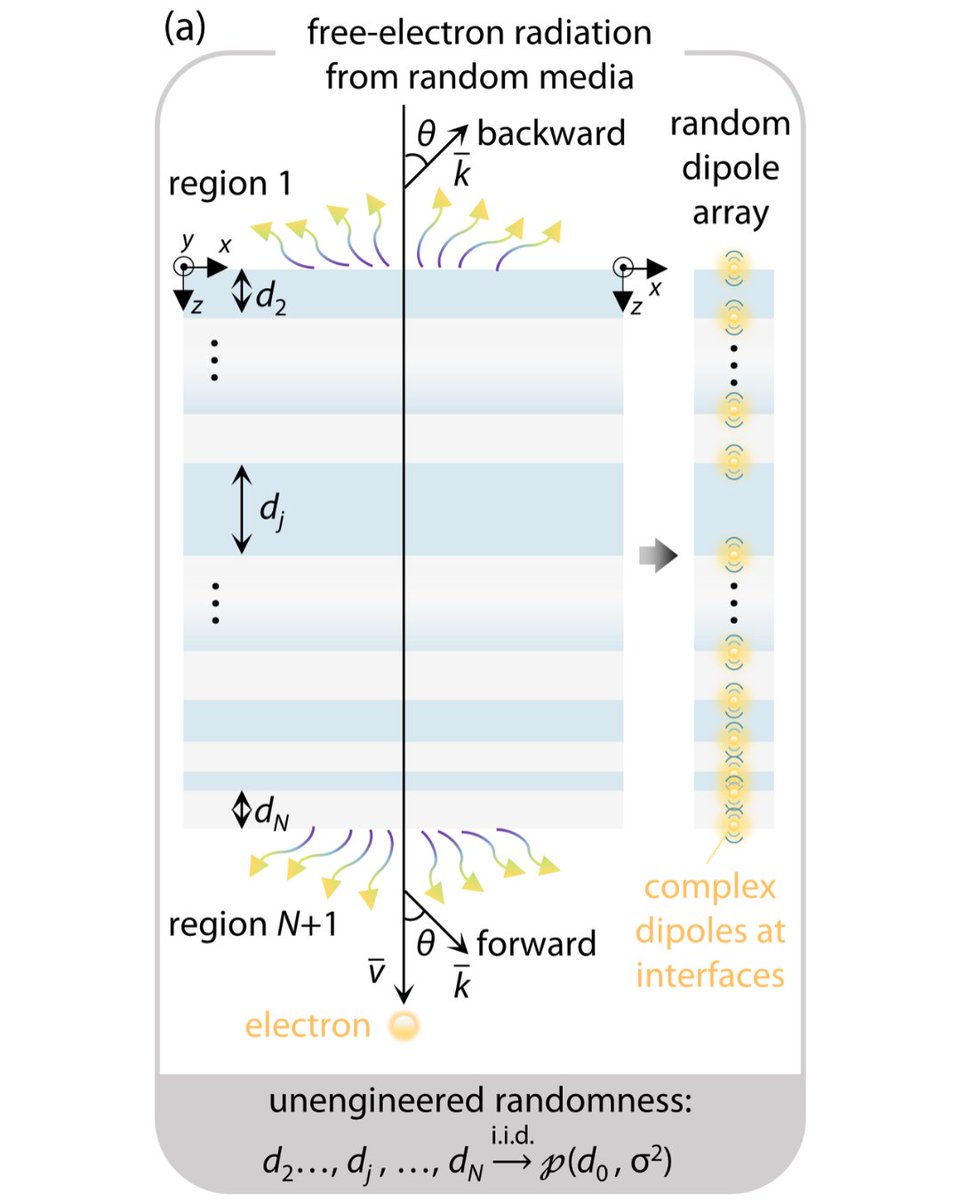
Scientists leverage the Brewster anomaly to bypass the limitations of Anderson localization and enable intensely directional free-electron radiation — a theoretical finding that could enable simple and scalable radiative platforms.
Read more: https://t.co/dUNuQsY7zY
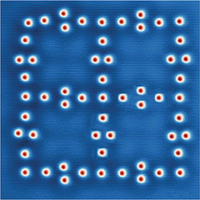
#OnTheCover of this week’s issue: Scanning tunneling microscope topographic image of a cluster-decorated Lieb lattice constructed with 57 Fe adatoms on a Ag(111) surface.
Check out the complete issue: https://t.co/PMcVWkBrvT
Researchers created a new material that traps and “pumps” sound waves between layers of slightly mismatched one-dimensional moiré lattices. This can allow signals to be routed without loss for communication and information processing.
Read more: https://t.co/ULjofzZ6V5
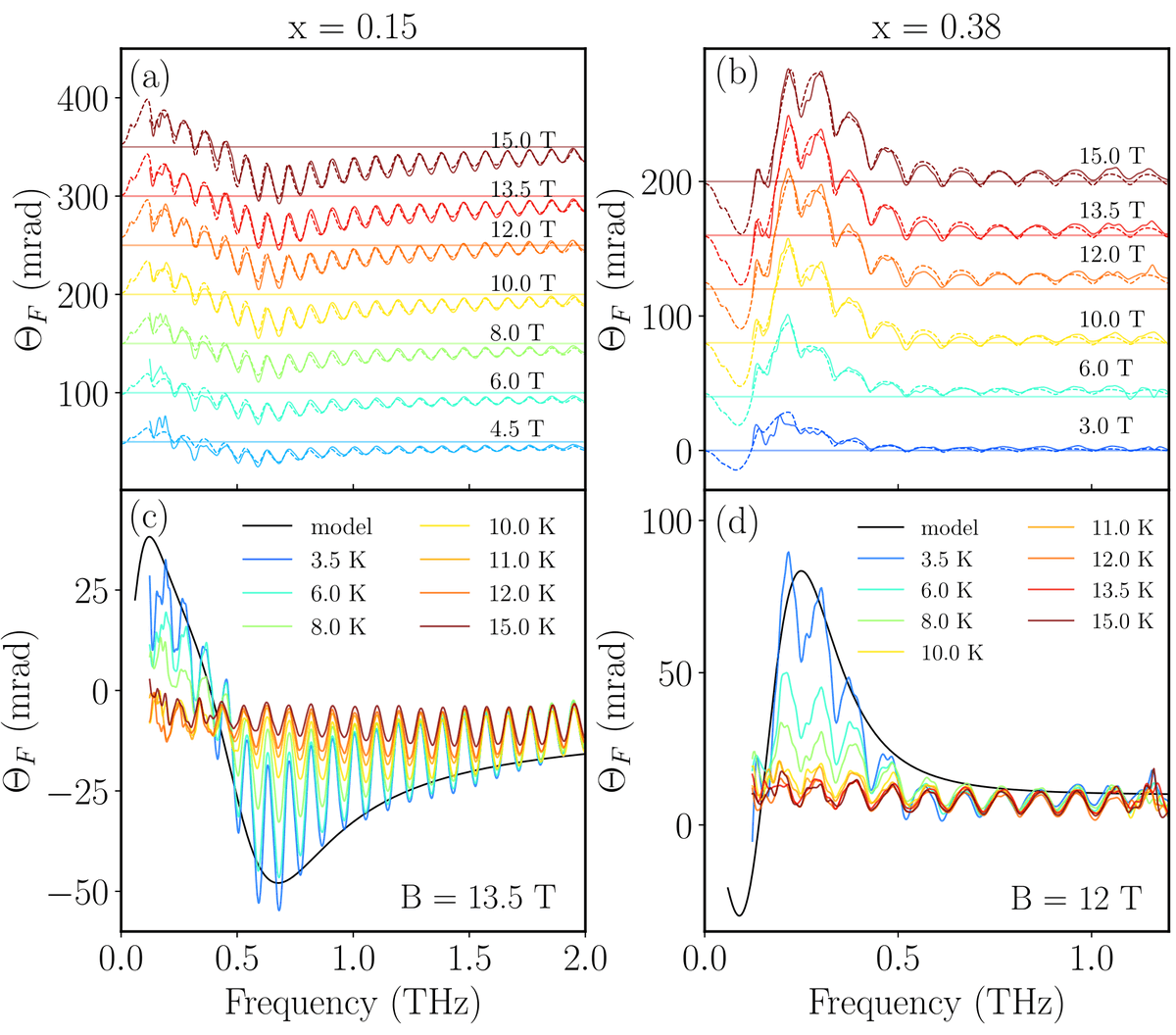
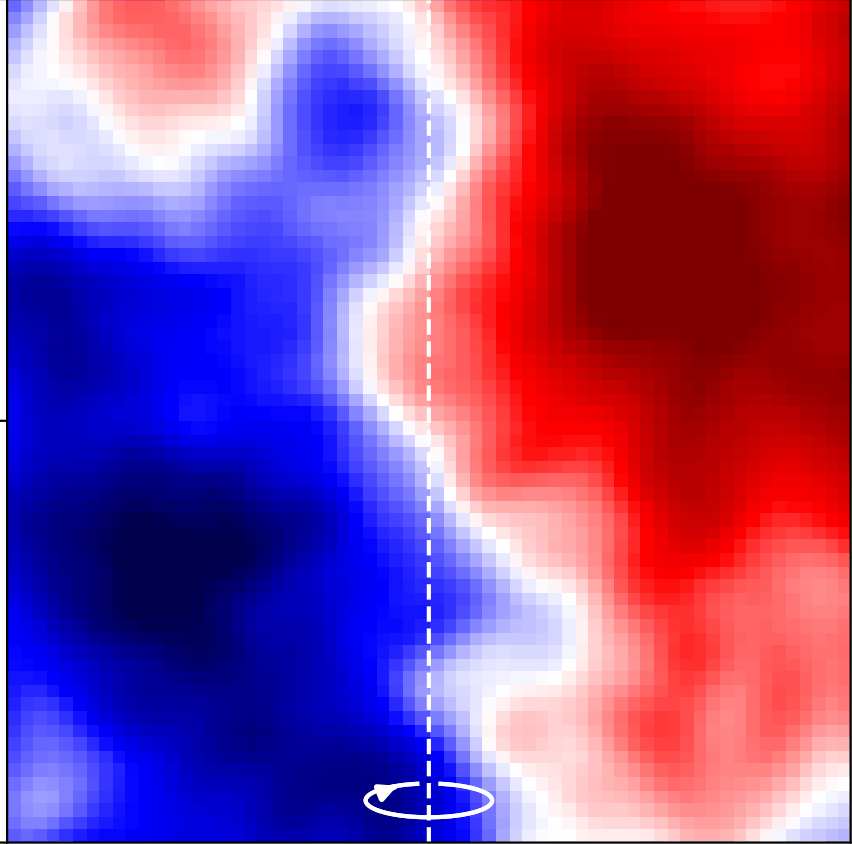
A spectroscopy study of Caroli-de Gennes-Matricon (CdGM) states shows the utility of terahertz magneto-optics as a probe for helical vortex-core excitations and yields evidence of multiband CdGM in iron superconductors.
Read more: https://t.co/OtCiLVdyfx
By merging reflection’s wavelength-independent geometry with the momentum control of a periodic lattice, a deep binary grating efficiently routes wavelengths into a single diffraction angle. The observation could help build flat optical components: https://t.co/Sil5omLIbv
Researchers trapped a single positron in a Penning trap and resolved its quantum states, realizing a one-positron quantum cyclotron that could enable more precise measurements of positron and electron magnetic moments to test CPT symmetry.
Learn more: https://t.co/bzlPvgZUrx
By combining atomic manipulation and scanning tunneling spectroscopy, researchers construct a cluster-decorated Lieb lattice that can precisely tune flat band energy to the Fermi level while preserving graph connectivity.
Check out the Letter: https://t.co/0KZz3TYSF6
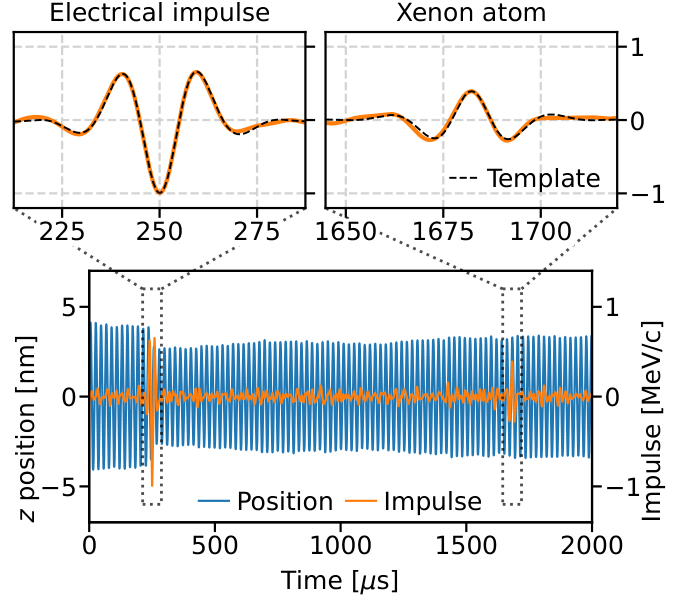
Researchers have detected individual collisions of Kr, Xe, and SF6 with an optically levitated nanoparticle, validating theoretical predictions and providing a proof-of-principle for primary pressure sensor designs.
Read more: https://t.co/Rl3USYDogn
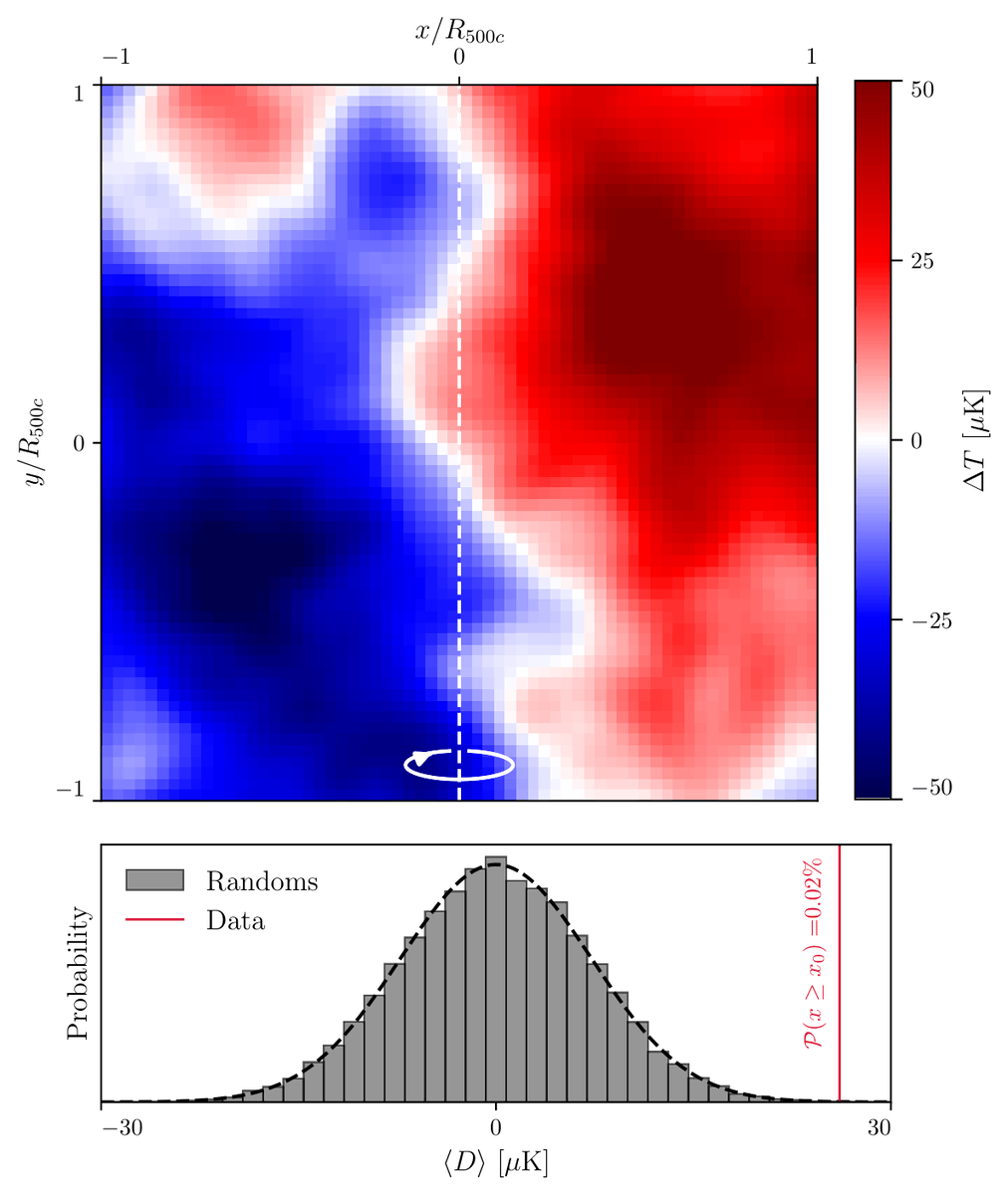
#OnTheCover of this week’s issue: Planck CMB temperature data from 25 galaxy clusters showing a dipole signal from rotating intracluster gas.
Check out the complete issue: https://t.co/z2nTpRcJ9v
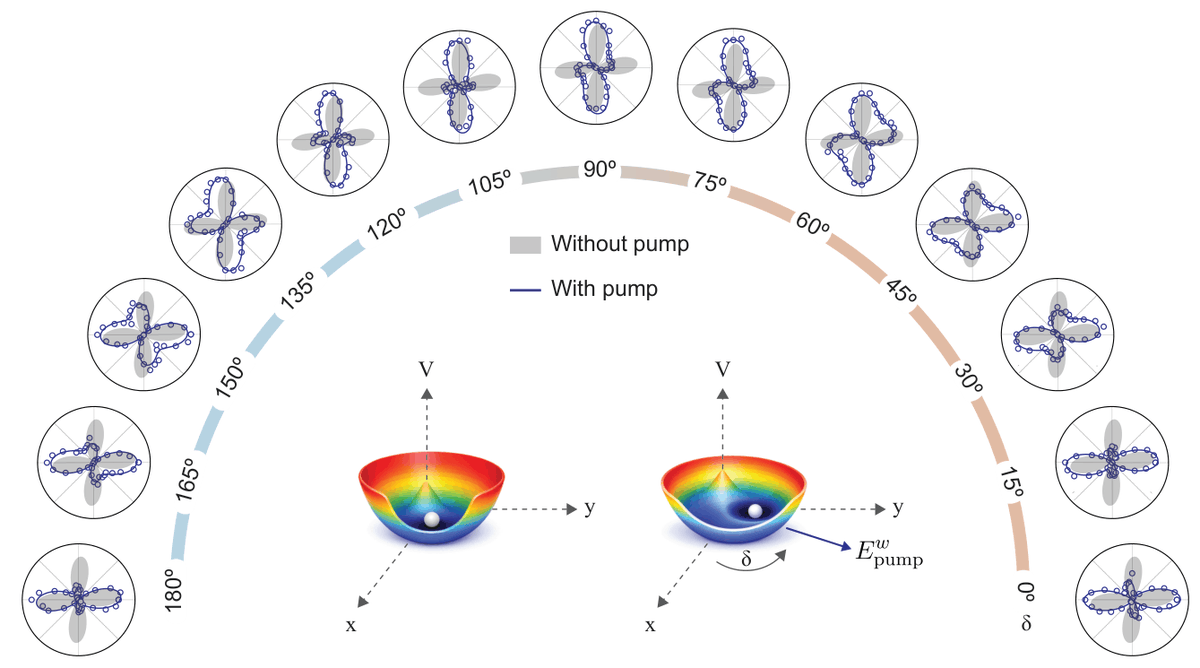
Leveraging rotation-anisotropy second harmonic generation, researchers successfully track and control nanoscale polar islands in a quantum ferroelectric metal and probe the transition’s order-disorder nature.
Learn more: https://t.co/4w3f0OU7cm
Researchers show that orbital relaxation is incredibly short range — about 1 nm — in Ni/(Pt)Ti/Au heterostructures. The results settle an intense debate about orbital currents.
Read the Letter: https://t.co/8RsDtWaFe2
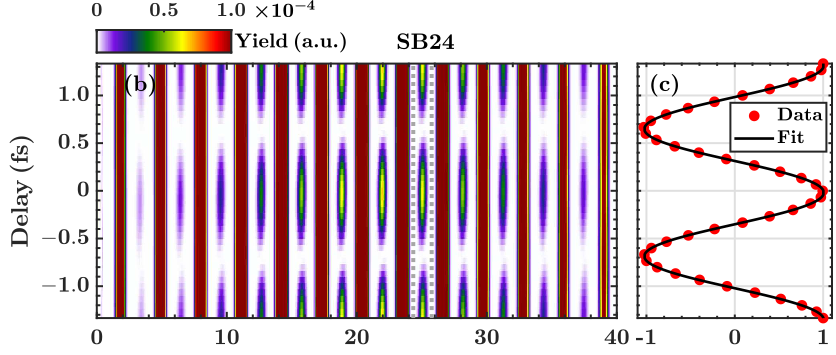
Using the RABBIT technique, researchers recast attosecond photoelectron interferometry as a phase-sensitive detector of quantum light — tackling a gap in the emerging field of quantum attosecond optics.
Read the Letter: https://t.co/CIoTJ8MdiK
Scientists report the first robust evidence for the rotational kinematic Sunyaev-Zel’dovich effect in galaxy clusters, according to an analysis of cosmic microwave background photons scattered off intracluster gas.
🔗 https://t.co/yOYFUghJk8
Helicon waves can provide supplemental currents to tokamaks to sustain the high performances required for fusion power plants. New work provides the first demonstration of this current, a step toward steady-state tokamak operation.
Read the paper: https://t.co/ogHj3t1fTF
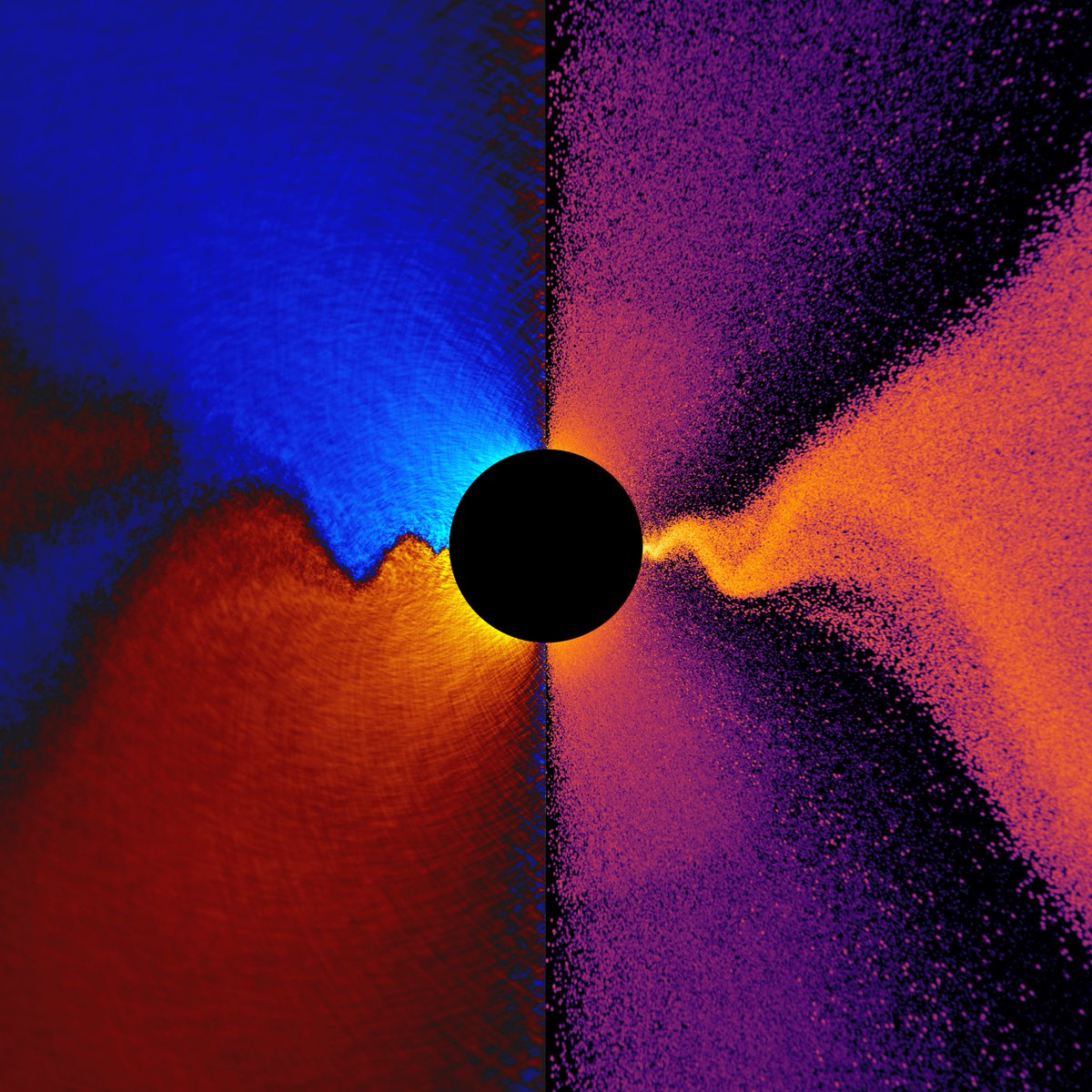
#OnTheCover of this week’s issue: Snapshot of a general relativistic particle-in-cell simulation of a collisionless plasma accreting onto a central spinning black hole, showing number density on the right and out-of-plane magnetic field on the left: https://t.co/5CWpAD3gBo
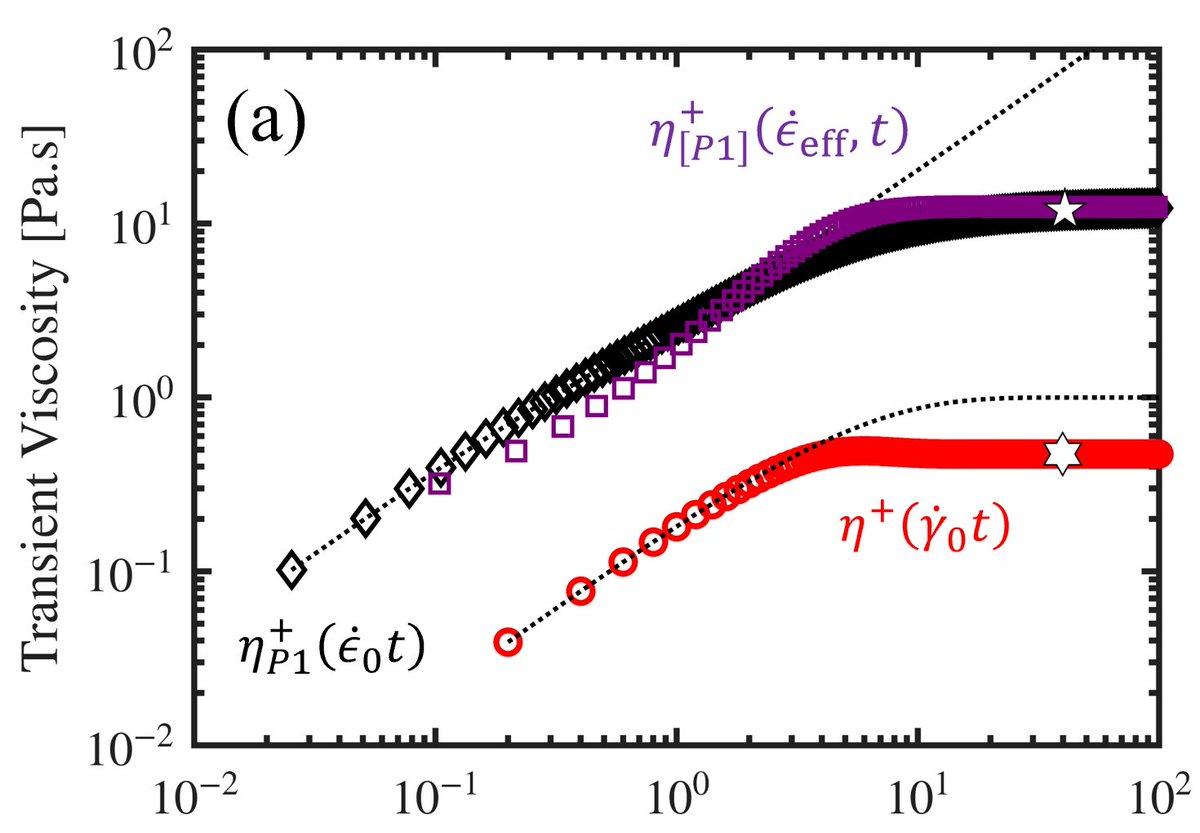
Scientists have reconstructed planar extensional viscosity properties of an unknown material using only steady shear measurements — a finding that tackles longstanding experimental challenges in fluid mechanics and rheology.
Read more: https://t.co/RWYfP2bUHQ
Researchers discovered ultrafast magnetoelectric coupling in rare-earth iron garnets — a finding that may enable sub-100-nm THz magneto-optical readout for faster magnetic data storage and information processing.
Read the Letter: https://t.co/5nBkSdMwV8
An “acoustic drumstick” experiment generates acoustic modes in HBARs and couples them with a silicon nitride membrane. The energy dissipation is nonlinear and 20 times stronger than dispersive interactions, offering unprecedented sound control.
🔗 https://t.co/w5QawGxGC1
Researchers used a bright squeezed vacuum to drive strong-field ionization and showed that the light’s photon-number fluctuations can be imprinted onto electrons emitted by atoms. The results offer a new way to probe ultrafast electron dynamics.
📄 https://t.co/z1AFRYPXGU
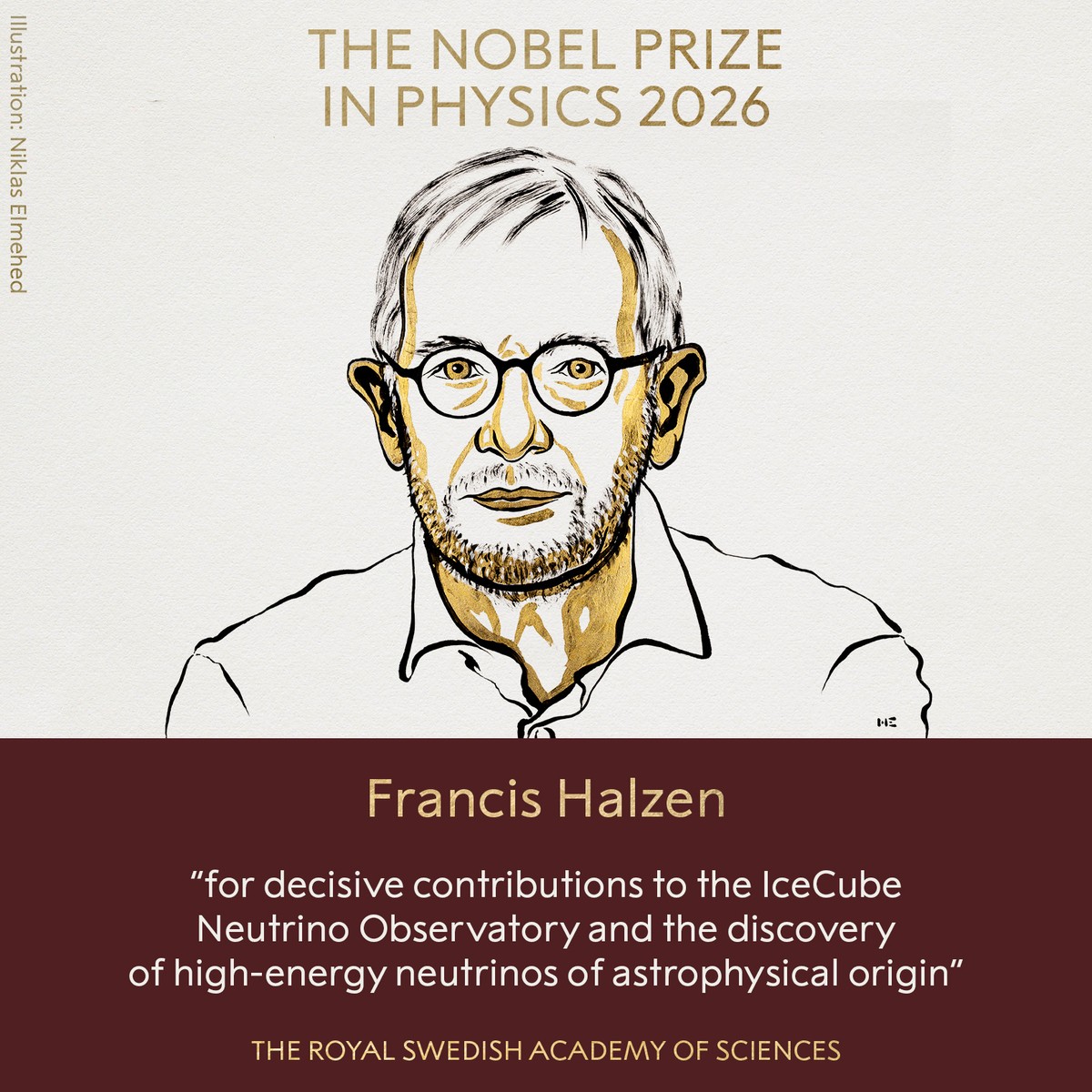
Congratulations to @NobelPrize in #Physics winner Francis Halzen “for decisive contributions to @uw_icecube and the discovery of high-energy neutrinos of astrophysical origin." Read the prize-winning research from our journal:
https://t.co/YeYQs3yr4o
https://t.co/tFbN5iboLF