Been a year since I left @TheOtherNewsCTV, so here's a segment I wrote and produced that didn't get through legal😅 featuring the voice of @Emcee_Ifeaka. The original non-animated version featuring @deehumorous is even funnier than this. You can see it on my YouTube channel.
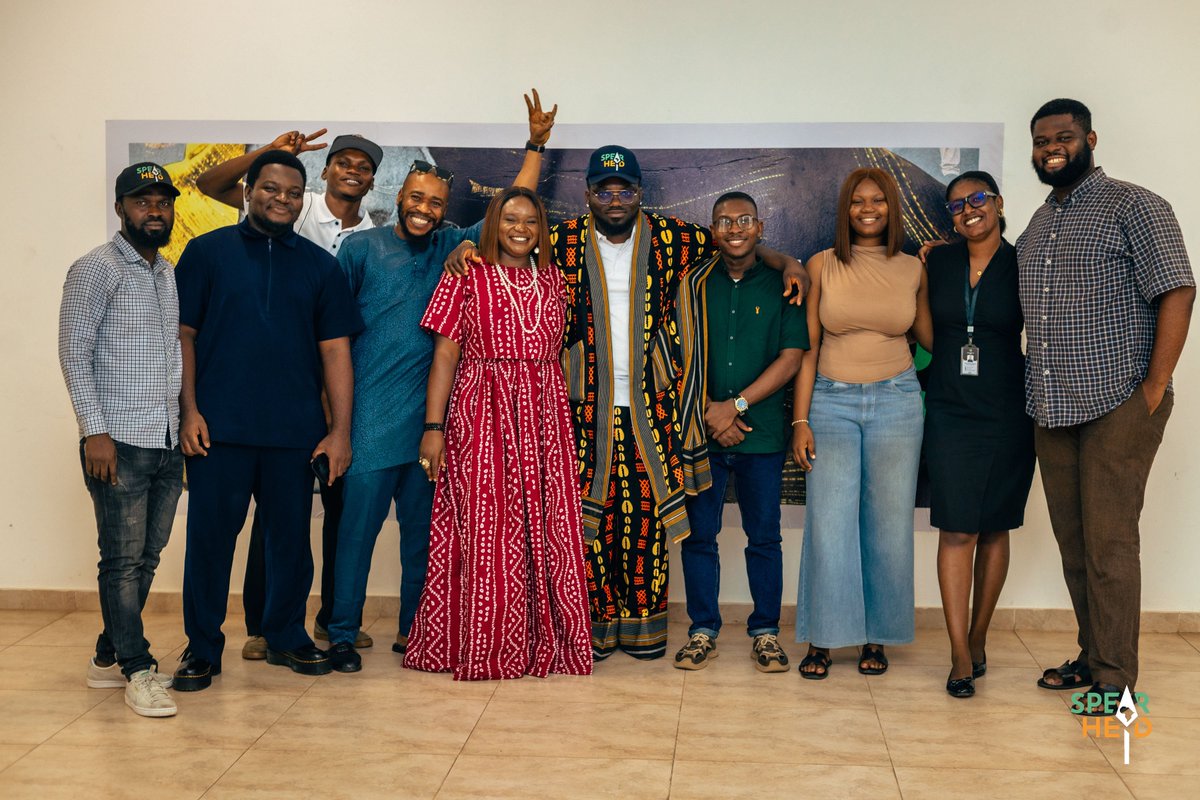
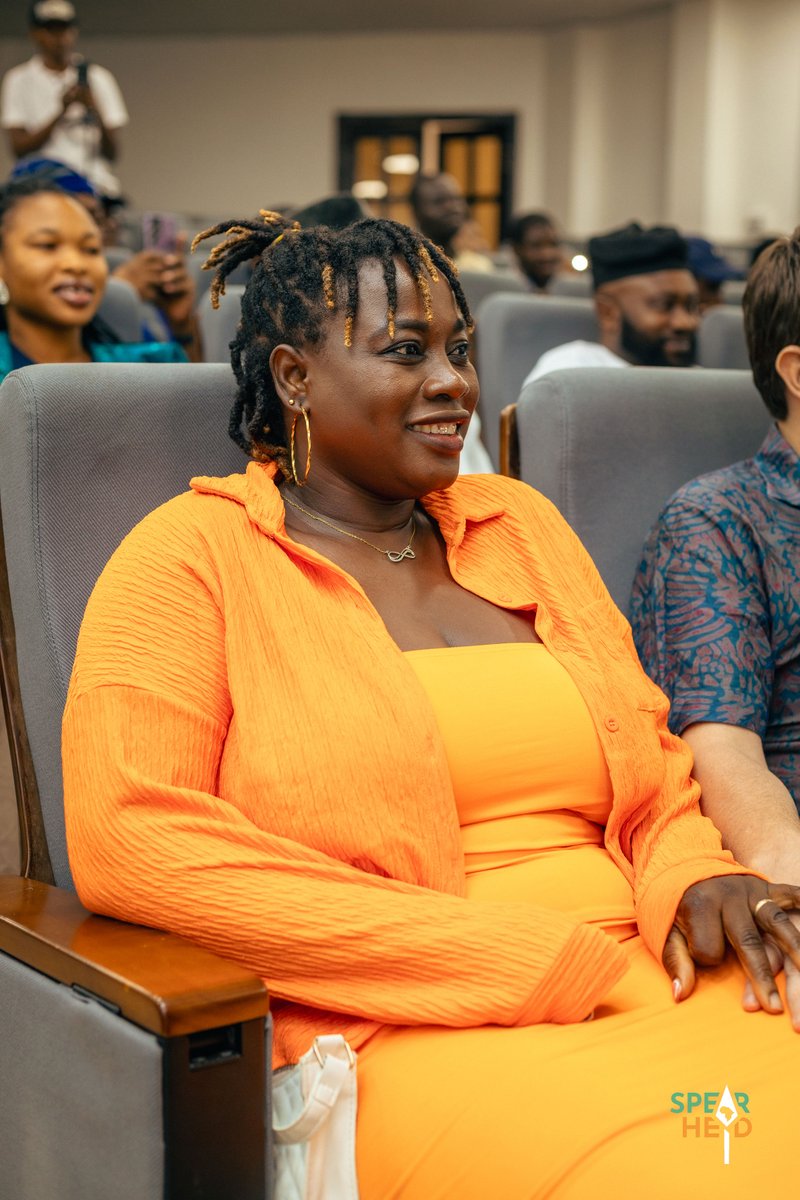
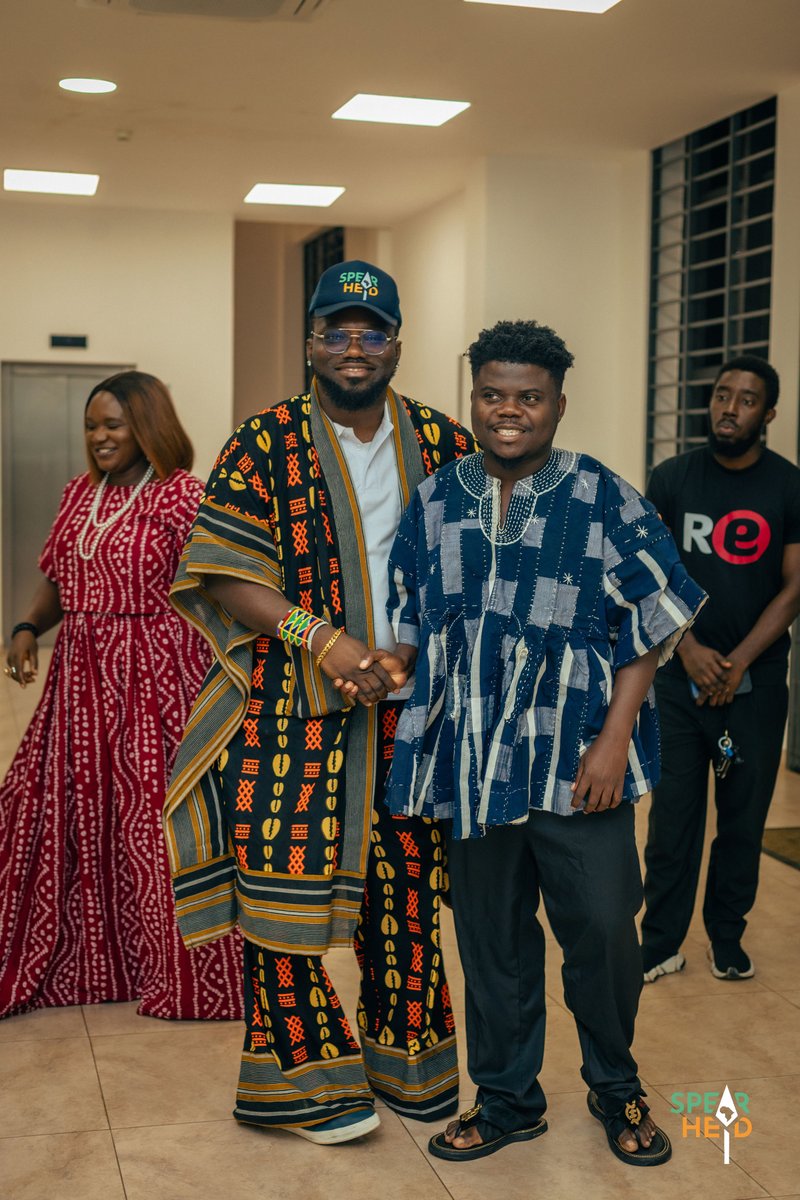
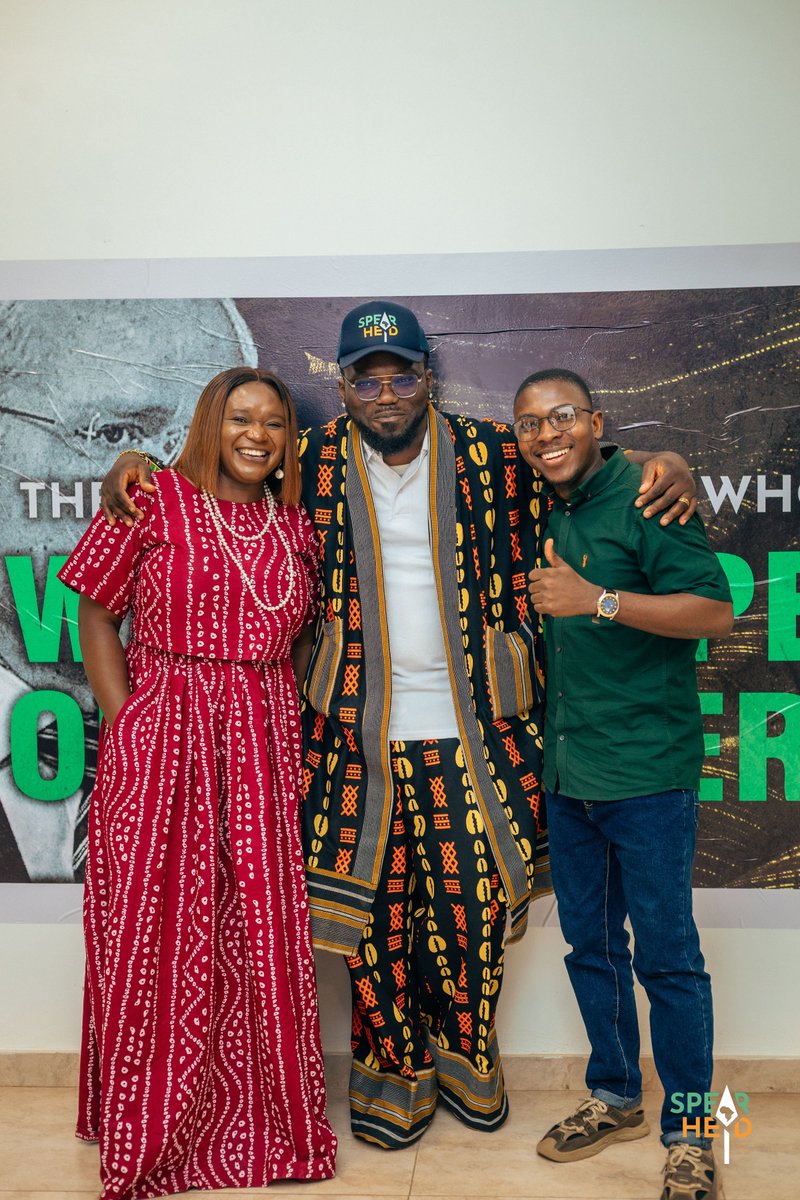
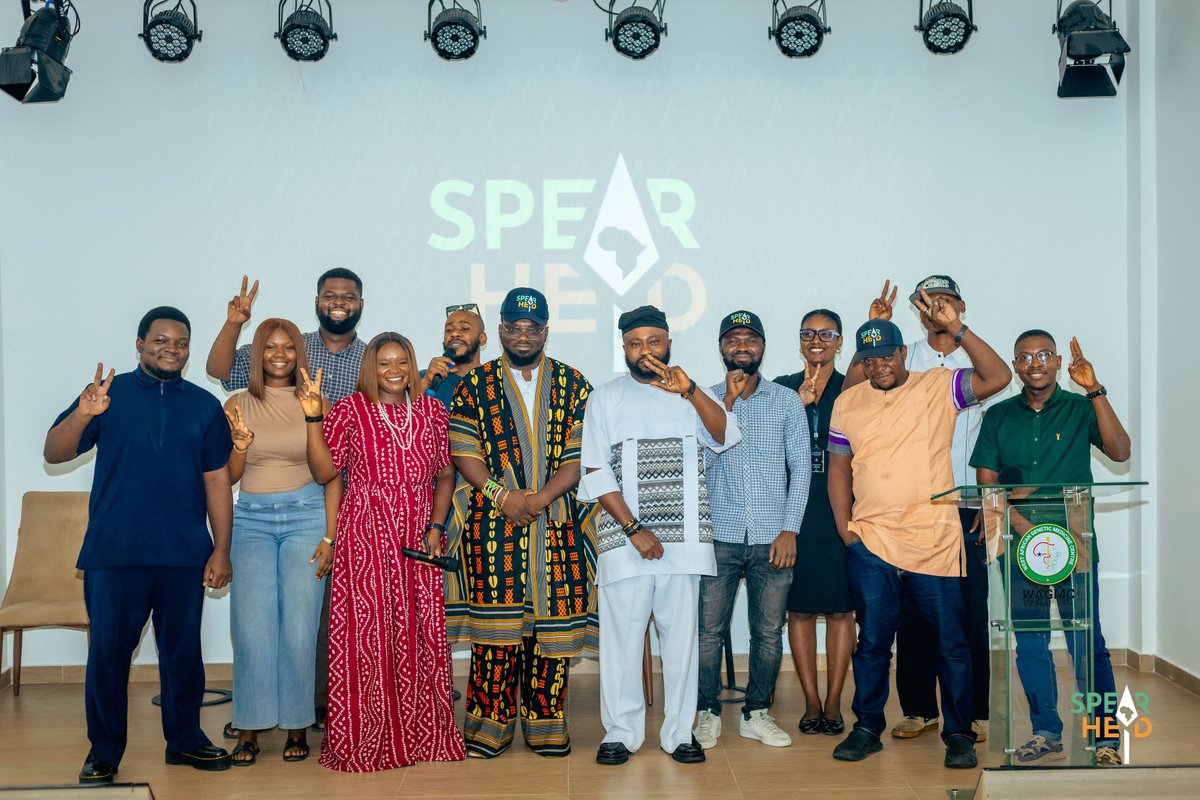
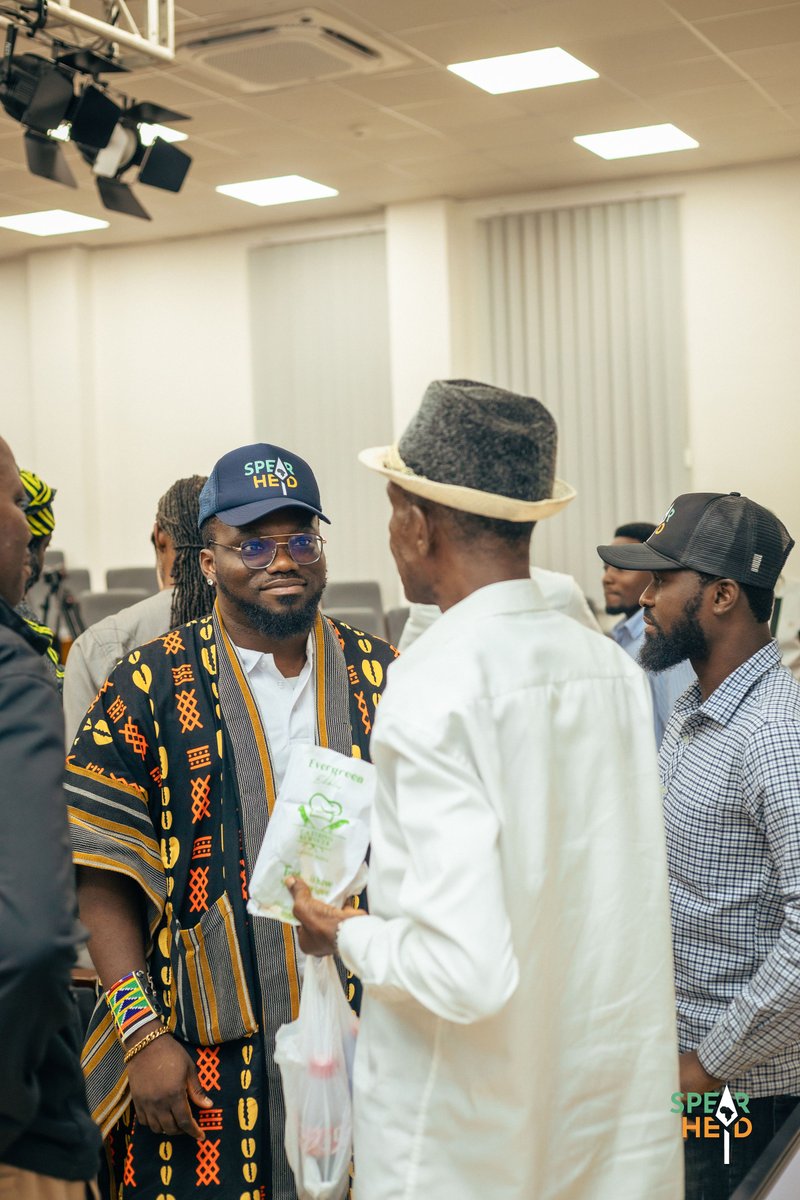
Despite the rains and flash flooding that brought the city to a standstill yesterday, we had a decent turnout at the #WhatHappenedOnOctober29 Accra premiere.
Special word to my G @wode_maya for coming through, and congrats to team @Spearhead_Af for an amazing job!
Next stop: Dar es Salaam🇹🇿 on 29 May!
The era of having CNN tell African stories is over, and we at the @Spearhead_Af are telling Africa's story on Africa's terms.
As for what really happened on the October 29 election in Tanzania, watch out for the documentary, which will premiere in Accra at 5PM on Tuesday, May 26, at the WAGMC Auditorium, University of Ghana. Subsequently, it will also premiere in Dar es Salaam and Nairobi before going up for general viewership on YouTube on May 31.
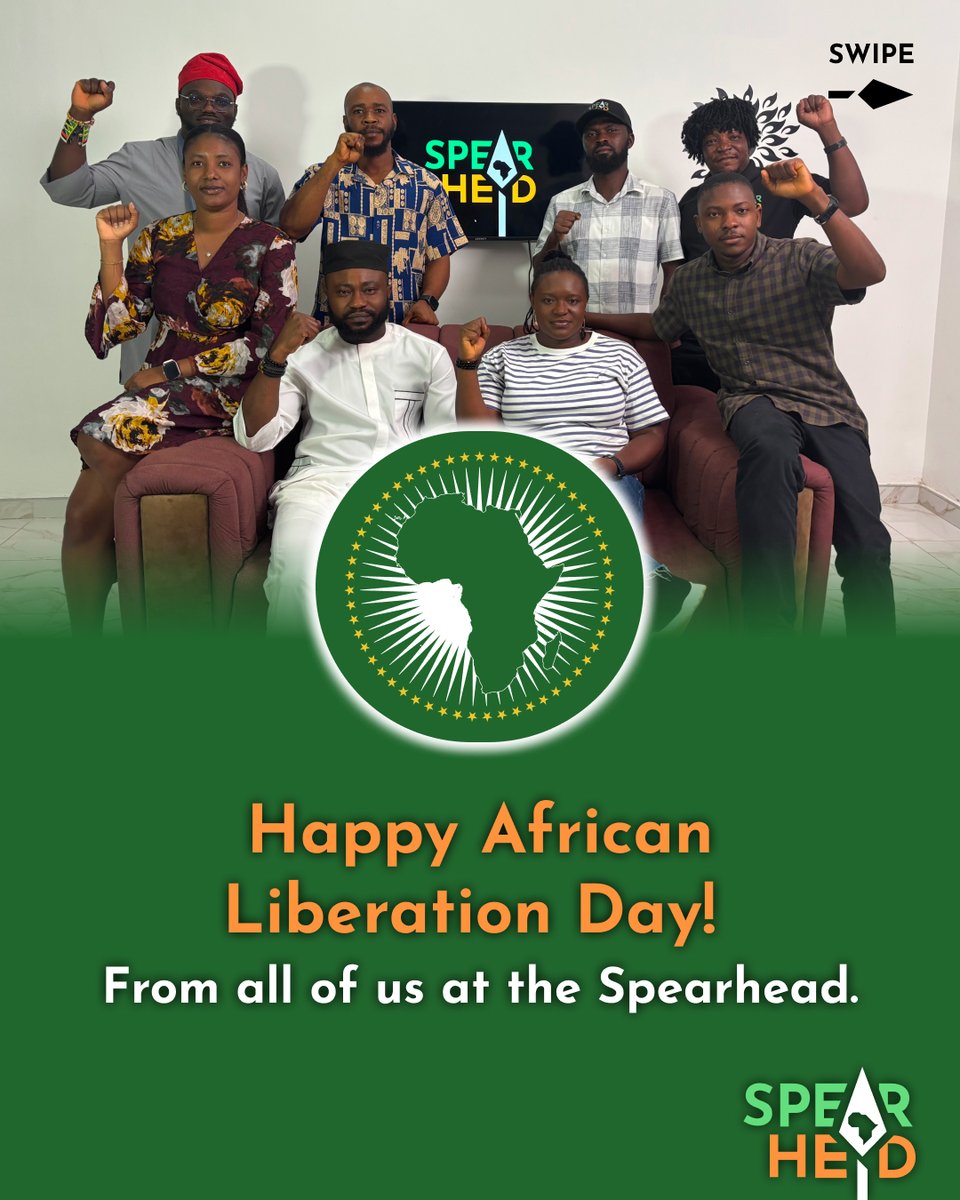
Happy African Liberation Day From All Of Us At The Spearhead!
On this day, in 1963, 32 African leaders, representing their independent nations, gathered in Addis Ababa, Ethiopia, and formed the Organization of African Unity (OAU) – the predecessor to the African Union (AU). The organization’s mission was built on the Pan-Africanist vision of leaders like Ghana’s Kwame Nkrumah – who would be ousted by US-backed forces just 3 years after the OAU’s founding – and Guinea’s Ahmed Sekou Touré – whose country was economically and infrastructurally sabotaged by France for daring to be independent at all.
The vision of these great leaders was simple: a truly sovereign, truly united, truly powerful Africa.
Today, that dream remains sadly out of reach, due to Africa’s present, spineless leadership. But the struggle continues. It continues at a time when the masses of Africa are slowly awakening to the reality of their place in the world, and when calls for free movement and trade across the continent are louder than ever. It continues at a time when 3 African nations, Mali, Niger and Burkina Faso, are taking bold steps towards realizing the true vision of the OAU that many once thought impossible.
That vision may become a reality sooner than we think.
So from all of us at the Spearhead, to our brothers and sisters across the Motherland and its diaspora…
Happy African Liberation Day!
The premiere of a brand new documentary “What Happened On October 29” by @DavidHundeyin and the team @Spearhead_Af will be live in Accra (May 26), Tanzania (May 29) and Nairobi (May 31). If you are in any of these cities and desire to attend, an exclusive FREE ticket could be yours. All you have to do is comment and tag @joyfwen.
The docu is on what really happened during Tanzania’s last election.
Why Africa Must Reject IMF-Controlled Development
Every time the IMF or World Bank arrives in Africa with a “rescue plan,” ordinary people are the ones forced to pay the price.
Across the continent, these so-called reforms have weakened public institutions, cut social spending, reduced access to education and healthcare, and trapped countries in deeper cycles of debt. Kenya’s current austerity measures are not new. They follow the same logic as the Structural Adjustment Programs of the 1980s and 1990s, where African governments were told to cut, privatize, deregulate, and sacrifice public welfare in the name of economic discipline.
But Africa cannot build strong nations by weakening schools, hospitals, industries, and public services
Africa needs economic sovereignty. That means building local production, strengthening regional manufacturing, expanding intra-African trade, supporting African development banks, and creating financial systems that reduce dependence on Western-controlled institutions.
Without that, external powers will keep dictating domestic policy, and Africans will keep carrying the cost.
Anti-Imperialist Commentator: Capitalism Will Be Broken In The Global South
“To understand the paralysis of the working class in the imperial core,” one has to “abandon the illusion of a unified global proletariat,” says anti-imperialist commentator Socialista Champagne.
In this nearly two-minute clip that was publicised on 24 March 2026, Socialista Champagne argued that workers in the imperial core have been integrated into a system of labor aristocracy, where higher wages and welfare benefits are sustained through superprofits extracted from the Global South. By western capitalists in the Global North, of course.
According to her, the comforts associated with the American Dream and European social democracy are not victories over capitalism, but concessions made possible by the exploitation of workers in India and, perhaps, other countries of the Global South.
More so, Western imperialism, which, without a doubt, is foundational to global capitalism, will ultimately be broken in the Global South.
Mr Trump is not a man of peace; he destabilises the world - Senegal Prime Minister
Senegal’s Prime Minister Ousmane Sonko has condemned U.S. President Donald Trump over the U.S.-Israeli war against Iran, accusing him of fueling global instability and pursuing a conflict that has failed to meet its stated aims while plunging the world into chaos. Sonko’s remarks make him one of the few African leaders to openly criticize Trump since the war began on February 28, 2026, as fighting continues with no clear end, the Strait of Hormuz remains closed, negotiations in Pakistan have stalled, and global gas prices keep rising.
“Disunity between our peoples must cease!” – Fidel Castro
In this excerpt from his powerful speech at the 12th Annual Summit of the Non-Aligned Movement in Durban, South Africa, on September 2, 1998, former Cuban President and champion of anti-imperialism, Fidel Castro (1926 – 2016), calls on the people of Africa, the wider Global South, and the world at large, to rise above the petty divisions imposed on them by Western colonial powers, and unify in the pursuit of a truly just world.
Fidel Castro is remembered fondly in Africa as a staunch supporter of the continent’s many liberation struggles during his lifetime, including South Africa’s anti-apartheid struggle, for which former South African President, Nelson Mandela (1918 – 2013), expressed lifelong gratitude to the Cuban leader. In the West, Castro is remembered with less fondness, as the fearless anti-imperialist who survived over 600 assassination attempts by Western intelligence, and remained free until his death in 2016.
His work continues to inspire those across the Global South who dare to dream of a world without colonial oppression.
Burkina Faso Records 45% Drop In Terror-Related Deaths Under Ibrahim Traoré’s Leadership
Since its formation in 2024, the Alliance of Sahel States (AES) – comprising Mali, Niger and Burkina Faso – has faced relentless attacks by Western-backed terrorists, economic isolation and sovereignty violations by Western-aligned African states, and endless slander from Western and Western-aligned media. Despite these externally-imposed challenges, its member states have continued to record economic and political wins, and the West is clearly not happy.
On April 2nd, 2026, US-based Western propaganda outlet @hrw put out a report alleging that the Burkina Faso military had perpetrated war crimes over the last 2 years, leading to the deaths of over 1200 innocent Burkinabé citizens. The report was quickly amplified by Western media, but didn’t have quite its intended effect. It was met with immediate backlash from Africans of good conscience across the Motherland and its diaspora, as well as the Burkina Faso government itself, which pointed out the report’s dishonest methodology, its unreliable sources, and the clear nefarious motives of its authors.
In this report for the Spearhead, @okorieuche_ examines the reality behind the harrowing picture that this “report” attempts to paint of Burkina Faso, and what it means for Africa.
Why Do So Many African Flags Look So Similar?
The period of European colonial presence in Africa is known by African historians as the Maafa – a Kiswahili word which means “Great Disaster”. It is so called because of the terror and destruction that defined this period. Africa’s indigenous development was interrupted, its monuments vandalized, its treasures looted, its knowledge systems suppressed and its history distorted by parasites who had no interest in “civilizing” anyone.
Through more than 450 years of oppression at the hands of these parasites, Africans resisted, from the Khoisan and Herero-Nama Uprisings of 1659 and 1904 respectively in Southern Africa, to Ethiopia crushing its would-be colonizer, Italy, at the fabled Battle of Adwa in 1896, to the Mau Mau Uprising of 1952 in Eastern Africa, to the wave of independence that would sweep across the continent only a few years later. This long history of African resistance, Pan-Africanist activism, and the relative liberty that would ultimately be won by it, is encoded in the national flags of many African countries today.
In this report, The Spearhead examines this historical connection.
Colonialism Taught African Women to Hate Their Own Hair
African hair was never just about appearance. It carried identity, culture, and meaning. Colonialism disrupted that, stripped it down, and replaced it with a system that taught African women to see their natural hair as something to fix, manage, or hide.
What we now call preference did not appear out of nowhere. It was shaped over time, reinforced through schools, workplaces, and media, until straight hair became the standard and everything else had to adjust.
So the real question is not what African women are choosing today. The question is why those choices feel necessary, and who defined that necessity in the first place.
If there is any real conversation to be had, it is this: how much of what we call beauty is actually ours, and how much of it was imposed on us.
Why Nations Become Dependent Upon Joining The Global Market.
Indonesian social commentator Anto Wijaya makes a point here that should hit home for many African countries. In this video, he says newly independent nations usually face two choices: focus first on becoming self-sufficient, or rush into the global market and end up dependent on outside powers, foreign capital and external control.
That is the painful reality of the African story. A lot of African nations rushed into the global market soon after independence and have been hooked ever since, tied to commodity exports, value-added imports, foreign "investment", aid, and extraction-driven economies that do not serve their people.
6 decades after most of our continent gained flag independence, the question that modern Africans must answer is this: If my country's position in the global market means that it cannot feed itself, control its resources or shape its own economic future, can it really be said to be "independent"?
African Proverb Of The Week
500 years of Western colonialism have created an Africa without a strong identity, an Africa where only the most superficial and politically impotent aspects of the self are glorified by the system and its media, while every truth and every idea with political teeth is demonized as extreme. This is by design. The global system that Africans inhabit today was designed to oppress and exploit them, and across the Motherland and its diaspora, millions of Africans continue to waste their lives seeking hope, success and validation within this system.
As this East African proverb reminds us, the people of Africa can never truly win in a game rigged against them. To win, Africans must play their own game, by their own rules.
And for the first time in decades, the continent has an example to follow, in the Alliance of Sahel States.
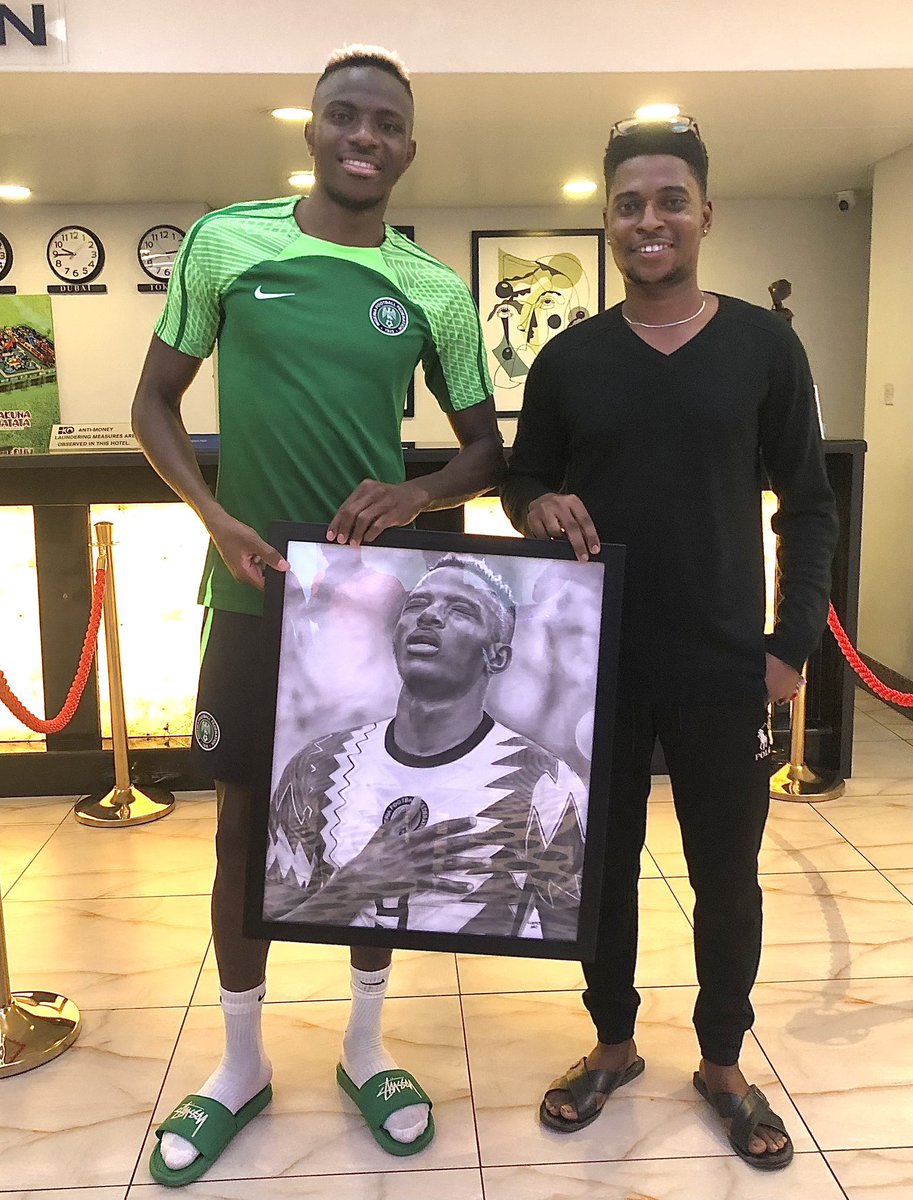
Dear @victorosimhen9,
Years ago I had the honour of giving you this pencil portrait in person.
I want to start a special project: turning your goals into pencil art within 24 hours of each game.
I might not reach Turkey, but with support, I can bring your journey to fans in RT.
Ghana Says It Won’t Honor International Agreements That Grant Extradition Only To The West
Ghanaian Minister for Justice, Justice Srem-Sai, has stated that his country will not be honoring any international agreements which facilitate the extradition of criminal suspects from Africa to the West, but fail to guarantee the reverse. Srem-Sai said this at the 2026 Global Fraud Summit held on March 16 in Vienna, Austria, which brought together delegates from around the world to discuss measures and ways forward in the global fight against fraud.
As Western leaders and diplomats performatively lament corruption in Africa, their nations continue to provide safe haven for Africa’s worst criminals and the spoils of their crimes. A 2024 report by Transparency International revealed that over US$3.7 billion worth of corruption-linked assets from Africa remain hidden in Western nations. Western law enforcement agencies have frustrated the efforts of well-meaning Africans to hold their corrupt leaders and their Western accomplices to account, and even covered for these criminals.
Yet when Western nations come calling on Africa to extradite its citizens suspected of crimes in the West, the process is a lot smoother.
Ghana's statement signals the beginnings of a new dynamic, and comes at a time when many other African nations are taking bold steps to reassert and defend their sovereignty.
China Gives 53 African Nations Full Tariff-Free Access to Its 1.4 Billion-Strong Market
From May 1, 2026, China will drop all tariffs on imports from 53 African countries, giving the continent a chance to tap into one of the world’s biggest markets. Products like cocoa, coffee, cotton, minerals, and manufactured goods can now reach China at lower costs, making African exports more competitive and creating real opportunities for industrialisation and higher-value production.
This is a chance for Africa to shift how it participates in the global economy. With zero tariffs and AfCFTA working to connect African markets, countries can build regional supply chains, create jobs, strengthen local industries, and move beyond exporting raw materials. How governments and businesses respond will determine whether Africa finally captures more of the value its resources deserve.
The US Is Still The Only Country To Have Ever Used A Nuclear Weapon On Another Country
On August 6, 1945, a nuclear bomb, built and deployed by the United States, detonated over Hiroshima, Japan. 3 days later, a second, deadlier nuclear bomb, also built and deployed by the United States, detonated over Nagasaki, Japan.
The two attacks led to the deaths of over 214,000 Japanese people, and since then, the United States has remained the only nation on Earth to ever deploy nuclear weapons against another nation.
Yet it is the same United States which today lectures the world about “nuclear safety” and “nuclear proliferation”, while waging a forever war against all nations in the Global South that dare to pursue nuclear power.
In this 2025 televised exchange on CNN with an imperialist pundit of little repute, US-born political commentator Joy Reid aptly points out that the United States, for all its pretences, has always been the world’s number one aggressor.
An aggressor that no nation in the Global South which values its sovereignty and survival has any business taking instructions from.
Under the Western-imposed African Nuclear-Weapon-Free Zone Treaty, the nations of Africa are effectively barred from nuclear power. But with nations like Mali, Niger and Burkina Faso pointing a different way for the continent, and other nations slowly reading the room, this shackle may not be on for much longer.