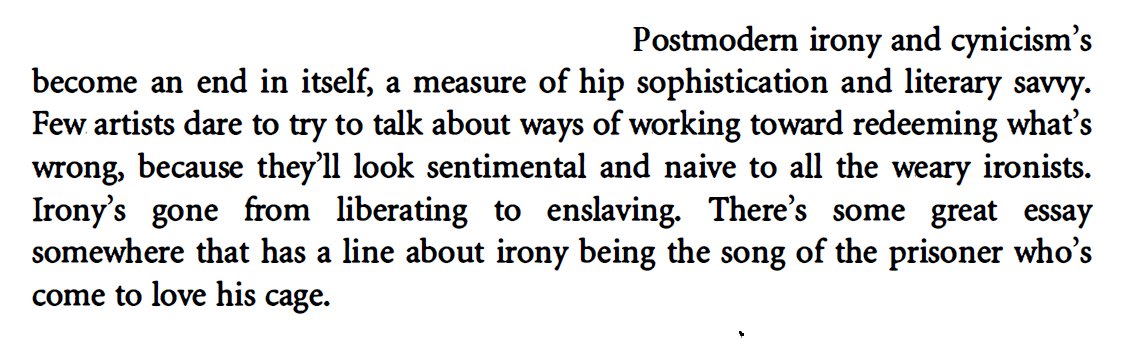
@MistralAI A great drawback of Mistral OCR 3: formatting, like for example italics, are not reserved. Now if you are parsing documents with citations it’s nonsense not to preserve italics. Have you solved this issue in OCR 4?
I media, tutti i media, l’informazione, tutta l’informazione, giuocano nelle due direzioni: in apparenza producono più sociale, ma in profondità neutralizzano i rapporti sociali e lo stesso sociale.
- Baudrillard, Il sistema degli oggetti
Mezzi di ISOLAMENTO di Massa
“"Tokyo Tower of Sympathy" is not just a dystopian novel set in the near future.
It is a scathing satire of modern society and a sharp work that questions the future of words, human rights, and freedom of expression.”
@kitekondo https://t.co/gtqiqatWqe
@JaycelAdkins@nyrbclassics@PenguinClassics The only real Studiolo is the one realised for the Duke Federico da Montefeltro in his fairy palace in Urbino. No one can dare to call a modern room a Studiolo.
The voice in the Pillow Book is so immediate. You feel her as a contemporary. In the Western world there is nothing comparable. Especially in those early ages. In that sane XIth century western women were not writing this kind of diaries and certainly they did not feel so free. Genre and religious infrastructures in the Western world were too rigid. And this was true for many centuries. Before reaching the same immediacy we had to wait a lot of time.
Sono bastate le due sillabe "culo" a fare paura a Milly dopo l'uscita di Rita Dalla Chiesa. Spiegando rinculo ha evitato che qualche spettatore potesse equivocare. Lí le due sillabe non alludono al lato B ma hanno solo un significato metaforico. Così nessuno può lamentarsi che la giuria del suo spettacolo dice le parolacce in diretta. Con il clima che c'è ormai anche "culo" sarebbe ritenuto sconveniente. Rinculo si salva per un pelo. A patto di spiegarlo.
Very difficult question! Above all because Italian used by Dante was Middle Ages Italian! It remembers me when I got so in love with Pushkin’s masterpiece « Evgenij Onegin » that I wanted to study Russian so as to read it in its original language! Instead I bought all available translations in 3 différent languages in order to compare them and trying to get something of the unattainable music of the original text that comes up from all of them. Consider for example one of the most famous Dante’s verses: “L'amor che move il sole e l'altre stelle”. This is the final line of the Divina Commedia. This verse has a sublime simplicity and a musicality due to the repetition of the sound « mo ». Besides it is still perfect Italian while other verses by Dante are written in a more remote Middle-Ages Italian. Due to its simplicity it is also very simple to translate in English: « Love who moves sun and other stars. ». If you only read English you can get the meaning. But it’s horrible because it’s completely différent. You can get the meaning but you lose all the musicality. The problem is that you can get the original musicality only if you understand and practice spoken Italian. Many foreign people understand Italian because they love the Italian sung melodramas: the Operas by Puccini, Verdi, Bellini etc. as well as the Italian trilogy composed by Mozart or several operas composed by Haendel. They develop an ear for the spoken Italian and its inner musicality. So my simple suggestion is to get good translations as well as thé original Divina Commedia. When I read the Essays by Montaigne in the original French of the XVI century I compared with a modern Italian translation which helped me to understand difficult sentences. Obviously this is not the same in the case of the Italian written by Dante and contemporary English since they are very different. But you can do the opposite: that is reading a translation (or more than a single one) and sometime check the original Italian verse when you are curious about the original language. This is what I’m doing now that I’m reading “Infinite Jest” by David Foster Wallace. Finally it would help you a lot if you find an Italian willing to read you the original text. If not all, some of it. But probably there are some records of public lectures that you can easily find.
La traduzione italiana di "Infinite Jest" è un'avventura finita male. Ci hanno messo le mani in 3 per l'editore Fandango ed è risultata piena di errori. Spesso banali. In questo passo c'è "closet" tradotto con lettino anziché ripostiglio. Come può un lettore italiano capire un romanzo così complesso se ci sono anche tutti questi errori a ogni capitolo? Da quando Einaudi ha acquisito i diritti ripubblica questa traduzione senza nessuna revisione. Così in Italia il lavoro più famoso e complesso di Foster Wallace è anche quello tradotto peggio. Né in Francia né in Spagna hanno traduzioni di così basso livello. Eppure lo scrittore Sandro Veronesi nel 2008 se ne vantava: "Io credo che Infinite Jest sia il più grande romanzo che sia stato scritto nel dopoguerra. […] Averne fortemente voluto la traduzione, aver fondato una casa editrice, con Procacci, praticamente a questo scopo, rappresenta probabilmente il mio più alto merito letterario" (!)
#infinitejest #davidfosterwallace #traduzioni
You mean a yakee translator shamelessly dared to translate the “father” of our poetry? Being Italian I can only imagine how much will be lost in a English translation of Dante’s Divina Commedia. At the same time I must confess that I am a usual reader of translations of masterpieces from foreign literatures I can’t read in the original language. So what can I say? happy reading of Dante. But trust me: this is not Dante but some shameful yankee translator who should be convicted to spend the rest of his life in a cage at Palazzo Vecchio in Florence…
Traduzione italiana opera di Google translate? La traduzione italiana viene attribuita dall’editore Einaudi al noto traduttore Norman Gobetti ma su Amazon qualcuno l’ha già definita “pessima”. La ragione principale sembrerebbe consistere nel ricorso massiccio a una traduzione letterale probabilmente frutto dell’uso del traduttore automatico con qualche variante inserita qua e là. Il risultato è un testo che sfida le regole della sintassi italiana. Per es. virgole inserite tra pronome relativo soggetto e il verbo come in questa frase: « Quando arriva al gradino d’ingresso sfila il telefono dalla tasca, fresca tattilità sul palmo della mano mentre lo schermo gli si accende sotto le dita, che digitano. » Istruttivo confrontare con la traduzione francese pubblicata da Gallimard e che è opera di una traduttrice francese che ha portato il testo nella lingua francese senza ignorare le regole linguistiche della lingua d’arrivo: « À l’entrée, il sort son téléphone de sa poche et le place dans la paume de sa main, fraîcheur de l’écran tactile qui s’éclaire sous ses doigts quand il se met à taper. » Altra perla della traduzione italiana che dipende da una assurda scelta di calco letterale: quando Sally Rooney scrive « Laptop lying splayed open on the unmade mattress. » Gobetti traduce: “Il portatile era aperto sul materasso disfatto.” Trad francese: « Ordinateur portable grand ouvert sur le lit défait. » Già perché « materasso disfatto » non ha senso, semmai: letto disfatto. Sono solo esempi dalla seconda pagina. Ma come fa Einaudi a pubblicare un testo così? Eppure scommettiamo che nessun recensore italiano lo farà notare? Non importa. Sia sempre lodato il servizio Amazon che ci consente di essere indipendenti rispetto alle superficiali recensioni italiane e poter giudicare grazie alla possibilità d scaricare gratuitamente gli estratti dall’inizio delle edizioni Kindle: così possiamo fare paragoni tra testi in lingue diverse e smascherare le cattive traduzioni pubblicate da case editrici italiane che ormai non sembrano neppure avere più redattori n grado di notare la qualità scadente delle traduzioni che pubblicano.
#Einaudi #sallyrooney #intermezzo #googletranslate #traduzioneletteraria #gallimard




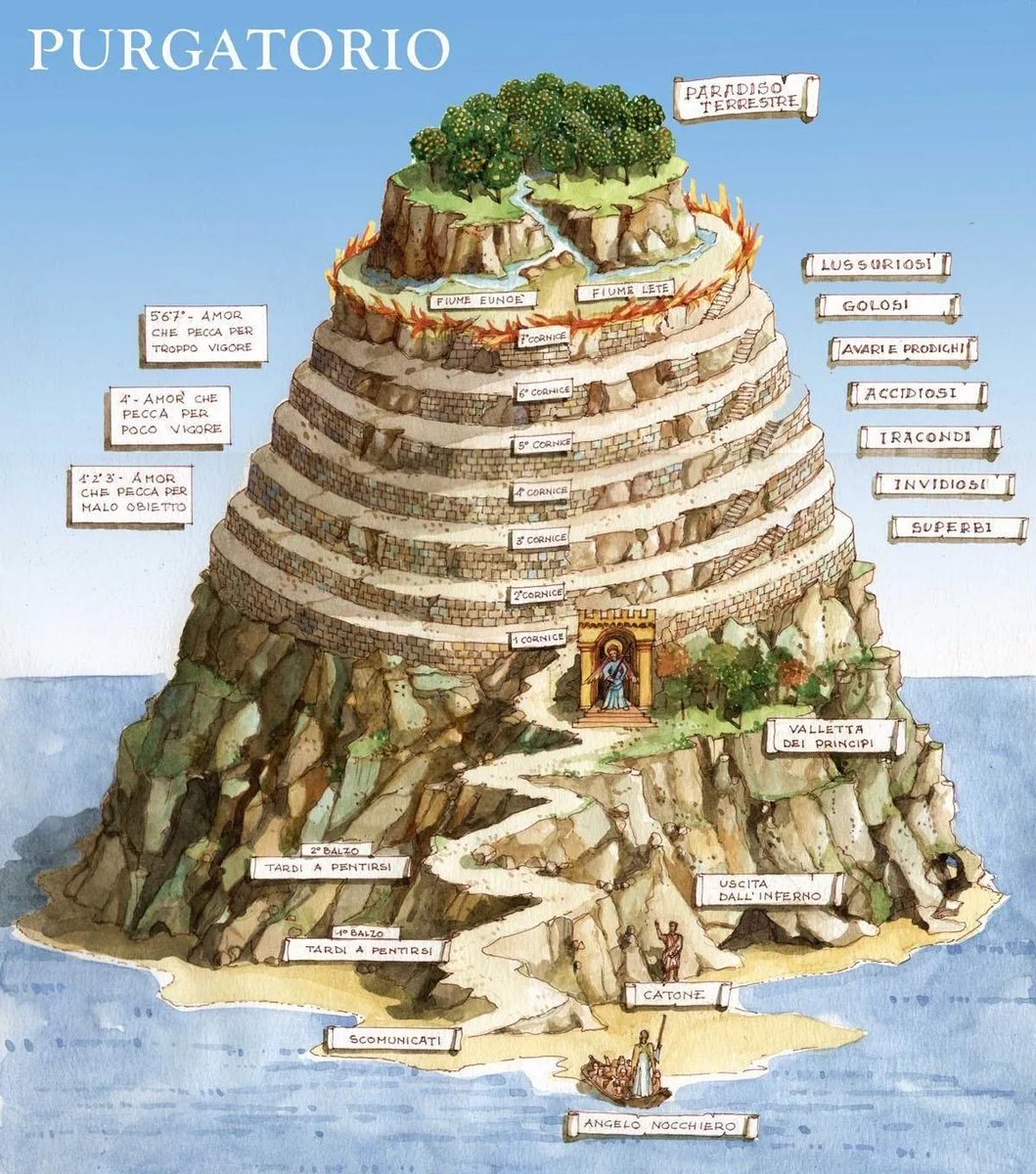

![pieffrvanveen's tweet photo. La traduzione italiana di "Infinite Jest" è un'avventura finita male. Ci hanno messo le mani in 3 per l'editore Fandango ed è risultata piena di errori. Spesso banali. In questo passo c'è "closet" tradotto con lettino anziché ripostiglio. Come può un lettore italiano capire un romanzo così complesso se ci sono anche tutti questi errori a ogni capitolo? Da quando Einaudi ha acquisito i diritti ripubblica questa traduzione senza nessuna revisione. Così in Italia il lavoro più famoso e complesso di Foster Wallace è anche quello tradotto peggio. Né in Francia né in Spagna hanno traduzioni di così basso livello. Eppure lo scrittore Sandro Veronesi nel 2008 se ne vantava: "Io credo che Infinite Jest sia il più grande romanzo che sia stato scritto nel dopoguerra. […] Averne fortemente voluto la traduzione, aver fondato una casa editrice, con Procacci, praticamente a questo scopo, rappresenta probabilmente il mio più alto merito letterario" (!)
#infinitejest #davidfosterwallace #traduzioni](https://pbs.twimg.com/media/GdPZ6t2WIAABZ2x.jpg)