Cerrar el asunto sin desglose parece el método. No es fácil: cada dato que sale obliga a otra pregunta. Se está presentando como una sola historia lo que son dos operaciones distintas.
Entre 2011 y 2013, no era presidente de LaLiga ni vicepresidente de la RFEF. Según documentos, varios clubes, entre ellos el Real Madrid, canalizaron por Audiovisual New Aged AIE los ajustes del sistema audiovisual común del G-35. Aquellas transferencias existieron. Eran la operativa de un vehículo colectivo.
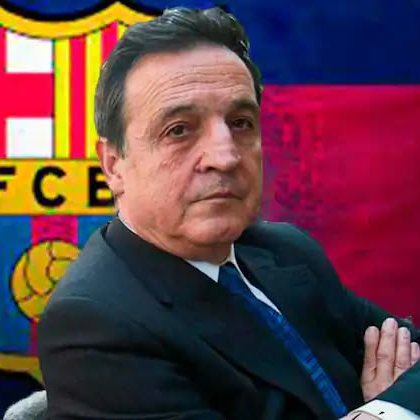
En 2017 el contexto ya no era ese. Usted, don @Tebasjavier, presidía LaLiga. Había un embargo preventivo de Hacienda sobre la AIE y sobre importes que la inspección no circunscribió solo a la sociedad. Se pidió a los clubes un préstamo condicional. El Real Madrid no participó. El Barcelona sí. En las memorias del club azulgrana sigue figurando un crédito de 4,485 millones de euros a esa entidad, con una provisión de 2,755 millones por deterioro. La cuota inicial que se le atribuyó rondaba los 224.000 euros. El techo que trascendió para el peor escenario se situaba en torno a 2,39 millones.
Acreditar pagos de 2011-2013 no explica el asiento de 2017 ni que esa partida siga abierta en memoria. Tampoco separa qué correspondía a la AIE y qué quedó imputado de forma personal. Sin ese desglose, la respuesta es parcial por definición.
Quedan, cuando menos, estas preguntas:
1. Cuál es la naturaleza jurídica del instrumento de 2017: préstamo condicional a la AIE, aportación a fondo perdido, asunción de deuda tributaria ajena o repercusión de liquidaciones imputadas a la persona física del administrador. No es una matiz retórico: cambia el deudor, el devengo y la compatibilidad con el cargo.
2. De los 4,485 millones que el Barcelona mantiene, qué importe es principal de 2017, qué importe es interés, qué importe es ampliación posterior y, sobre todo, qué tramo se imputó a la AIE y qué tramo se imputó a usted. La diferencia entre 224.000 euros, 2,39 millones y 4,485 millones no se sostiene sin esa partición.
3. Ante qué órgano y con qué grado de firmeza sigue vivo el procedimiento que justificaría no cancelar el saldo: actas de inspección, TEAC, Audiencia Nacional o Tribunal Supremo. Un crédito “pendiente de litigio” exige identificar el litigio.
4. Por qué el acreedor contabiliza el importe bruto y, a la vez, dota 2,755 millones por deterioro. Si la recuperabilidad es dudosa, la pregunta no es solo contable: es por qué no se ha liquidado, condonado o reclasificado, y quién se beneficia de dejarlo abierto.
5. Con qué título y de qué archivo salen los justificantes del Real Madrid publicados ahora. Si obran en la AIE por haber sido su administrador, es un archivo societario de 2011-2013. Si obran en LaLiga por el cargo actual, es información de un asociado sujeta a reserva. El régimen jurídico no es el mismo.
6. Cómo se concilia pedir en 2017 dinero a clubes que usted ya regulaba —control económico, disciplina, fair play— con la objeción de incompatibilidad que entonces formuló el Real Madrid. Esa objeción no se refuta con extractos anteriores a su presidencia.
Hasta que las cifras no se separen por año, por concepto y por deudor, el asunto no está cerrado. Solo se instalan las dudas y se aplaza la rendición de cuentas.
#LaLiga #Tebas #FCBarcelona #RealMadrid #AudiovisualNewAged #G35 #ControlEconómico #Transparencia @realmadrid@lagalerna_
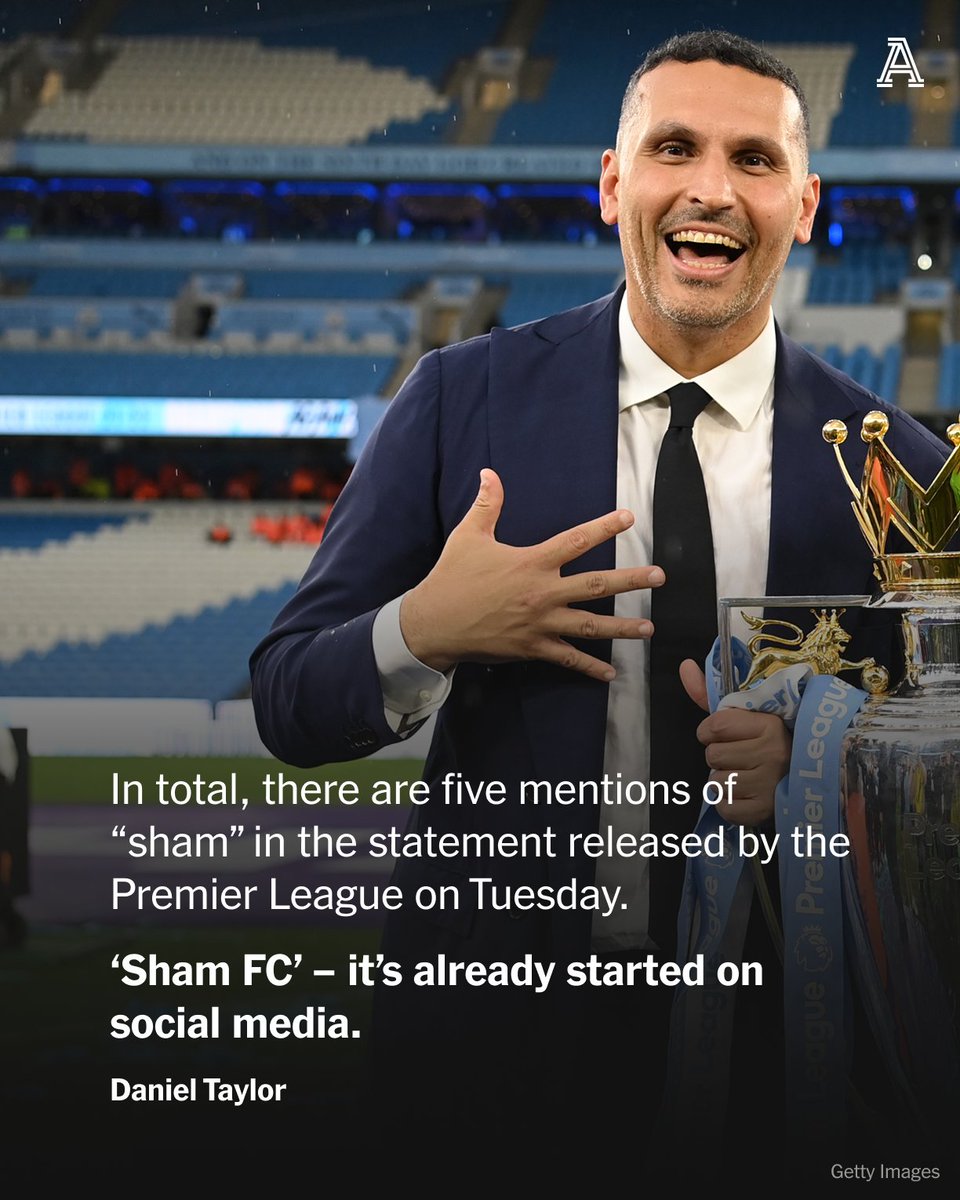
Manchester City reported £949.4m arriving from sponsors over nine years.
The real number was £119.2m. Abu Dhabi United Group (ADUG), the club’s owner, forked out the remaining £830.7m in what the commission described as a “disguised funding scheme”.
City are alleged to have overstated their revenue by £854.5m over nine years.
We knew it was going to be bad. But this bad? No, it is on a different scale to anything the Premier League has seen before.
📝@DTathletic
🔗 https://t.co/PeBjfxVJgF
THE PEP FILES. PART 4: The Bavarian Mutiny
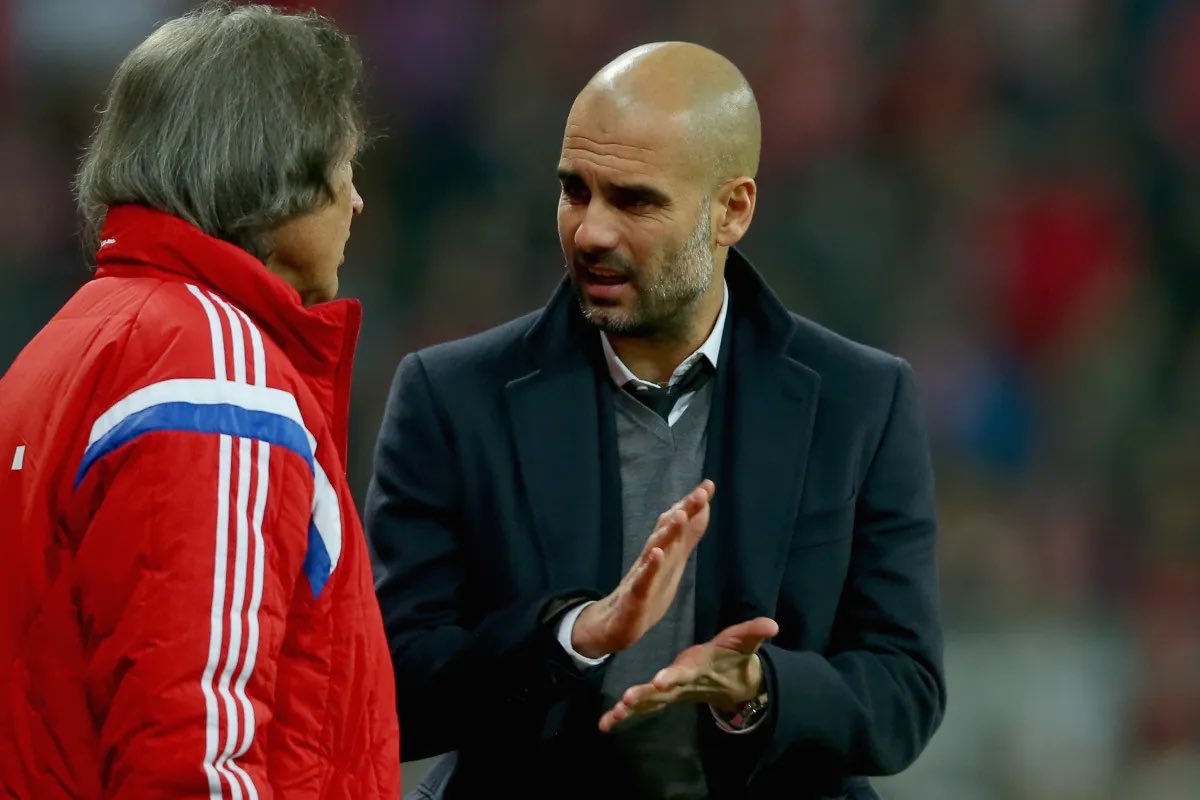
When Pep Guardiola took over the reigning treble winners Bayern Munich in 2013, he was supposed to usher in a new era of dominance for the reigning European champions. Instead, he walked straight into a collision with one of the most powerful institutional figures in German sport: Dr. Hans-Wilhelm Müller-Wohlfahrt.
Known as "Mull," the 70-year-old physician was a Bavarian god. He had served FC Bayern for over 35 years and treated world icons from Usain Bolt to Michael Jordan.
At Barcelona, Pep was used to having absolute medical control, operating through a tight circle of trusted doctors. In Munich, he met an immovable wall.
Chapter 1: The German Doctor Who Said No
From day one, the tension was toxic.
Pep wanted injured players back on the pitch in days, using rapid recovery protocols, localized injections, and high-frequency treatments.
Müller-Wohlfahrt refused. He operated on different principles - tissue healing cycles, and biological rest. He openly accused Pep of disregarding medical science in pursuit of short-term match results:
"He completely neglected the medical profession" Müller-Wohlfahrt later wrote in his autobiography. "It was not about the healing of injuries, but only freedom from pain. He thought he knew better than anybody..."
Pep hated that the Bayern medical clinic wasn't even at the training ground. It was located in downtown Munich, meaning players were leaving Pep's facility to see "Mull" on their own terms. Pep wanted total, closed-door surveillance over every injection, supplement, and recovery timeline.
Chapter 2: The Barcelona Airlift - Bypassing Munich
Realizing he couldn't control Mull, Pep did something unprecedented, he began bypassing the German medical staff entirely.
When key players got injured, Pep didn't send them downtown. He put them on private jets to Spain:
When Thiago suffered a severe knee ligament injury in 2014, Pep overrode Müller-Wohlfahrt's treatment plan. Pep arranged for Thiago to be flown to Spain to receive specialized cortisone injections from his personal trusted physicians. The treatment backfired, aggravating the injury, tearing the ligament further, and keeping Thiago sidelined for nearly a year.
Pep turned Dr. Ramón Cugat’s clinic in Barcelona into Bayern’s unofficial medical head office. Stars like Franck Ribéry, David Alaba, and Arjen Robben were routinely flown to Catalonia for secret treatments, platelet-rich plasma (PRP) therapies, and consultations deeply offending Bayern’s internal medical staff.
A quiet civil war broke out inside Säbener Straße: Bayern’s board was paying millions for world-class German doctors, while their manager was running an shadow medical pipeline back to his old network in Barcelona.
Chapter 3: The Porto Explosion
The rift reached its absolute boiling point on April 15, 2015, during a Champions League quarter-final first leg against Porto.
Depleted by injuries, a weakened Bayern side was battered 3–1 in Portugal. During the match, television cameras caught Pep sarcastically clapping in the face of the medical bench after an injury.
Inside the dressing room after the final whistle, the dam broke.
Pep turned on Mull in front of the entire squad, blaming the 70-year-old doctor directly for the defeat and screaming that the medical team was keeping players out of action for too long.
Mull had survived decades of Bayern presidents and legendary managers:
"For the first time in all those years, I raised my voice" Mull recalled. "I lost my temper completely!"
Two days later, on April 17, 2015, he and his entire three-man medical staff issued a earth-shattering press release: They resigned with immediate effect.
In their public statement, the doctors wrote that the relationship of trust was completely destroyed and that the medical team had been held unfairly responsible for the club's on-pitch failure.
It was a scandal that stunned German football. Pep had forced out a Bayern icon.
فيران سوريانو، الرئيس التنفيذي الحالي لمانشستر سيتي، كان نائب رئيس برشلونة عندما كان النادي يدفع ملايين اليوروهات لنائب رئيس لجنة الحكام الإسبانية، خوسيه نيغريرا
وخلال فترة توليه منصب المسؤول عن الشؤون المالية في برشلونة بين عامي 2003 و2008، ارتفعت المدفوعات لنيغريرا بشكل هائل، من حوالي 100 ألف يورو سنويًا إلى أكثر من 500 ألف يورو سنويًا
🤔
El engaño con las fechas y LA FINALIDAD de estos pagos del Real Madrid es muy burdo y rastrero, @Tebasjavier.
A ver, las transferencias del Real Madrid que publicas son de 2012 y 2013. En esas fechas tú eras solo el administrador de Audiovisual New Aged, AÚN NO ERAS PRESIDENTE DE LALIGA.
Esos pagos eran la parte que le correspondía al club para cumplir con el acuerdo G-35 de 2010, firmado junto a otros clubes, entre ellos también el FC Barcelona, sobre el reparto de los derechos de televisión y las ayudas a los equipos que descendían.
A esto correspondían esos pagos. No eran para cubrir tu préstamo que pediste a los clubes en 2017 por el embargo de Hacienda, que es lo que intentas insinuar.
Hacienda embargó a Audiovisual New Aged en 2017.
SIENDO YA PRESIDENTE DE LALIGA, pediste un préstamo a los clubes para hacer frente a aquel embargo. El Madrid se negó a firmar porque consideró que era incompatible con tu cargo y con los estatutos de LaLiga. El Barça sí lo firmó.
Según el baremo de aquel préstamo, al Barça le correspondía pagar unos 224.000 euros.
Ahora explícanos por qué en el año 2026, casi una década después, en las cuentas del Barça sigue figurando un crédito de 4.485.000 euros a esta sociedad vinculada a ti.
¿Cómo pasa el Barça de los 224.000 euros que le tocaban a 4.485.000 euros, cubriendo casi el importe total de aquel embargo y 20 veces más de lo que le correspondía??
*Como abogado debería usted saber que no le corresponde airear en público documentos bancarios de ningún club, y mucho menos siendo usted, por desgracia, el presidente de LaLiga.