GOWER BIRD HOSPITAL CHRISTMAS CARD
Check out the Gower Bird Hospital and all their amazing work at https://t.co/8NjgVwiavz
Manx shearwaters are a common patient of GBH, who take in over 1600 wildlife casualties every year. #christmascard#gowerbirdhospital#wildliferehabilitation
Shop update!
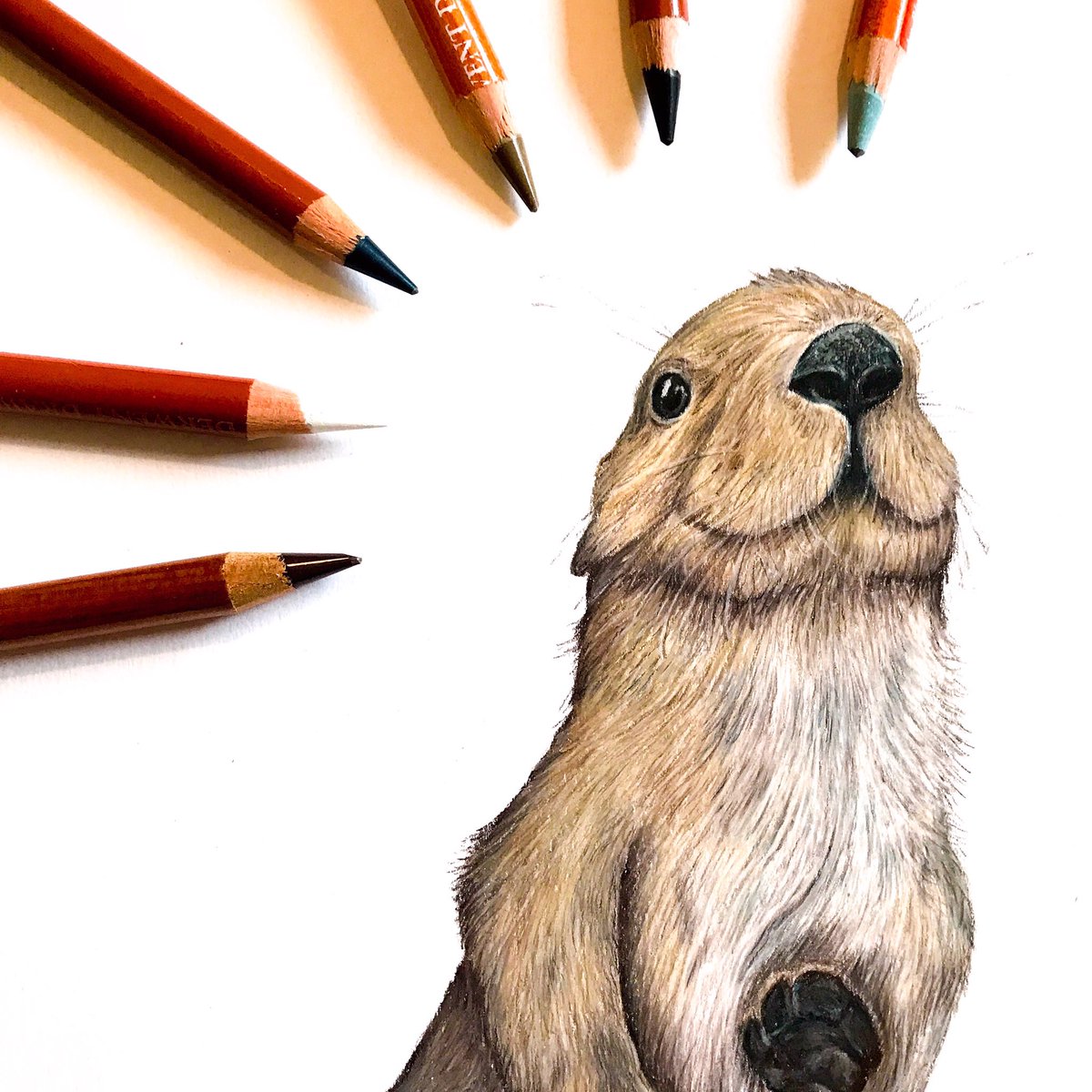
There are a few new additions to my @society6 shop, including sea otters, African bush elephants and some new grey wolf products.
For those living in the UK, I will shortly be selling prints via @etsyuk so keep an eye out!
#foxandmarten#society6#etsy#seaotter
‘Ripe’
Inktober Day 31
Inktober complete! And let’s end with a mustelid.
Pine martens are generalist predators but are known for their sweet tooth, with fruit and berries contributing to their autumn diet.
#foxandmarten#inktober#inktober2019#pinemarten#inktobercomplete
‘Catch’
Inktober Day 30
The northern goshawk is an agile woodland predator. Its broad wings allow for greater maneuverability whilst weaving between trees to catch its prey, which consists of anything it is larger than.
#foxandmarten#inktober#inktober2019#goshawk
‘Injured’
Inktober Day 29
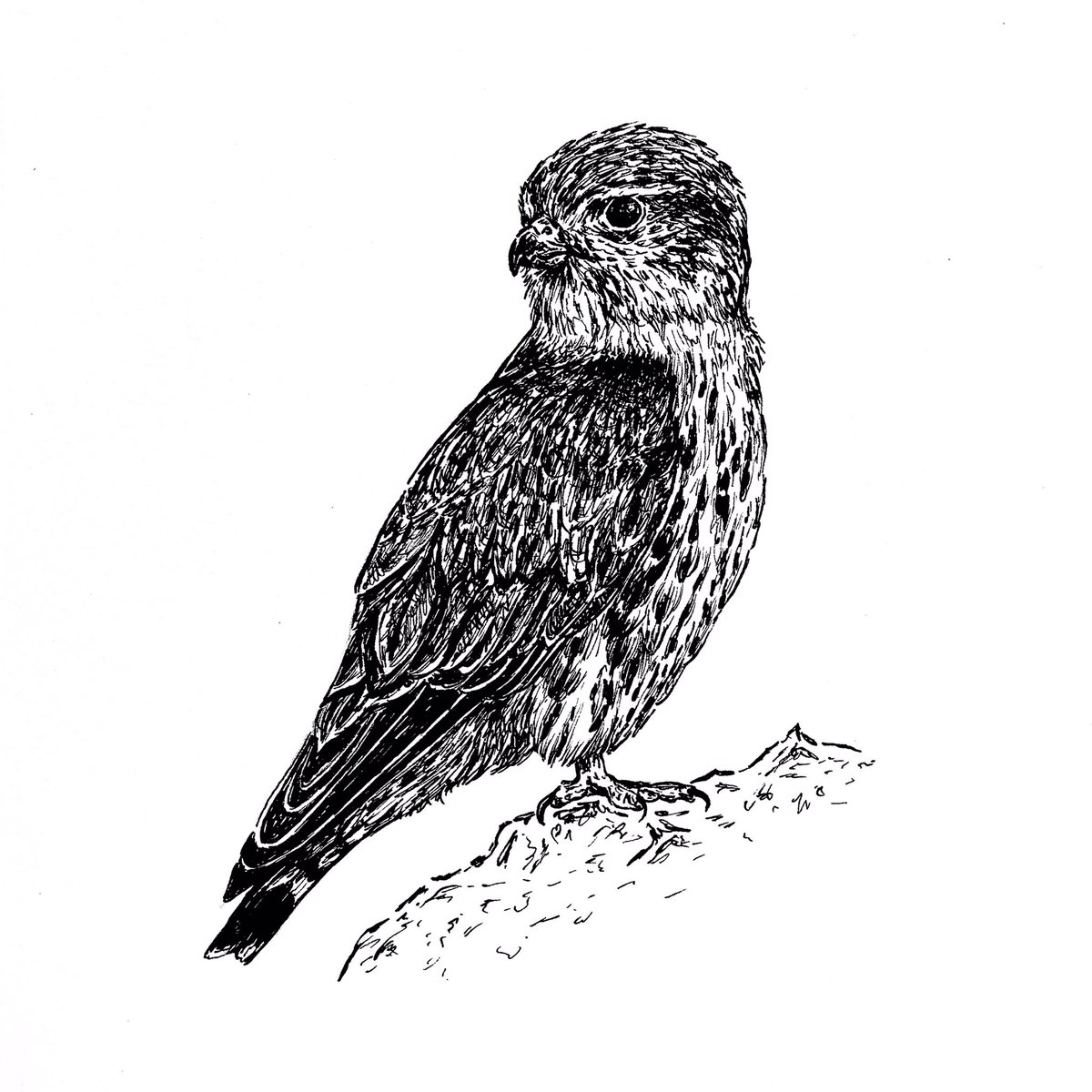
The merlin is Britain’s smallest bird of prey, and a specialist hunter of small birds. It is this hunting behaviour, through rapid and dramatic chases, that can often end in injury or death for the determined merlin.
#inktober2019#inktoberday29#merlin
‘Coat’
Inktober Day 27
The warmest fur coat belongs to the Arctic fox, allowing them to survive at -50 degrees Celsius. When Summer comes, this white coat also changes to improve camouflage by adopting brown and grey tones.
#foxandmarten#inktober#inktober2019#fox#arcticfox
‘Tasty’
Inktober Day 25
The antithesis of today’s prompt. Shrews have numerous predators, but are often abandoned once killed. This is due to a foul-tasting secretion produced in the shrew’s skin glands that makes them unappetising. #foxandmarten#inktober#inktober2019#shrew
‘Ghost’
Inktober Day 22
The barn owl has had many names, often inspired by its haunting call and soundless flight. The murder owl, banshee, screaming owl, death owl and ghost owl are perhaps the most interesting
#foxandmarten#inktober#inktober2019#ghost#barnowl#owl
‘Treasure’
Inktober Day 21
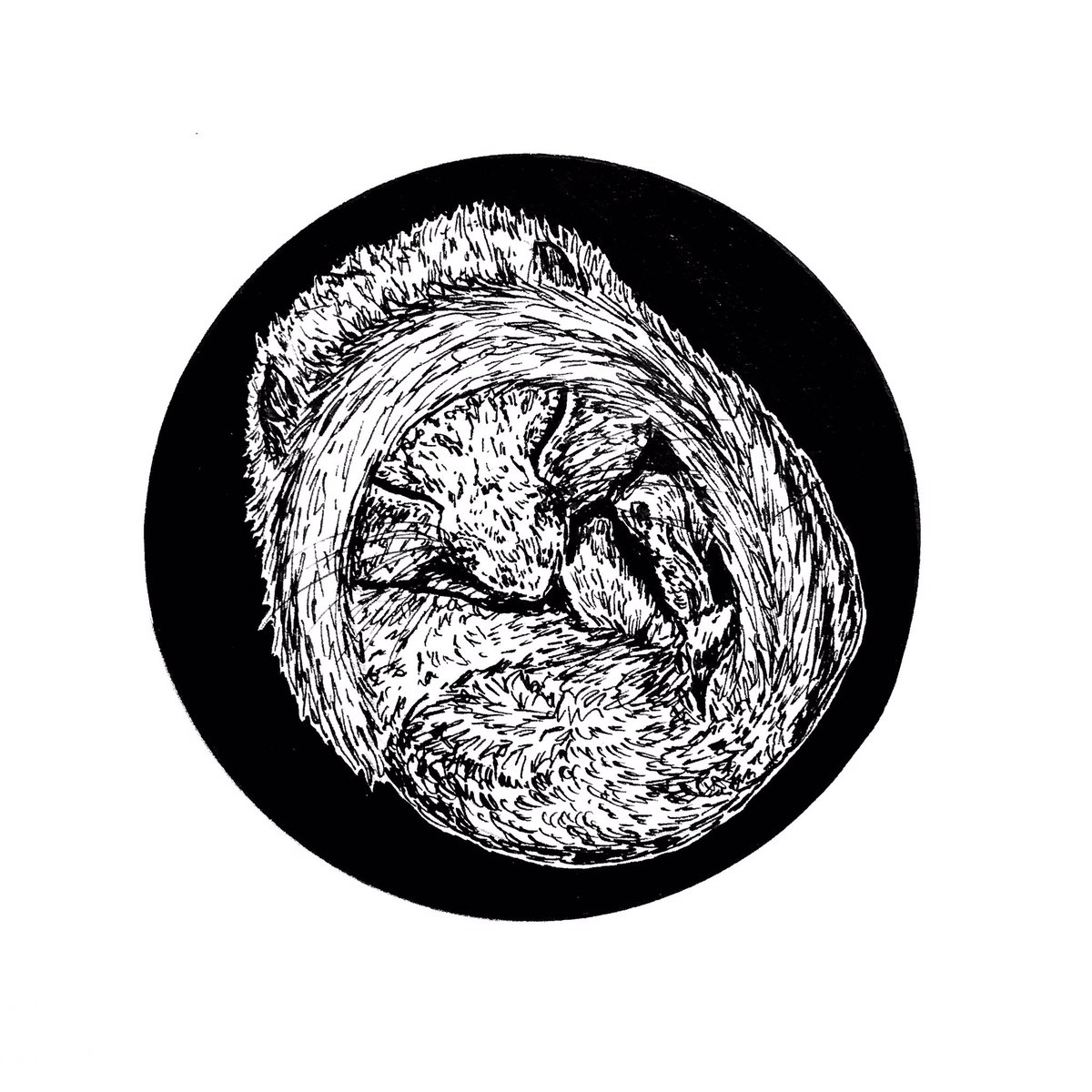
A nocturnal species and agile climber, the hazel dormouse hibernates during the winter months, making it difficult to spot. During the warmer seasons they spend the majority of their time in the canopies of trees.
#inktober#inktober2019#hazeldormouse
‘Tread’
Inktober Day 20.
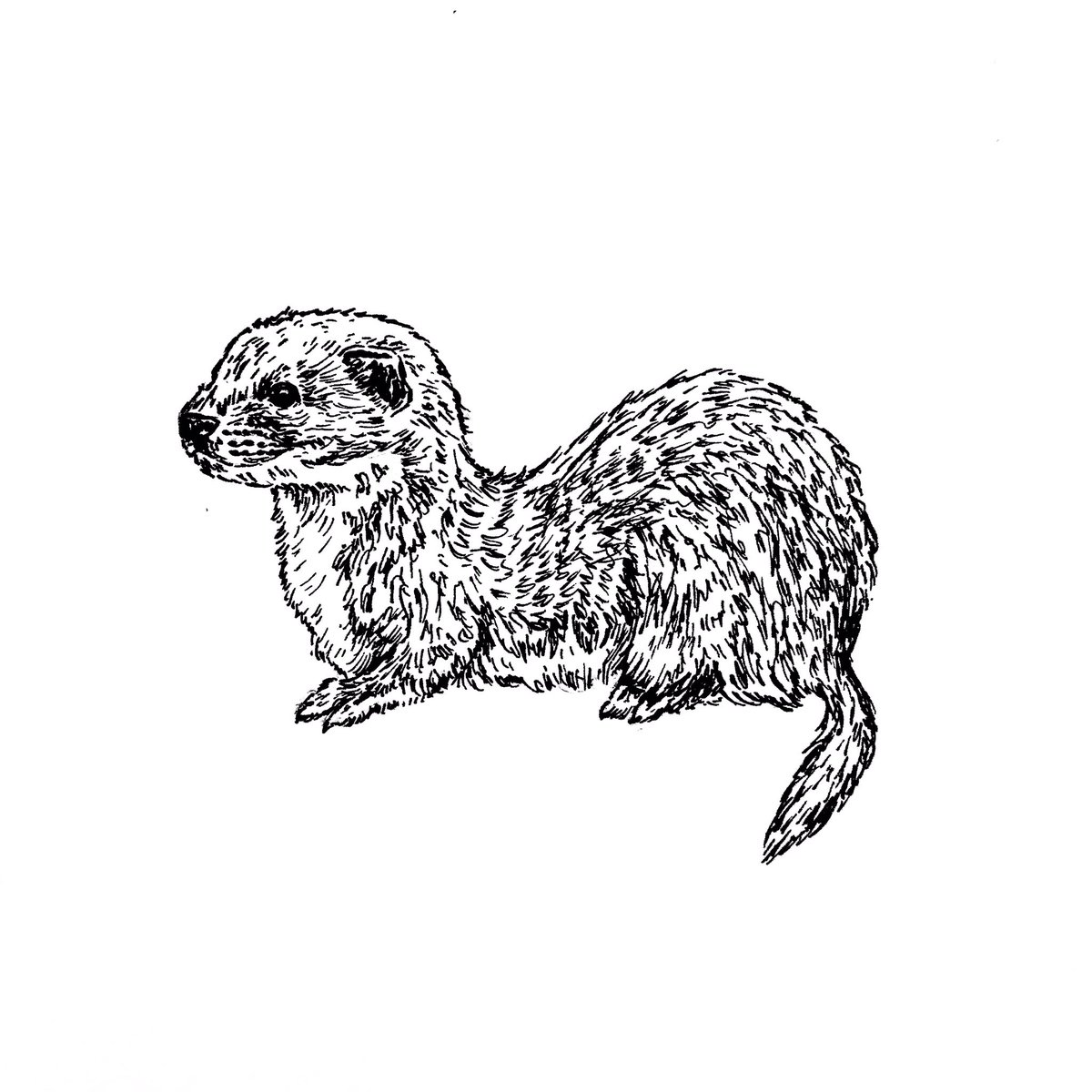
Weasels are incredibly difficult to monitor, possessing tunnel-based hunting ecologies and uneven distributions. One other method used to track weasels and stoats is footprint tracking on snow.
#foxandmarten#inktober#inktober2019#weasel
‘Misfit’
Inktober Day 18
The red panda has been previously taxonomically classed with the Ursidae (bears) and with raccoons in the Procyonidae. In more recent years, this charismatic species has been recognised as its own family: Ailuridae.
#inktober#inktober2019#redpanda
‘Wild’
Inktober Day 16
Wolf packs aren’t dominated by a pair of alphas, as they are presented in fiction and myth. Wild wolves have no such dictated ranks, rather, parents naturally take the lead in family-oriented packs.
#foxandmarten#inktober#inktoberday16#inktober2019#wolf
‘Ash’
Day 13
A day late. The black kite has another name: “firehawk”. In Australia, black kites have been noted to display fire-controlling behaviours, carrying burning sticks in their talons or beaks to begin fires in new locations.
#inktober#inktober2019#blackkite#firehawk
‘Dragon’
Inktober Day 12
Usually drawing fur and feather, this male keeled skimmer dragonfly was a challenge. Dragonflies the metaphorical dragons in the hunting world, with a aerial prey capture rate of 95%.
#inktober#inktober2019#inktoberday12#ink#dragonfly