Professionals in Nutrition for Exercise and Sport is a nonprofit organisation focused on linking professionals in nutrition, exercise and sport around the globe
Athletes commonly manipulate their fiber intake to adjust body weight or control intestinal issues. Here's an #OpenAccess article on Fiber: A forgotten carbohydrate in sports nutrition recommendations. @LouiseMBurke
https://t.co/zRIuiJnHfu
The same thermoregulation and dehydration guidelines used for adults who exercise in extreme heat can be used for youth ages 10-16. #OpenAccess
https://t.co/N1bmvo4p9t
PINES welcomes sports nutrition professionals to join our vibrant community. The special interest groups allow you to connect with world leaders in their fields. Join PINES today! https://t.co/gFPvQn5vhK
Save the date: August 25th - @PINESOrg member Dr. Lilia Convit will share her experiences with assessing hydration status in athletes in the field and in research labs. Join PINES ($35US) to access this and other webinars; https://t.co/NjLi25uy8j
No statistically significant group differences in the prevalence of eating disorder diagnoses were observed between elite athletes, trained athletes, and a non-athlete reference group. #OpenAccess
https://t.co/GXzM3ubX3s
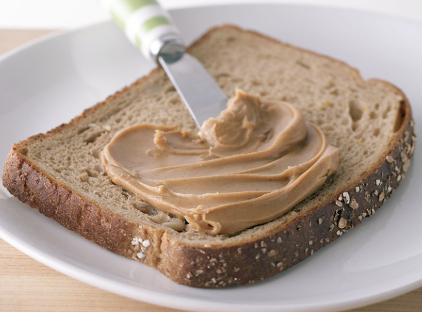
The American Heart Assoc. suggests a balanced approach to ultra-processed foods: Limit "junk food" but enjoy nutrient-rich UPFs such as whole wheat bread, low-sugar yogurt, and peanut butter. #OpenAccess
https://t.co/c68rJbxoLQ
If you are a sports nutrition professsional who wants useful links to the latest science about fueling athletes, join PINES. Only $35 (US) for invaluable info. https://t.co/gFPvQn5vhK
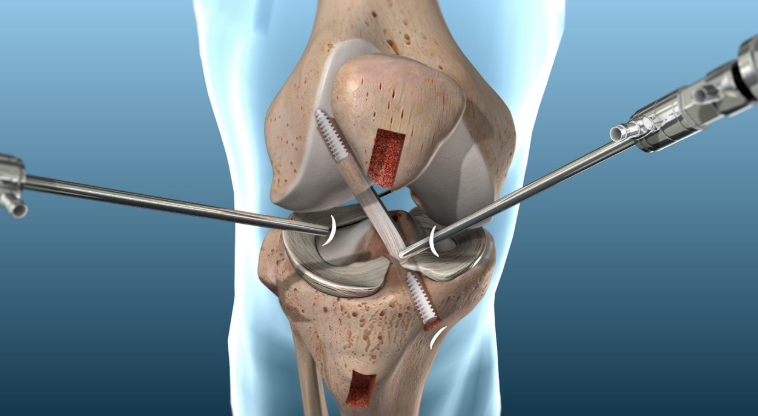
What can athletes do nutritionally to recover well from ACL repair? This article looks at the potential role of protein, creatine, collagen, omega-3s, and other supplements. #Open Access
https://t.co/mPj6351OIk
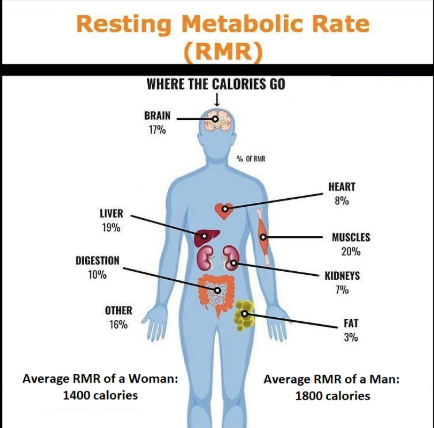
Measuring an athlete's Resting Metabolic Rate is often done to assess for Low Energy Availability. This #OpenAccess article shares practical information regarding the pros, cons, and best practices:
https://t.co/AU5WAOSV9w
When you buy a carb gel, the calories listed on the label may not match what's in the product. They could be significantly less than expected:
https://t.co/bt0hlS5G1A
Want to be part of a virtual network of sports nutrition professionals who can help you find jobs and locate conferences? Join PINES! https://t.co/gFPvQn5vhK
Most #ultraprocessed foods (UPF) tend to be calorie-dense and easily chewed and linked with weight gain. Lower-calorie UPFs that need to be chewed slowly are less are likely to be less fattening, #OpenAccess
https://t.co/lFcNYAu1Nu
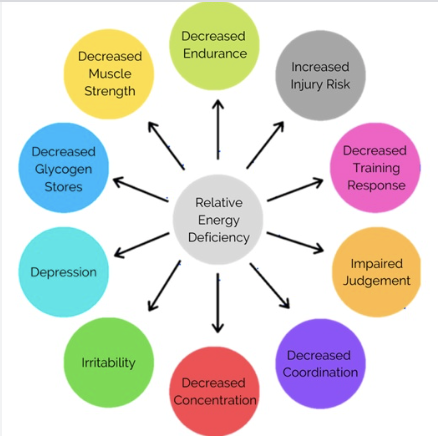
Athletes who eat a low-carb diet (<3 g/kg/day—about 200 g carb/day for a 68kg/150-lb athlete—are at high risk for low T3 and the negative effects of REDs. Restricting carbs and calories is a good way to hurt performance... #OpenAccess
https://t.co/UicluF2h0R
Are you a sports nutrition professional who wants to connect other leaders from around the globe to share knowledge, practices and experiences? Join PINES! https://t.co/gFPvQn5vhK
Adding glycerol and sodium to hyper-hydration fluids improved hydration status (increased fluid retention by ~1.2 L) — but did not improve half-marathon performance in warm conditions. More studies are needed!
https://t.co/9TkjEQVHDu
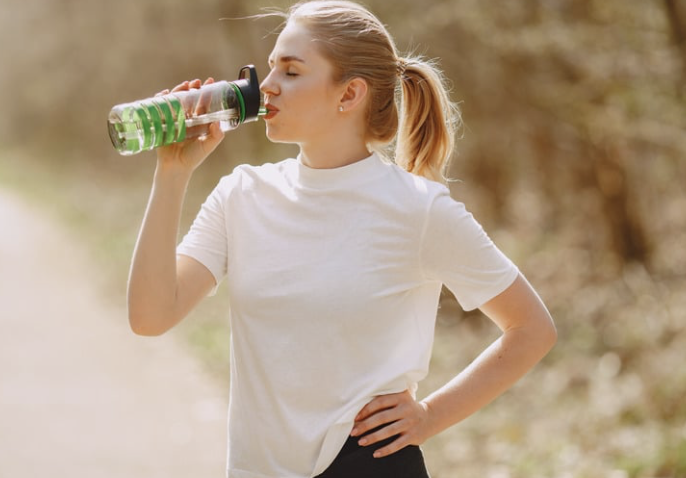
Contrary to prior belief, "Children aged 10–16 years are at a similar risk of hyperthermia and dehydration as adults during exercise up to 40°C" That said, athletes of all ages should strive to prevent dehydration. . #OpenAccess
https://t.co/N1bmvo4p9t
Passionate about sports nutrition education and advice? Connect with other professionals from all over the world by joining PINES https://t.co/gFPvQn5vhK
@PINESOrg will be hosting "The Sports Nutrition Battles" at the European College of Sports Science Annual Meeting. Lausanne Monday July 6 at 17:00-19:00. See you there? #ECSS2026
https://t.co/wEYuRrZmlH
Dietary supplements are widely used among athletes training in hot environments. Do any supplements help with heat regulation? This review of the literature suggests taurine might reduce heat strain while caffeine might increase it. #OpenAccess
https://t.co/K1ScMxFVea