We never work alone
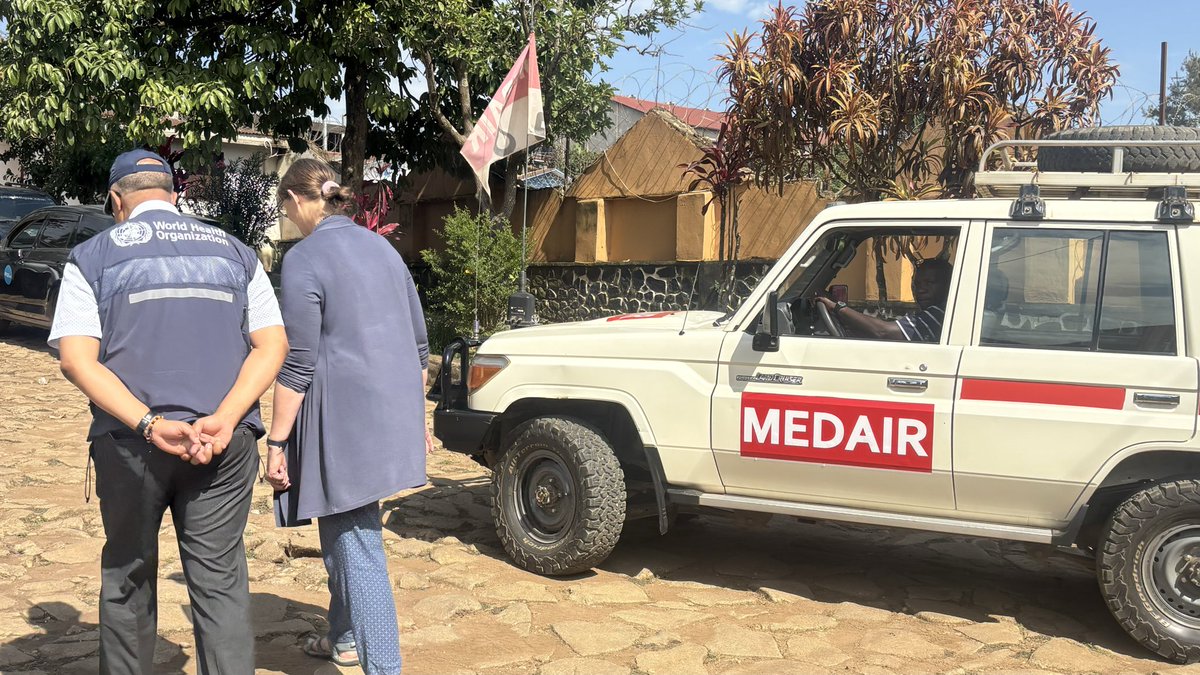
In service of the people & government of #DRC, in a community-owned #Ebola response, I met w/ @WHO partners in Bunia to ensure essential health services are maintained throughout & when this outbreak ends, we leave behind stronger systems than those we found
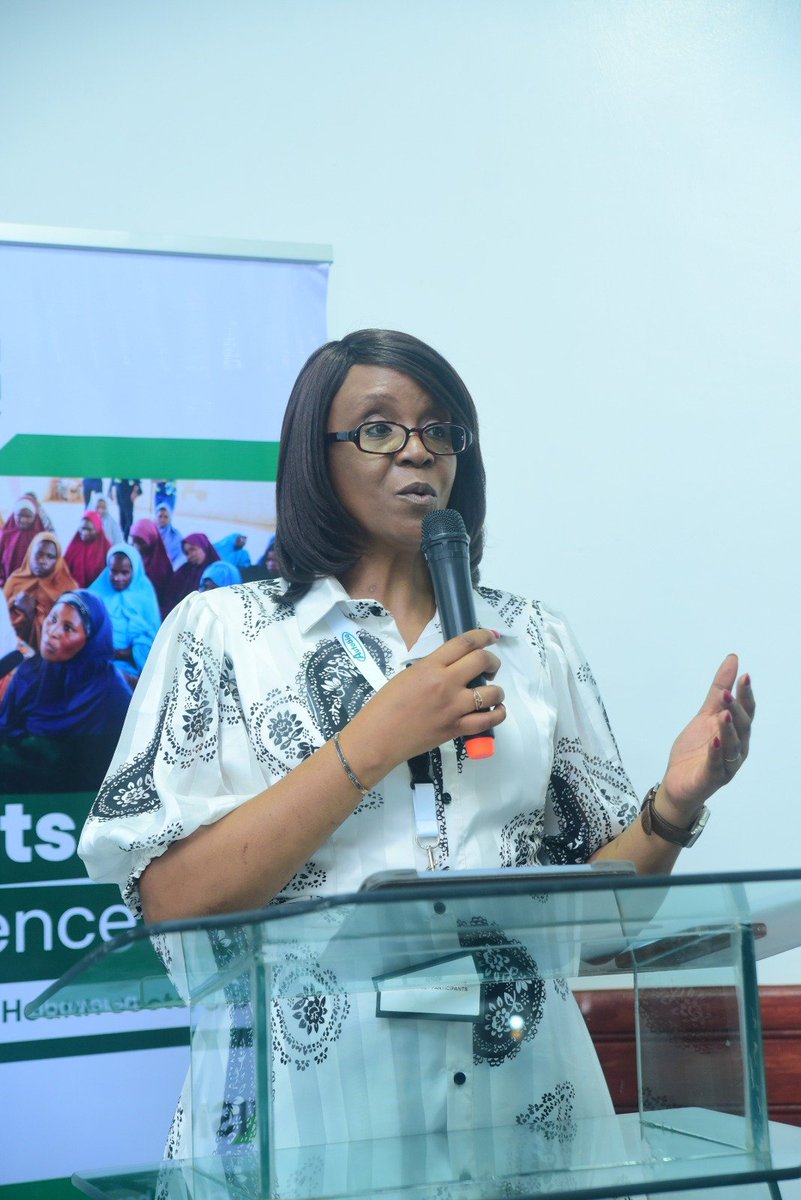
This insightful session was moderated by @Pingelsisa, our Director of Advocacy and Partnerships, who closed the discussion with a powerful call to action.
Maternal health outcomes will not improve solely through innovation. Citizens must also demand accountability. As election season approaches, communities should ask candidates direct questions: What is your plan for the PHC in my area? How will you support trained midwives? What investments will you make in EMRs, essential commodities, and proven interventions that save mothers' lives?
Because moving from pilot to scale requires not only evidence, but political will.
#GivingBirthInNigeria #WHXLagos2026
Dr Jaiyeola identified commodity security as one of the biggest barriers to sustainable scale. Training health workers is important, but if essential supplies and medicines are unavailable when women need them, the benefits of innovation are lost.
He also emphasised the need for state ownership, stronger primary healthcare implementation, interoperable digital health systems, and sustained political commitment to maternal health.
His key takeaway: innovation alone does not save lives. Lasting impact comes when governments invest in the people, policies, financing, and supply chains needed to move successful pilots into routine practice at scale.
#GivingBirthInNigeria
Dr Ume Akunna, Deputy Medical Director at Orchid Road General Hospital, shared a clinician’s perspective on what it takes to successfully adopt maternal health innovations.
She reflected on how postpartum blood loss was once assessed largely through visual estimation, making it difficult to accurately identify women at risk. The introduction of calibrated drapes changed this by enabling objective measurement from the moment of delivery and strengthening clinical decision-making.
#GivingBirthInNigeria
She also highlighted how the E-MOTIVE bundle and calibrated blood-loss drapes have transformed postpartum haemorrhage (PPH) management at her facility.
She noted that since adopting these tools, the facility has not recorded a maternal death from PPH. However, she emphasised that innovation must be matched with infrastructure investment, as overcrowding and limited ward space continue to strain service delivery.
#GivingBirthInNigeria
On innovation, she highlighted how electronic records made lab results easily accessible to clinicians, and how a hospital WhatsApp group became a key support tool, enabling peer learning, provider engagement, and private escalation of sensitive questions.
She also had access to phone consultations, which improved continuity of care.
However, she raised a concern about long waiting times due to high patient load, driven by overcrowding and limited trust in primary health care.
#GivingBirthInNigeria
Mrs Solademi Idowu, Registered Nurse and Midwife, Lagos Island Maternity Hospital, spoke from the perspective of a frontline midwife managing the daily realities of maternal care delivery in a high-volume public facility, where workforce pressure and space constraints shape everyday clinical decisions.
She described persistent bed shortages, with a delivery ward designed for six beds routinely accommodating eight or more patients. Post-delivery recovery beds are often used for active labour, and in some cases, deliveries occur on them due to a lack of space. Despite this, patients are never turned away, leaving staff to manage rising demand with limited resources.
#GivingBirthInNigeria
Mrs Unwana Billy shared her lived experience as an expectant mother receiving Antenatal Care at Lagos Island Maternity Hospital, offering a patient-centred lens on how innovation and system realities shape care in practice.
From her first visit, she described a welcoming experience from nurses, the use of digital blood pressure machines, and structured health education covering nutrition in pregnancy, birth preparedness, kangaroo mother care, cord care, and immunisation.
She also noted generally positive interactions with doctors and nurses who remained approachable throughout her visits.
#GivingBirthInNigeria
How do we design solutions that truly support every mother across the pregnancy journey?
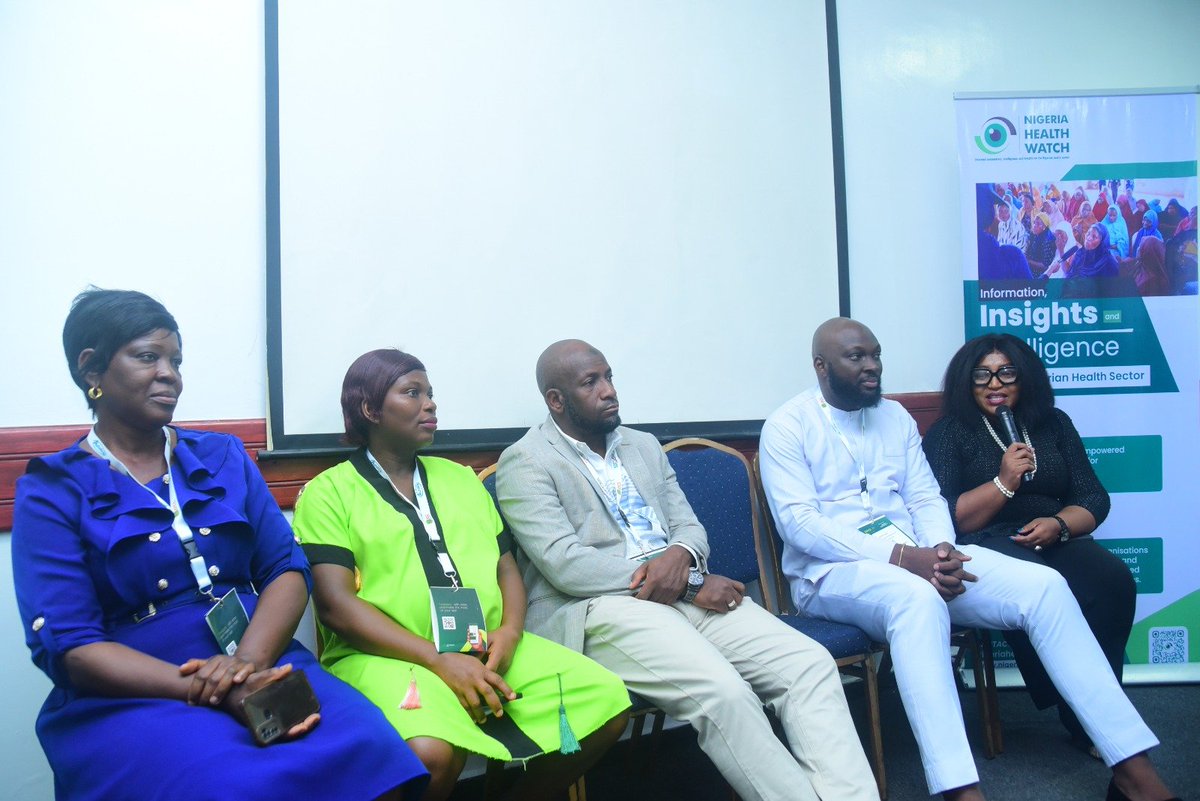
The panel session at our side event at #WHXLagos2026 explored existing maternal health innovations, lived experiences of expectant mothers, and the perspectives of healthcare workers across the continuum of care, highlighting actionable insights for strengthening systems through better care models, stronger service delivery, and context-driven innovation.
#GivingBirthInNigeria
"The innovations exist. The programmes are in place. The question is how we move from pilot projects and parallel solutions to full system integration."
@VIhekweazu emphasises that the challenge is no longer the availability of innovation, but ensuring that solutions are usable, integrated into health systems, and able to improve outcomes for every mother.
#GivingBirthInNigeria #WHXLagos
"Nigeria accounts for nearly one-third of global maternal deaths. These are not just statistics. They represent mothers, daughters, sisters, aunties, and nieces."
@VIhekweazu highlights that while maternal health innovations continue to emerge, many operate in parallel to existing systems, limiting their sustainability, adoption, and scale.
#GivingBirthInNigeria #WHXLagos
"It is not just about selling state-of-the-art health equipment. It is about strengthening the health systems that equipment is meant to serve."
Our Managing Director, @VIhekweazu, setting the context for today's discussion on designing maternal health solutions that work across the pregnancy journey.
#GivingBirthInNigeria
Maternal health innovations already exist, but innovation alone will not reduce maternal mortality.
Solutions must be designed to work within the realities of our health system, integrated into the care women receive, and scaled to reach those who need them most.
The World Health Expo Lagos (#WHXLagos) kicked off yesterday with great energy and purpose, convening a diverse group of health leaders, policymakers, innovators, and private sector stakeholders from across West Africa and beyond to reimagine health systems, drive investment, and accelerate innovation in health.
Nigeria Health Watch is proud to be part of this important gathering, contributing to conversations that are shaping the future of health across the region. If you're attending #WHXLagos2026, visit our booth at Hall 6 to connect with our team, learn more about our work, and explore opportunities for collaboration.
We are in Lagos and ready for #WHXLagos2026!
If you are attending, we invite you to visit the Nigeria Health Watch booth at Hall 6 and join our side event, For Every Mother: Designing Solutions That Work Across the Pregnancy Journey, taking place tomorrow in Room 1A at the Landmark Event Centre.
Let's connect, share ideas, and explore solutions that can improve maternal health outcomes for women and babies across Nigeria.
See you there!
Health innovations are most impactful when they are designed, tested, and discussed in the communities they are meant to serve.
At the #WHA79, we caught up with Lily Steele, Managing Director, Investments at @GlobalInnovFund, who reflected on strengthening frontline health solutions and why global health conversations should be rooted closer to the communities they aim to serve.
As conversations around AI grow across global health, a side event organised by @Jhpiego at #WHA79 offered a more grounded discussion about what innovation actually means for frontline healthcare workers.
The discussion highlighted the need for stronger coordination and interoperability to prevent AI from becoming another disconnected layer in already overstretched health systems.
Read full dispatch article: https://t.co/k2cYV4idnu
One week. Countless conversations. New partnerships. Shared learning. Global action.
Nigeria Health Watch joined health leaders, policymakers, advocates, and partners from around the world at the 79th World Health Assembly in Geneva to engage in conversations shaping the future of health.
Here's a glimpse of our #WHA79 experience.
“Outbreaks anywhere can become threats everywhere.”
Speaking with @ABC News, Executive Director, @WHO Health Emergencies Programme, Dr @Chikwe_I, shares insights on the #Ebola outbreak in Central Africa & why countries must strengthen preparedness, coordination & rapid response systems before emergencies escalate: https://t.co/W9Dd4AXZSi
AI in healthcare should be seen as a partner in progress, not a replacement for people.
At the #WHA79, we caught up with Prof. Roma Chilengi, Director General, @ZMPublicHealth, who spoke about Zambia’s approach to integrating AI in health systems while prioritising support for health workers and addressing the psychosocial concerns that come with new technologies.