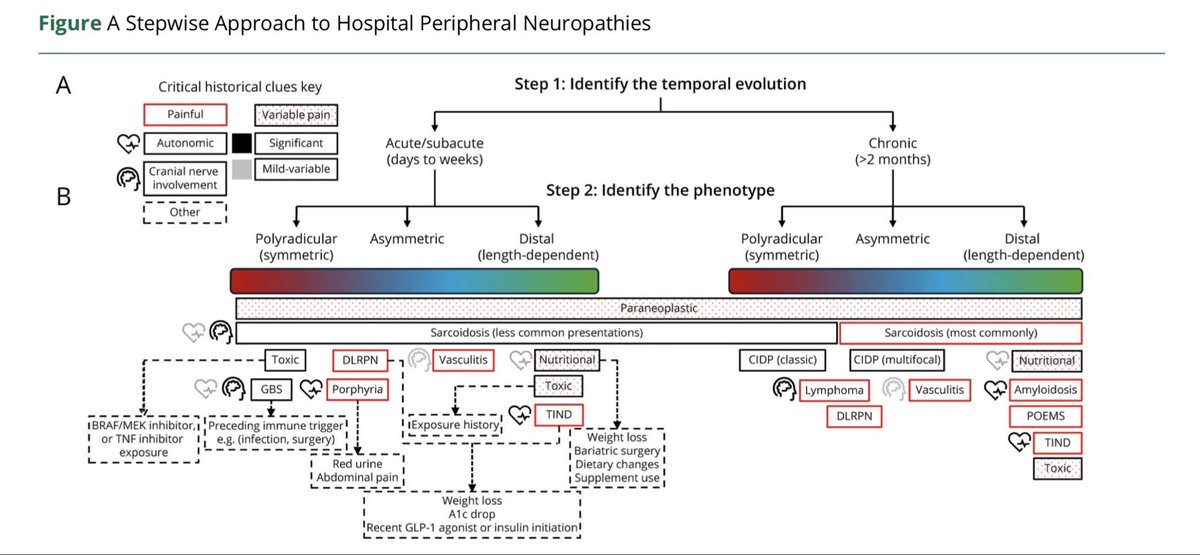
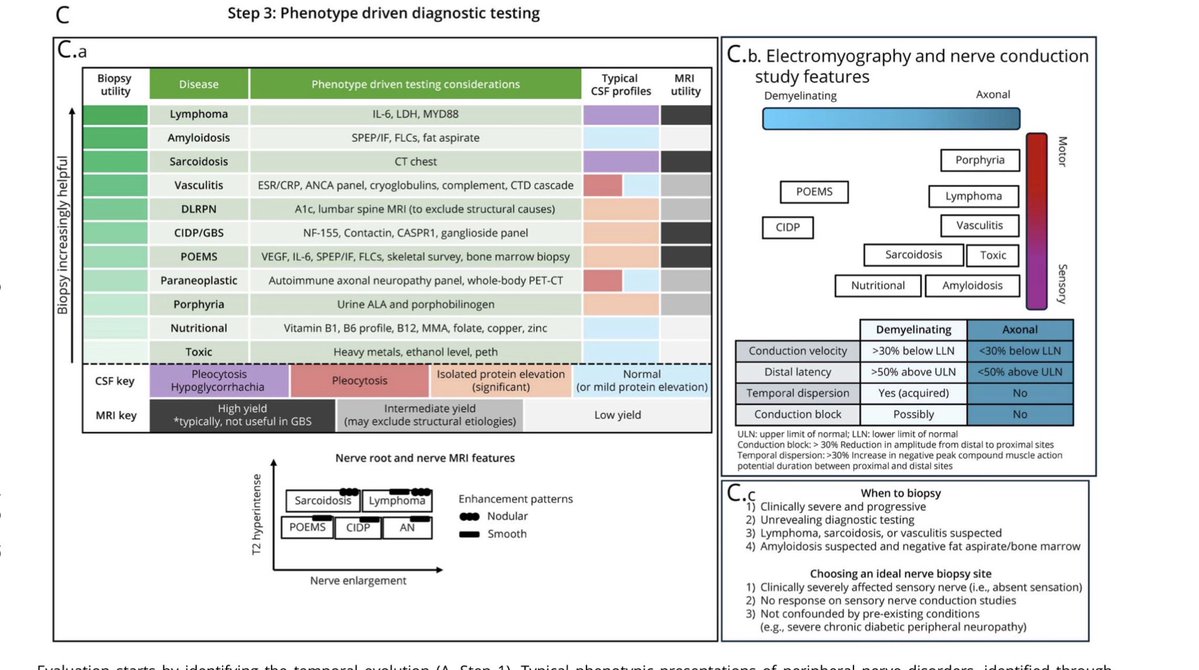
One of my missions is to make Peripheral Neuropathies more understandable for non-experts. Recognizing that physicians often find PNs challenging, especially in the hospital setting, I collaborated with @MayoClinicNeuro Neuromuscular hospitalists, @ReeceHass and @SantilliAshley, and my former NM co-fellow #JMartinezThompson to develop an engaging infographic that simplifies how to approach neuropathies leading to hospitalization. The incredible artistic skills and creativity of @ReeceHass truly brought this project to life, exceeding all expectations. We hope you find this helpful. https://t.co/HjEJbfOkqh
Hot off the press! Nerve biopsy is more sensitive than fat aspirate and skin biopsy for amyloid diagnosis in symptomatic ATTRv peripheral neuropathy (95% vs 48% and 53%). Great @MayoClinicNeuro enterprise collaboration and strong work from Mayo MS4 and incoming @UVANeurology star resident @APanrudkevich . @GreenJournal https://t.co/689eniGuQh
Excited to share a fascinating case that taught us so much! Neurolymphomatosis mimicking GBS with neuromuscular respiratory failure. Patient had a history of diffuse large B-cell lymphoma and was in full systemic remission. @felipejonesMD@audrey_blazek
https://t.co/rAUNVQ2Bpu
IVIg for CIDP: Start with the loading dose (2 g/kg), then give 1 g/kg every 3 weeks. Schedule a follow-up visit in 9-12 weeks. Treatment response should be assessed using the INCAT score (at least 1 point improvement) and/or the MRC sum score (>2 points). If there is no response, reconsider the diagnosis, as it is unlikely to be CIDP. Do not use symptom improvement or “halted progression” as proof of response. Refer to a @gbscidp center of excellence if there is no response or if there are doubts about the diagnosis.
Abstract submissions for BRAZIL NEURO26 are now open. This is a unique opportunity to present your scientific work and enjoy Rio de Janeiro, the Wonderful City.
Full information, rules, and submission guidelines are available here https://t.co/PNYYwfHduE
🎧 New Podcast Episode on Limb-Girdle Muscular Dystrophy (#LGMD )!
I recently joined @ContinuumAAN for a podcast conversation with Dr. Gordon Smith to discuss the evolving landscape of Limb-Girdle Muscular Dystrophy. https://t.co/Q3FqQi8y7C
@aszelikovich, @gabifpucci, Jonathan, and I created this infographic on a simple step-by-step method for interpreting a nerve conduction study. I hope you find this helpful! 🤓 Thank you @GreenJournal for publishing it!
Monoclonal gammopathy–associated myopathies are rare but treatable myopathies.
There are four subtypes: AL amyloid myopathy, Sporadic late onset nemaline myopathy, scleromyxedema, and glycogen storage myopathy. Check out our review lead by @TLiewluck@GreenJournal.
https://t.co/J2M0o38pHM
💪 Exercise & Neuromuscular Diseases: Busting Myths & Sharing Tips 🧵
1️⃣ Myth: “Exercise will destroy your muscles.”
🚫 Wrong! Across acquired & inherited neuromuscular disorders, studies show no harm—and often real benefits.
2️⃣ Strength matters.
Weights, bands, cables—anything that gives your muscles some resistance is gold. Adjust based on your weakness pattern and limitations. Submaximal training is key. Avoid to hit one rep max or high intensity training.
3️⃣ Good form is the safeguard against injury.
Skip moves that force bad posture or twisting & turning to compensate. Adjust weights accordingly.
4️��� If legs are limited:
Recumbent bike 🚴♂️ or swimming 🏊 are fantastic, joint-friendly options.
5️⃣ Get expert eyes if available
A PM&R (rehab) evaluation = tailored plan + ideas for adjustments.
6️⃣ What about going for a walk?
Good for mental health and for those who are unable to do higher intensity exercises.
7️⃣ Cardiac disease:
For those with cardiac involvement from NM disease or other disorders, get advice on your limitations from your cardiology team.
8️⃣ Emphasize energy conservation and pacing for conditions probe to fatigue (#myasthenia gravis, #metabolic #myopathy etc)
9️⃣ Balance training is great for patients with sensory loss or imabalance from any etiology.
🔟Individualization is essential.
Programs tailored to phenotype, severity, and comorbidities, ideally designed with multidisciplinary input (neuromuscular medicine, cardiology when indicated, physical therapy), are recommended.
That’s your investment in long-term health.
@MayoClinicNeuro @AANEMorg @TheMyositisAssc @AANmember @PNSociety1 @MayoPMRRes @MyastheniaOrg #MedEd
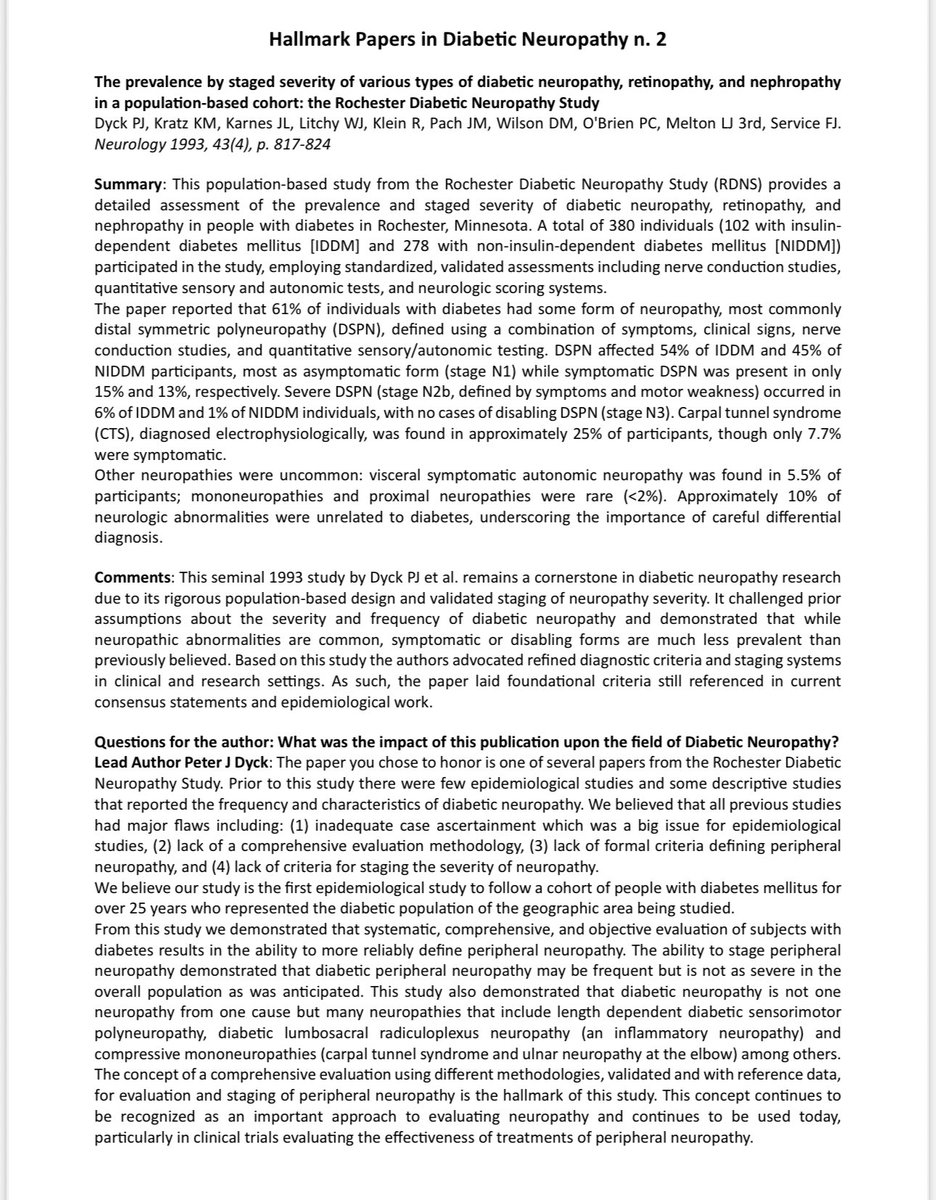
@Neurodiab_eu created this excellent summary of Dr. Dyck’s @GreenJournal seminal manuscript on the epidemiology of diabetic neuropathy. Their youth committee connected with Dr. Dyck a few months ago, and he wrote a comment about the study. Thank you for doing this, @Neurodiab_eu!
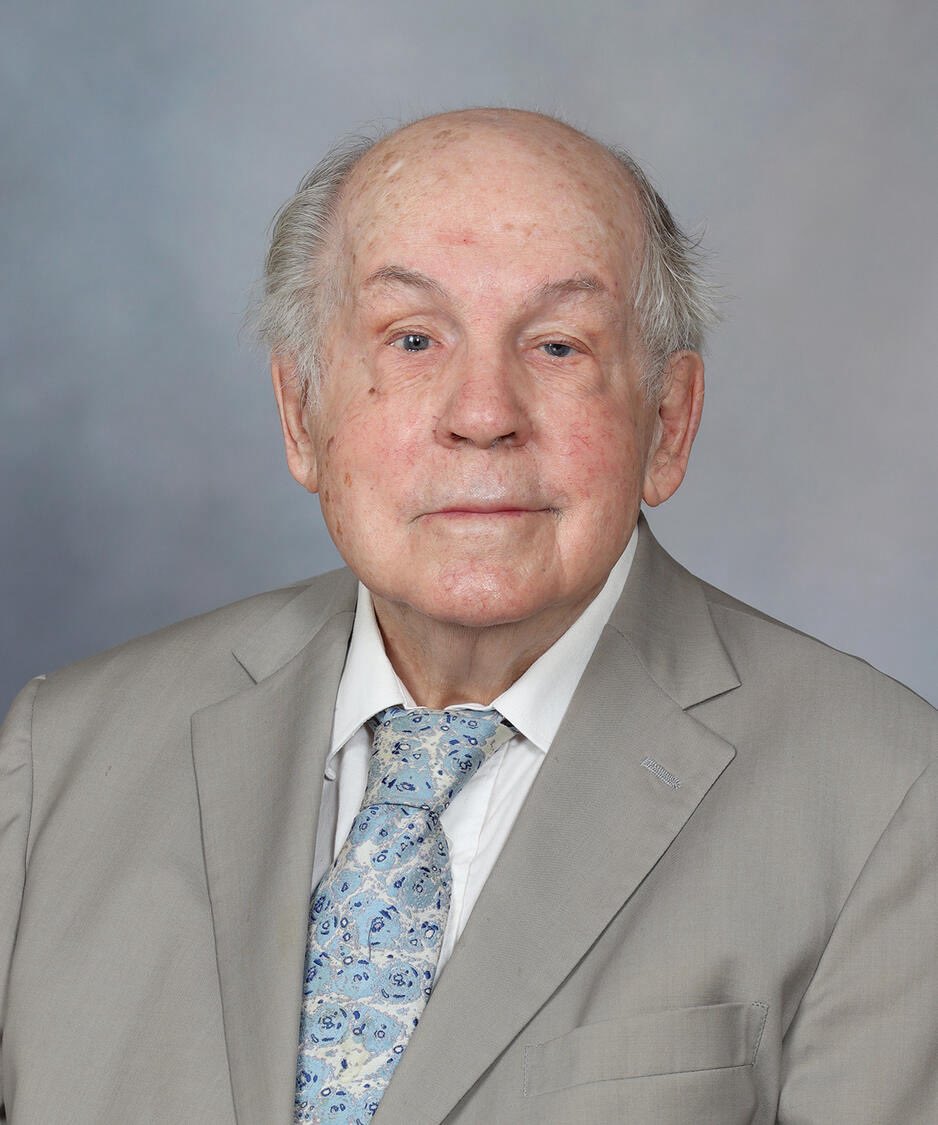
Dr. Peter J. Dyck passed away peacefully surrounded by family on 07/26/25 at the age of 97. We will honor his legacy and keep him alive through our research, teachings, and patient care. Rest in peace and thank you for everything, Peter! @MayoClinicNeuro
Continuing the series of posts highlighting Dr. Dyck’s legendary career, I focus today on two seminal papers by Drs. Dyck and Lambert that laid the foundation for the modern classification of Charcot-Marie-Tooth disease (CMT) types 1, 2, 3 (formerly known as Dejerine-Sottas syndrome), and 4. Few know they were the first to demonstrate that nerve conduction studies (NCS) can differentiate CMT into demyelinating and axonal forms. They also highlighted the importance of NCS in screening unaffected family members. Most people mistakenly attribute these findings to Anitta Harding and P.K. Thomas, who published their famous paper in Brain twelve years later, demonstrating the 38m/s cutoff to differentiate axonal and demyelinating forms.
@cmtausa@CMTNeuropathy
@ElieNaddaf3, look at our vasculitic myopathy cover being highlighted again. We were already grateful to be featured at the @GreenJournal booth during the 2025 AANAM (photo ⬇️). 🤩 Thank you once again, @GreenJournal! The most clinically relevant neurology journal worldwide.
Dear Neurology Residents Starting in the ED Next Month,
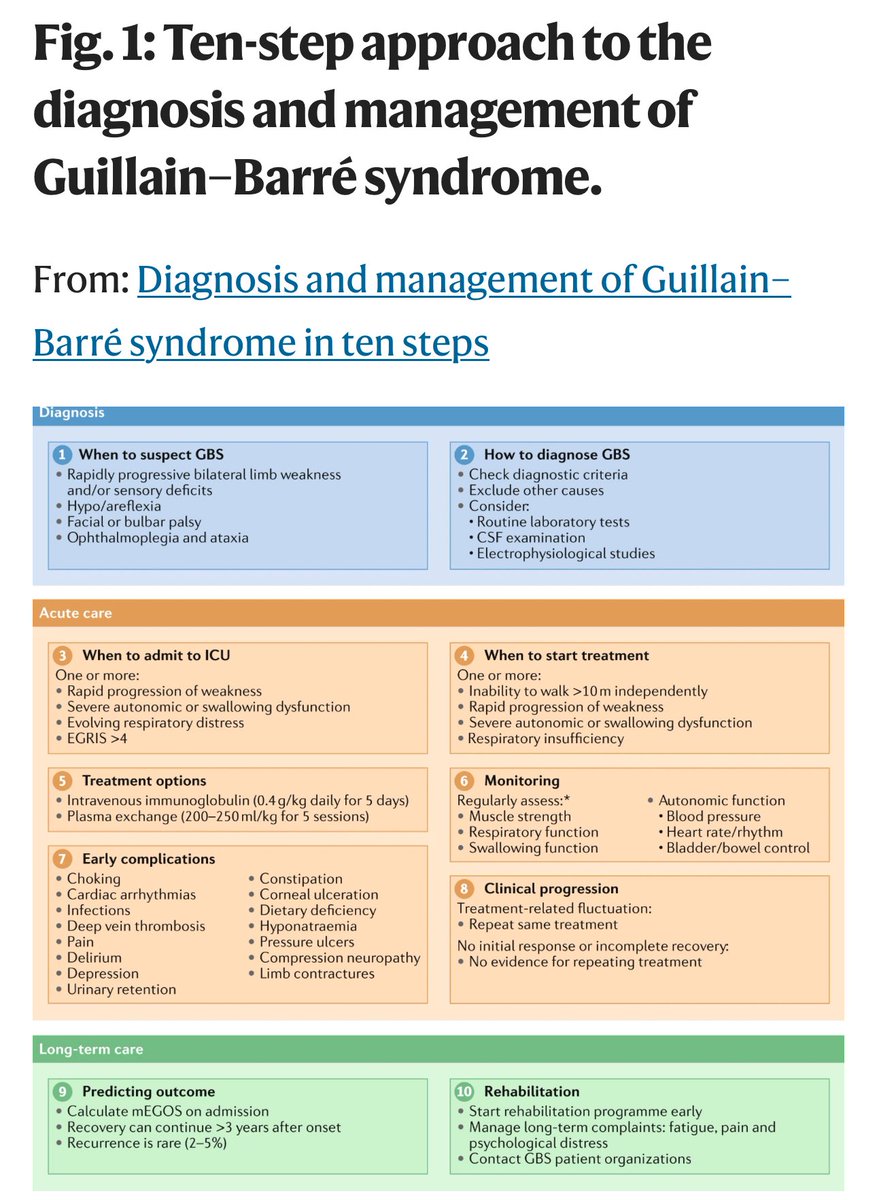
You will frequently encounter “?GBS” or “GBS rule out” consults. Please remember to carry your reflex hammer, save this post for future reference, and read the open-access review that I share ⬇️. 🤓
Since you won’t have much time for history taking, make sure to ask about important details such as falls, the use of gait aids, the ability to climb stairs, difficulty walking, using zippers, and washing their hair. These activities can help you gather an accurate timeline. I also suggest asking when they last felt like their usual selves, as this can help pinpoint when the symptoms began, along with their prior level of disability, which is crucial. Don't forget to ask about potential triggers, including recent vaccinations, infections, surgery, and trauma.
The following physical examination features make GBS very unlikely and may assist you in “ruling it out”:
- A sensory level
- Unilateral weakness
- Markedly asymmetric weakness (excluding cranial nerves)
- Weakness confined to either the upper or lower limbs
- Normal (or preserved) ankle reflexes
- Fever or skin rash
- Normal gait
GBS is the most common cause of ascending weakness and paresthesias. So, if history suggests it, the patient is unable to walk, the weakness is symmetric, and the reflexes are reduced/absent, please admit the patient and start IVIg overnight. Time is nerve! ���
Toxic neuropathies that may present like GBS:
🔺Hexane (glue-sniffing)
🔺Thalium
🔺Arsenic
🔺Lead
🔺 ICI
🔺Ciguatoxin
🔺Vincristine
🔺Calcineurin inhibitors
🔺 Immune check-point inhibitors
🔺 Organophosphates
🔺 Diethylene glycol
When heavy metals intoxication cause a GBS-like neuropathy, these are often accompanied by severe GI side effects and other systemic features.
5/x
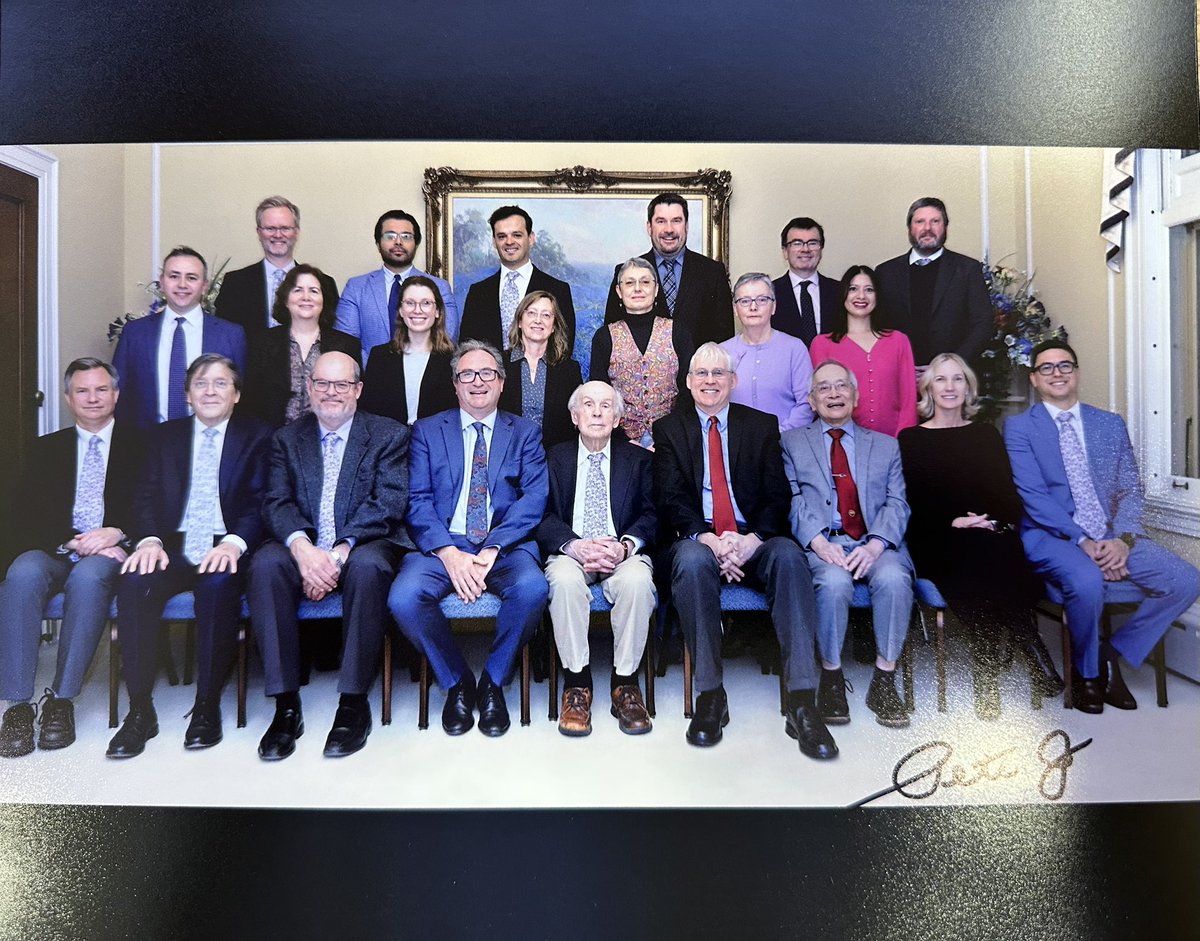
I need to find a special portrait for this one. On January 20, 2025, we gathered at the Mayo Clinic Foundation House to honor Prof. Peter J. Dyck’s retirement and distinguished and unparalleled career. The photo is signed by him 🥹. Beyond grateful for this wonderful gift.
On being a good doctor.
The number of research publications don’t tell you how good a doctor is at being a doctor.
Neither do the number of book chapters or grants. Or academic rank.
It’s a different skill set.
Good doctors have stellar clinical acumen & empathy.
#MedTwitter
@MayoClinicNeuro honor and celebrate the life of Prof. Andrew G. Engel, one of the founding fathers of #myology. His legacy lives on in every patient we care for and in every muscle biopsy we examine. His life’s work continues to guide, inspire, & shape the field he helped build.
A common misconception regarding the treatment of Guillain-Barré syndrome (GBS) is the idea that it can be categorized as either "IVIg responsive" or "resistant." The only two therapies that are effective for GBS—plasma exchange and intravenous immunoglobulin (IVIg)—do not change mortality rates or long-term disability outcomes. Yes, you read that correctly. Both treatments are quite expensive, and clinical trials have shown that, compared to placebo, they only lead to accelerated recovery, with no significant difference in disability at one year or mortality rates.
Some of you may think I’m crazy for repeatedly stating that "Time is Nerve," but I strongly believe this to be true. The variation in response to immunotherapy in GBS is most likely related to the timing of starting treatment for an individual patient's disease course. This is why it is crucial to initiate therapy as soon as possible. I believe that starting treatment early may change the trajectory for many patients on an individual level.
Research indicates that the neuropathic process in GBS begins several days before patients exhibit any symptoms. After antibodies have been deposited in the nerves and complement activation occurs, plasma exchange or IVIg cannot effectively treat the damage that has already taken place in the nerves. While these treatments may help prevent further injury caused by antibodies or complement/cytokines, they cannot reverse the damage that has already been activated. As a result, patients with severe GBS who present to the hospital within less than three days or who become unable to walk in that same timeframe are likely to require mechanical ventilation and face a poor prognosis.
1/x