Neurologist and Nerve Pathology Lab Director @MayoClinic. Vice-Chair of Education @PNSociety1. Check my highlights to learn more about peripheral neuropathy.
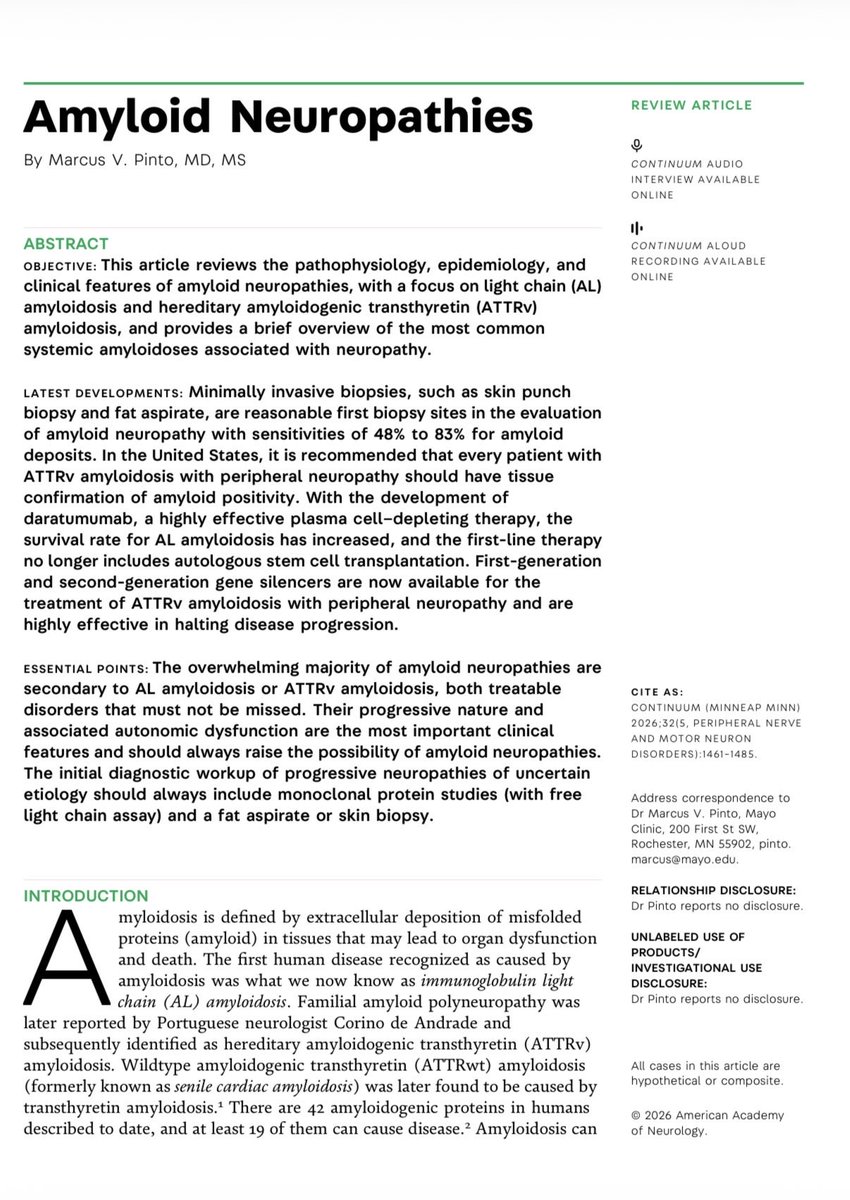
I am excited to share my review article, “Amyloid Neuropathies,” published in @ContinuumAAN. My journey caring for patients with amyloid neuropathies began 14 years ago at the Brazilian Amyloidosis Referral Center at my alma mater, @ufrj. Since moving to @MayoClinic, I’ve continued my clinical work and research in amyloidosis, which has given me a unique perspective on patient care across two very different settings. I’ve aimed to simplify this complex topic, including many clinical pearls and a diagnostic flow chart highlighting key red flags.
I’m also proud to share that @LyellJ selected this article as one of the editor’s picks, making it freely available for the next three months. Don’t miss out—download it now! 😊
https://t.co/PA4ewUKMx6
Lastly, I want to say it's such an honor to write for @ContinuumAAN, which was the most important neurology journal throughout my (long) neurology training journey. The opportunity to give back through this review was very meaningful to me.
I hope you all enjoy it!
Our 1-year Autoimmune Neurology Fellowship at Mayo Clinic in Rochester, MN offers bench-to-bedside clinical, lab & research training with great mentors!
Apply by November 30, 2026 in an application process that is separate from the MS fellowship match:👇https://t.co/TDAZYDGBgG
I'm a spine surgeon. You asked a fair question, so here's the plain-English answer.
Before 2012 you could buy an individual plan online for about $200 a month, pick from six or seven insurers, and choose your own deductible: $500 if you wanted to pay more up front, $5,000 if you didn't. If you were healthy, that is. If you were sick, they could turn you down, and that part was real and had to be fixed.
Obamacare fixed it by requiring every plan to cover everyone for everything. Good. But that made the real price of a plan jump, and the only way to keep the monthly number from looking insane was to push the cost onto the back end. That's your $6,500 deductible. You're paying comprehensive prices for catastrophic coverage.
Then the quiet part. The law caps what insurers can keep at 20% of premiums. So the only way an insurer makes more money is if the total bill gets bigger. 20% of $10,000 beats 20% of $5,000. They have no reason to fight the hospital's price. They pass it through, take their cut, and send you the premium.
And the hospital's price went up. Hospitals bought the independent doctors, and the same visit & surgery under the hospital's name now costs 3-10 times more. Hospital prices are up 281% since 2000.
The number of insurers you can choose from fell to one in half the counties in America by 2018. Meanwhile, six in ten adults now have a chronic disease, so the pool is sicker.
So: sicker patients, pricier hospitals, an insurer that profits from a bigger bill, and a law that moved the cost to your deductible. That's what you're paying for.
Nobody in that chain gets paid more if you get better. That's the part to fix.
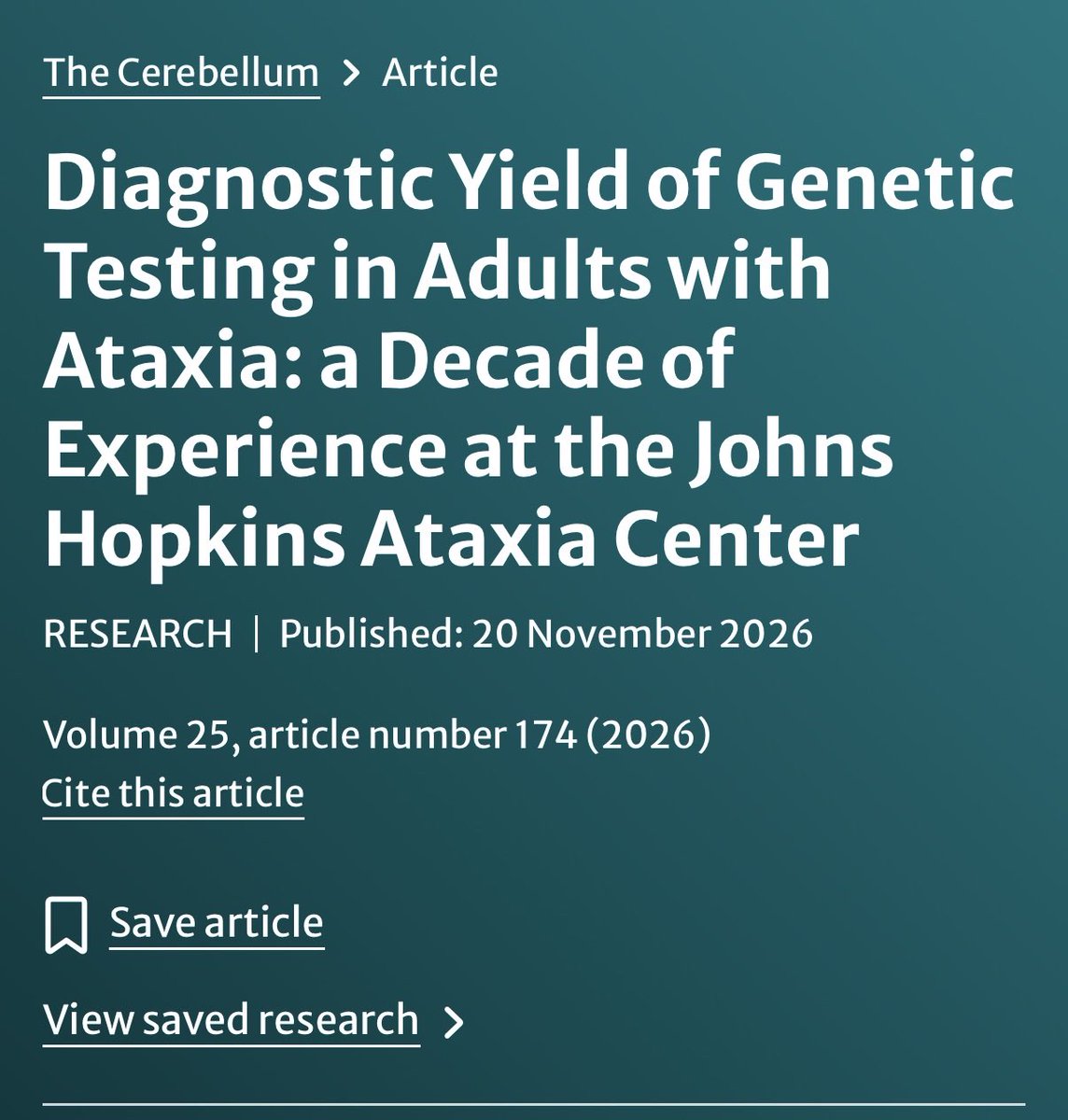
A decade of @HopkinsMedicine Ataxia clinic data:
✅204 (40%) received a genetic diagnosis
✅SCA27b (14.7%) and SCA6 (12.3%) the most common.
✅Family history of ataxia (3.5x) and vestibular dysfunction (1.5x) were risk factors for a genetic diagnosis.
https://t.co/oAdapn0tKA
It was an honor to be interviewed by legendary peripheral nerve neurologist @gordonsmithMD for @ContinuumAAN audio. The episode is open access. If you see patients with peripheral neuropathy, I recommend listening—especially if you practice in the United States.
Listen to Drs. Gordon Smith and Marcus V. Pinto, discuss his article on "Amyloid Neuropathies" in the October #PeripheralNerve and Motor Neuron Disorders issue. Episode available on all platforms or at https://t.co/4hkPmwIrDk @GordonSmithMD
Pearls on amyloid neuropathies:
Yes, CAA is a localized, organ-specific, amyloidosis unlike the neuropathy which is systemic.
Some clinical clues there too: slow progress, using a cane over 6 months, dyspnea, etc
Thank you @MarcusVPinto
https://t.co/JLCrlLQfvC
Looking for CAN to detect heart failure in type 2 diabetes
On Neurodiab website every Monday a signaling of articles on #diabeticneuropathy
The 253rd Publication News is by Marika Menduni (https://t.co/YSNndGzRL5)
Listen to Drs. Gordon Smith and Marcus V. Pinto, discuss his article on "Amyloid Neuropathies" in the October #PeripheralNerve and Motor Neuron Disorders issue. Episode available on all platforms or at https://t.co/4hkPmwIrDk @GordonSmithMD
I take absolutely no pleasure in being 100% right about this. First, JAMA published the misleading corporate propaganda piece claiming AI is better than physicians from authors who are all financially tied to medical AI companies. Now, the FDA has cited that very paper in its new AI roadmap entitled “A Clinical Super Intelligence Roadmap: Better Answers, Faster Care, and Lower Costs.”
This is precisely how corporate propaganda seeps into legitimate policy, guiding federal focus and research funding towards venture capital returns and shareholder profit — and away from the public interest. It remains incredibly disappointing, yet entirely predictable, to see one of our most prestigious medical journals in JAMA co-opted to manipulate federal policy in ways that line the pockets of venture capitalists at the expense of patients and the physicians that care for them.
The "Father of Clinical Neurology" also wrote about shorthand, education, and why kids should learn to be ambidextrous. Archival research uncovers overlooked writings by Sir William Gowers that reveal a far broader intellectual range. https://t.co/aOnaLqiOVE
Dr. Callstrom knows Mayo Clinic deeply, understands where healthcare is headed and has the vision and experience to build on the progress we have made. Congratulations to my colleague and friend.
Building on our discovery of cavin-4 IgG as a biomarker of immune-mediated rippling muscle disease, our study uses active immunization to develop an animal model with functional and tissue features of disease, supporting pathogenic cavin-4 autoimmunity.
https://t.co/naFFiz6elO
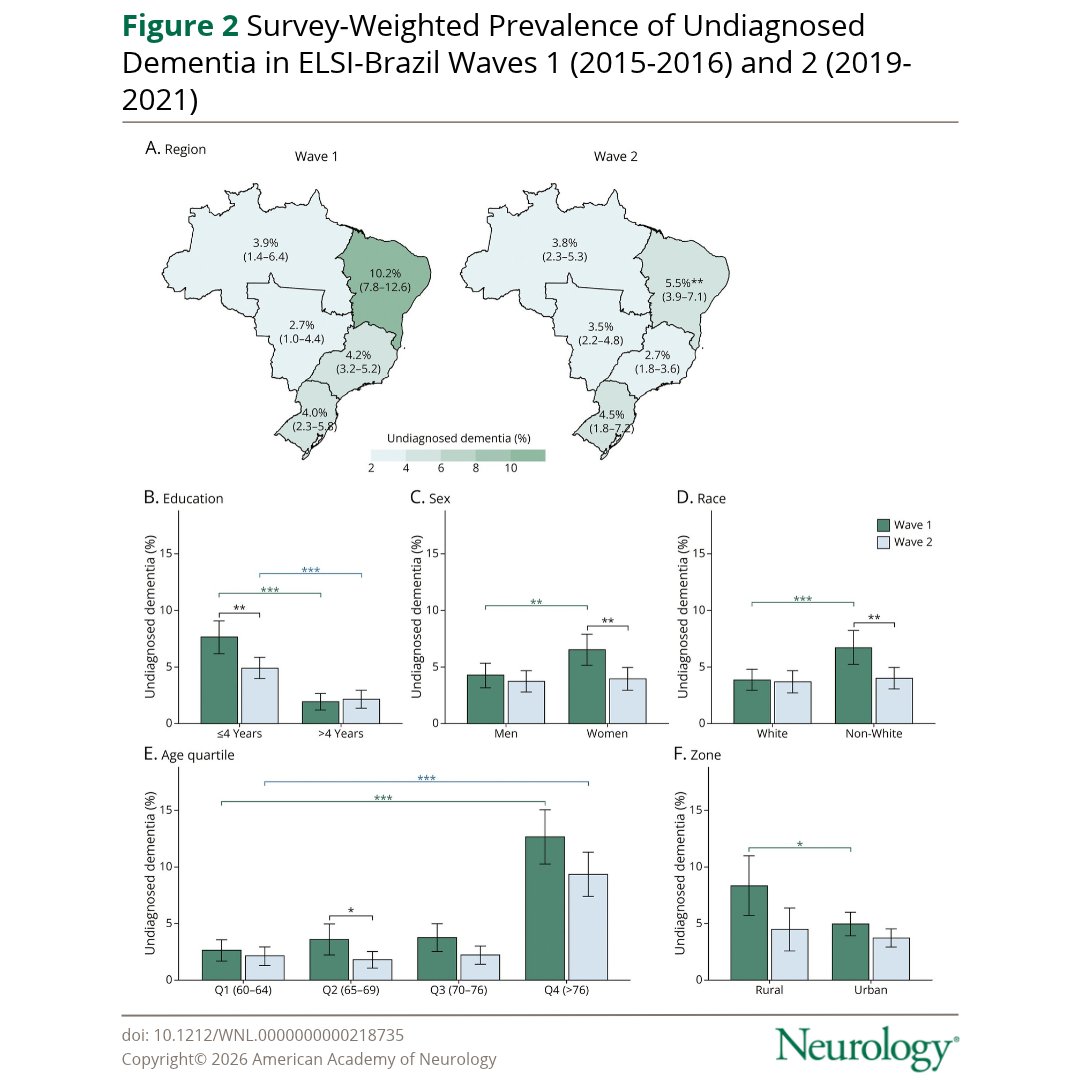
Undiagnosed dementia in Brazil fell significantly over 5 years, with the biggest gains among historically underserved groups. Still, rates remain high and regional gaps persist, pointing to a need for targeted policy and active case finding. Read more: https://t.co/Zq7lzUL68a
I’m at the @UpToDate Editors meeting today. I’ve been an author/section editor for 20 years. The breaking news is UpToDate Expert AI.
Check out UpToDate Expert AI at your institutions. You should have access if you have access to UpToDate.
UpToDate Expert AI is unique. It is AI plus the world’s top experts analysis and interpretation rolled into one. It offers AI’s magic and proficiency with the human expert element added.
In my experience AI is incredibly helpful but very few of us rely solely on AI to make clinical decisions for a serious illness. Patients still want input from the human expert. Thats what makes UpToDate Expert AI unique. It has both. That helps the treating physician make the best management choice for their patient.
Congrats Butros! So proud of all your achievements. An example of an excellent caring physician and clinical researcher. Our patients are lucky to have someone like you in the field. Heads up GI PDs out there!
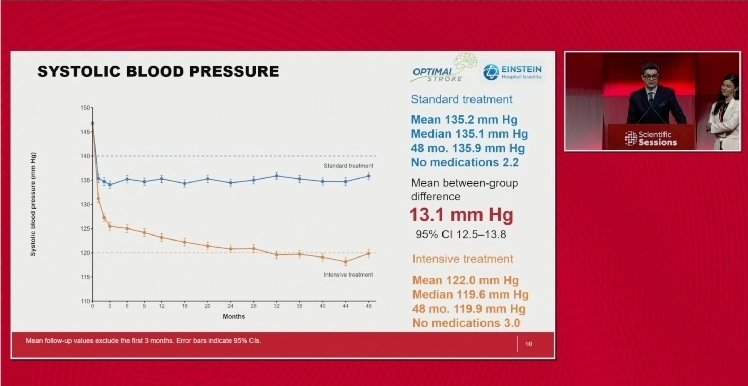
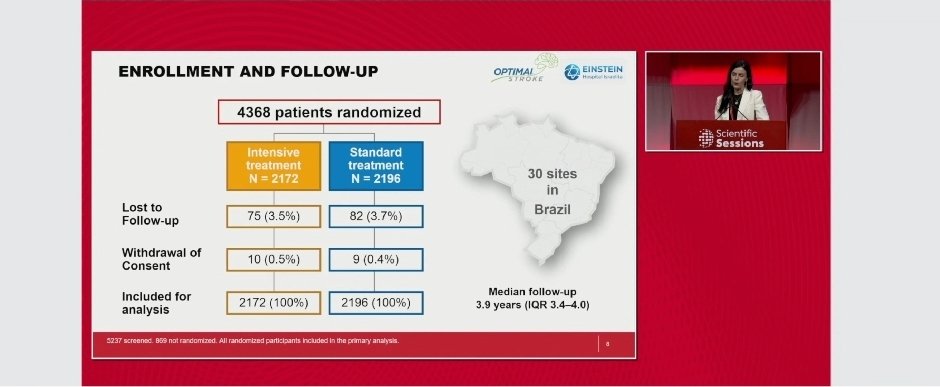
Presented at #ScientificSessions26:
In patients with type 2 diabetes and high cardiovascular risk, a systolic blood-pressure target below 120 mm Hg did not result in fewer major cardiovascular events than a target below 140 mm Hg. Full OPTIMAL-DIABETES trial results: https://t.co/8LPXfkfp2R
@AHAScience