Ei!, ja tenim article publicat a @PSS_Journal
Doneu-hi una ullada a veure què us sembla! Intel·ligència artificial aplicada a la detecció i tracking de meteors (les meves dues passions juntes, IA i Astronomia) :D
https://t.co/FwDg8axhUo
Estamos presentes en el AWS Summit 2026, asistiendo a sesiones y charlas técnicas para conocer de primera mano las últimas novedades en la nube, arquitectura, IA y seguridad para ofrecer a nuestros clientes las soluciones más innovadoras y eficientes. ☁️ #AWSSummit#AWS
Hoy estamos en el #AWSPartnerSummit Madrid 2026, compartiendo experiencias, explorando las últimas innovaciones de AWS y fortaleciendo alianzas para seguir ayudando a nuestros clientes a acelerar su transformación digital.
Some LC-36 updates. Now that we’ve had access to the pad and integration facility we can share a bit of good news. The propellant farm, oxygen, liquid hydrogen and LNG tanks are all in good shape. This is good luck because these are very long lead items. The water tower is also good. The big support tower is damaged, but it can be repaired in place rather than torn down and replaced. The booster “Never Tell Me The Odds” and the three GS-2s that were onsite in the integration facility also look good.
I’ve seen some speculation that we might move directly to the 9x4 configuration, but we won’t do that. Rate manufacturing of 7x2 is going well, and we’re going to continue that at pace as planned and store the stages for use. In addition, we had already been working for some time on eliminating our transporter-erector in favor of an alternative vertical conop, and we’ll now go directly to that; so we don’t need a new transporter-erector.
We will fly again before the end of this year. Gradatim Ferociter.
La primera plataforma privada de la historia, en la base de lanzamiento de @EuropeSpacePort está siendo construida. El ensamblaje de integración final de #MIURA5 esta avanzando rápidamente mientras la zona de lanzamiento LZ finaliza la obra civil.
Liftoff of Starship V3, from the dunes right outside the pad.
This is the most insane shockwave action I have ever seen on video. Absolutely mad.
📽️ Me for @WeAreSpaceScout
@ylecun Yann! you can process the image with AI :) This image is mine, and edited with free AI tool that I developed for the astrophotography community (https://t.co/yF2ob3M5Cm) :)
Bacteria move around using a molecular machine called the flagellar motor that rotates faster than the flywheel of a race car engine and switches directions in an instant. After 50 yrs, scientists have finally figured out how it works. “My lifelong quest is now fulfilled.” Link⤵️
Only one chance in this lifetime…
Like watching sunset at the beach from the most foreign seat in the cosmos, I couldn’t resist a cell phone video of Earthset. You can hear the shutter on the Nikon as @Astro_Christina is hammering away on 3-shot brackets and capturing those exceptional Earthset photos through the 400mm lens. @AstroVicGlover was in window 3 watching with @Astro_Jeremy next to him.
I could barely see the Moon through the docking hatch window but the iPhone was the perfect size to catch the view…this is uncropped, uncut with 8x zoom which is quite comparable to the view of the human eye. Enjoy.
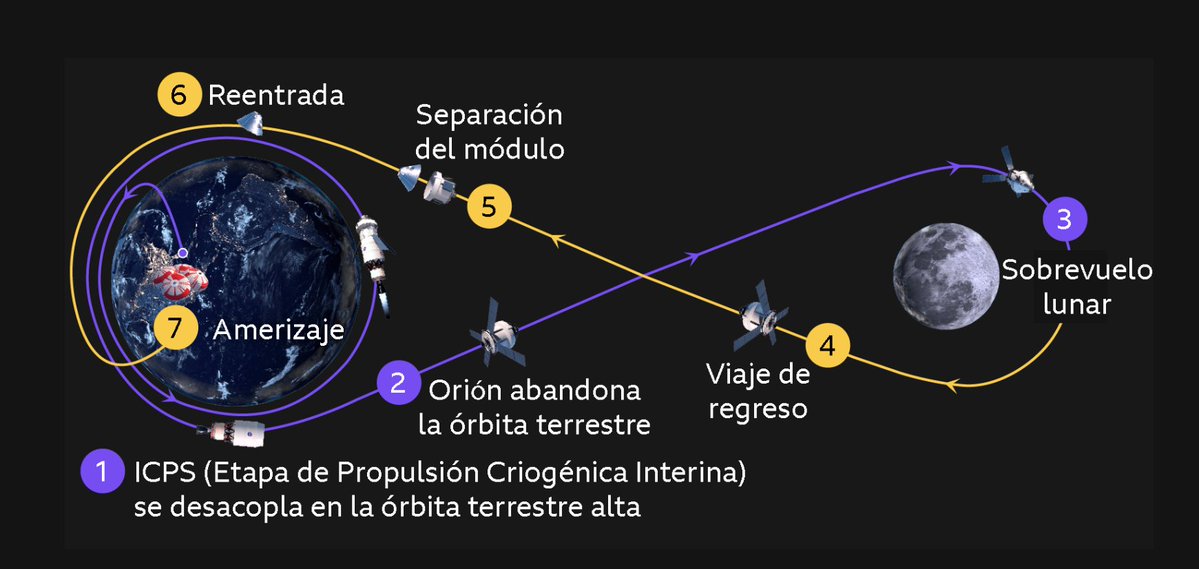
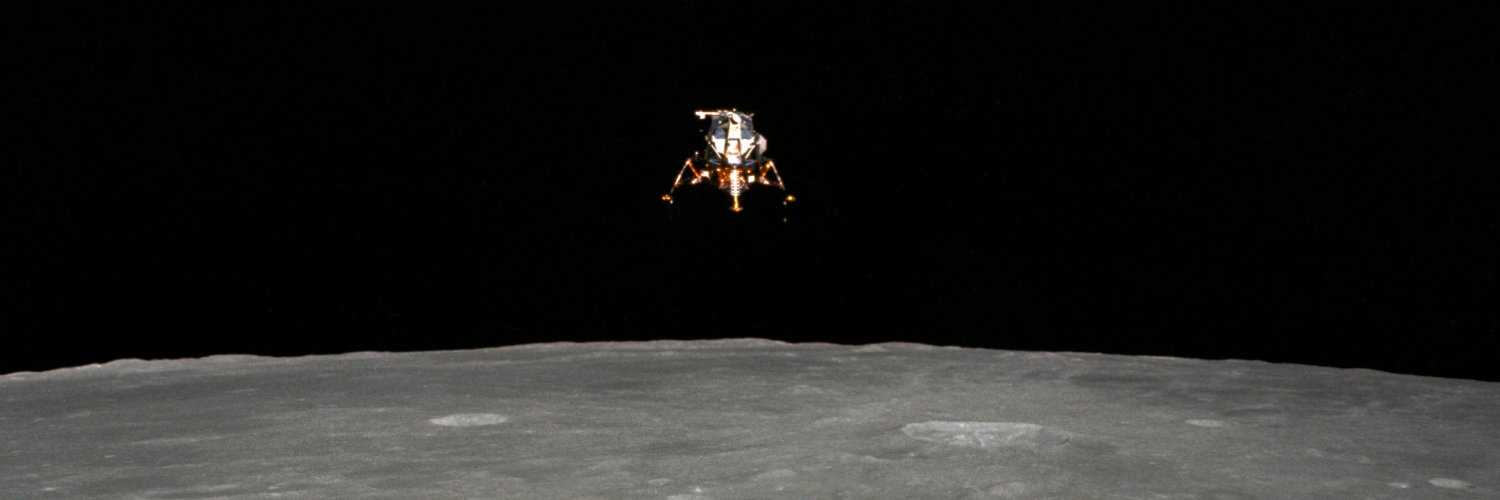
#Artemis II: así es la misión que parte rumbo a la #Luna 50 años después.
4 astronautas viajaran 800.000 km en una misión que ofrecerá una nueva imagen de nuestro satélite y mucha información. En el horizonte, un objetivo ambicioso: crear una base lunar.
https://t.co/pkjVL2oVb3
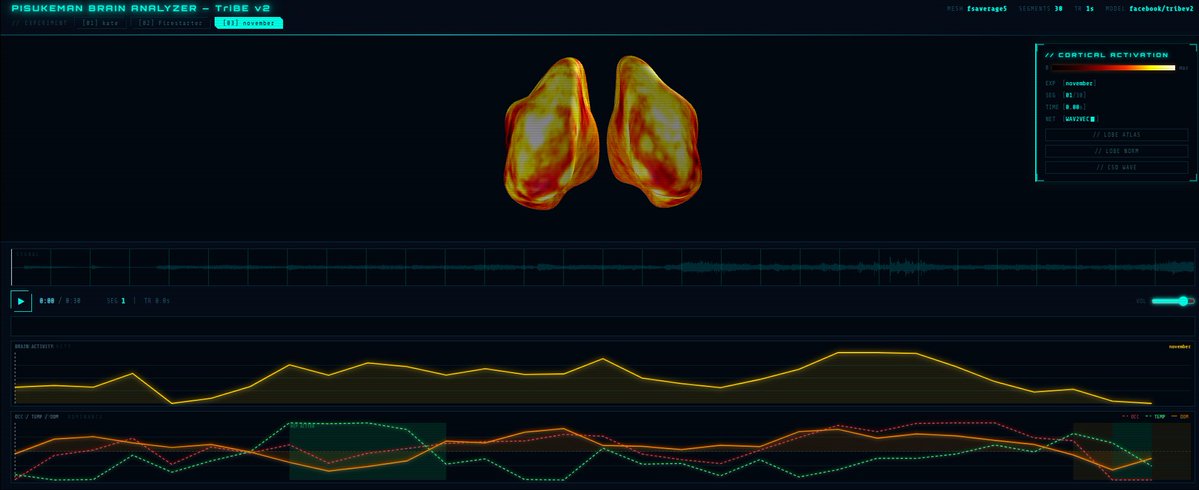
Just buit a solution with Tribe v2 from @AIatMeta to try to understand why some songs make my migraine with aura less severe :) :) Just messing around with the model a bit, don't take me too seriously :)
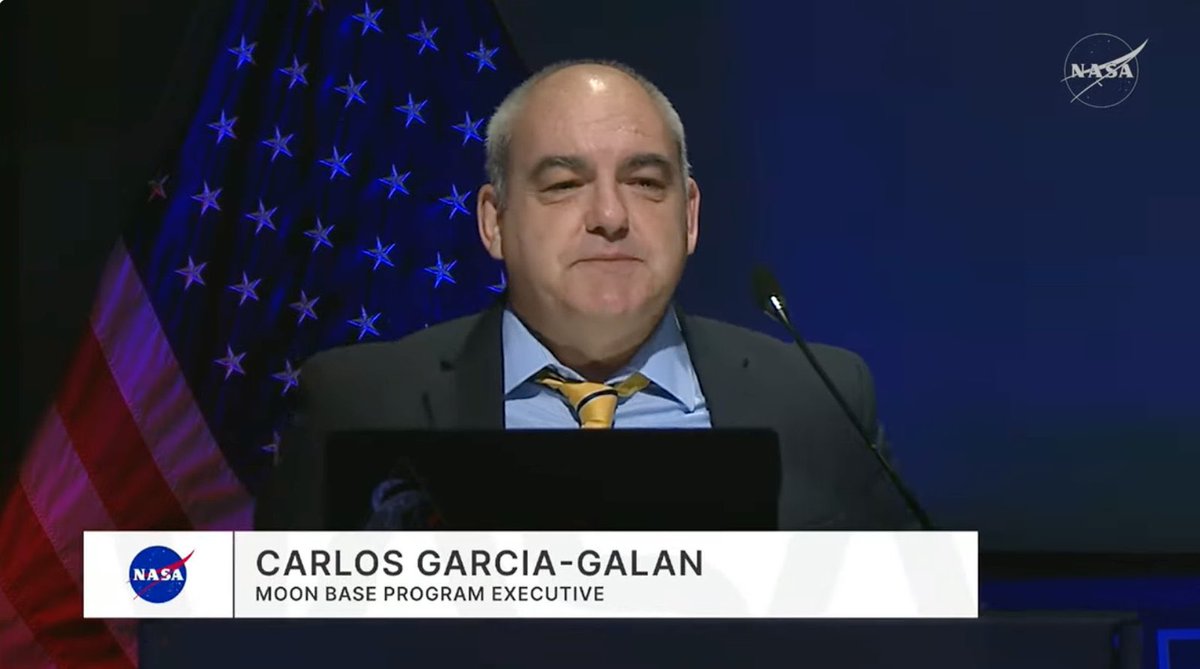
El Español Carlos García-Galán @NASA es el nuevo director de LA PRIMERA BASE LUNAR DE LA HISTORIA DE LA HUMANIDAD!! Cómo os quedáis?.Muy pronto voy a estar con él, con @JesusCalleja y con @ControlMision
en Cabo Cañaveral para ver el lanzamiento de Artemis II juntos. Preparaos para el contenido que se viene…
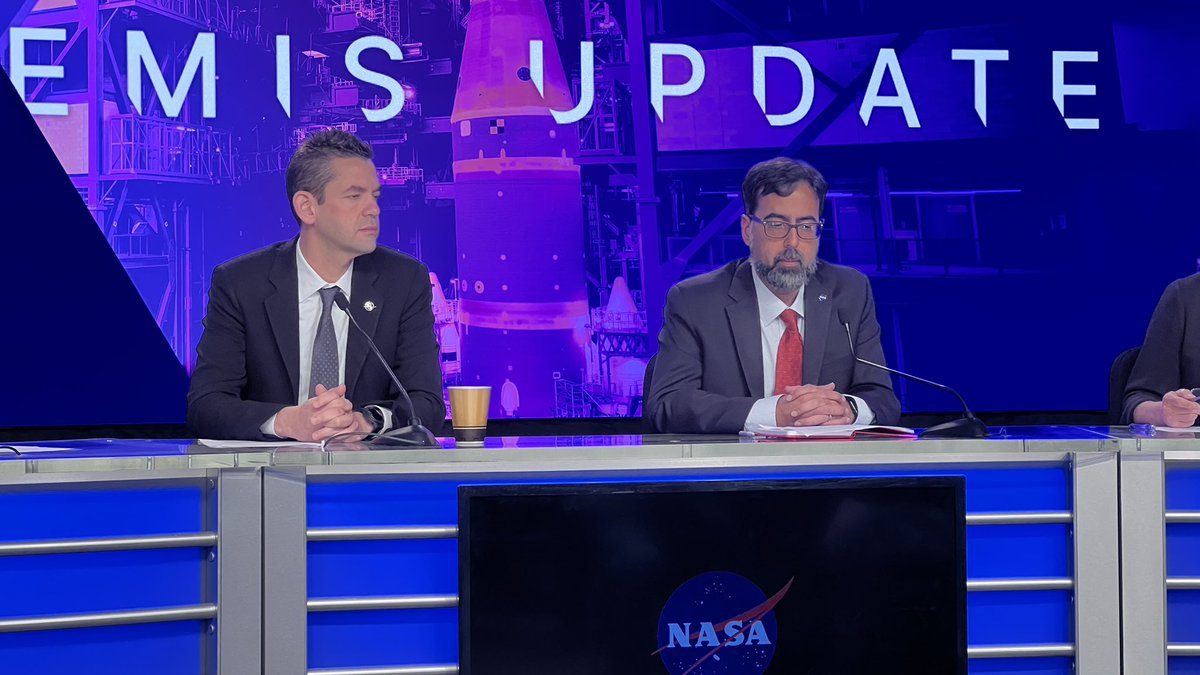
BREAKING- Programa Artemis
-Artemis III lanzará en el 2027, acoplará con el módulo lunar (a definir) en LEO para chequear operaciones.
-Artemis IV llevará la primera tripulación a la superficie en el 2028.
-Objetivo: dos alunizajes en el 2028.