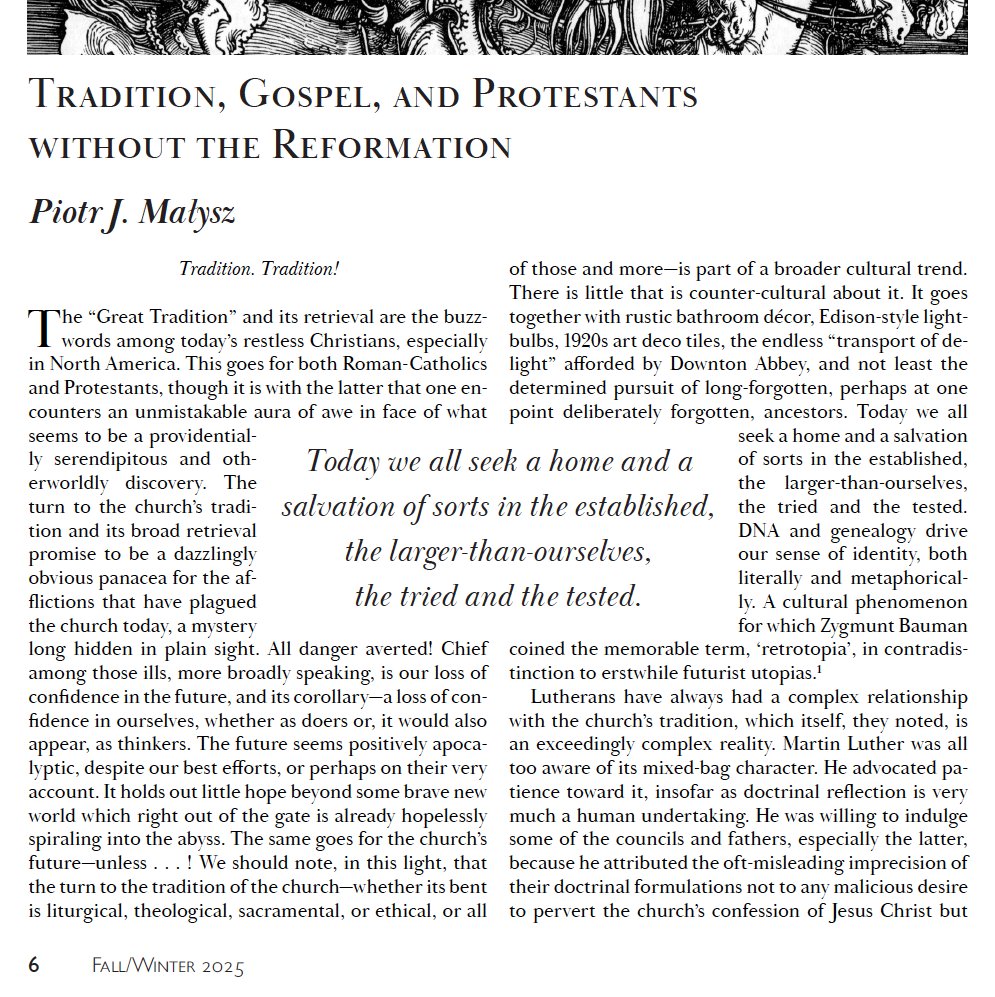
Glad to see my piece "Tradition, Gospel, and Protestants without the Reformation" out in #LutheranForum. It's a bit of a necessary Anstoß. Building off Bayer’s work on Luther’s christology, I investigate here the ontological implications of how Luther reformulates the promise.
The latest issue of #LutheranForum is about to hit our subscribers' mailboxes. We have a number of #Reformation-themed articles, including on Luther's liturgical reform and the significance of the Gospel in relation to the church's tradition.
https://t.co/HSehXp9muc
@JohannesFlacius Quite good! The notion of the whole of justice, according to Eth.Nic., is worth exploring in its Western reception. That's what my latest LF editorial looked at (you were puzzled). - I'm in Risto and R. Cross's seminar at Luther Congress. A small group but it promises to be fun.
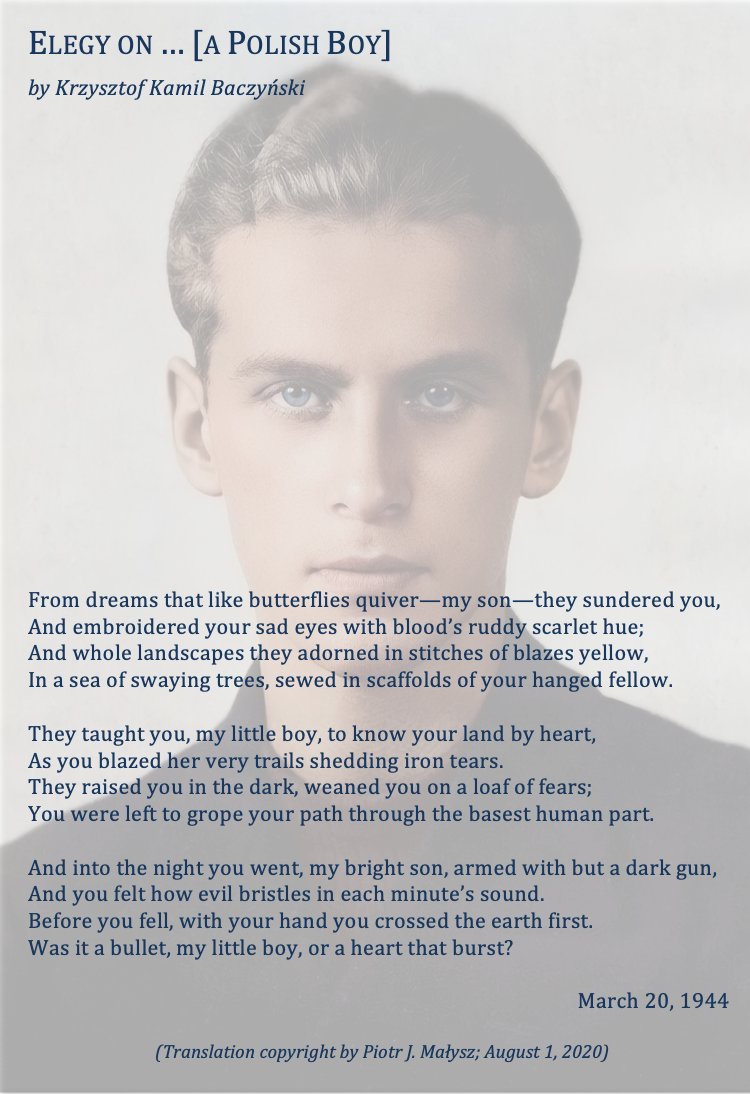
Some argue we live in a culture of extermination where "not only can mass murder happen but it in no way disturbs its functioning; it forms an integral part of the world which we spontaneously consider ours." -- Remembering the Warsaw Uprising today, and its 23-year-old poet.
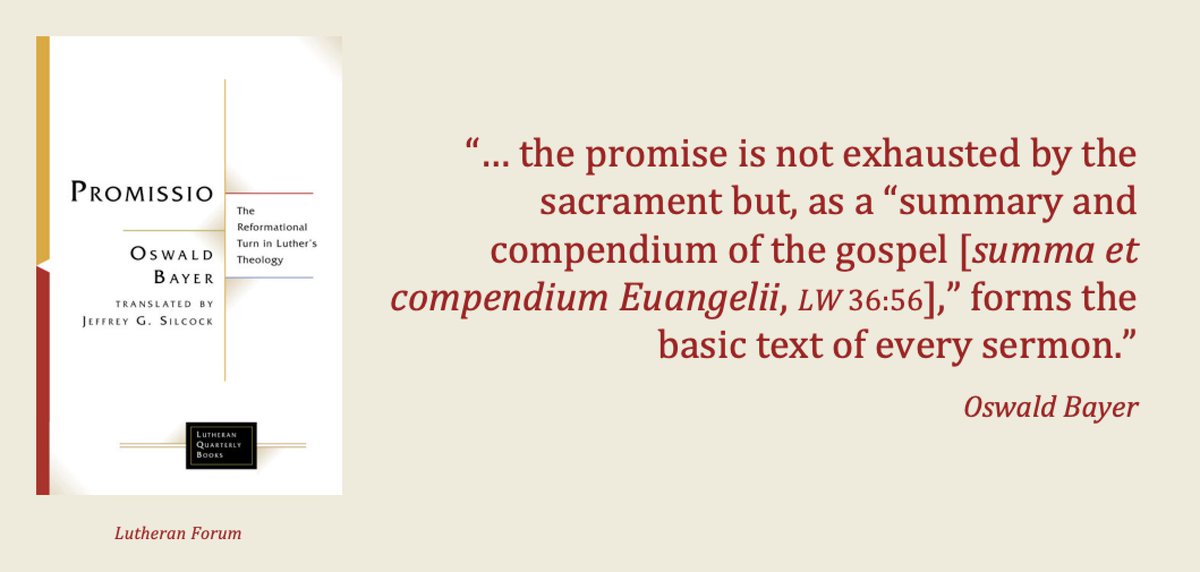
Oswald Bayer's #Promissio (1971) has for some time now been a source of creative inspiration in the study of Luther and a bit of an Anstoß for me. It's great to see this labor of love, on the part of both author and translator, finally available in English.
@HaydenLukas @JohannesFlacius We are friends on FB, so you can see my entire intro to this editorial; and if you're interested, I can send you a copy of the article!
@HaydenLukas @JohannesFlacius I was actually thinking of Levinas' account of the face as the primal and irreducible source of the moral impulse. But arguably, even in the oldest strata of biblical law, not to mention Aristotle, the personal aspect is unavoidable, the upshot being you can't hide behind the law
@JohannesFlacius Long story short, in the Western Trad the law itself presupposes a space ex lege and only in this, by attending to it, it truly is law. This space reveals all law as created/provisional. Now, the character and function of this legal space is contested. Here theology can come in.
@JohannesFlacius The character limit prevents me from making an argument, or even clarifying my terms. If you're interested, I can send you something by email. But even here, a more complex set of relations can be seen: justice, law, friendship, fairness, goodness, art.
@JohannesFlacius This is just, oh, so wrong. It understands the law on the model of physics and as exhausting itself in itself, and lacks a basic comprehension, even Aristotelian, of how the law functions among humans. Everything that I've been battling for years now. No reflection on justice.
@JohannesFlacius In a FB intro I said: A side note is needed re: the origin and legal significance of the distinction between potentia absoluta & ordinata, which was not meant initially to shore up omnipotence & extralegal character but the personal space generated by law enabling it to be law.
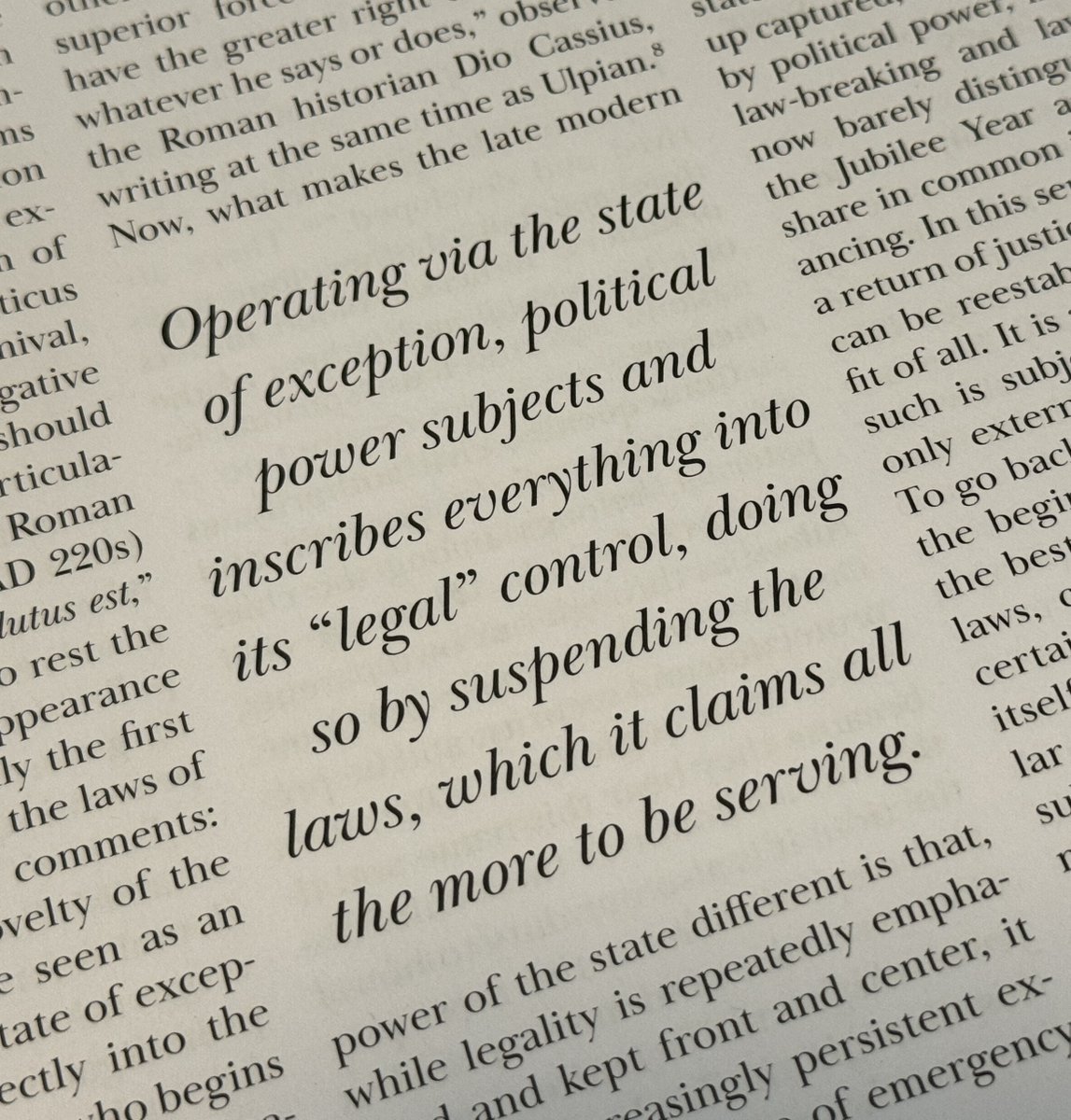
"The law is the art of goodness and fairness," affirms Ulpian. What is the significance of this definition for our historical moment, when the relation of justice and law is again at stake? And how does the Church inhabit this relation? - My latest #LutheranForum editorial.
It's taken a while, but my long-ish review of Richard Cross's _Christology and Metaphysics in the 17th Century_ is finally out in the International Journal of Systematic Theology
https://t.co/0nSU7vFtbR
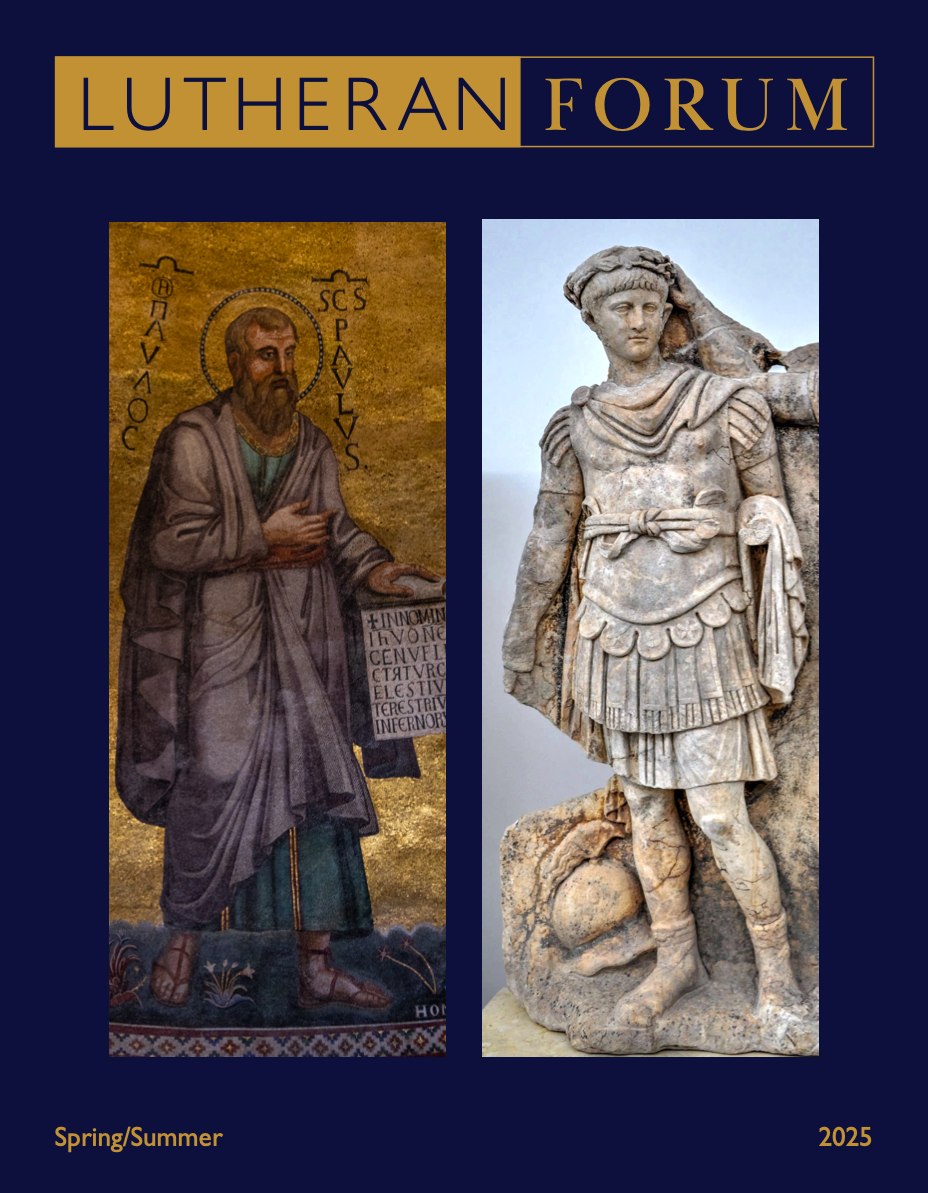
New #LutheranForum about to come out, including English translation of Werner Elert’s 1946 essay “Paul and Nero” and my own editorial article on law and justice in Western philosophy and Lutheran theology more specifically. The overarching theme is Christians and the state.