How might myofilament-associated proteins with intrinsic disorder (MAPID) contribute to length-dependent activation in cardiomyocytes? Check out our study for details: https://t.co/9VgLkB0yd4
New paper! We built a Bayesian hierarchical mixture model to capture the hidden diversity in calcium signaling across single cells. Free access: https://t.co/skqP0HlV6M
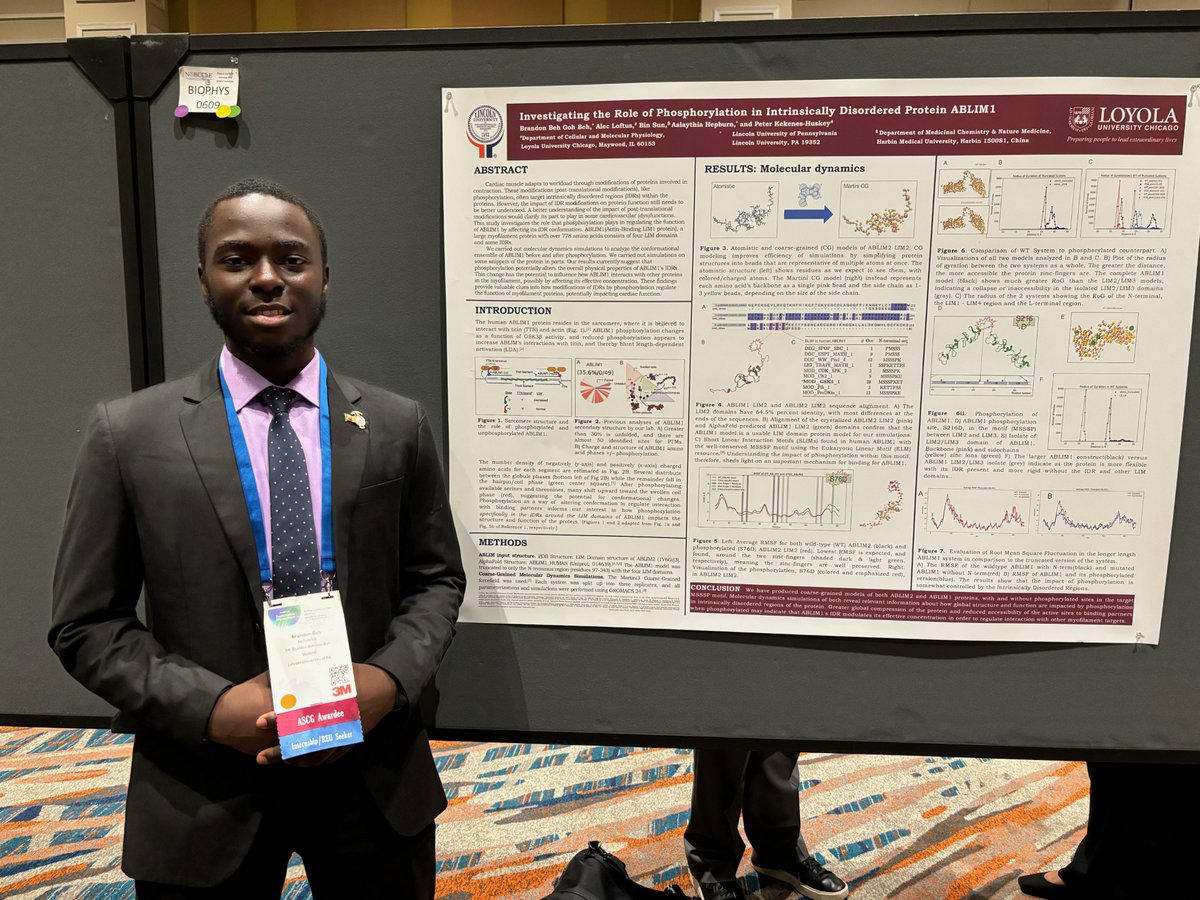
How does the heart adapt to demand? Our research explores how phosphorylation in disordered regions of ABLIM1 impacts its shape and interactions, revealing new insights into cardiomyocyte contraction regulation: https://t.co/bdLxLqJdzB
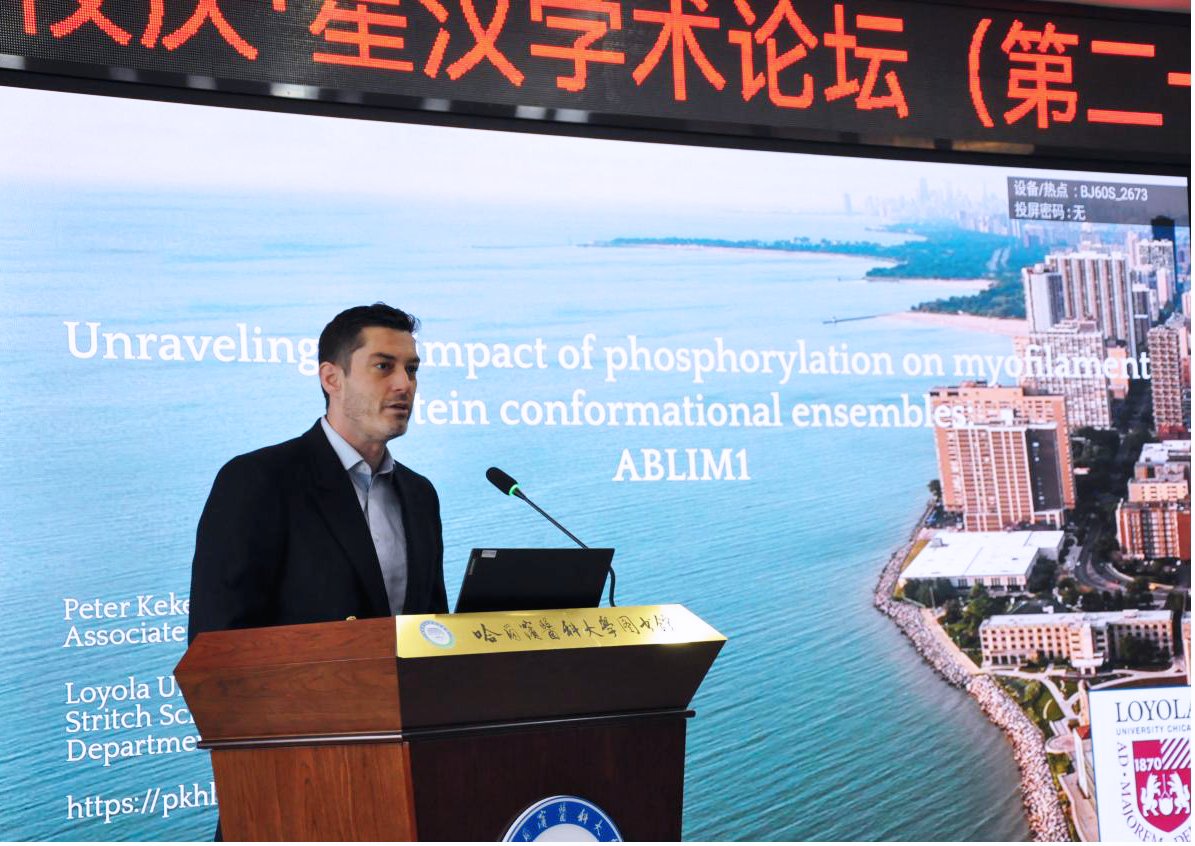
I'm deeply honored to have presented at the 29th Xing Han Symposium for the 100th anniversary of Harbin Medical University, alongside Prof. Gao (Chinese Academy of Sciences) and Prof. Wu (Sun Yat-sen U.)
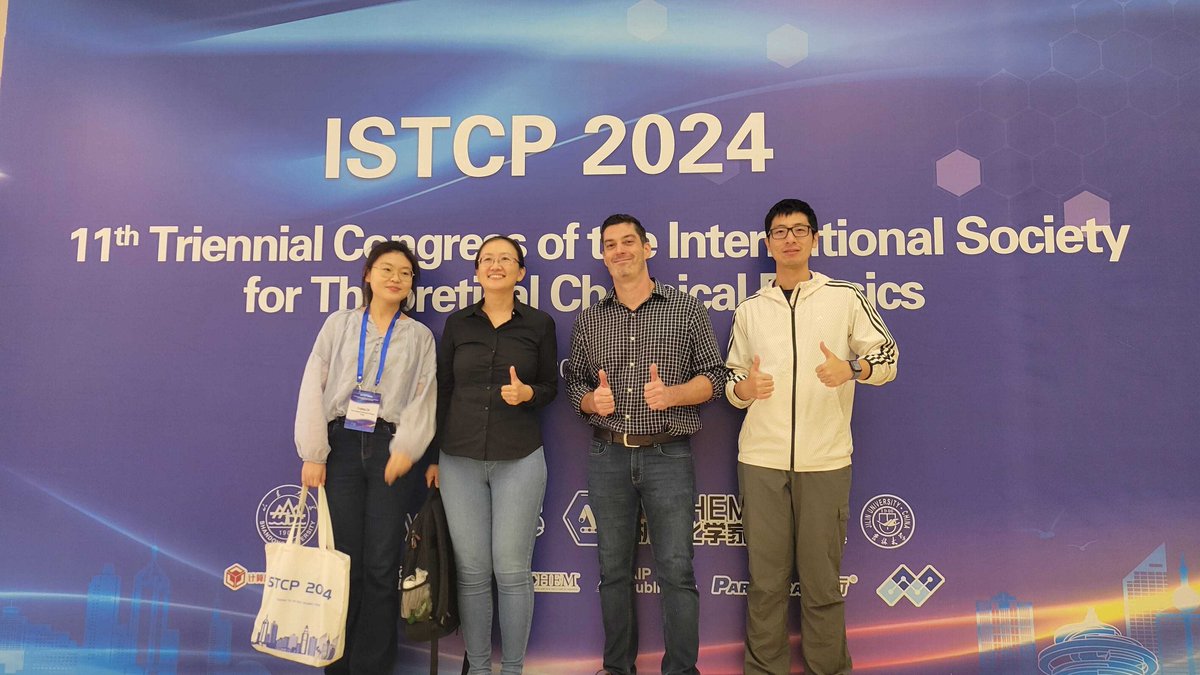
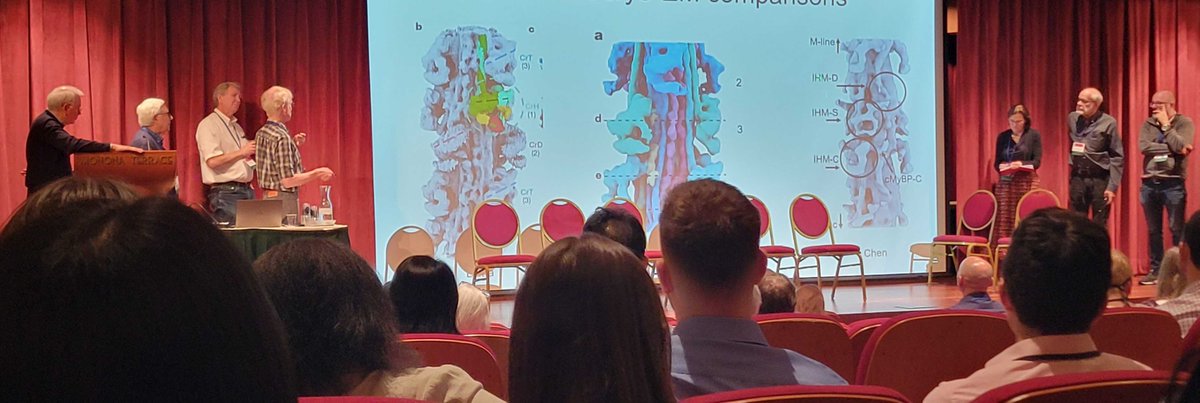
I was invited to present our lab's simulation work on the myofilament protein ABLM1 at this year's meeting of #istcp2024 in Qingdao, China! Happy to also visit with my colleague Yi Wang from the Chinese U. of Hong Kong.
@ArthurHWinter@DominicConway8 As much as phase etc are omitted, the schematic is sufficient for the students at that level. In my opinion, to even begin a conversation about atomic orbitals' shapes, nodal planes, molecular orbitals, a Hamiltonian needs to be introduced. Try discussing this in o-chem :)
We contributed simulations of TNNI1 variants, the slow-twitch troponin I isoform, identified in families with muscle-related disorders. Further indication of the important roles unstructured regions in myofilament proteins play in human disease! https://t.co/1WmP2tbGSJ
We are excited to share that Emily Krueger has been awarded a Travel Award from the committees for Inclusion and Diversity, Professional Opportunities for Women, Education, Early Careers, and Membership to present her abstract at the 2024 Biophysical Society!
Congrats to Xuan Fang, Ph.D. for publishing a computational paper exploring the molecular basis of myosin light chain kinase activation by calmodulin (https://t.co/26ySCMtHQN)! This study provides insights into engineering calmodulin for regulating cell contraction.
We contributed to a study of the ACTN2 gene and a missense variant (A868T) affecting structure & function. Reports ultrastructural changes, increased Ca2+ sensitivity of force generation, with implications for cardiac disease #CardiologyResearch. https://t.co/0IbdtMu6YR
Enhancing LQTS variant classification (https://t.co/2dDJq7OWNV)! Using simulations/machine learning, we predict KCNH2 missense variants' trafficking. Structural features play a crucial role, advancing of understanding congenital long QT syndrome. #LQTS#Genetics#Simulation"