“Both of my parents each got diagnosed with cancer within a week of each other.”
Ashley is the VP of Product at @OpenAI for Health and this is a very special episode for me. We talked about how we both use AI to help our parents fight cancer — including preparing for doctor visits, researching treatments, and coping with our emotions as caregivers. Topics we discussed:
→ Do doctors mind when patients bring AI research?
→ How ChatGPT caught a risky treatment before it was given
→ How to make time for your parents with a demanding job
Some quotes from Ashley:
“I always felt like there was no more time in the day. Then someone gets sick and you realize what you can make time for and what can drop.”
“You also have to care for yourself as a caregiver. You have to make sure you’re budgeting time for your own mental health.”
“The treatment she was about to be given would have had a really bad contraindication. She narrowly avoided it because she ran it through Chat.”
📌 Watch now: https://t.co/Z3HibgPP8S
Thanks to our sponsors:
@meetgranola: AI meeting notes that don’t suck https://t.co/Veifcmclid
@RiversidedotFM: All-in-one AI studio for podcasts and video https://t.co/uWnS6aiMPE
In 2025, PJMF committed $75.8 million across 149 grants to organizations building AI for public purpose. This represents one of the largest investments in public purpose AI, in a moment where everyone is racing to innovate. See our impact announcement: https://t.co/zzGd29dZ6s
The architecture of our digital future is being built right now, in the communities that depend on these systems. By investing in AI development under this lens, we can build it as an infrastructure with public purpose at the center. Stay tuned for our impact announcement.
At @southwestfdns, PJMF's Nick Cain flipped the narrative on philanthropic planning, encouraging funders to embrace vulnerability and curiosity. Find funder resources at the PJMF Learning Hub: https://t.co/yt6Nq7KVRr
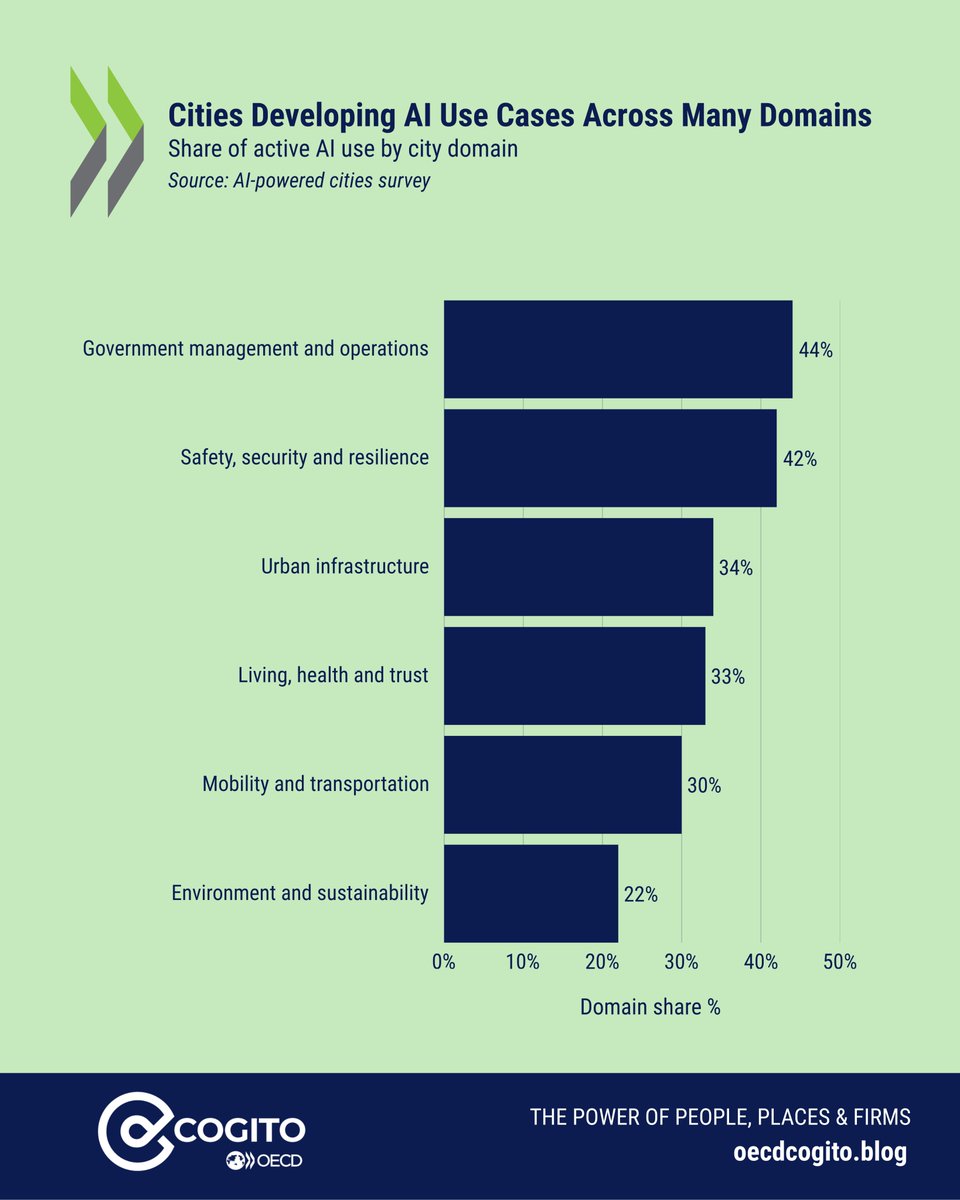
💡Over half of smart city projects now run on #AI.
But most use closed, vendor-controlled systems.
Cities often lose rights to their own data and models, risking the outsourcing of critical AI decisions to private suppliers.
NEW on #COGITO 🔗 https://t.co/yCn9fQqr4p
At the @UN's launch of the Global Dialogue on AI Governance, @vilasdhar reshaped the way we think about AI governance, empowering the communities facing AI outcomes to make the rules.
More than 130 foundations are using Grant Guardian, a free AI tool developed by the Patrick J. McGovern Foundation, to generate a scorecard on grant applicants’ finances. The Chronicle spoke with Vilas Dhar to find out how it works. https://t.co/2RodZi790F
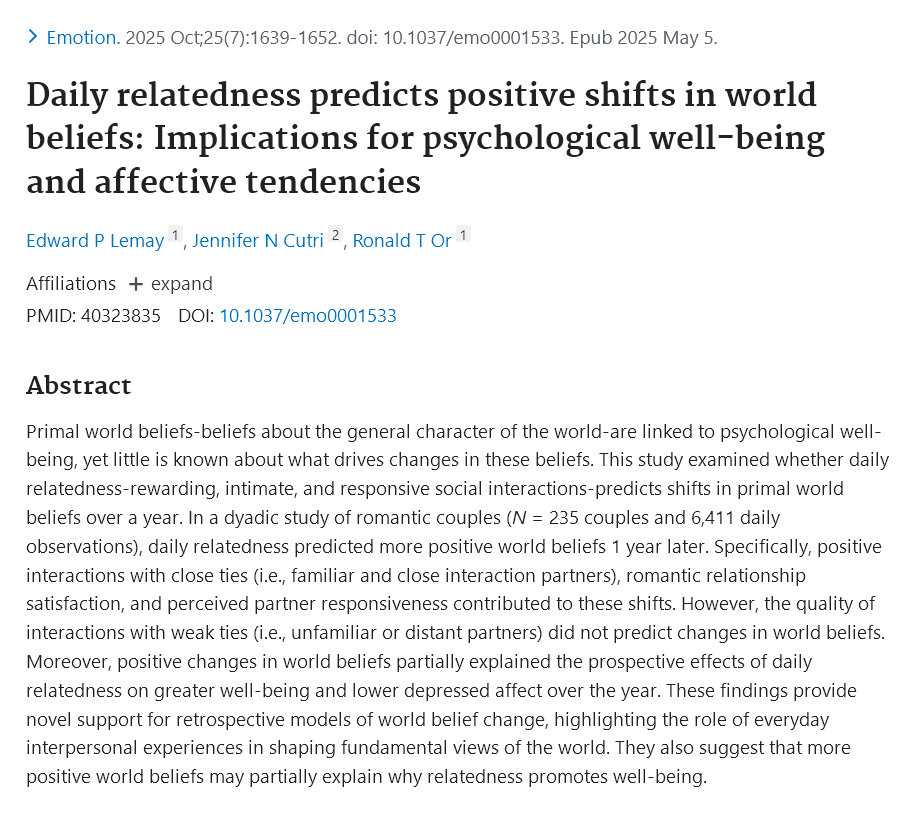
Daily connection builds a healthier worldview.
Data: When people have regular positive interactions with others who matter to them, they see the world as a better place a year later—and have lower depression and higher well-being.
Strong ties are an antidote to alienation.
When you get defensive about feedback, you fail twice. You fail to learn today, and you fail to encourage people to keep teaching you tomorrow.
If you can't handle the truth, people stop telling you the truth.
A key to growth is showing that you're coachable.
At @SolveMIT Challenge Finals, global innovators proved that purposeful tech creates positive impact and sustainable value for society. As @vilasdhar put it in the opening keynote, we can build the infrastructure of institutions that can create a new just future for all of us.
Do Americans need digital IDs?
@vilasdhar from @PJMFdn tells me it’s an easy way Washington could empower people in the power struggle between man and machine, especially in the age of artificial intelligence.
Listen to the full convo on @POLITICO Tech: https://t.co/LCJwQDYvW0
“If we invested as much in innovating how we built social structures around technology as we do in technology itself, we could live in a vastly different world.”
More from my convo w/ @vilasdhar: https://t.co/tdNzFbfrAS
Using Houston’s Northside neighborhood as a case study, sociologists Elizabeth Korver-Glenn and Sarah Mayorga will share how people’s perceptions of where they live are essential to understanding urban inequality and poverty. | Register here: https://t.co/QbMosFZAjX
Responsible tech development requires a deep understanding of the biases within its design. In our latest blog, “Bias in Predictive Machine Learning,” PJMF’s Jacqui Watts and Valmik Patel dive into how bias enters our systems. Read here: https://t.co/AsviETlUIo
At PJMF, we believe our tech-enabled future must be grounded in humanity. We had a successful year fostering partnerships, guiding policy, and driving social change–advancing progress toward a human-centered, tech-enabled world. See our Year In Review: https://t.co/utmmkA6cBT
When #artificialintelligence is developed with understanding and intention, we create space for radical change. In 2024, our team at @PJMFdn devoted $73.5M to redefining #AI#innovation with social purpose. Learn more: https://t.co/Az28YSXLz4
The human experience should be improved by technology, not defined by it. At @StanfordEMed Grand Rounds, PJMF President @VilasDhar shared that health emergency solutions live at the intersection of tech advancement and community participation. Learn more: https://t.co/wjwePKJxzG
Today's #EMgrandrounds speaker @vilasdhar of the @PJMFdn offered a primer on AI in EM and tips on how to advocate for inclusive AI systems (and connected with fellow high school alums @StanfordEMED's RPD Sara Krzyzaniak & Global EM expert Michele Feltes!)
This week, global leaders gather at the #ParisPeaceForum to discuss #AI's potential to address urgent global challenges and help shape a future where #AI advances the public good. #AIforGood#techequity#PPF2024