Most people only see the departure board.
Behind every flight is a detailed plan involving route decisions, weather analysis, and operational thinking that happens long before you arrive at the airport.
PlaneBased is here to make that plan visible.
Early access is open → https://t.co/UCRzPjYvqf
Two flights on the same route, same day, can still end up taking quite different paths.✈️
Departure time, aircraft type, winds, ATC constraints and fuel planning all influence the final route.
That’s the kind of detail PlaneBased is aiming to explain for individual flights.
Early access is open at https://t.co/V0tjc4rS4f if you want to see more!
Been quiet for a bit while working on PlaneBased!
Most people only see what’s written on the departure board, but behind every flight is a detailed plan of route decisions, weather analysis, and operational thinking.
All of this happens long before you arrive at the airport, and it’s genuinely fascinating.
If you’re intrigued and want to find out more, early access is still open at https://t.co/UCRzPjYvqf
What makes a great flight? It’s not just the seat. It’s what you eat, what you sip, how you’re taken care of and all the details around you. We’ve been working on all of it, and it’s all part of the new Delta One ✨ Coming soon
Two flights on the same route rarely fly the exact same path.
Even if they’re going to the same airport on the same day, their tracks can differ because of:
• Different departure times (winds and weather continuously change)
• Aircraft type and performance
• Air traffic control sequencing
• Airline-preferred routes
• Fuel and weight considerations
What looks like a simple line on a map is the result of a constantly shifting set of operational decisions.
The plan is rarely one-size-fits-all
Ever opened a flight tracker such as @flightradar24 and thought:
“Why is that plane going all the way over there?”
The shortest path on a map is rarely the best path in the air. Common reasons include:
• Winds - Airlines often route aircraft to take advantage of strong tailwinds. A longer track can still be faster and more fuel-efficient.
• Weather - Thunderstorms are actively avoided. Flights are also routinely routed away from forecast turbulence or icing.
• Airspace - Restricted and military areas are more common than most people realise. Some are permanent, others temporary, but aircraft must stay clear of them.
• Traffic & ATC - Busy airways, arrival sequencing, and capacity constraints regularly push flights onto less direct routings.
• Operational factors - Preferred routes and fuel planning also influence the final track.
What looks inefficient on a map is often the smarter decision once you factor in time, fuel, and safety.
That’s the kind of thinking that sits behind every flight plan.
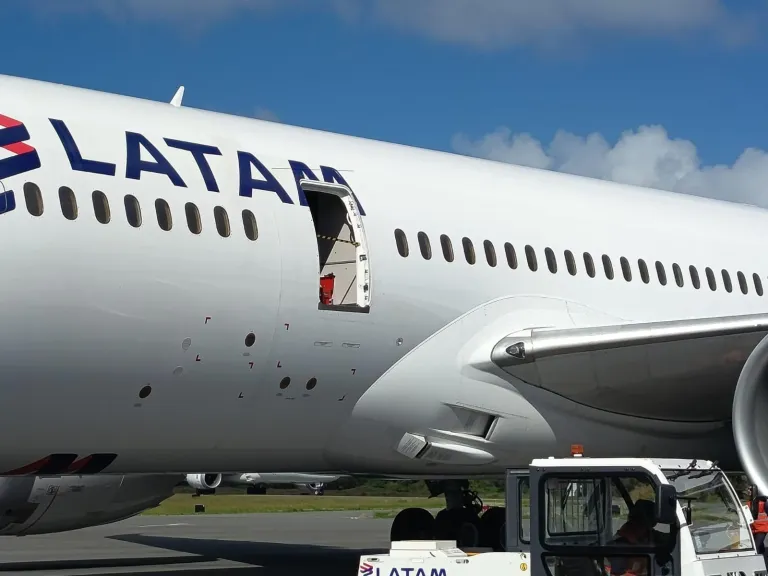
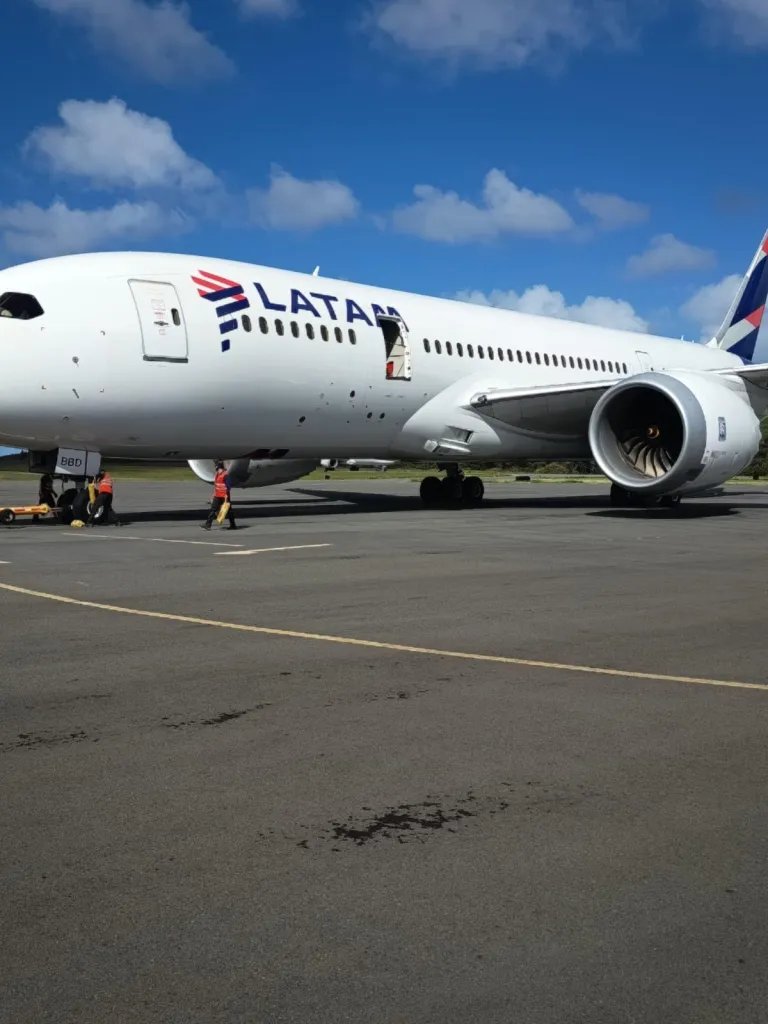
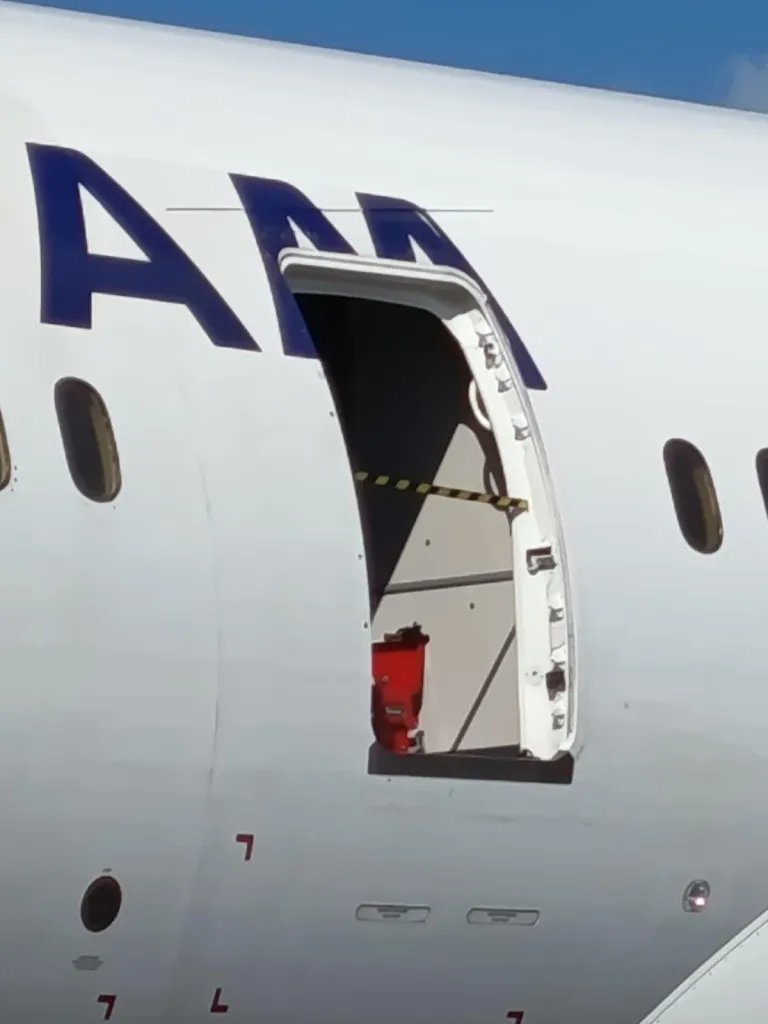
NEW: LATAM Boeing 787-8 Dreamliner grounded at one of the most remote airports in the world after the L2 door was torn off by an airstairs truck.
The incident occurred on Friday at Mataveri International Airport on Easter Island in Chile, located approximately 3,759 kilometres slightly northwest of Santiago.
Photos: Alvaro Romero