I had a great time talking about Titan on the Spectacular Science podcast!
https://t.co/jtXO6Vpn0N
This high school student covers an excellent range of science topics. Check them all out here: https://t.co/bk3FSxFsny
Our paper is the editor's pick at JGR-Planets!
Great work @gwen_duh!
For a little more on the exiting results of this publication see my thread:
https://t.co/fqcvPsXnNI
✨Editor's Pick✨
In Brouwer et al. (2024), volcanic explosions are explored and modeled to understand the possible origins of rampart craters on #Titan and determine whether their formation can source atmospheric methane.
Learn more in @AGU_Eos: https://t.co/bzsO3qoK98
So how did Titan's rampart craters form? Like a maar or Siberian gas emission crater?
It is most likely a maar-like mechanism due to the high required pressure. But if Titan's surface materials are stronger than water ice, it could be a GEC. More missions & lab work are needed!
Ever wonder how Titan's Rampart craters formed?
@gwen_duh confirmed that they could have formed via gas-driven EXPLOSIONS! 💥
Was it due to a maar-like fast vaporization of aquifer fluids OR due to a slower GEC-like accumulation of gas from crustal clathrates? Read to find out!
An Endogenic Origin for Titan's Rampart Craters: Assessment of Explosion Mechanisms. https://t.co/tVnTRwxVOb Study models maar‐like explosions driven by vaporization and gas emission crater‐like explosions driven by destabilized methane clathrates.
@gwen_duh modeled the formation of Titan's rampart craters via a gas-driven explosion. The goal was to determine the gas pressure and mass required to reproduce the observed average rampart crater morphology.
Results: it requires a high pressure and releases ~10^14 kg of gas!
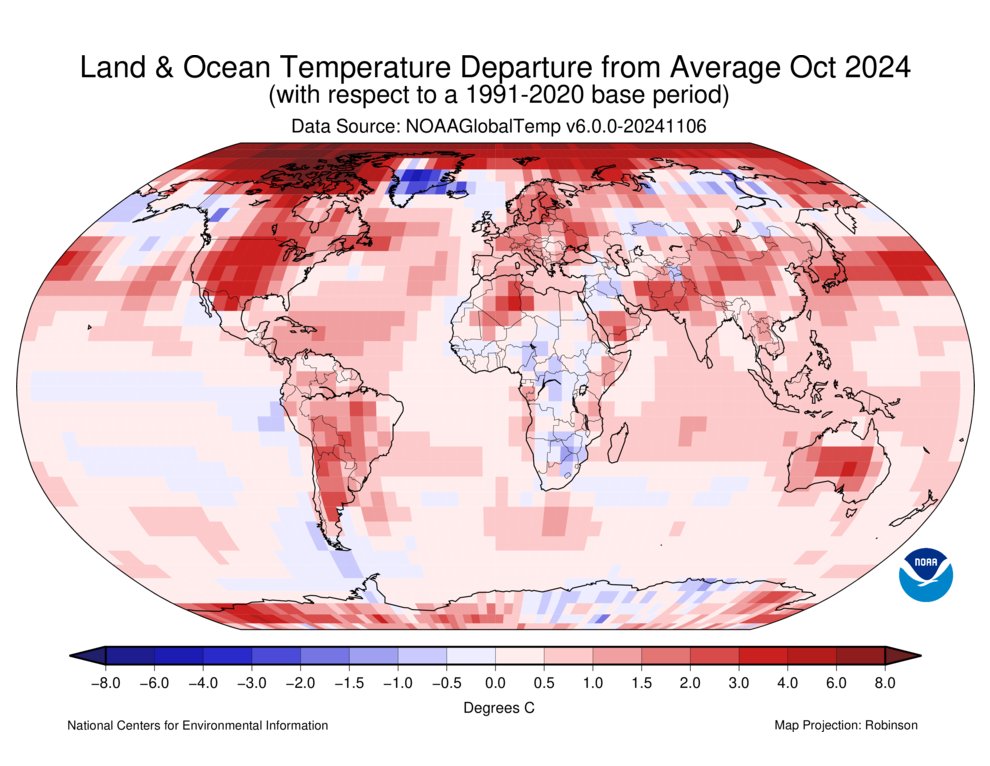
(1 of 5) JUST IN: The planet saw its 2nd-warmest October in 175-year record.
2024 on pace to be the world's warmest year on record.
https://t.co/aI3ye3IhK7
@NOAANCEI#StateOfClimate
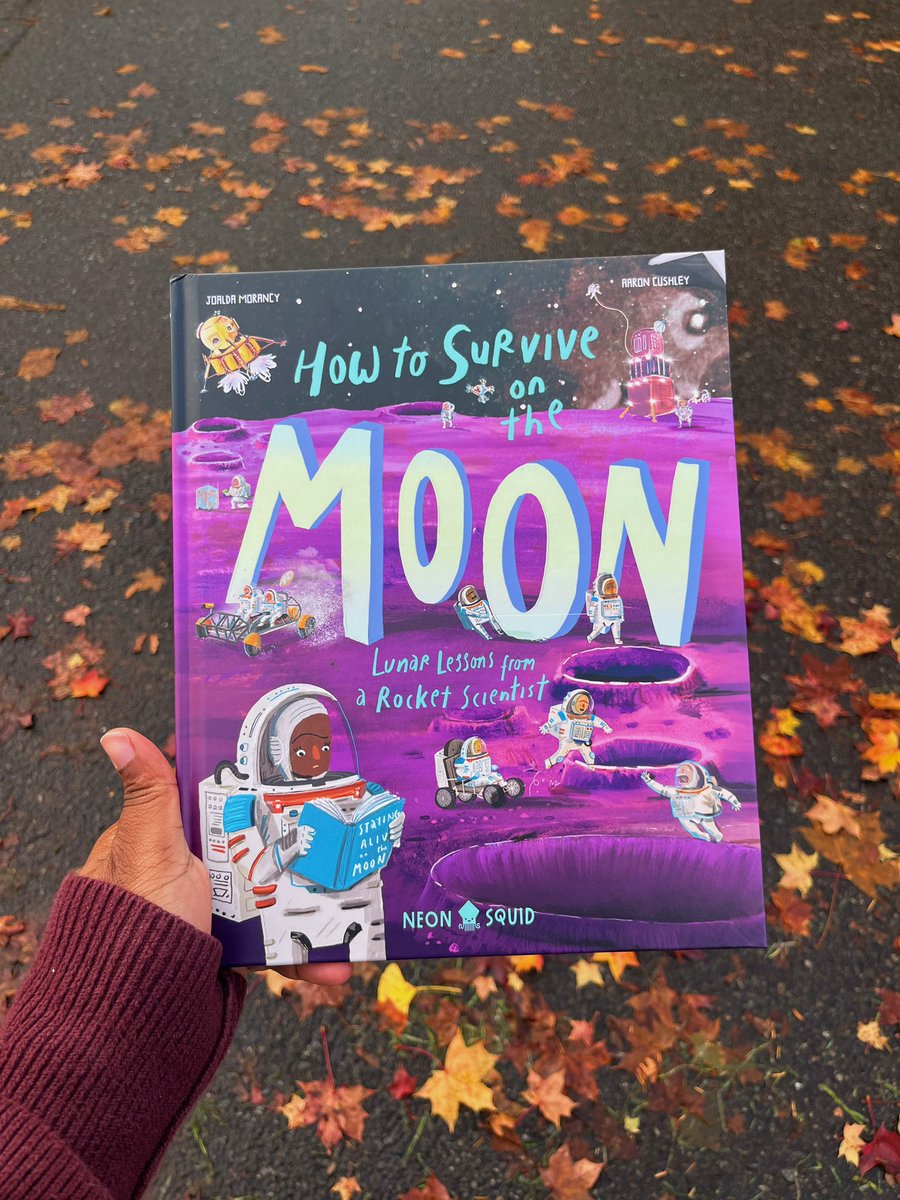
Life update! Now presenting “How to Survive on the Moon: Lunar Lessons from a Rocket Scientist”, a children’s nonfiction book written by me and illustrated by the amazingly talented Aaron Cushley.
It’s been such a wonderful time working with @neonsquidbooks for this second book!
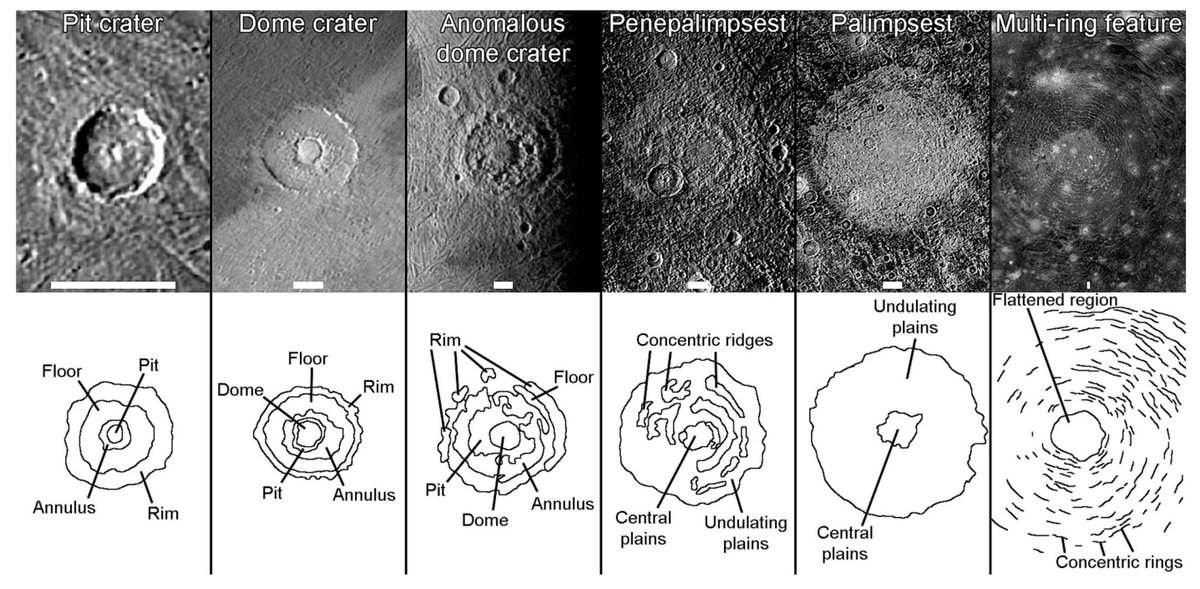
Our newest plot of the week shows a new classification scheme for large impact features on Ganymede and Callisto. Analysis shows that their shapes are governed by the evolution of a pocket of impact melt, and if they were large enough to penetrate through the icy shell. (1/2)
Please spread the word. In an effort led by Anna, VEXAG has collected and described available data and resources about Venus, hopefully in a way useful especially for new Venus researchers. Suggestions welcome. https://t.co/BpfypmxPpd
Clathrates: The Wonder Material That Keeps Saturn's Mysterious Moon Warm
A great article about our research in Arabic 🤩
"الكلثرات" المادة العجيبة التي تحفظ الدفء لقمر زحل الغامض
You can translate it with google 😉
https://t.co/owWqHiHIRF
A few years back in Yosemite there was a problem with bears getting into trash cans and ppl said ‘why not make the cans more complex?’ And a ranger said ‘bc there is significant overlap between the smartest bear and dumbest human’ and this election feels like that quote to me