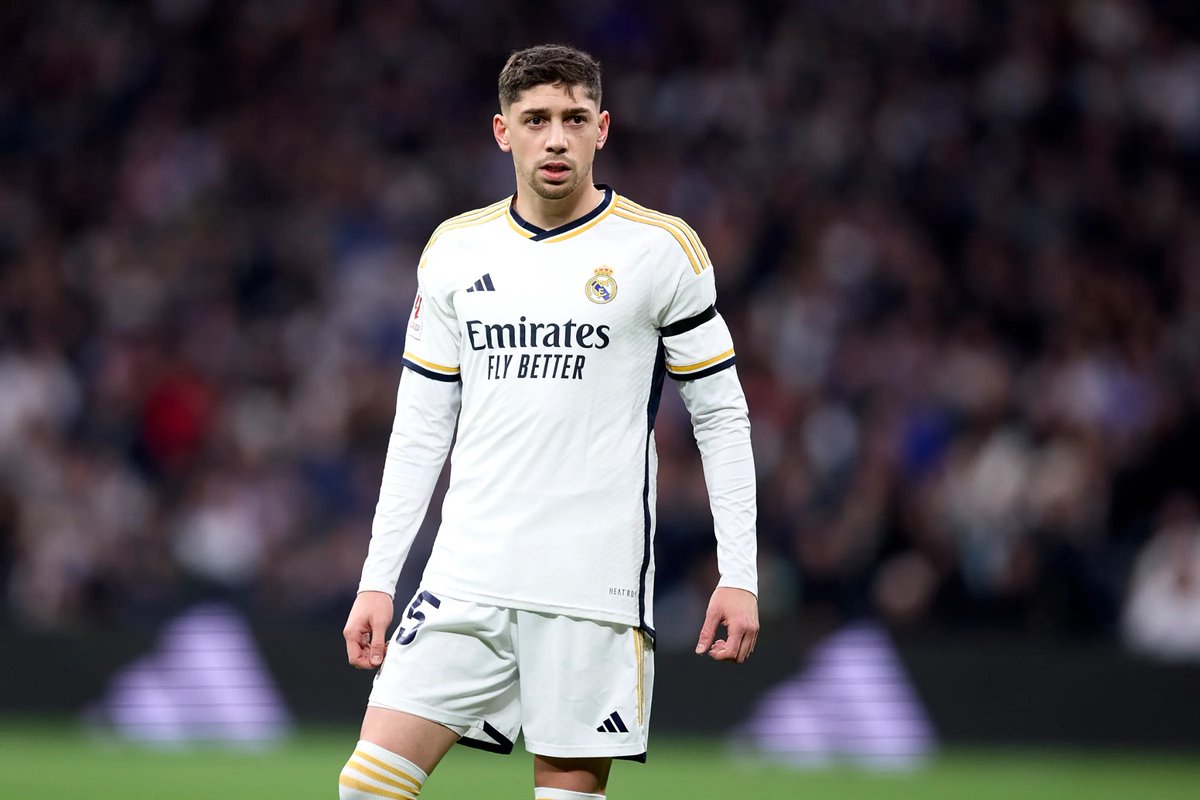
New in #EJPC⚽ As excitement builds for the upcoming FIFA World Cup, the randomized #MY3F study reminds us that football is more than a game.
In patients with CAD or prior MI, once-weekly football training improved fitness, blood pressure, weight, and depressive symptoms—supporting its role in secondary prevention. ❤️ https://t.co/B0AF1EDEJB
#CardiacRehabilitation #Prevention #WorldCup
@EJPCEiC@AboyansV@SilCastelletti@PTBuketAkinci@PeroneFrancesco@SMosteoru@TimKambic
@ICCPR_GlobalCR’s #GlobalCardiacRehabAudit Investigator Rachael Carson (PhD candidate) presenting global findings at CACPR 2026 Spring Conference on June 5th (poster viewing: 10:15-10:45am & 3:15-3:45pm local time) and June 6th (poster viewing: 10:35-11am local time) [Location: Carmichael/ Jackson]
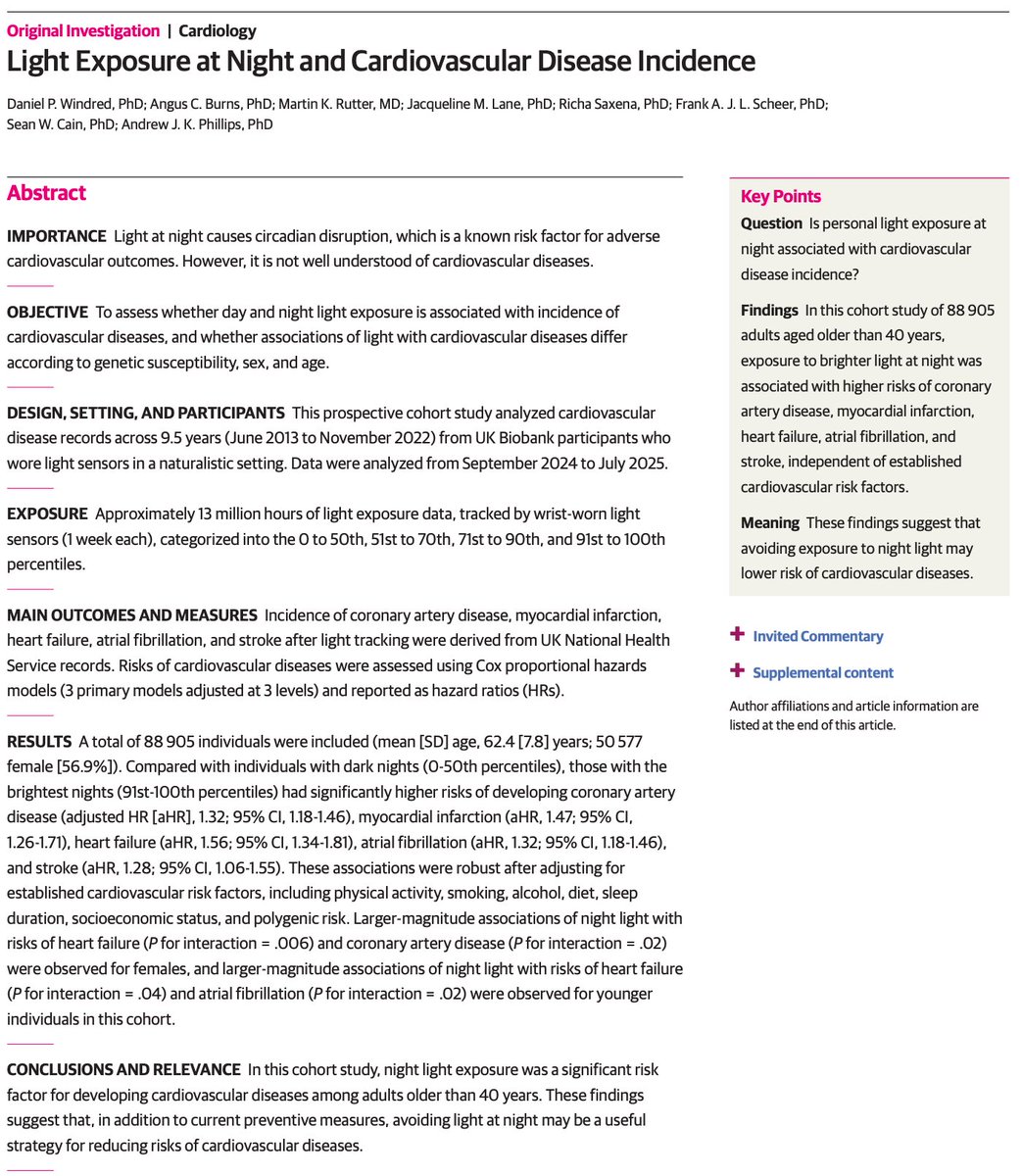
Light at night might be doing more than just disrupting sleep.
A cohort of 88,905 adults found the brightest nighttime light exposure was associated with a 47% higher heart attack risk.
What a story.
Freddie Woodman is 29 years old and, until a month ago, had made just two Premier League appearances in his entire career — both for Newcastle, six years ago. The years in between were spent drifting through second-division clubs and a spell in Scotland.
Liverpool signed him on a free in 2025 as their third-choice goalkeeper. Then injuries to Alisson and Mamardashvili changed everything. He made his Premier League debut last weekend and started again against Crystal Palace a few days later, producing five saves in a performance that turned heads.
At one point, cameras caught Alisson in the stands applauding one of the stops. At full time, Andy Robertson sought him out, put an arm around him, and urged the Anfield crowd to give him a round of applause.
Freddie felt every bit of it.
"I fulfilled a dream," he said after the match.
Your moment might take time. But it comes.
We are proud to celebrate Warner Mbuila Mampuya, a valued member of the ICCPR community, on receiving a distinction award from the Collège des médecins du Québec, recognizing his contributions to humanism in medicine.
Dr. Mampuya’s work reflects the very essence of patient-centred care - grounded in compassion, respect, and deep human connection. From supporting immigrant families navigating complex health systems, to leading impactful cardiac rehabilitation and cardio-oncology programs at CHU de Sherbrooke, his dedication continues to transform lives.
His global leadership is equally inspiring. Through screening initiatives for rheumatic heart disease in Senegal and his role coordinating the African cardiac rehabilitation network, he is advancing equitable access to care and strengthening capacity across regions. His commitment to mentorship and education - both in Canada and internationally - further amplifies his impact for generations to come.
Guided by the belief that medicine is both a science and a profoundly human endeavour, Dr. Mampuya exemplifies the values we strive to uphold at ICCPR.
Congratulations on this well-deserved recognition. We are honoured to have you as part of our global community.
https://t.co/ystbgbvb32
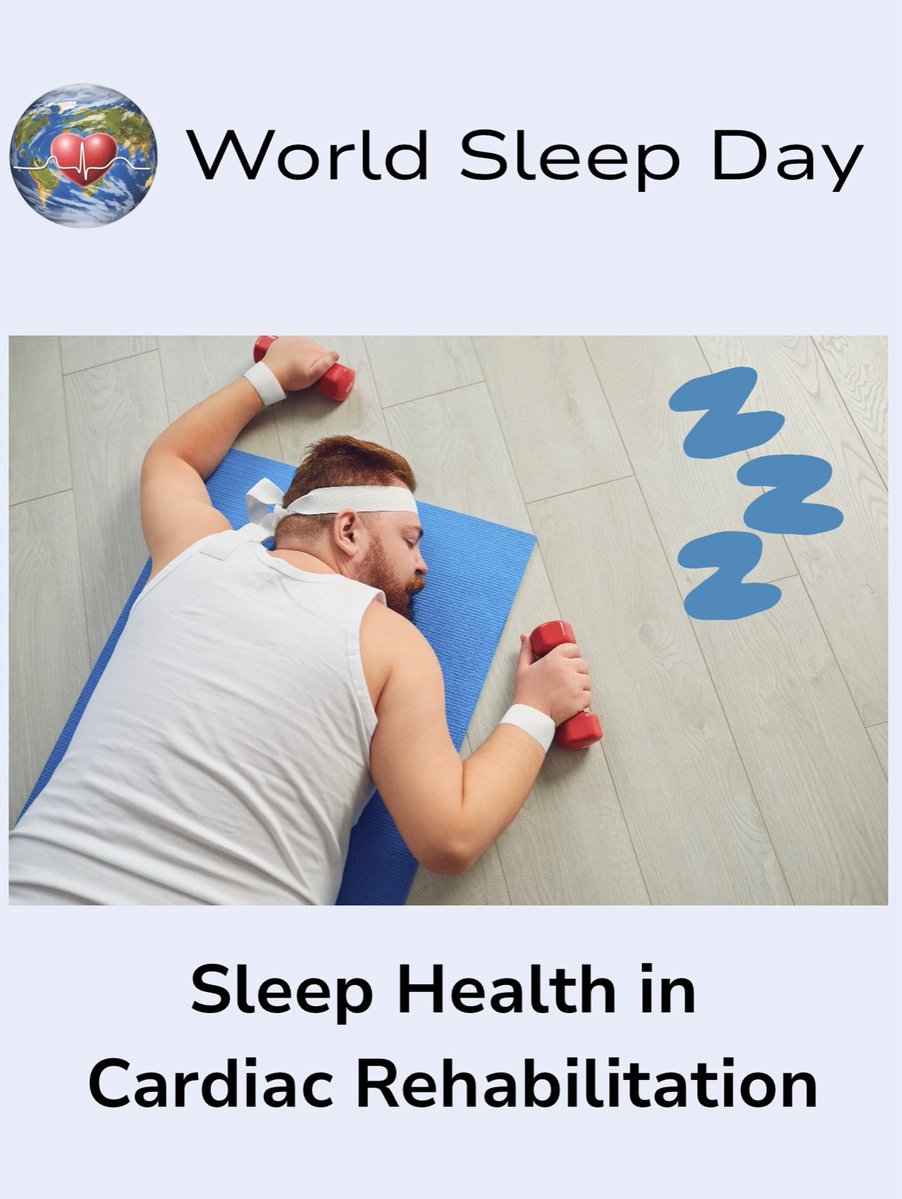
#Sleep matters for heart health 😴❤️🩹
Poor sleep isn’t just about feeling tired; it is associated with increased cardiovascular morbidity and mortality.
Sleep health is multidimensional, including:
🕒 Sleep timing and duration
🌙 Sleep quality
📅 Sleep regularity
🔄 Sleep continuity
Given the growing significance of sleep quality as both a primary and resultant comorbid risk factor for cardiovascular disease, sleep should be considered an independent lifestyle or psychosocial component of cardiac rehabilitation.
Sleep can be assessed using:
📋 Self-reported questionnaires (e.g., the Sleep Condition Indicator to screen for insomnia)
⌚ Objective measures such as accelerometry
Integrating sleep health into cardiac rehab programmes has the potential to improve outcomes across medical, psychosocial, and behavioural domains.
💬 How are you assessing sleep in your cardiac rehab centre? Let’s start the conversation!
📚 Sources and suggested reading:
Atef et al., 2025. European Journal of Preventive Cardiology; St-Onge MP et al., 2025. Circulation: Cardiovascular Quality and Outcomes.
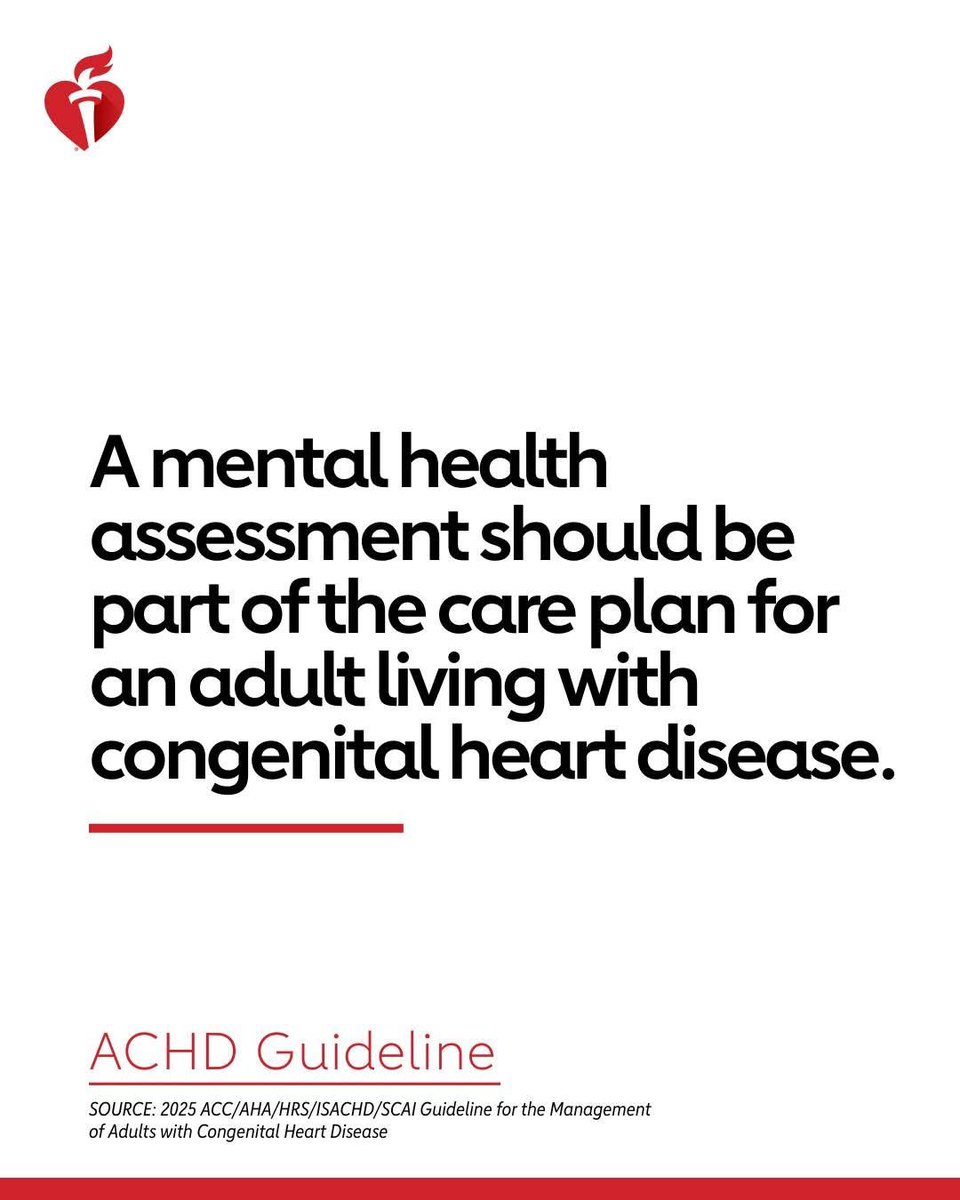
Mental health support is an essential part of overall care for adults living with congenital heart disease. Don’t hesitate to talk to your care team about mental health concerns, including depression, anxiety, post-traumatic stress, or thinking or memory problems.
New Cardiac Rehabilitation Guidelines Released! Updated recommendations from @IRehabilitation
emphasise critical role of CR in secondary prevention. Explore the key changes and what they mean for clinical practice👇
https://t.co/8k0kDGLnwT
#cardiacrehab#CRsaveslives#CRWeek2026
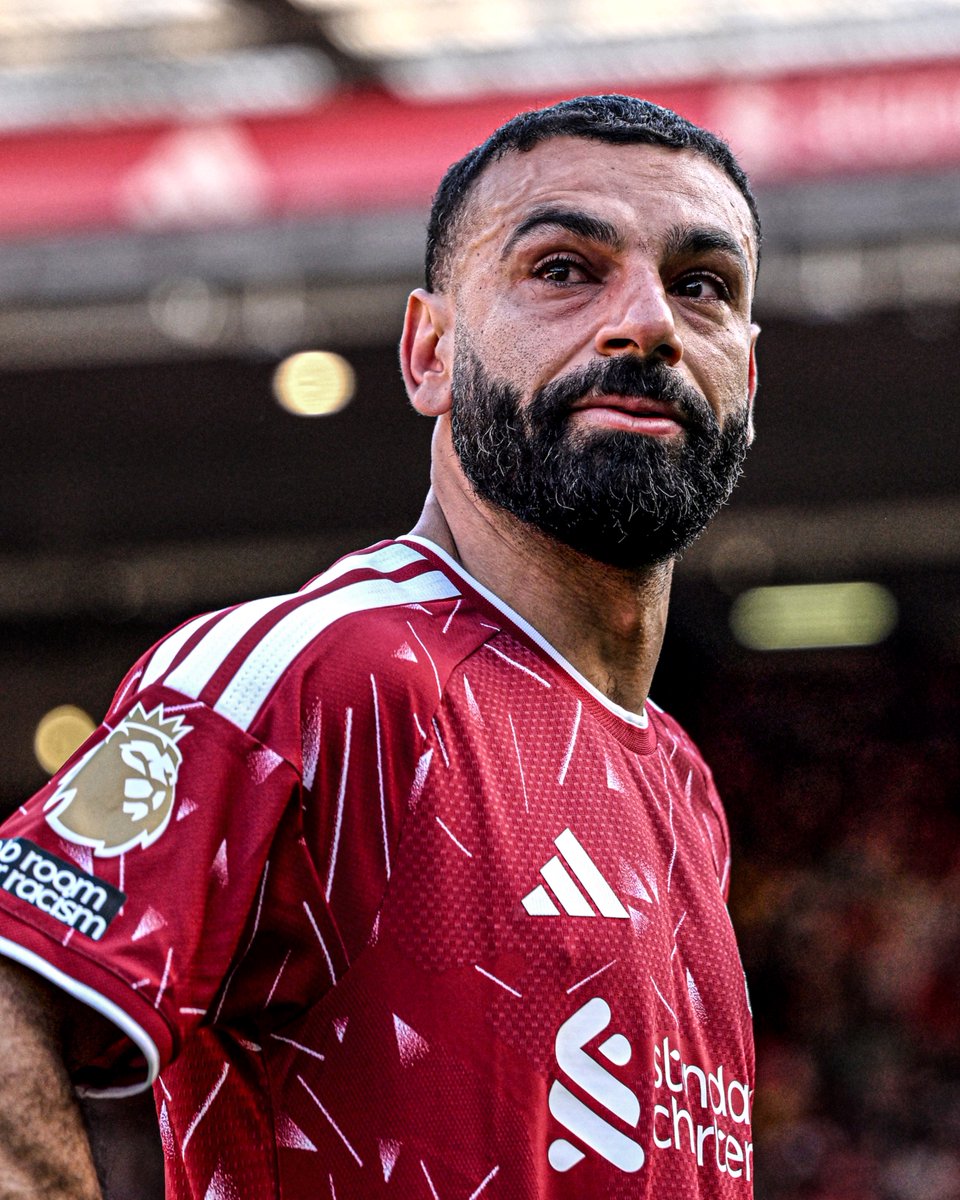
🗣️ Federico Valverde: "In Uruguay, things are just different. Hardship is in our blood. I don't like to say we were poor. I prefer to say my mom and dad were hustlers.
My dad worked as a security guard at the casino. My mom sold clothes and toys from a street cart at the flea market. I can still hear the sound of the wheels as she was pushing her huge shopping cart full of boxes down the street. It seemed like something only The Hulk could do, and it was just my poor little mum!
But she was a warrior, man. She was going to get that cart to the market — in the heat, the cold, the thunder.
I used to go along with her sometimes and sit on top of the boxes, watching the cars go by, without realizing her sacrifice. The worst part was that, at the end of a long day, you had to fold all the clothes and pack up everything again and push the f****** cart back home!
Then cook dinner! And wash my dirty socks!
Can you imagine? I'm telling you — my mother, she's my hero.
She worked from 8 a.m. to 7 p.m. and my dad worked 8 p.m. to 6 a.m. So you can do the math. We had one golden hour to sit together and eat our little piece of meat for the three of us. And what's incredible to me now, thinking back on everything, is that my mom always made sure that I had my Coke. Man, I was a little brat about my soda. In Spain or in America, it will seem like nothing to most people.
"It's just a Coke. It's almost free." But for me, it was more like champagne. What she sacrificed sometimes so I could have my can of Coke, I don't even know. I'm not sure I want to. As a kid, you're naive. You see your mom not eating a meal, and you think, "Oh, she's not hungry? That's weird.
I'm starving."
Looking back, you understand what she was doing. As long as we were together at the dinner table at the end of the day, that was her happiness."







![ICCPR_GlobalCR's tweet photo. @ICCPR_GlobalCR’s #GlobalCardiacRehabAudit Investigator Rachael Carson (PhD candidate) presenting global findings at CACPR 2026 Spring Conference on June 5th (poster viewing: 10:15-10:45am & 3:15-3:45pm local time) and June 6th (poster viewing: 10:35-11am local time) [Location: Carmichael/ Jackson]](https://pbs.twimg.com/media/HJ5l8yAWQAEpiA3.jpg)