Walruses are potentially exposed to paralytic shellfish toxin concentrations that impact their health during Alexandrium blooms in the Alaskan Arctic
https://t.co/2p9VEatp6G
Very proud to be a part of this important research! Read how algal toxins in bowhead whale poop collected over 19 years reveals more toxin in the Arctic food web as the ocean warms.
NEW PUBLICATION in @marinemammalogy: Saxitoxin Linked to Deaths of Northern Fur Seals in the Southeast Bering Sea
It's not easy to document these types of mortality events - great teamwork getting all parts of the story together!
https://t.co/bgSmwksf3T
My first publication from my Post doc at NWFSC looking at paralytic shellfish toxins in Alaskan Arctic clams!
Paralytic Shellfish Toxin Concentrations Measured in Alaskan Arctic Clams Using ELISA and HPLC Methods https://t.co/hRawrBnxoA #mdpitoxins via @Toxins_Mdpi
Excited to announce that I'll be starting as an Assistant Professor at Old Dominion University in January!
I am recruiting a graduate student for fall 2025 to study polar oceanography OR coastal systems using remote sensing, modeling, and observations. Please share widely!
Join us on February 9th to hear our Graduate speakers Brooke Morris and Kim Serno. The seminar will be held in BSB B.110 starting at 2:30 PM - see you there!
AP
This new #Toolbox article develops a method for measuring hormone levels in keratinous tissues in order to track reproductive events in moose.
Read it here: https://t.co/bqM7qYQ46j
#Hormones#Immunoassay#Wildlife
In Stellar 🦭sea lions, mothers balance foraging time with time spent nursing pups. This new article in #ConPhys compared fasting durations for sea lion pups from various subpopulations to identify drivers of these differences.
Article here👉https://t.co/cgH3nlb8EY
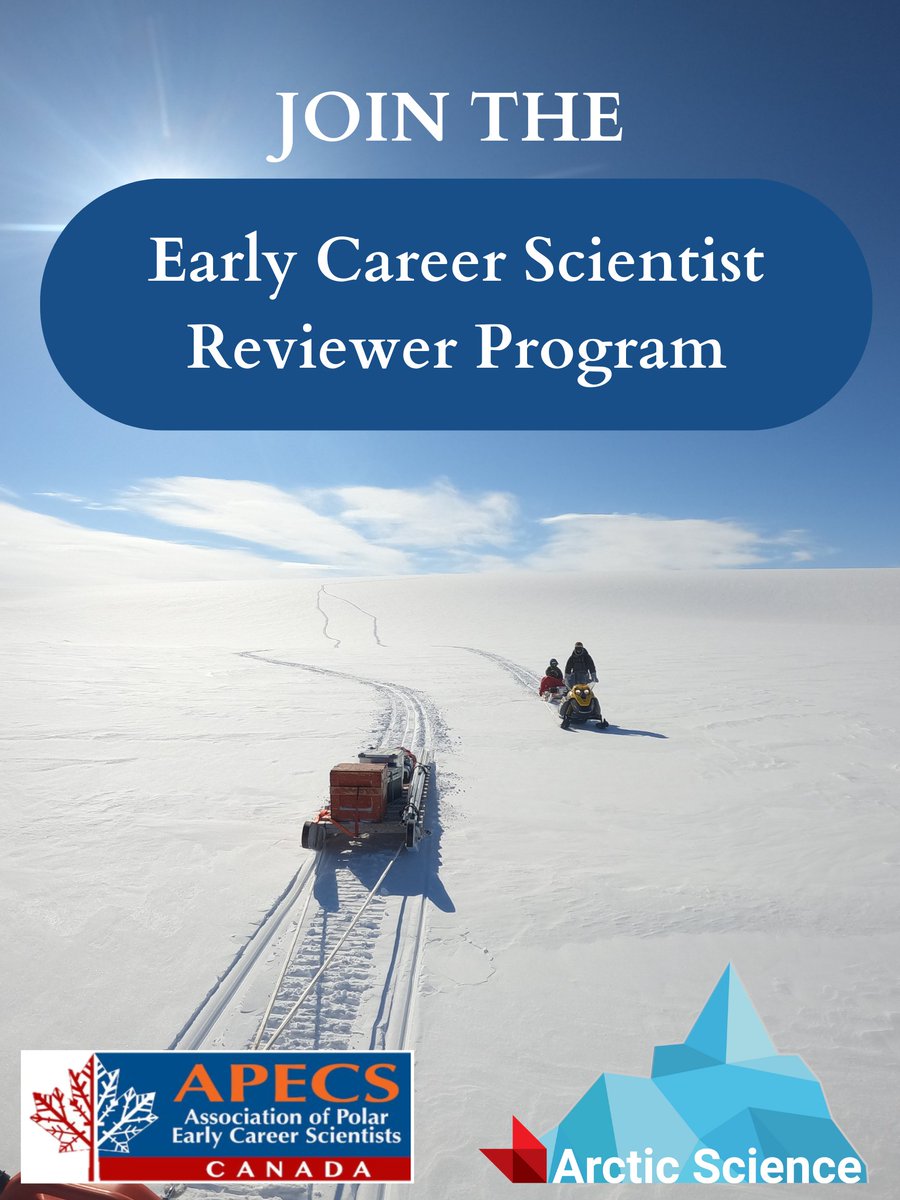
📣 New Partnership!
@ArcticScienceJ and @ehPECS are excited to announce the launch of the Early Career Scientist Reviewer Program, an initiative to nurture a community of skilled and knowledgeable #Polar reviewers.
Learn how to register at https://t.co/7pbNmpb5eG
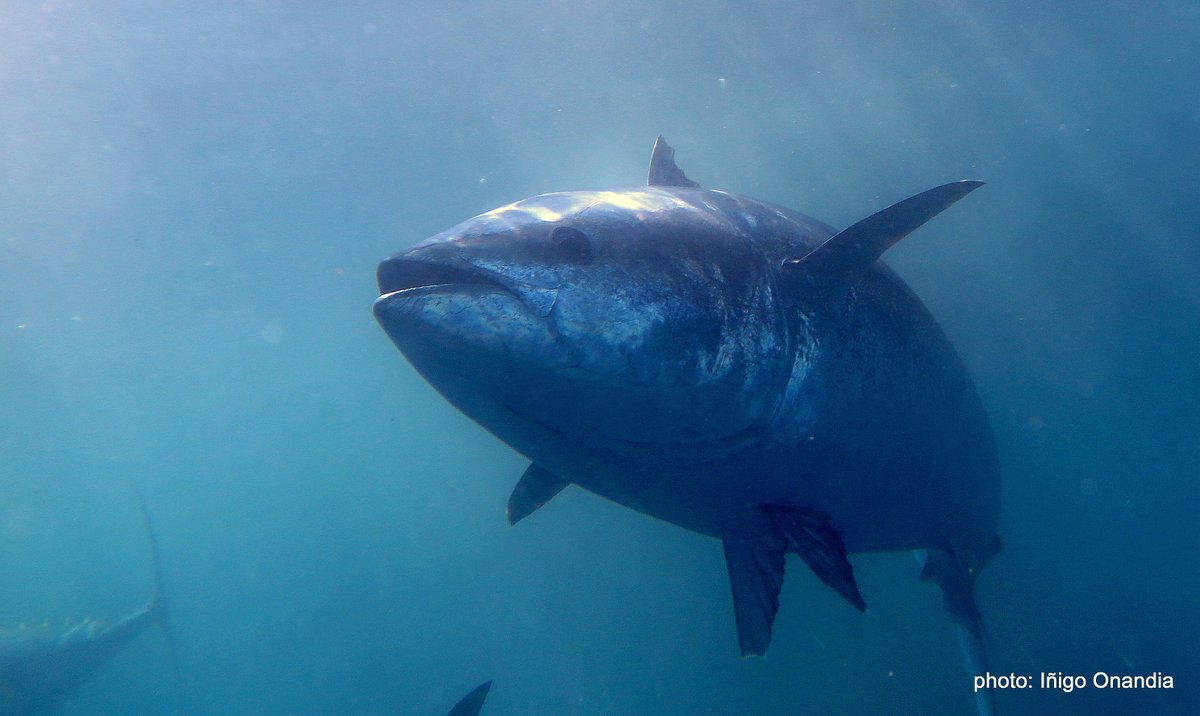
Can the effect of temperature on metabolism explain population trends of bluefin #tuna- and predict the future?
In a new paper we use a stable #isotope based proxy to measure thermal sensitivity of field metabolism in Atlantic BFT
https://t.co/gJt97YtaOH
#otolith#ecophysiology
New publication in @FrontMarineSci 🥳
Check out our new study measuring cortisol concentrations in the Antarctic apex predator, the leopard seal 🦭
@Sarah_S_Kienle
https://t.co/fcVzMDBAYF.
New Research: Large and in charge: cortisol levels vary with sex, diet, and body mass in an Antarctic predator, the leopard seal: Evaluating physiological responses in the context of a species’ life history, demographics, and ecology is… #MarineScience https://t.co/H1FFX2p50v
*New* in ICES Journal of Marine Science.
Using yelloweye rockfish opercula, we assessed environmental and ecological impacts on lifetime trends of female reproduction, stress, and stable isotopes! Open access here: https://t.co/iE9SyWUKL1
@ICES_ASC @OxfordJournals@OUPAcademic
Exciting news! We are hiring a postdoc with expertise in genetics/omics to join our #NSFfunded project on leopard seals! 🦭
The postdoc will be mentored by @carolewbonin@_HamptonU and be part of a diverse, fun group of researchers!
Please share! 👇
https://t.co/RvHv2FeNHE
For our #NSFfunded project, we want to learn 3 main things about #leopardseals and their ability to adapt (or adaptive capacity):
1. Where do they live?
2. Are populations in different areas genetically different?
3. Can seals change their ecology and physiology?
#takeoverNSF
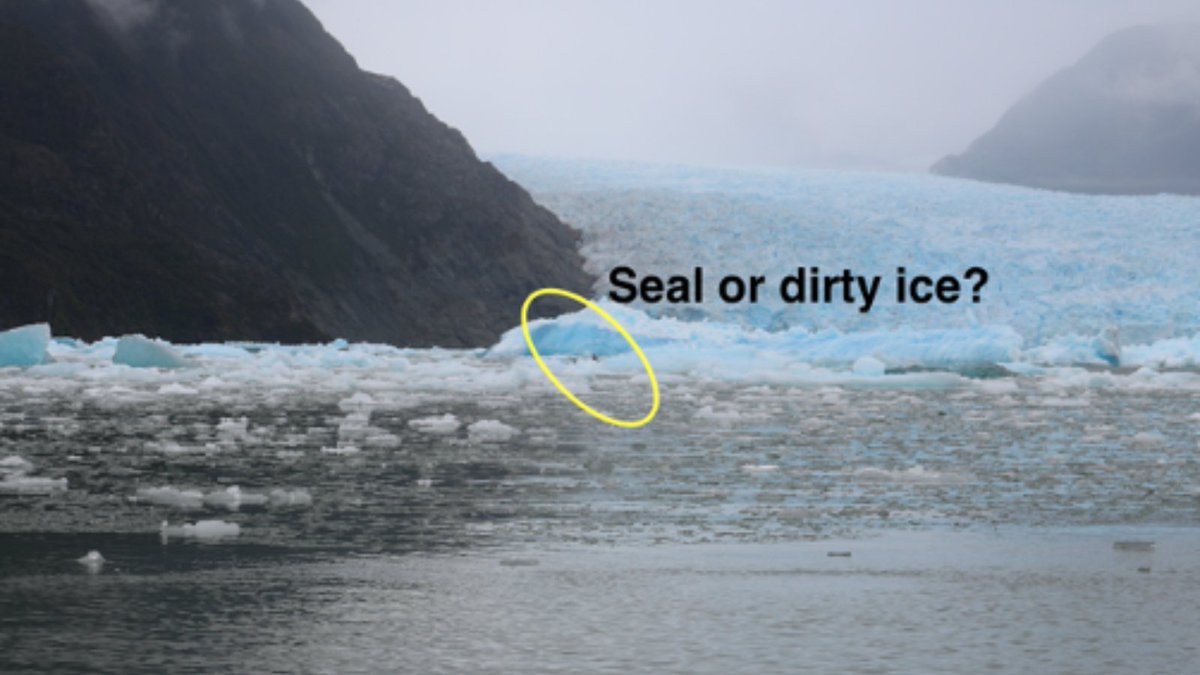
During our research trips, we first have to find #LepoSeals. Can you tell the difference between a leopard seal and dirty ice?
Don’t feel bad if you can’t. We had a really hard time too. #takeoverNSF
📷: @EmilySperou