Every $YOM settlement happens directly on-chain.
Not hidden behind a private team dashboard. Not buried in a quarterly report.
Public, verifiable, and open to anyone 24/7.
Running a node doesn't mean sacrificing your gaming rig.
You set the hours. You set the rules.
The second you want to play a game, it pauses
automatically. You stay in 100% control.
Friend: "I can't play, my PC can't handle it."
You: "Just open https://t.co/8UAYiEefS4"
Friend 10 seconds later: Playing Marvel Rivals on a 6-year-old laptop
Stop letting hardware hold your squad back.
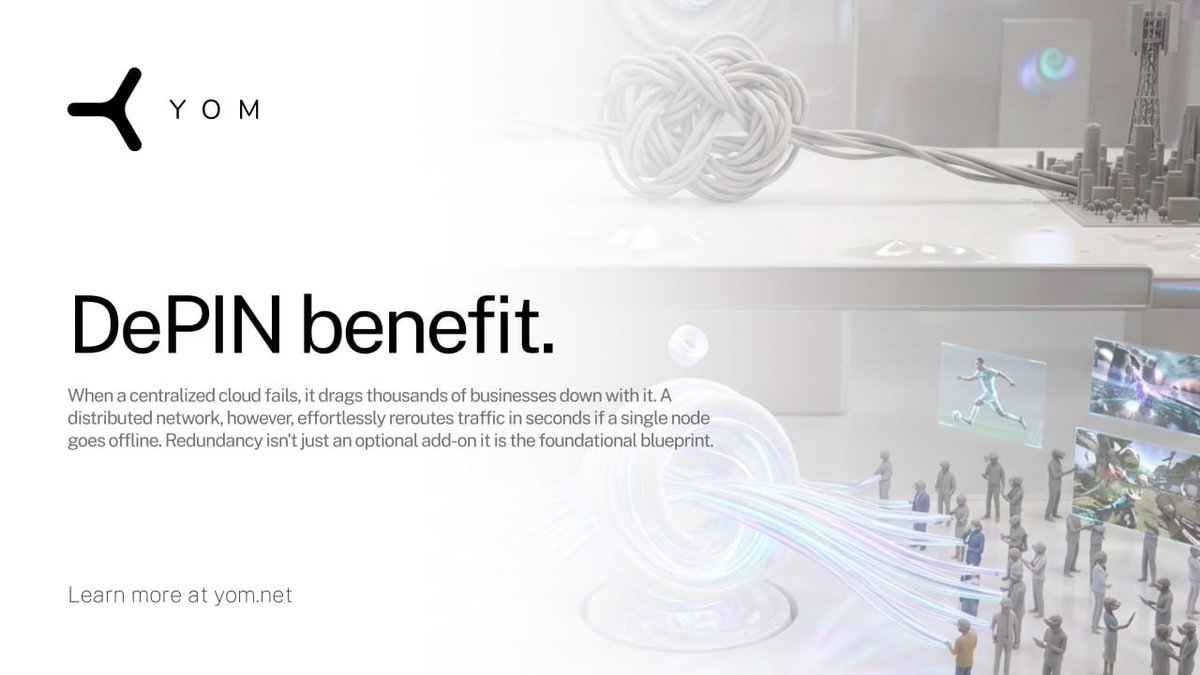
When a big cloud provider goes down, half the internet panics.
When a node goes offline on a distributed network, the task just hops to the next one instantly.
That’s not a backup plan that’s just how it’s built.
Marvel Rivals is officially LIVE on Walter
No 60GB download queue.
No waiting for installs.
Open browser ➔ Pick hero ➔ Start match.
This is what Walter was made for.
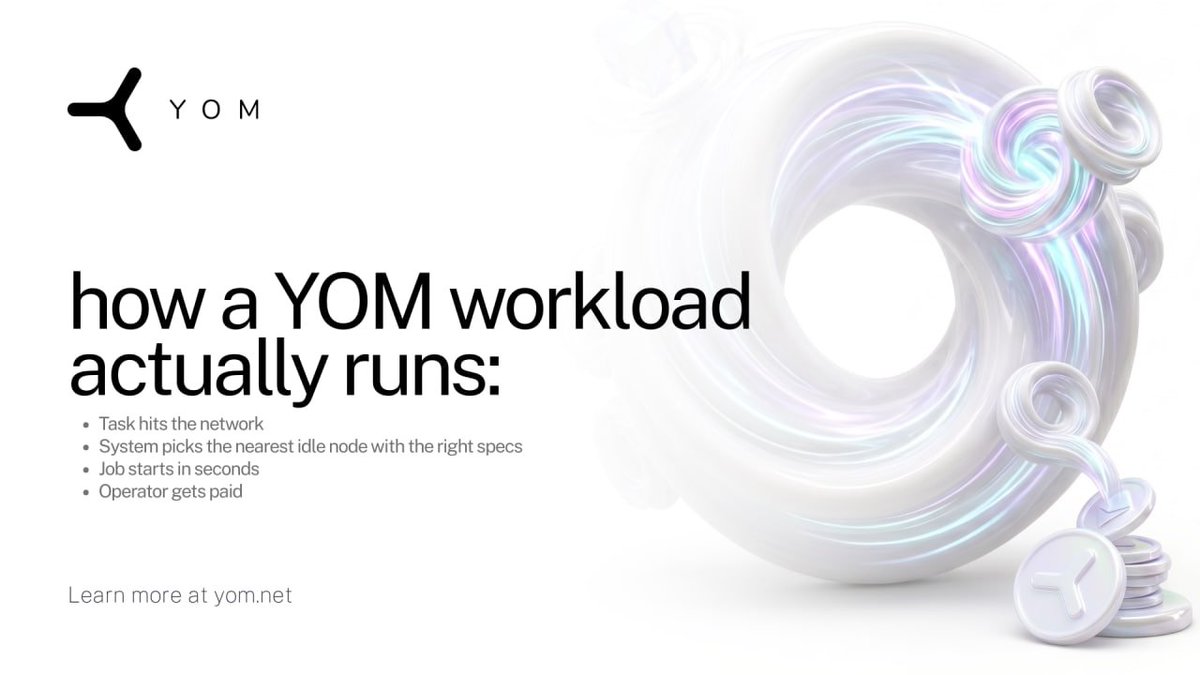
How a YOM workload actually runs:
Task hits the network
System picks the nearest idle node with the right specs
Job starts in seconds
Operator gets paid
No middleman. No waiting in queue. Just compute
meeting demand.
AI demand doubled this year. Data centers literally can’t keep up.
Meanwhile, millions of beast GPUs are sitting idle in gaming setups, fully ready to work.
The supply is already here. It’s just decentralized.
Every $YOM settlement happens directly on-chain.
Not hidden behind a private team dashboard.
Not buried in a quarterly report.
Public, verifiable, and open to anyone 24/7.
AWS goes down? Half the internet breaks.
A DePIN node goes offline? The network reroutes in 2 seconds.
No single point of failure. It’s built that way.