USS STARK (FFG-31): Thirty-Seven Men Who Never Came Home, The Persian Gulf, May 17, 1987. A quiet Sunday evening. The crew of USS Stark was going about routine business — no alerts, no alarms, no reason to expect the night was about to turn into a nightmare.
Then two Exocet missiles tore through her port side.
Stark was an Oliver Hazard Perry-class guided-missile frigate, part of the U.S. Navy's ongoing presence in the Gulf during the brutal Iran-Iraq War. American ships were there to protect neutral shipping — a mission that felt almost routine by that point. Almost.
At around 9:00 PM local time, an Iraqi Mirage F1 jet locked onto the frigate. The pilot fired one AM-39 Exocet. Then a second. Both hit.
The first missile punched through the hull without detonating — but the rocket fuel ignited, starting a catastrophic fire below decks. The second exploded. Directly into the crew's berthing quarters.
Thirty-seven American sailors died. Many of them never woke up.
What made the tragedy even harder to absorb was who had pulled the trigger.
Iraq — technically a country the U.S. was quietly tilting toward during the war. Baghdad called it a tragic mistake. The pilot claimed he never identified the ship as American. The Reagan administration, unwilling to jeopardize its strategic position in the Gulf, ultimately accepted the explanation.
Iraq paid $27.3 million in compensation to the victims' families.
No one was ever held criminally accountable.
Stark didn't sink. Her crew fought the fires for hours with extraordinary courage, saving the ship through sheer determination and seamanship. She was towed to Bahrain, then eventually sailed under her own power back to the United States for repairs.
She returned to service in 1988. Decommissioned in 1999.
But for the families of 37 men, no amount of repairs or diplomatic settlements could patch the hole left behind.
Grumman F-14A-140-GR Tomcat, BUNO 162702, US Navy, VF-84 Jolly Rogers, USS Theodore Roosevelt (CVN-71), Photo by Milslides (Kodachrome Slide)
This totally bodacious VF-84 Jolly Rogers F-14A Tomcat (BUNO 162702) served aboard USS Theodore Roosevelt. The aircraft was later written off (damaged beyond repair) on 5 June 1990 while with VF-41, with the crew surviving. Classic Jolly Rogers markings from the TR era — a true Fightertown USA legend!
🇯🇵 トムキャットチューズデー特別投稿!
日本の皆さん、このボディーシャスなJolly Rogers F-14Aはどうですか? USS Theodore Roosevelt時代にコメントください!
Who else remembers the VF-84 Jolly Rogers on TR or the sad loss of this jet in 1990? Drop your favorite Jolly Rogers or F-14 memory below! (Note: VF-103 later carried on the Jolly Rogers tradition)
#F14Tomcat #NavalAviation #TomcatTuesday #TacoTuesday #NavalMuseum #BringBackBodacious #JollyRogers #VF84 #NAFAtsugi #JapanesePlanespotters #Japanese #TomcatTuesdayInJapan #TopGunMovie #TopGunMaverick #TopGunDays #TopGunDay #TOPGUN3
German Dornier Do X flying boat lumbers into the air powered by twelve Curtiss V-1570 "Conqueror" V-12 engines
The type was the largest, heaviest, and most powerful flying boat ever built at the time of its first flight in 1929
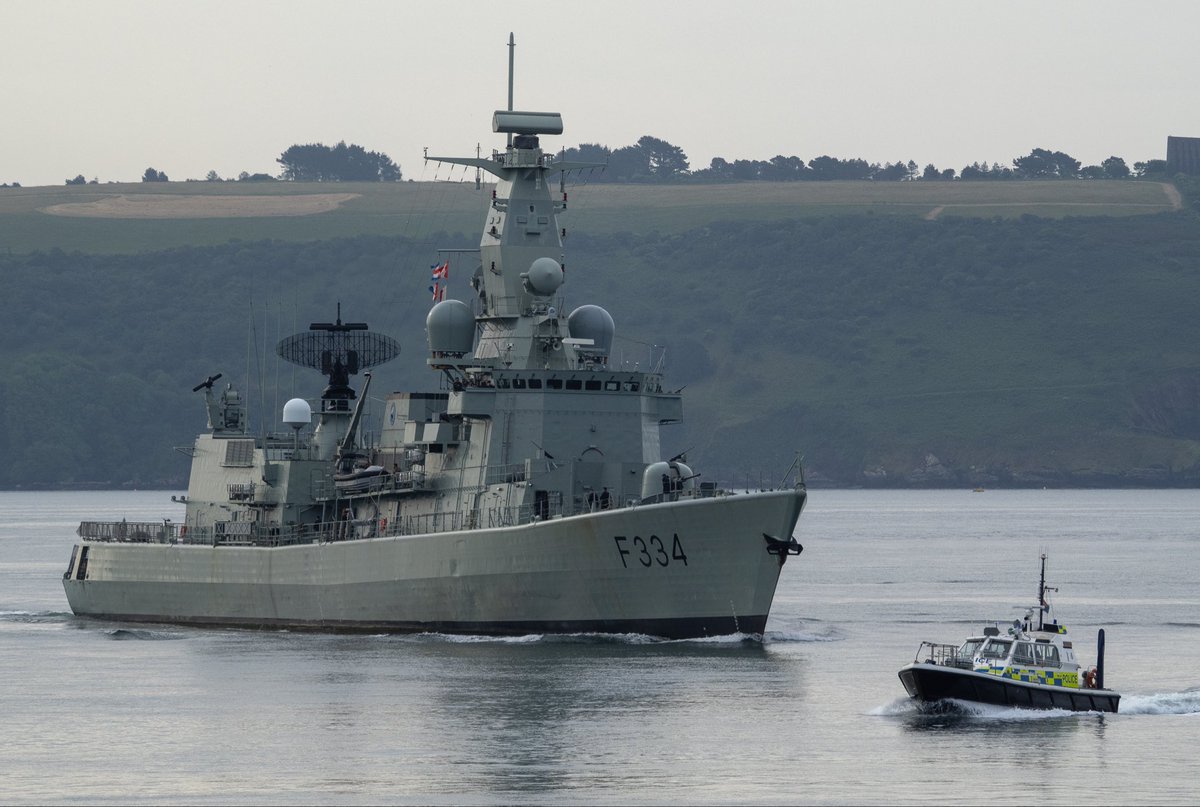
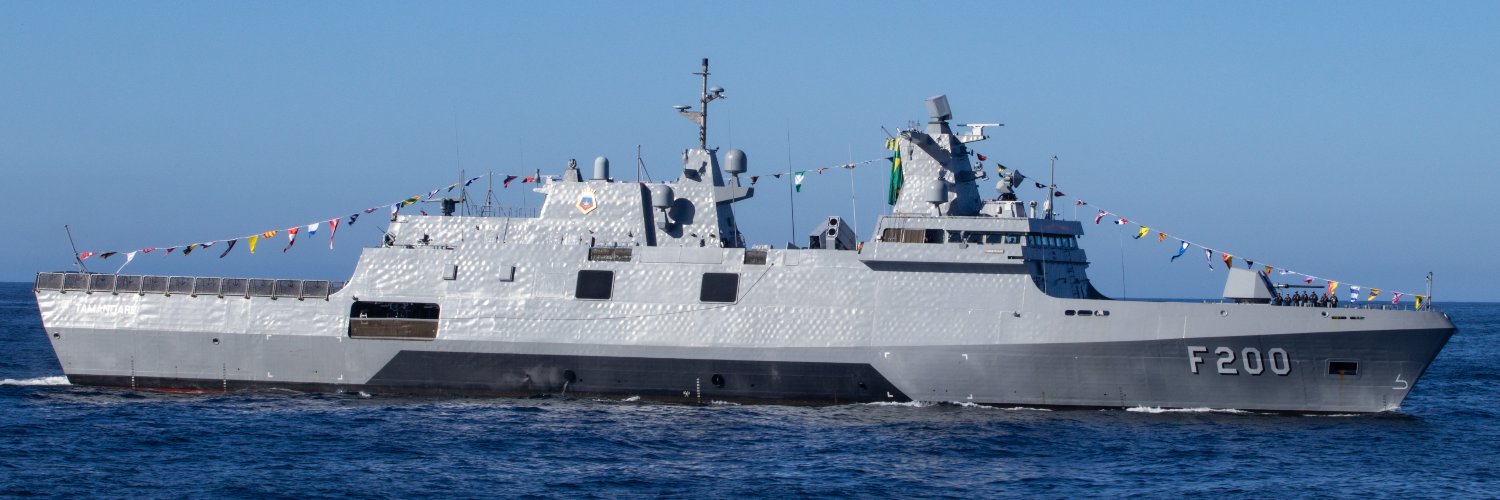
It's appalling that there are more ex-@RoyalNavy frigates serving in foreign navies than in the Royal Navy.
There are also more @RoyaNavy frigates awaiting disposal than are serving.
The first of 3 arrivals into @HMNBDevonport this morning, NRP D.Francisco de Alemida of @MarinhaPT arriving quite a few hours earlier then scheduled on a nice calm, but cloudy morning over the sound!