Politiques de la terre: à l'épreuve de l'Anthropocène is an interdisciplinary research program led by #USPC#scpo
To jointly think the Earth and the World
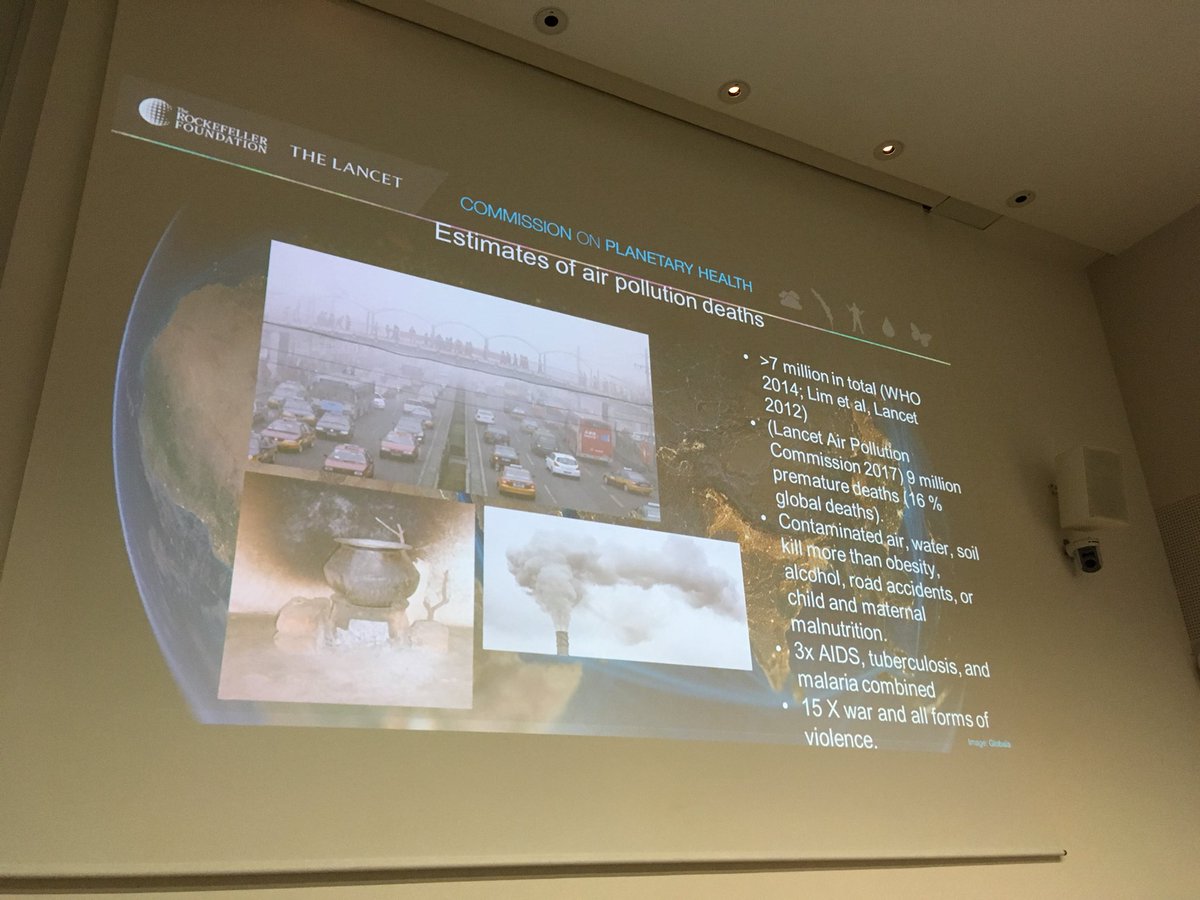
Selina Lo from @TheLancet outlines the figures of mortality induced by environmental degradation. It’s staggering. Every year, pollution kills 3 x more people than AIDS, malaria and TB combined. #PolEarthconference
The risk assessment questions is a question of trust - who is gonna be in charge of responses when surprises happen ? Brian Wynne @polearth international conference
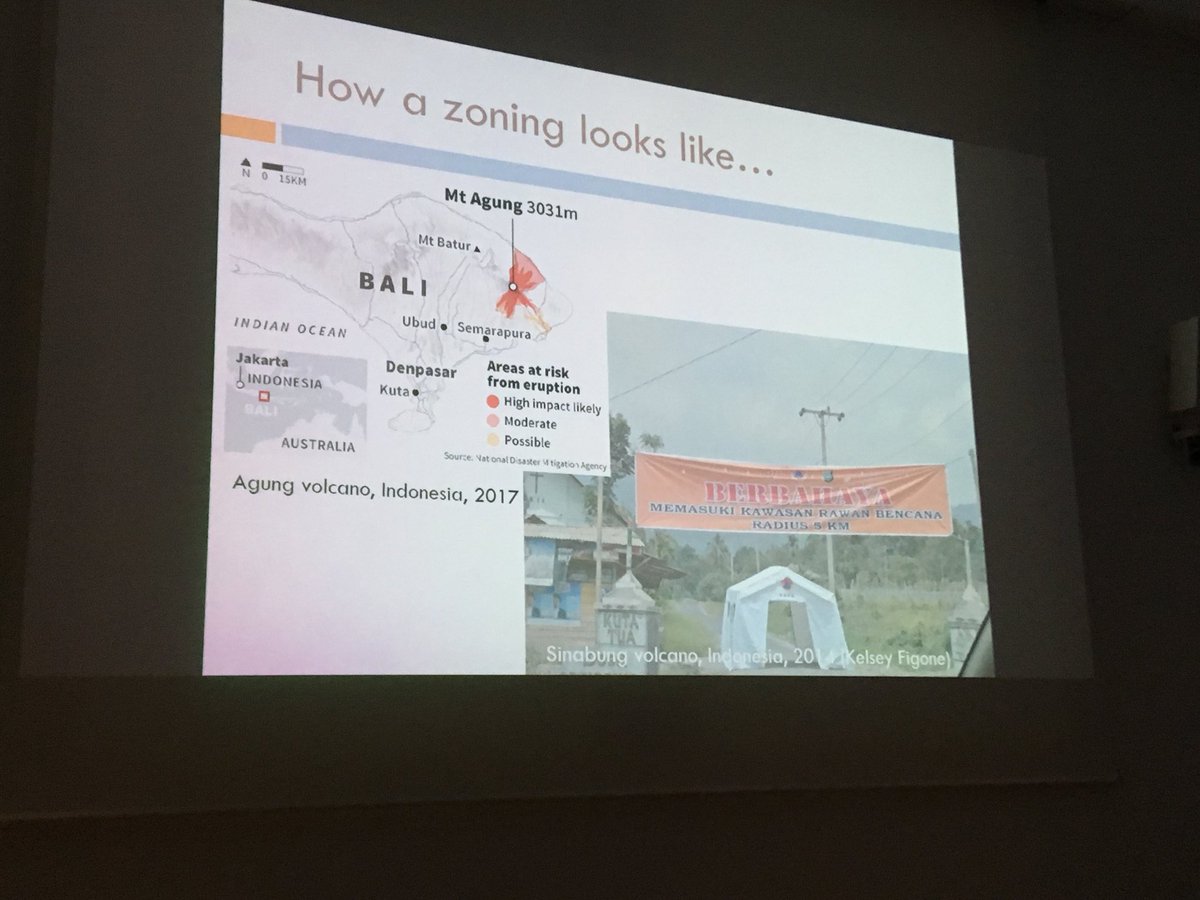
Politics of zoning: similar challenges for nuclear radiation and volcano eruptions. What is arbitrary, and what is absurd? Where are the borders of danger? Essential questions by @LeikoHasegawa and Edouard Kaminski @IPGP_officiel. #PolEarthconference
The picture is bad but the talk is great: Bruno Latour, Jérôme Gaillardet and Alexandra Arènes introduce the concept of critical zones, which can help us te-think Politics of the Earth beyond disciplines. #PolEarthconference
#PolEarthconference : Ch. Mauch from Carson Centre, V. Galaz from Stockholm Resilience Centre, T. Ribera from IDDRI and N. Arnaud from CNRS explain how they make research on Politics of the Earth work in their respective institutions.
Confidence in institutions has been lost, many societies seem to be divided. This should bring us to the question of a #justtransition, to think about those who fear that they have the most to lose @Teresaribera@polearth
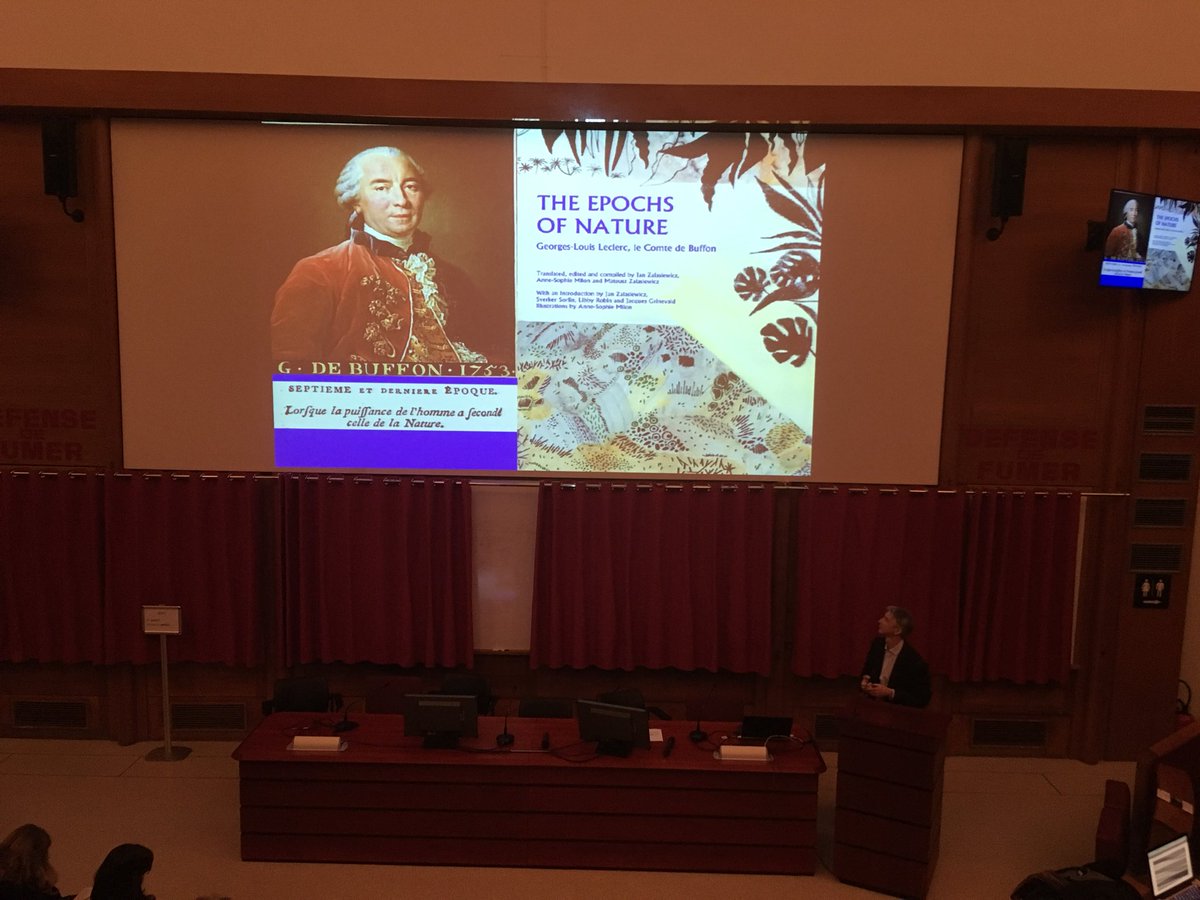
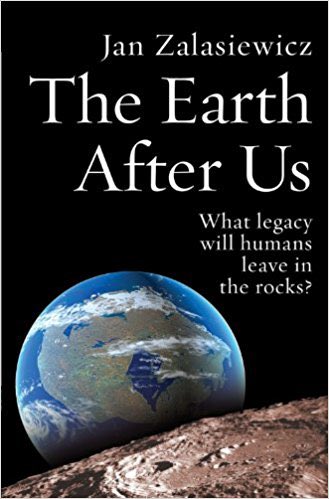
Aujourd’hui à 17.30 : ne ratez pas la conférence de Jan Zalasiewicz, président de la commission internationale sur l’Anthropocène, à l’Université Paris Descartes (12 rue de l’Ecole de Médecine, 75006).
Great talk by Christoph Mauch from @CarsonCenter at @polearth conference underlining the need for more environnemental research initiatives (in France amongst other countries!)
Bruno Latour delivers keynote address to Politics of the Earth conference: ‘The trickling down of economics doesn’t work, but the trickling down of epistemology doesn’t work either.’