Why are ラ (ra), リ (ri), ル (ru), レ (re) and ロ (ro) sometimes used for the /l/ sound? Video tutor Suuki from 🇯🇵 #Japan explains! #learnJapanese#japaneseTeacher#japanese https://t.co/ad2hCCWHzG
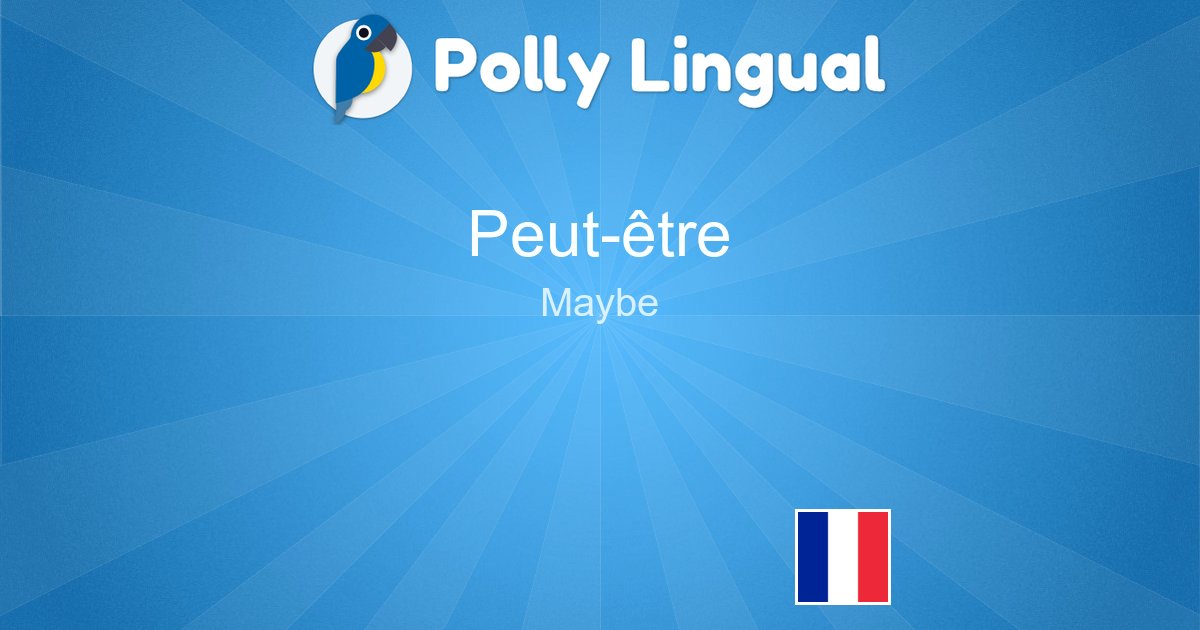
🇫🇷 #French Word of the Day:
Peut-être
Tal vez / Quizas / quizás 🇪🇸
Maybe / maybe 🇬🇧
vielleicht 🇩🇪
talvez 🇵🇹
#learnFrench#WordOfTheDay https://t.co/N3xZyGrbgR
🇮🇱 #Hebrew Word of the Day:
לַּיְלָה טוֹב (laila tov)
Bonne nuit 🇫🇷
Buenas noches 🇪🇸
Good Night 🇬🇧
Gute Nacht 🇩🇪
Boa noite 🇵🇹
#learnHebrew#WordOfTheDay https://t.co/ecK5GTUkO1
🇵🇹 #Portuguese Word of the Day:
dez
dix 🇫🇷
diez 🇪🇸
ten 🇬🇧
dieci 🇮🇹
zehn 🇩🇪
Example:
São dez em ponto.
It's ten o'clock sharp.
#learnPortuguese#WordOfTheDay https://t.co/b0nqUguA05
🇪🇸 #Spanish Word of the Day:
¿Qué onda?
Qu'est-ce que tu racontes ? 🇫🇷
What's up? / What's goin' on? 🇬🇧
Come va? 🇮🇹
Was gibt`s? 🇩🇪
E aí? 🇵🇹
#learnSpanish#WordOfTheDay https://t.co/EBHcqcFxib
Deutsch, Dutch, Niederländer, Aleman, German. Where do all these words come from and what nationality do they refer to? German video tutor Nayane explains 🇩🇪🇳🇱 #learnGerman#learnDutch https://t.co/wDtpwNsxVi
🇪🇸 #Spanish Word of the Day:
trabajar
travailler 🇫🇷
to work 🇬🇧
lavorare 🇮🇹
arbeiten 🇩🇪
trabalhar 🇵🇹
Example:
Me gustaría trabajar por esa empresa.
I would like to work for that company.
#learnSpanish#WordOfTheDay https://t.co/GxDKG9J8q2
🇪🇸 #Spanish Word of the Day:
comer
manger 🇫🇷
to eat 🇬🇧
mangiare 🇮🇹
essen 🇩🇪
comer 🇵🇹
Example:
¿Qué quiere comer?
What would you like to eat?
#learnSpanish#WordOfTheDay https://t.co/mrYmlLei3I