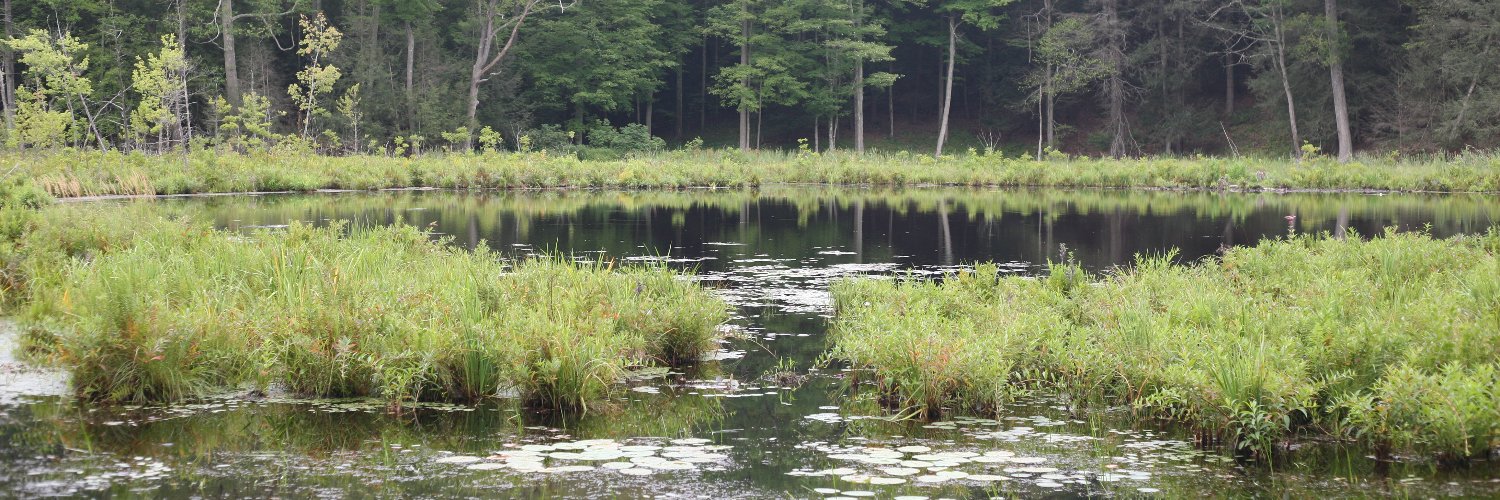
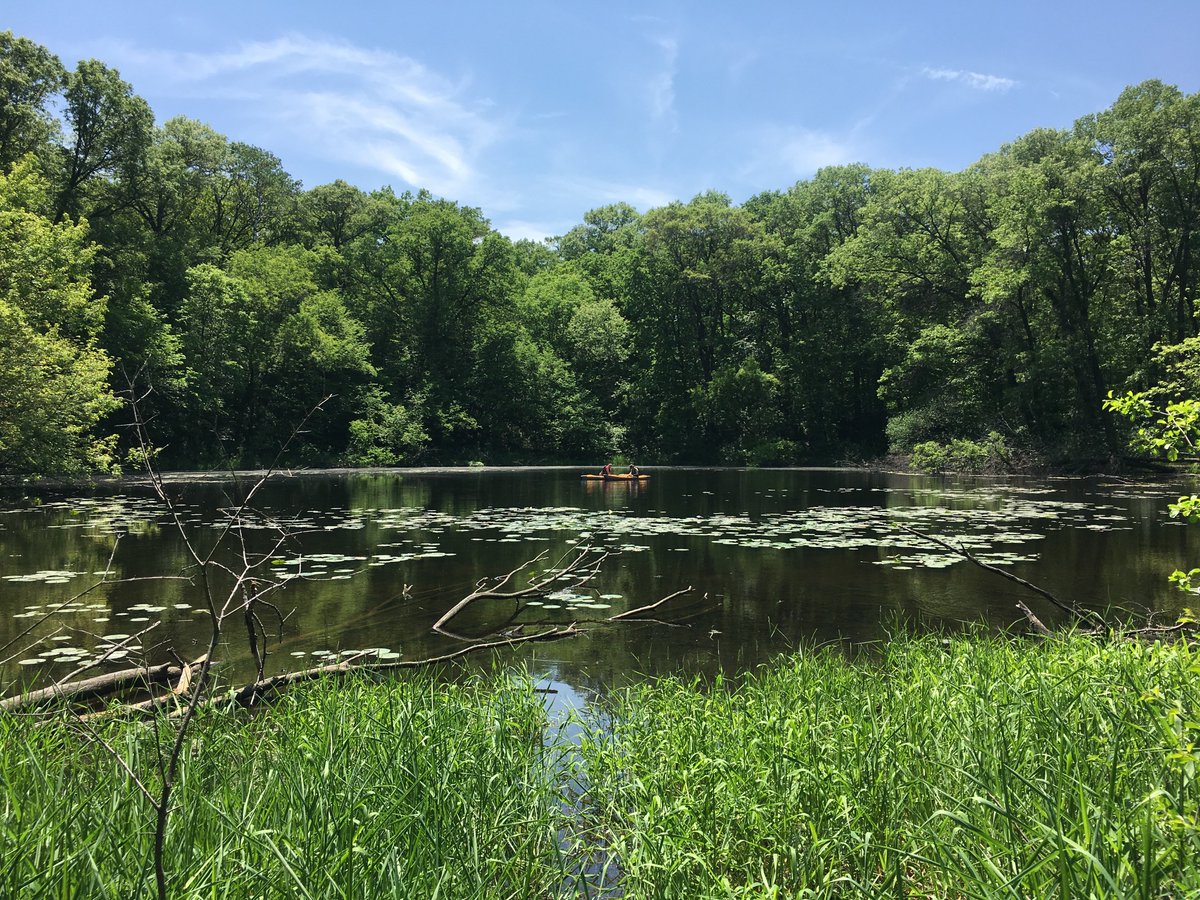
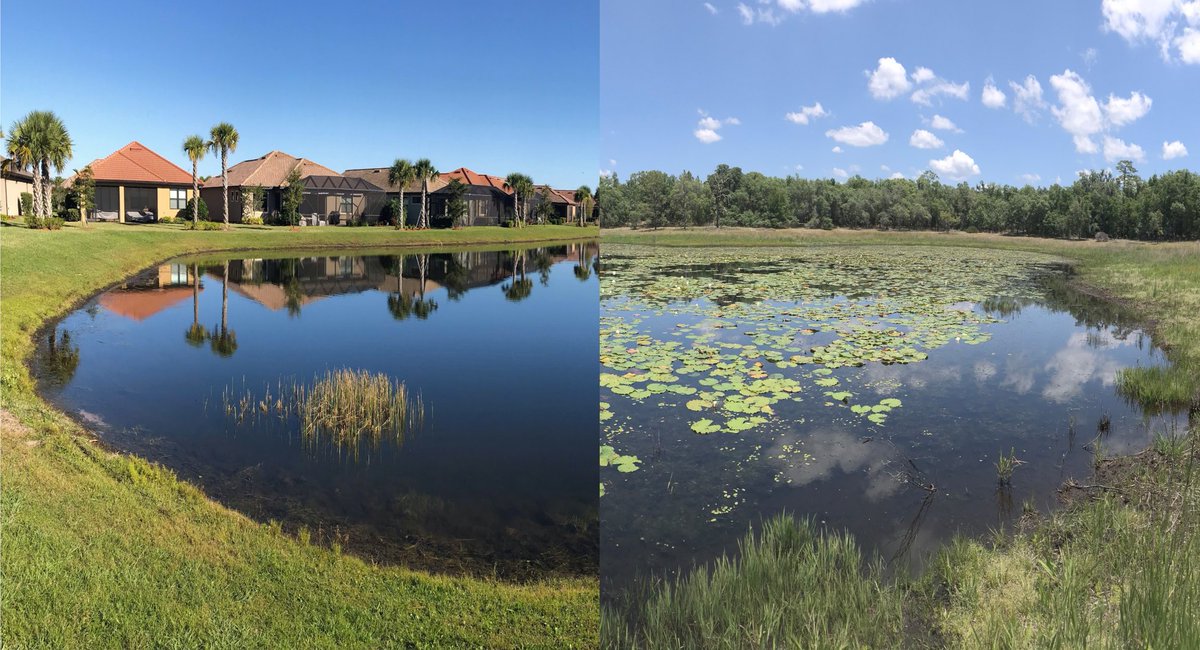
New pub alert #AGUPubs! Small, shallow waterbodies are among the most productive freshwater ecosystems on the planet! In this @GLEONetwork#ponding collaboration, we examined ecosystem metabolism in 26 shallow waterbodies in N. America and Europe. https://t.co/cigbRYCD9f
(1/4)
🌟🏆🌟 Each year, #ASLO proudly honors our Fellows and Sustaining Fellows for their incredible contributions to #aquaticscience! Our members are the driving force behind our mission to advance limnology and oceanography. Thank you for your dedication and service! Together, we continue to foster an international community, create knowledge, and promote scientific stewardship.
Get inspired: https://t.co/K927V6RaqK
#ASLOFellows #Limnology #Oceanography #MarineScience
@closburn @mindym1101 @pondscience@IanH77@MBLScience@MicrobialPlanet@TonyaDelSontro @hamdanlab @fcelter@USLTER @fsu_stukel_lab @mark_scheuerell @rutgers_rucool
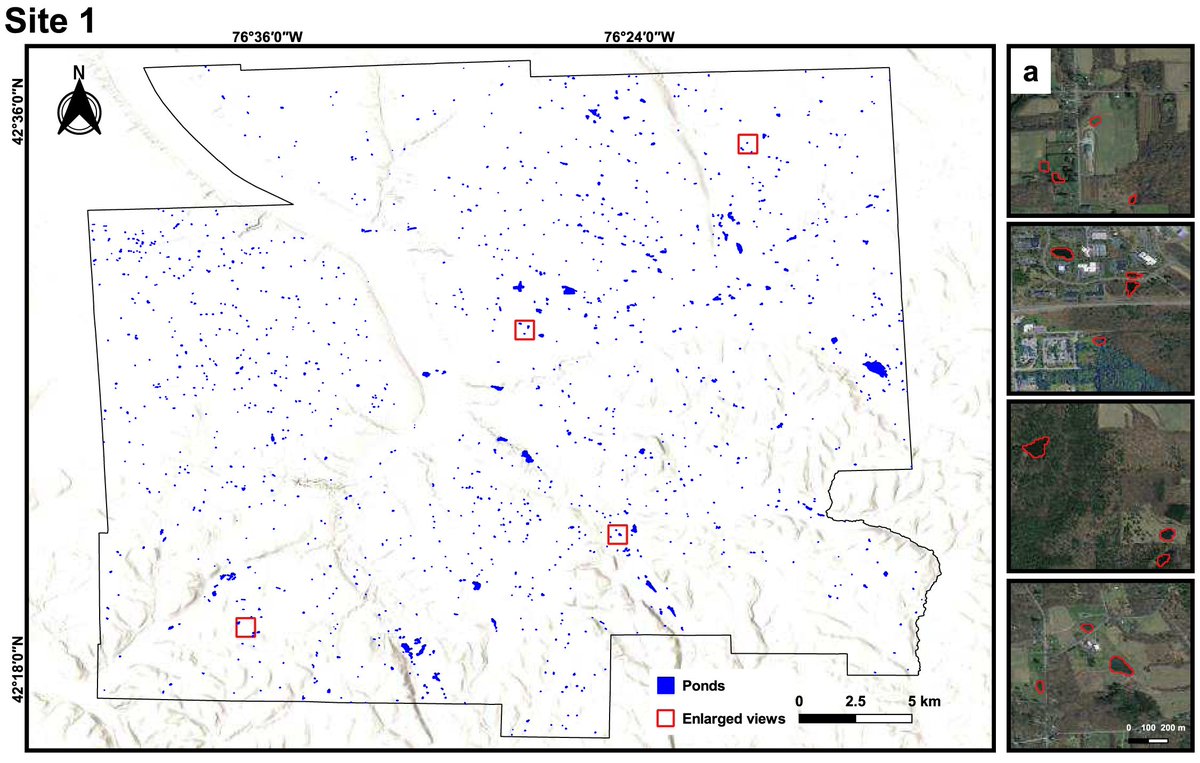
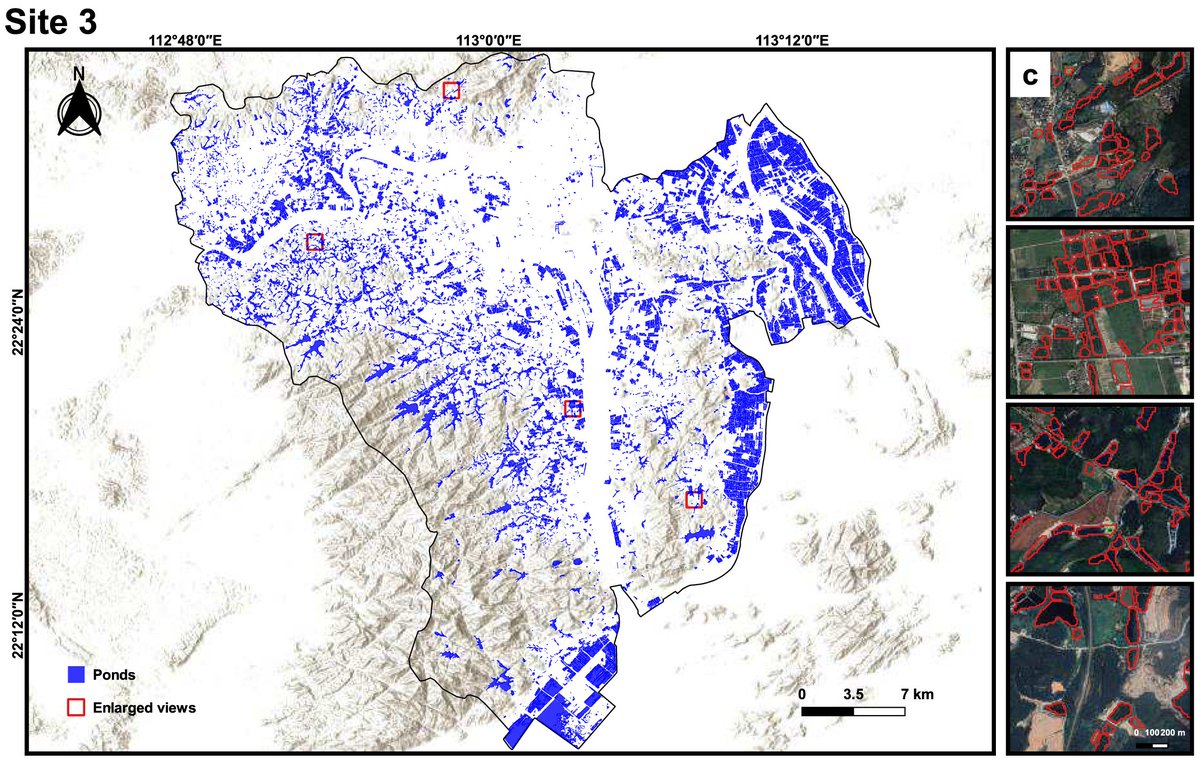
I'm so excited to share some of our new work mapping ponds! PhD student Denghong's remote sensing skills are enviable :) Now he's working on mapping ponds throughout NYS. Stay tuned!
New scalable method to accurately detect small (yet important) water bodies down to 0.1ha with spectral-temporal-spatial features of Sentinel-1/2 data. Check out our fresh #RSE paper https://t.co/Kr8NN1tpCQ with @SheelBansal@pondscience and Xiaolin Zhu's lab at HK PolyU.
Do you have results related to lake mixing to share at the @aslo_org Aquatic Sciences Meeting? Join @pondscience @mindym1101 @LienneSethna and me in "SS07: Ecological impacts of infrequent water column mixing events" Deadline extended to 10/28! https://t.co/DQraVCYsVW
@GLEONetwork Our study provides more evidence that ponds are truly biogeochemical hotspots! This work was such a fun collaboration years in the making. @JoeRabaey @DRichardsonLab @jbcotner @EvoEcoEric and many more not on here!
(4/4)
New pub alert #AGUPubs! Small, shallow waterbodies are among the most productive freshwater ecosystems on the planet! In this @GLEONetwork#ponding collaboration, we examined ecosystem metabolism in 26 shallow waterbodies in N. America and Europe. https://t.co/cigbRYCD9f
(1/4)
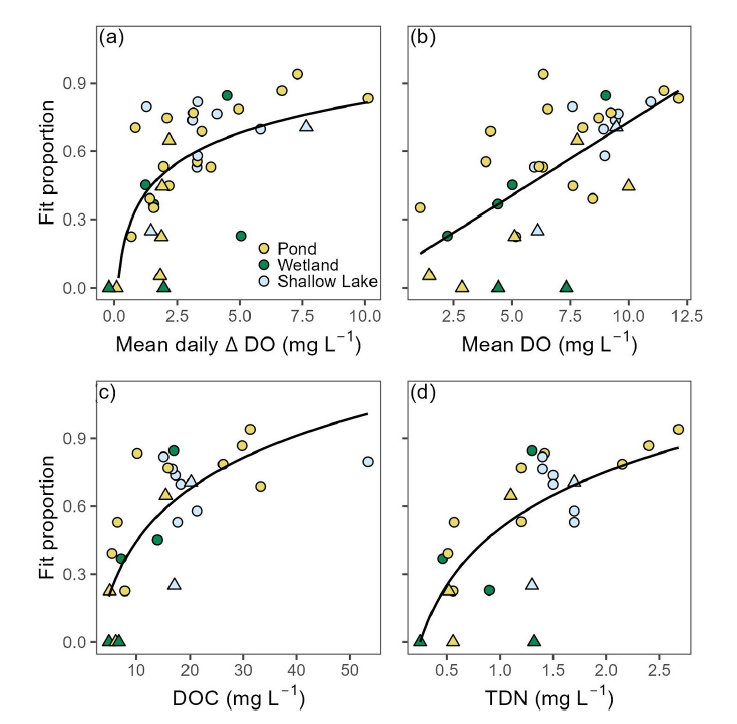
@GLEONetwork We also explored how well metabolism models (designed for bigger, deeper lakes) work for ponds. Metabolism models work best in sites that are more productive and have bigger diel oxygen swings. Models performed poorly in less productive / more heterotrophic systems (3/4)
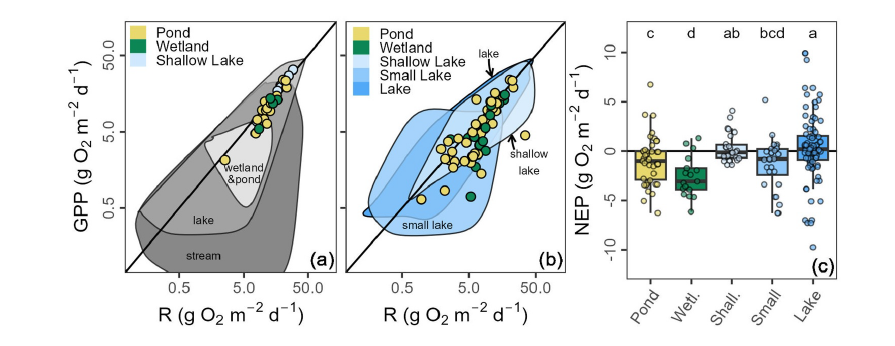
@GLEONetwork We observed high rates of GPP (mean 8.4 g O2 m-3 d-1) and R (mean 9.1 g O2 m-3 d-1), while NEP varied from net heterotrophic to autotrophic. Metabolism rates were affected by depth and plant cover; the shallowest waterbodies had the highest GPP, R, and most variable NEP.
(2/4)
🌊 Call for Papers! 📝 Special Issue of Limnology & Oceanography Letters #ASLO_Letters
🌎𝐌𝐞𝐭𝐡𝐚𝐧𝐞 in Freshwater, Brackish and Marine
Environments 🌏
Paper proposal by Sep 30, 2024
Full manuscripts by Jun 30, 2025
Details: https://t.co/NsEHmQiJO0
#Methane@aslo_org
🚨New pub alert!🗞️Check out our work in @JBiogeochem comparing net denitrification (N-removal) vs. net N-fixation (N-addition) in FL stormwater ponds (SWPs) vs natural undisturbed ponds. Spoiler: SWPs are more often net N-fixing compared to natural ponds
https://t.co/WQNeh1LKMj
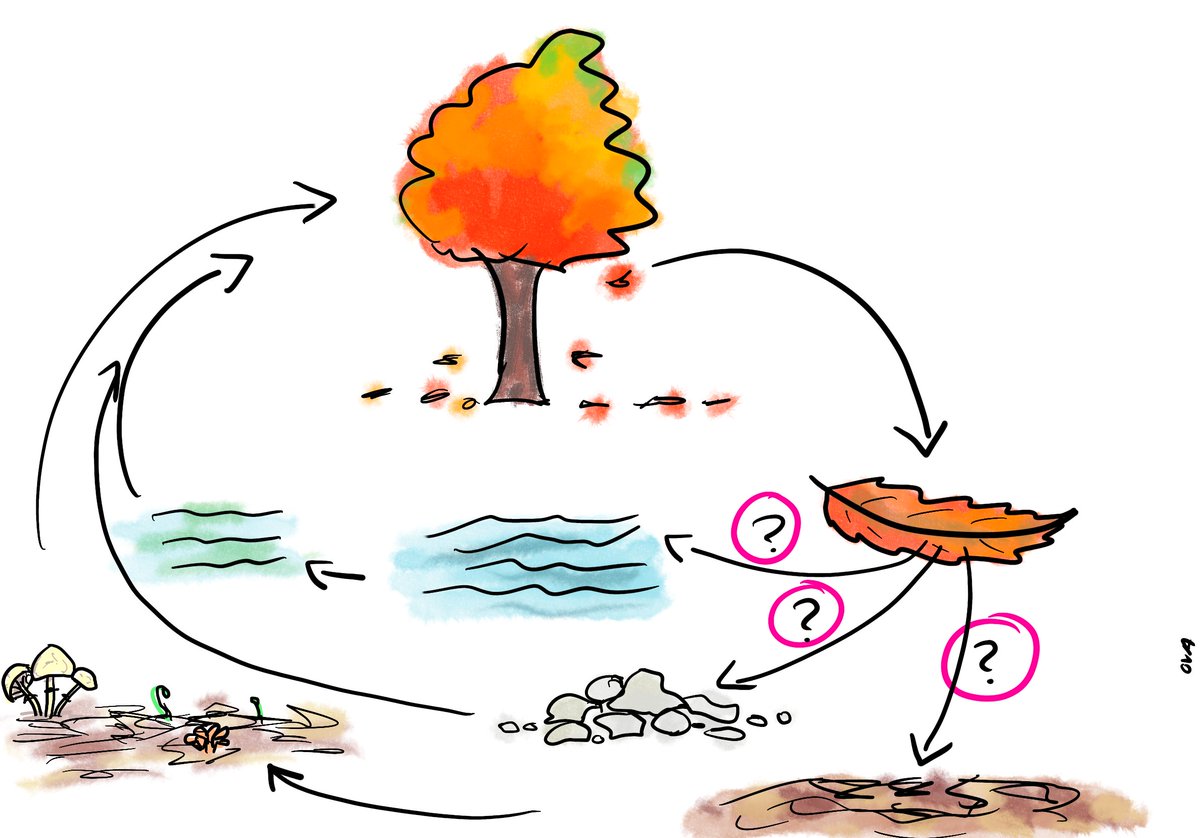
🍂 What Leaves Leave When Leaves Leave Trees? 🤔
While this may sound like the title of a Dr. Seuss book, it’s one of our new special collections now accepting submissions!
Learn more: https://t.co/FaEGnxHVfH
🎨: @Squidfan@theAGU @wileyearthspace #AGUPubs#SciArt
@JenniferRaff Since the Children's Museum closed 😭, try OMSI (planetarium; kids section) and zoo. My son used to love riding the MAX (light rail) + trolly (the aerial tram is also cool). Powell's Books has great kids section. Japanese Garden, Forest Park, + nature playground in Westmoreland.
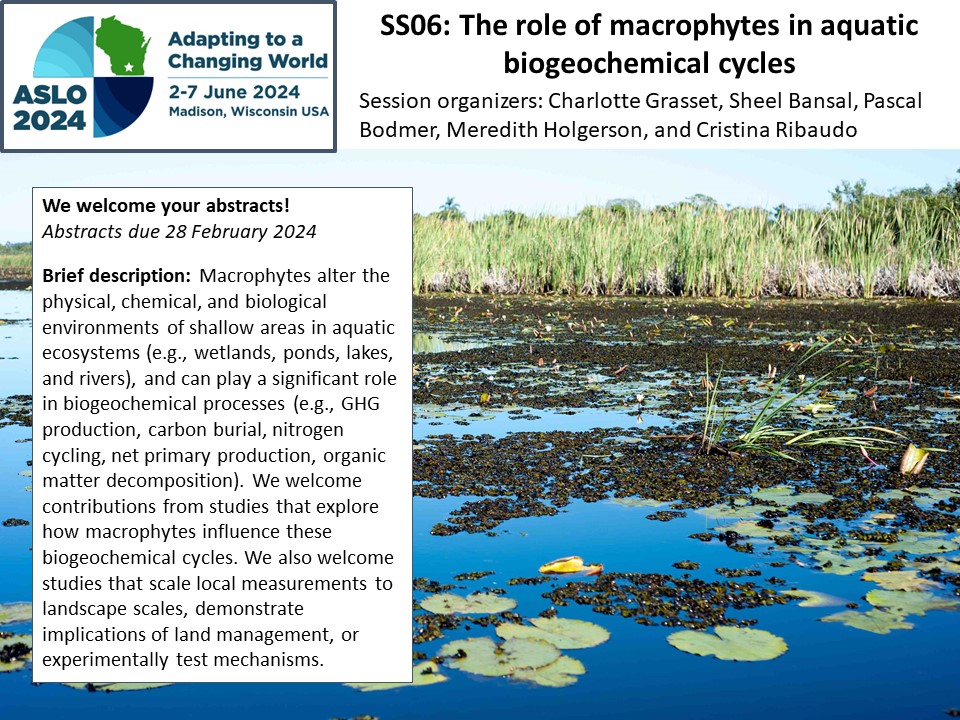
#ASLO24 - We welcome your abstract submissions for our special session on the role of macrophytes in aquatic biogeochemical cycles! Hope to see you in Madison this June.