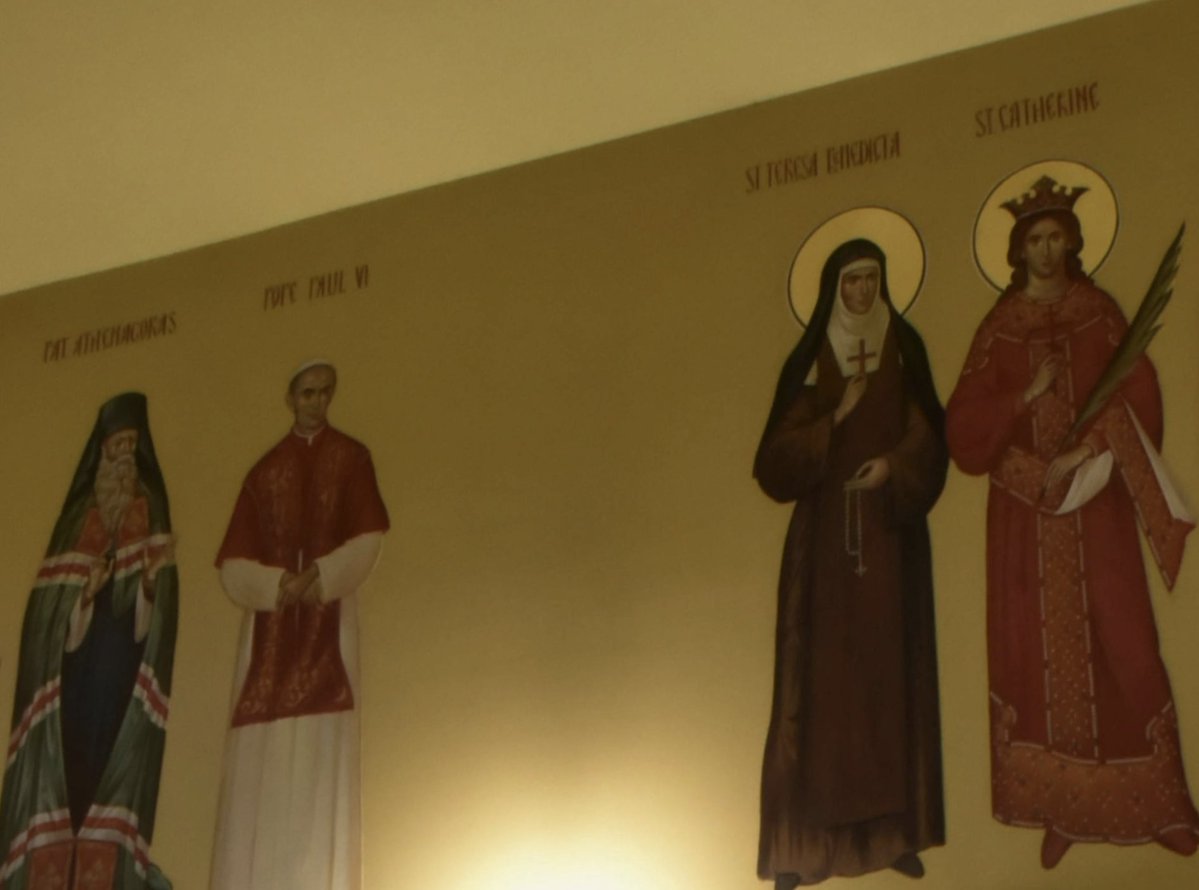
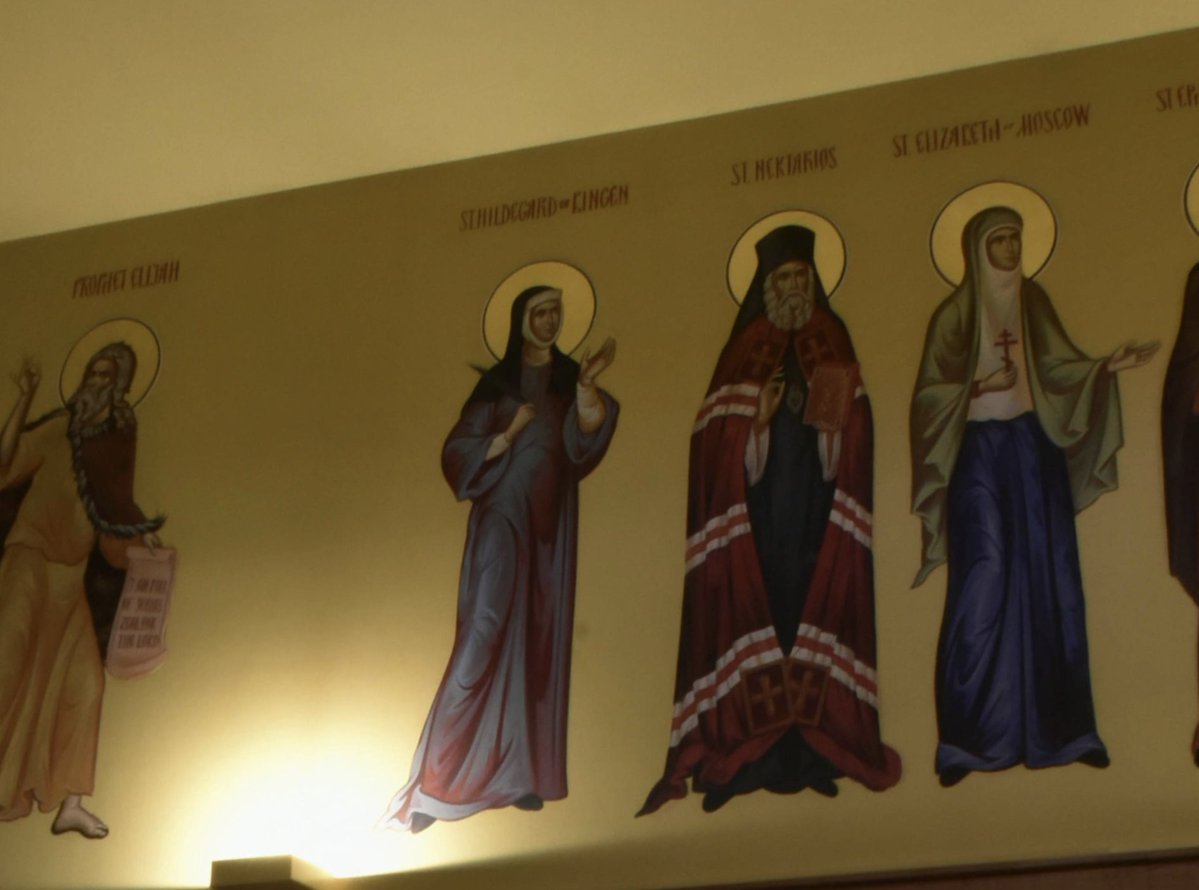
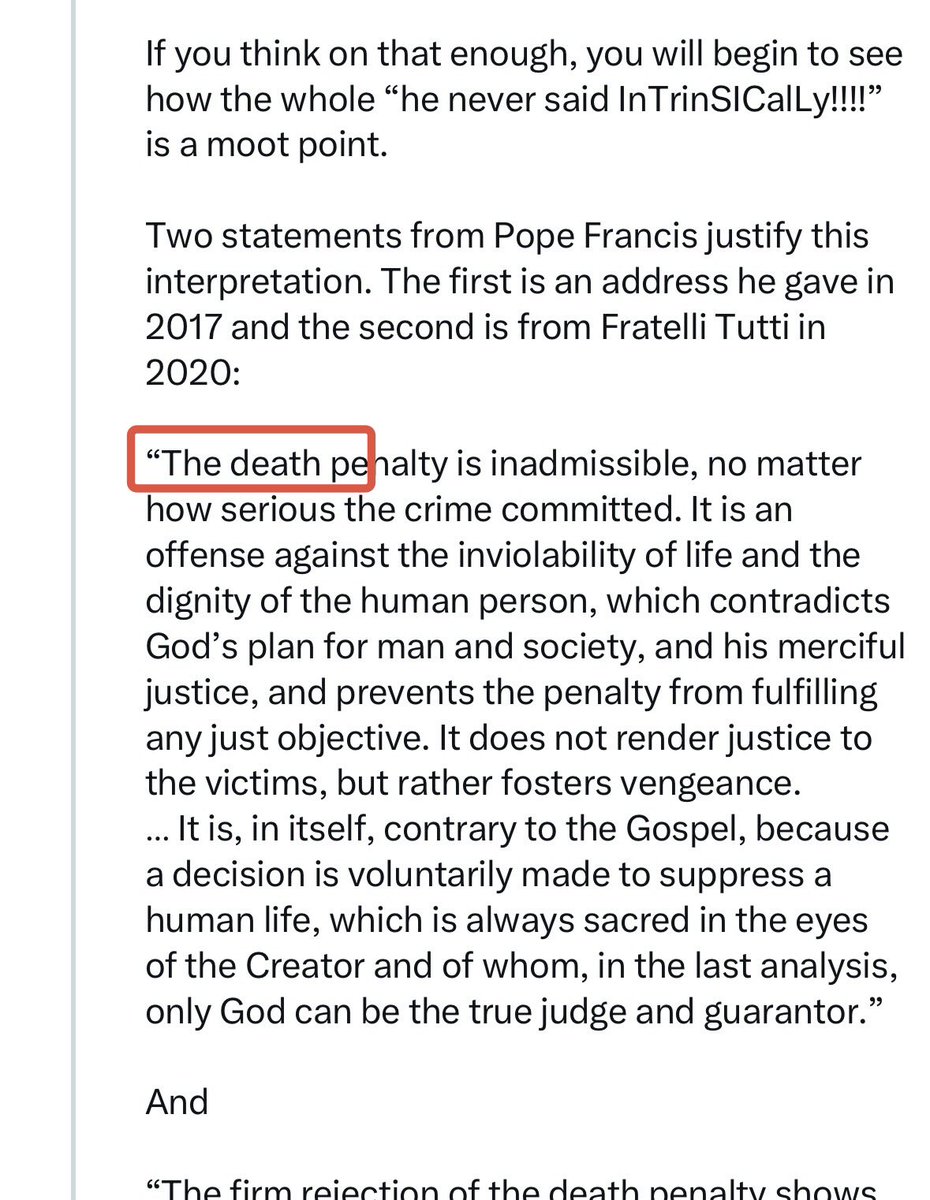
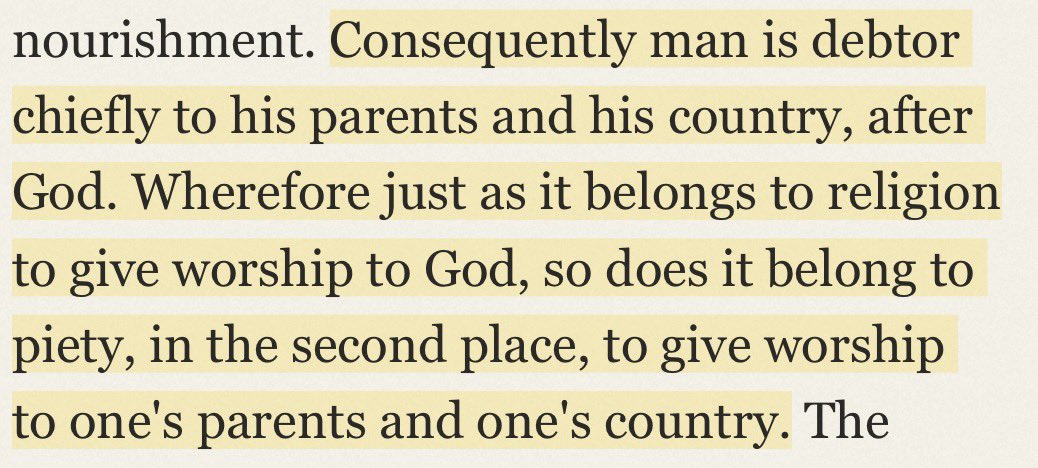
The Eastern Orthodox Holy Wisdom Church at New Skete (affiliated with the OCA) is decorated with two haloed icons of post-1054 Catholic saints.
St. Theresa Benedicta (d. 1942) and St. Hildegard (d. 1179).
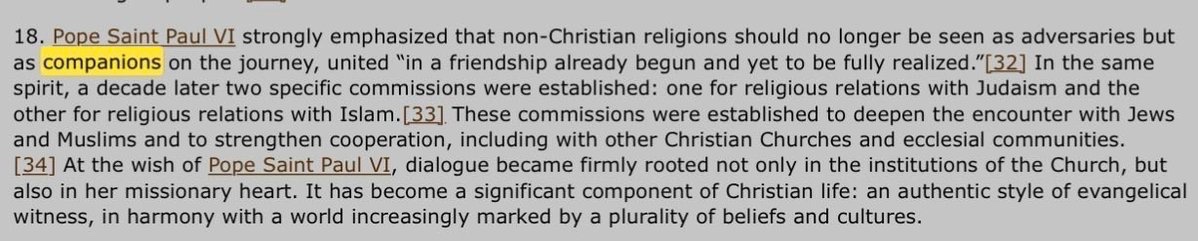
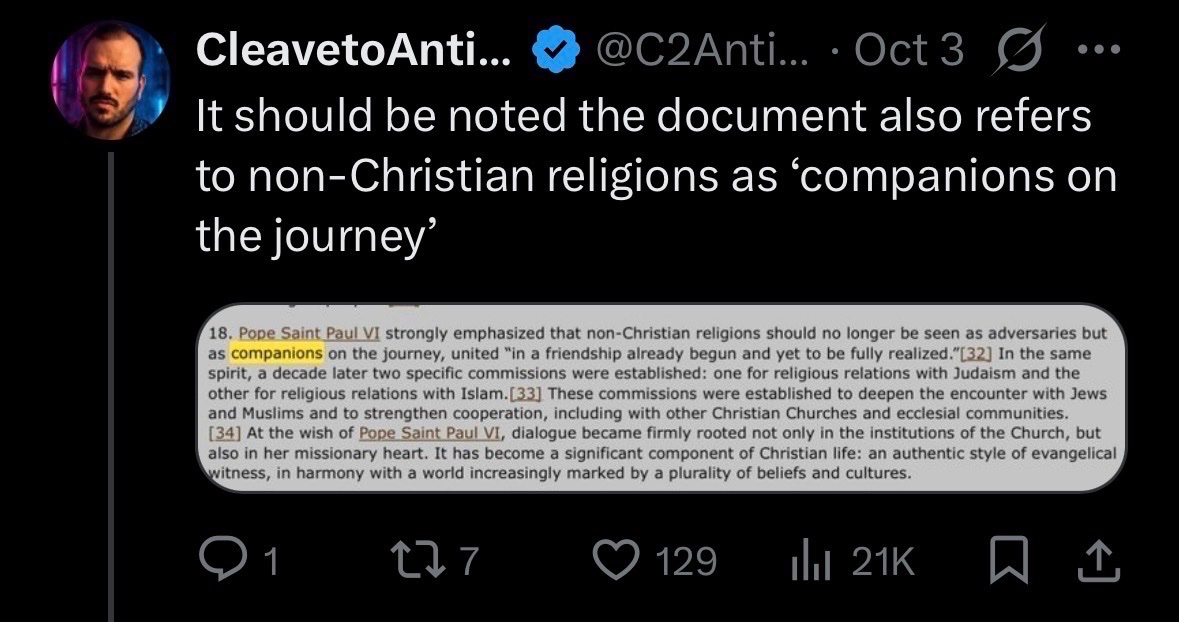
The next argument is against the fact that the document calls Christian and non-Christian’s “allies/friends/pilgrims of truth.”
The language of "companions," "allies," and shared "pilgrims of truth,” when applied to religions as such rather than to persons risks collapsing two things that have to remain distinct:
1). Human dignity and solidarity: Every person, regardless of religion, is made in the image and likeness of God. Catholics must engage them with respect, charity, and genuine love.
2). Doctrinal equivalence or religious pluralism: The idea that all paths lead equally toward God, that Islam, Hinduism, Buddhism, and Christianity are all valid "routes,” is flatly condemned by Catholic teaching.
The document itself recalls that Nostra Aetate affirms the necessity of dialogue with other religious traditions, since such dialogue is now "a part of the Church's evangelizing mission." Conversely, to those who tend to relativize their own religious identity, the same Declaration recalls the need for fidelity to Jesus Christ, "the Way, the Truth, and the Life" (Jn 14:6).
So the document does have these ANCHORS of Orthodoxy, yet, when the anchors are buried in qualifications and the "companion/ally/pilgrim" language dominates the atmosphere of the text, the average reader, priest, catechist, or layperson, may absorb a spirit of religious equivalence that the document does not teach. So there is legitimate criticism for the language used and there can be a call for more clear language (for the sake of the type of controversy going on rn), yet there is nothing inherently wrong if read in a correct way w/ this statement.
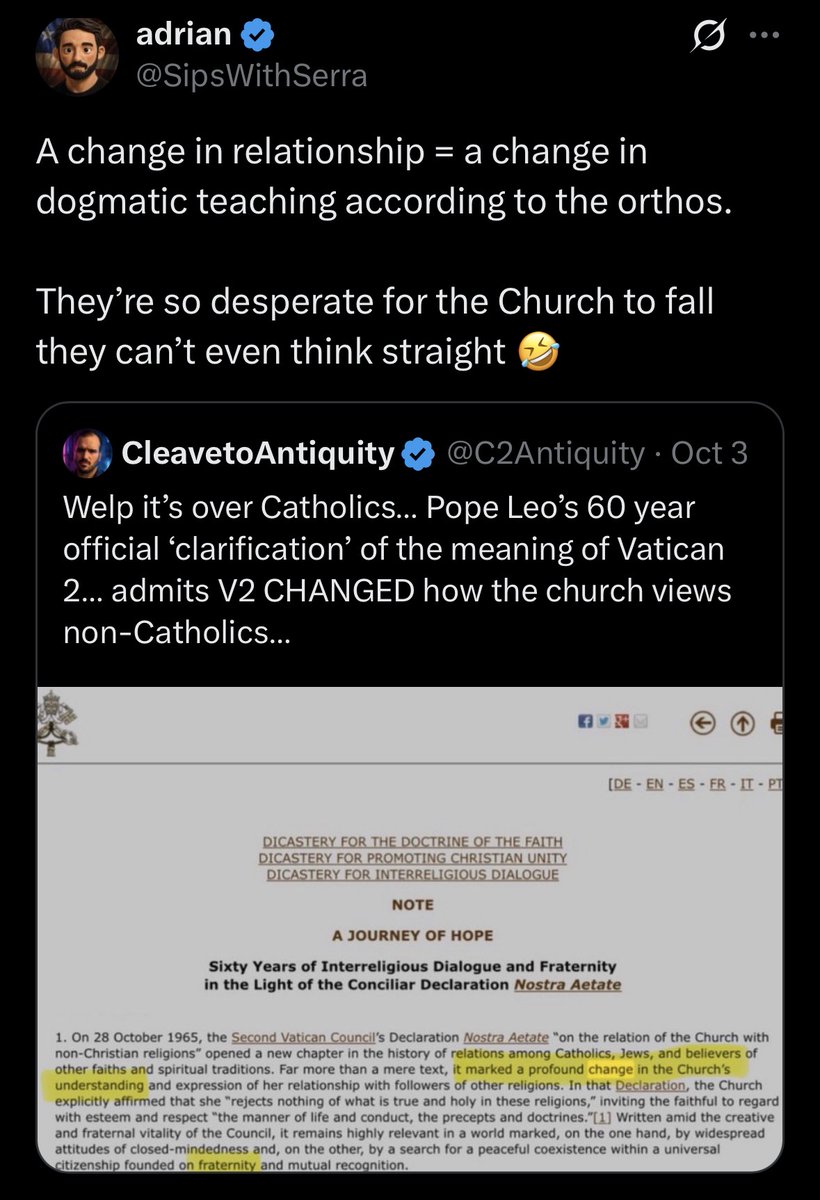
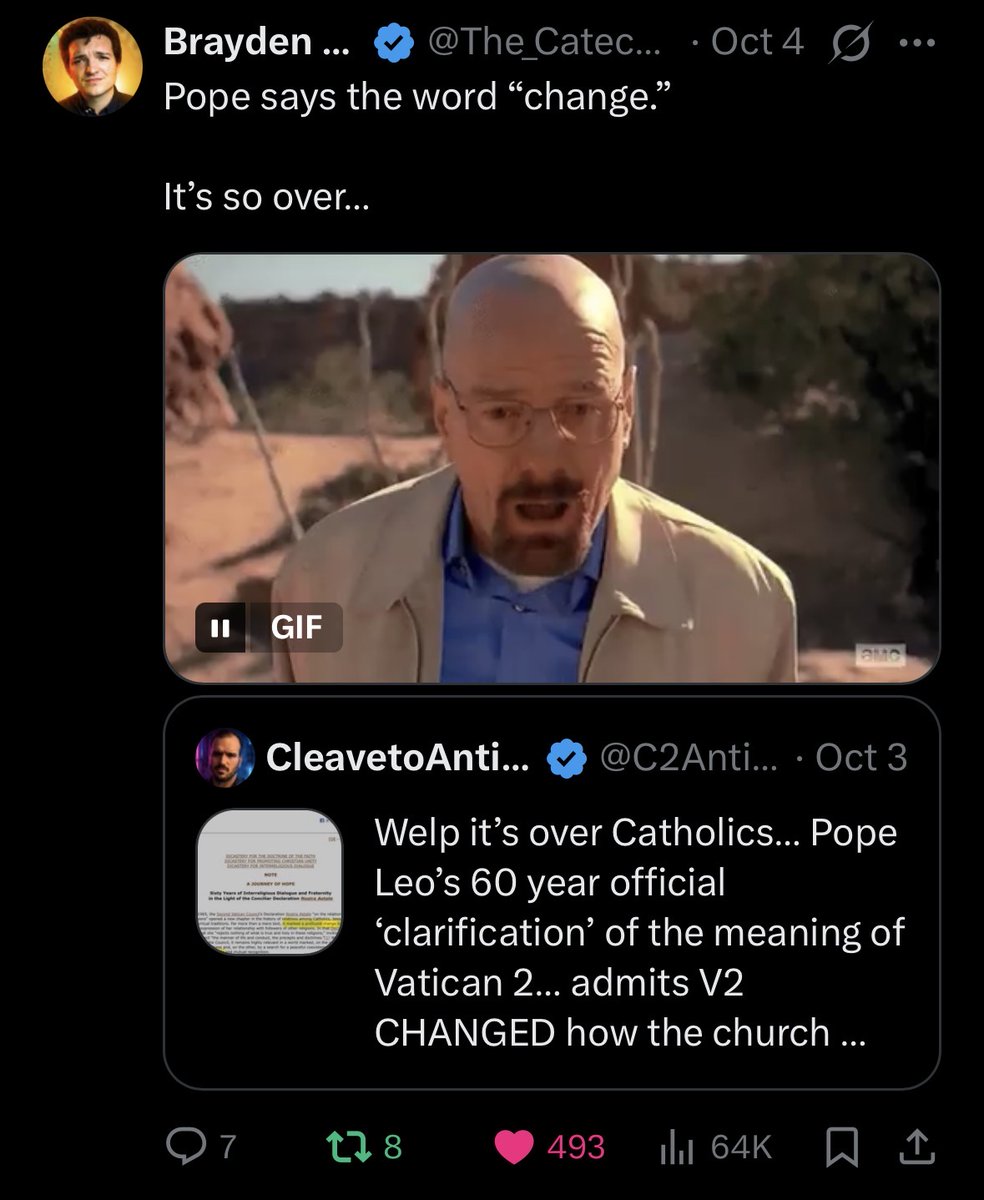
@The_Catechumen & @SipsWithSerra both point this out in joking ways; the conclusion that the document is talking about a change in doctrine and not pastoral approach is absurd.
An upcoming publication titled “The Private Diary of Pope Francis” promises a rare look into the inner spiritual life of the late pontiff. The Vatican Publishing House will release the collection in Italian on Nov. 24.
https://t.co/ByiWW3gWye
@fistofnicaea This is more related to universal jurisdiction than supremacy/primacy. How can a bishop have the authority to command the obedience of a church outside his own jurisdiction? Why would it be a sin to disobey him?
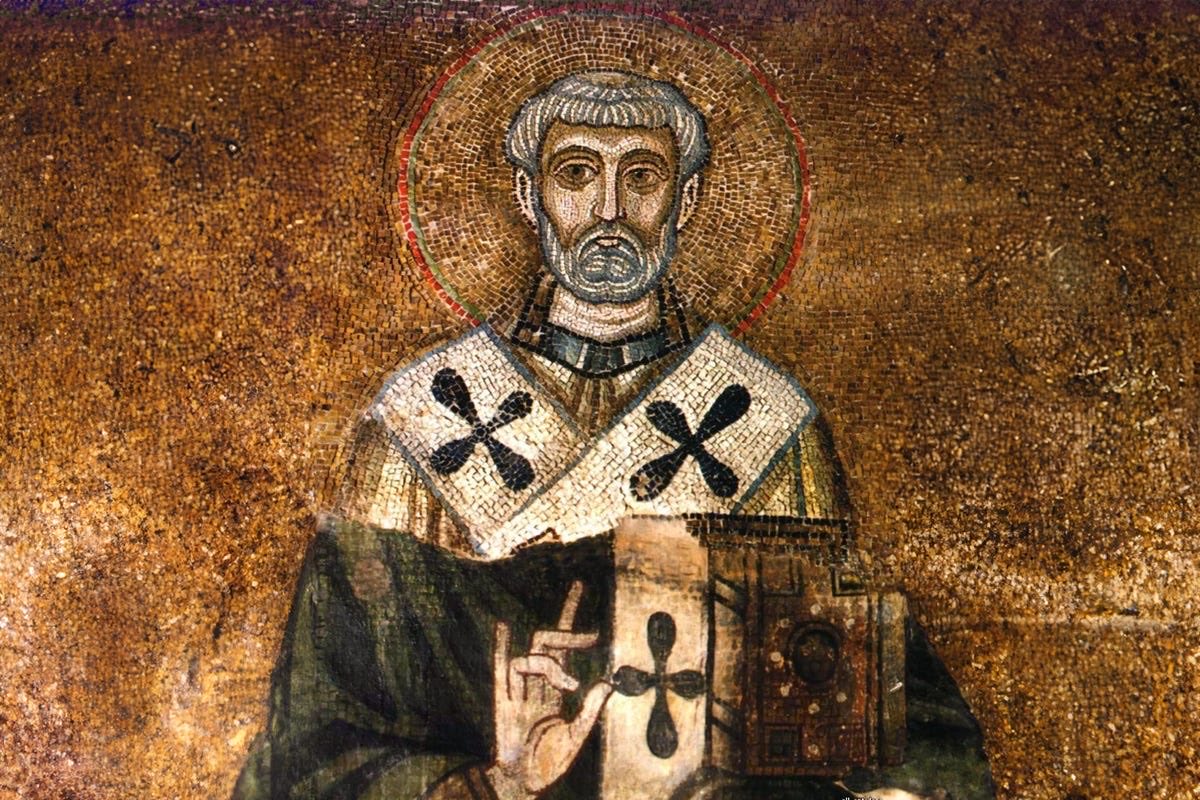
If the papacy was a later accretion, then it should be fairly easy to explain these 3 things about Pope Clement’s 1st Century letter to the Corinthians. 👇🧵
If the papacy was a later accretion, then it should be fairly easy to explain these 3 things about Pope Clement’s 1st Century letter to the Corinthians. 👇🧵