once again, this *would* be a useful flag if 100% meant an actual, literal 100%. it does not.
if i take something 100% AI written, change 10% of it manually, it does not drop to 90%. Similarly, if I take something 100% human, replace 10% with AI, same thing.
I hope this piece is a wake-up call to universities that the mission has changed. Optimizing for anything but rigorous education isn't going to cut it.
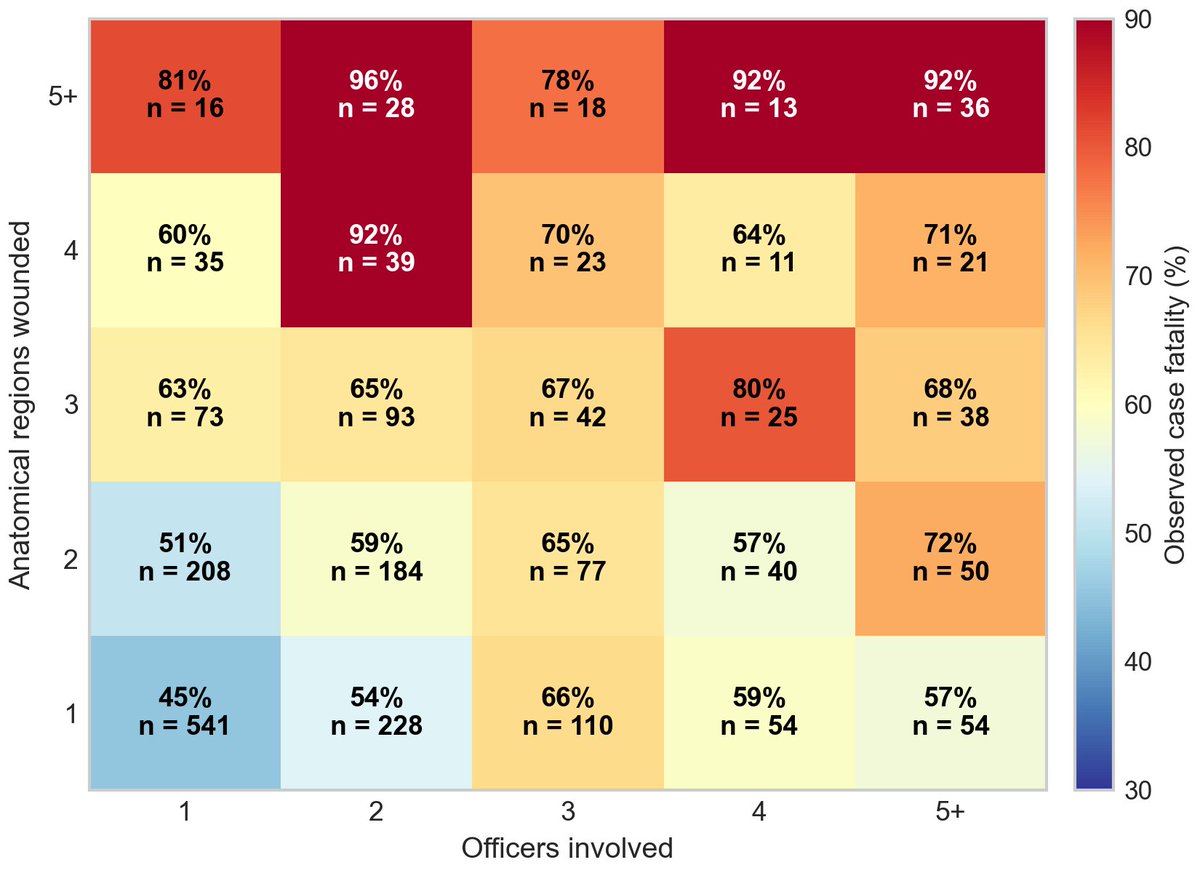
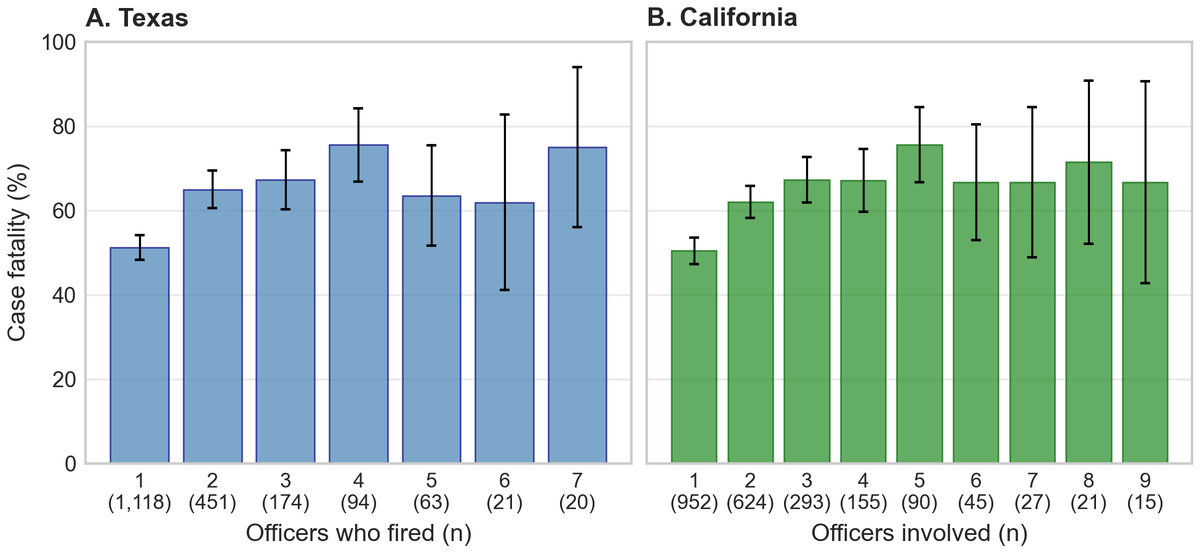
Finally I can share that my paper with @ian_t_adams, "The Killing Cascade," has been accepted for publication. It'll be available online in the next week or so. Meantime, you can read our preprint at @CrimRxiv or a summary at the link in the next tweet.
By the way, you can do this (in very short order) for even more complex survey instruments. @Qualtrics still charges insane prices just for access to a conjoint survey experiment. No need to do that anymore!
Stelson's campaign party is in Hershey. That tells the tale of the district. In '16, Hershey was reliably R (like its confectionary founder) but since then, it has trended blue with a booming healthcare sector, a growing international population, and a boomer suburbanite rejection of the GOP.
Congratulations @JoshShapiroPA on securing another term! Thank you so much to you and First Lady Lori Shapiro for taking the time to sign my copy of Where We Keep the Light. It truly means a lot to me!
Who bears the risk when teachers exercise discretion?
In my new study, I explore how trust in school principals shapes not only policy enactment, but also whether bureaucratic risk is carried individually or shared with school leadership.
@EMALjournal
https://t.co/mHphZWOGGB
And before everyone gets on my case, I do recognize that experimental (and quasi) methods aren't the be-all-and-end-all. But when "leading" journals like BritJnlCrim cannot get off the zero axis, crim can't expect to be taken too seriously.
2/2
Source: https://t.co/z1k0QPQ3fY
The campus AI conversation is stuck in 2023, with "appropriate use" & "academic integrity" concerns, because university leaders refuse to take AI seriously as a transformative technology. I never imagined these stories would continue into 2026. The world has moved on!
One thing we’ve learned about time saving claims in workplace AI — do not trust self reports.
If it’s true then find a way to measure, and then randomize!
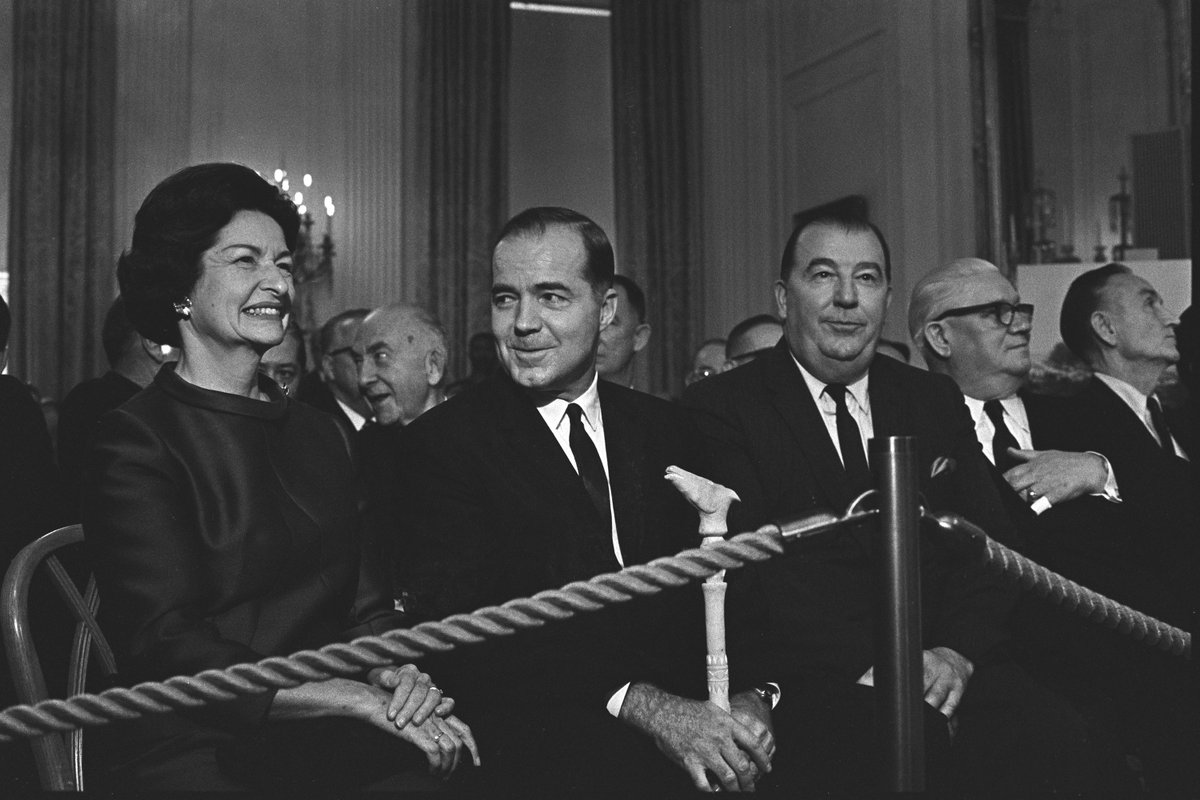
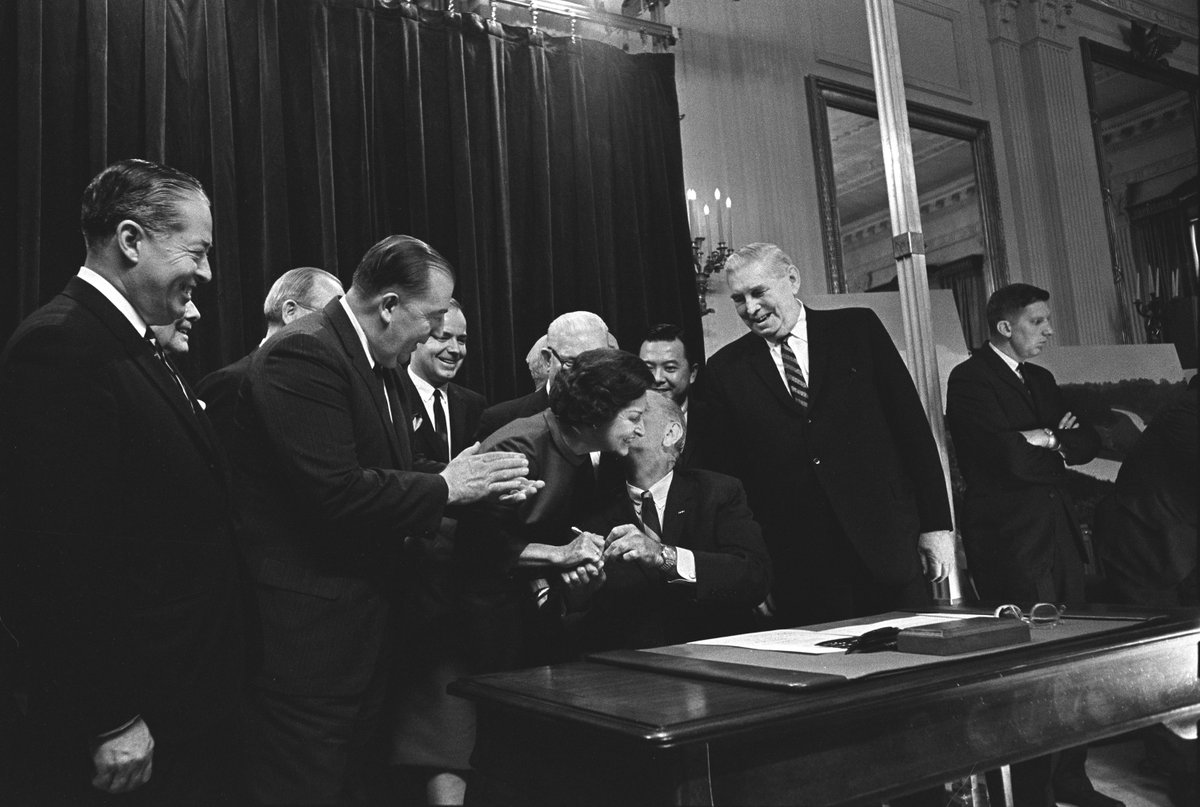
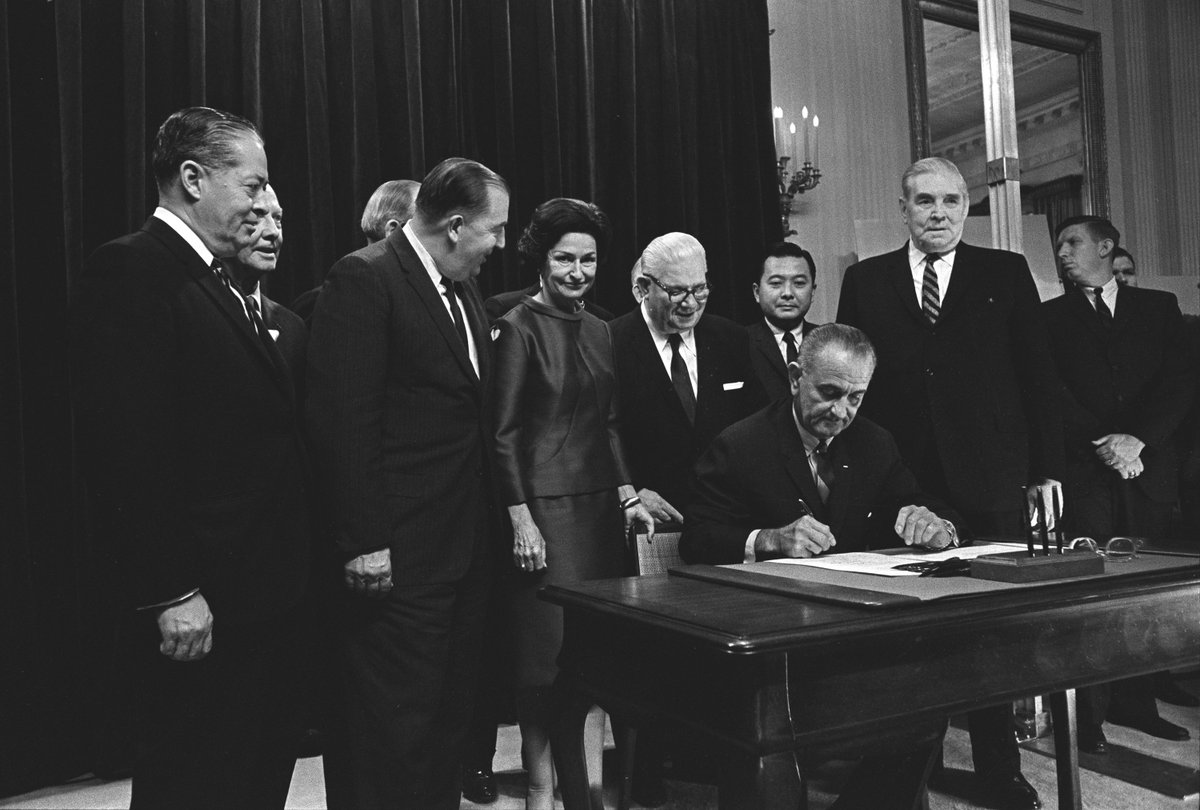
#OnThisDay: #LBJ signed the #HighwayBeautificationAct, restricting billboards and junkyards along major highways.
The law was a priority for #LadyBird, who championed efforts to preserve and beautify America's landscapes.
📷 Yoichi Okamoto & Frank Wolfe | 10/22/1965
#OnThisDay: Fifty-eight years ago, #PresidentJohnson signed the #GunControlAct of 1968, restricting interstate and mail-order firearm sales and prohibiting sales to convicted felons and certain other individuals.
Read #LBJ's remarks: https://t.co/ZQSpD0lpLn
Why Democracy?
Dahl, Bobbio, and Przeworski are some of the authors that have carefully addressed the question, why democracy should be valued?
It is interesting to compare their answers.
Did you know you can calculate the exact sample size you need before you even start your study? A sample size calculation — also called a power analysis — helps you determine the optimal number of observations for your statistical analysis. It ensures your study is large enough to detect meaningful effects, but not so large that you waste resources.
Key advantages of performing a power analysis:
✔️ Avoid underpowered studies that might miss real effects
✔️ Save time and costs by avoiding unnecessarily large samples
✔️ Tailor your sample size to the effect size you care about detecting
✔️ Choose your desired confidence level and statistical power for robust results
✔️ Works for a wide range of statistical tests, from t‑tests to ANOVA and regression
✔️ Supported by many free R packages, such as pwr
The image shows on the left side how the required sample size changes depending on the expected effect size — smaller effects require much larger samples. On the right side, you see an example of a calculated sample size for comparing two groups using a t-test, showing exactly how many participants are needed per group for the desired confidence level and statistical power.
Sign up for my newsletter to get more practical tips on statistics, data science, R, and Python. More details are available at this link: https://t.co/ktUcWo9XpO
#database #DataAnalytics #Python #DataScience #statisticsclass #RStats
I made an animation showing the Top 10 most-cited Supreme Court cases every year since 1792.
It's remarkable how citations (by federal and state courts) have exploded in frequency in the last half century.